
Top Recommended Products and Selection Criteria for Managing Bladder Polyps and Growths in Dogs
Bladder polyps and growths in dogs may not show symptoms in the early stages, but if left untreated, they can lead to urinary difficulties or bleeding. It is important to choose appropriate management products and care methods.
Bladder Polyps and Growths in Dogs: A Precious Health Issue to Manage Together with Your Pet
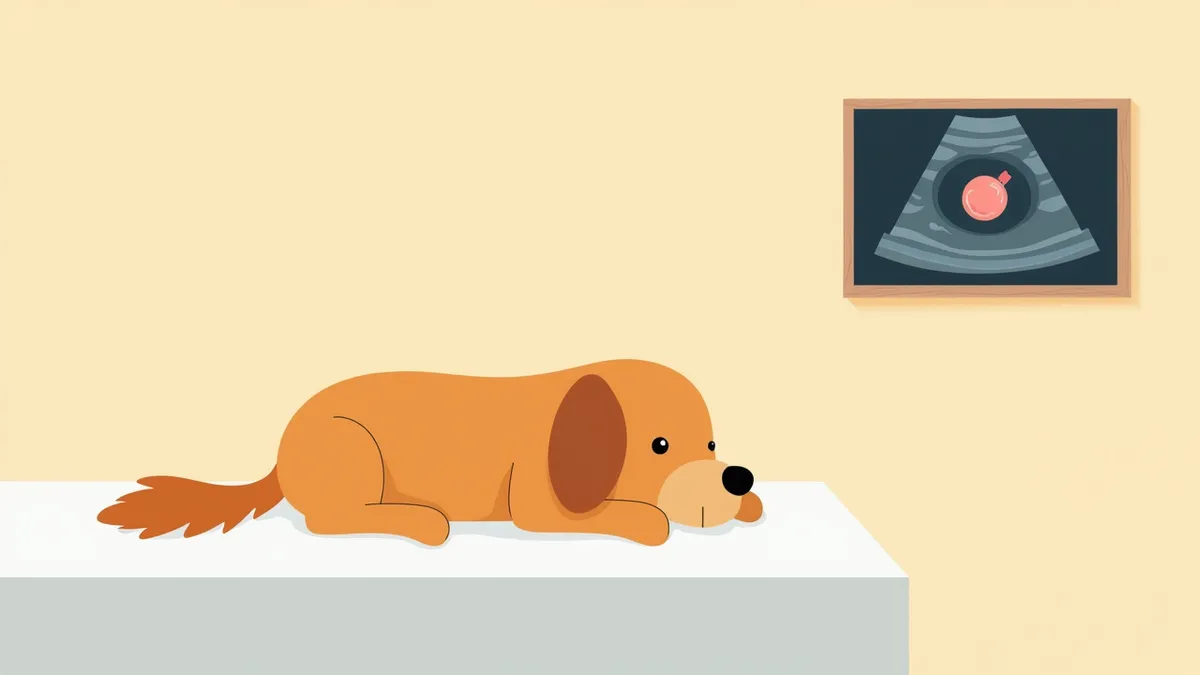
Know This: Managing Bladder Polyps and Growths in Dogs

Know This 1: What Are Bladder Polyps and Growths, and How Urgent Are They?

Know This 2: Diagnosis and Treatment Options — What Is the Process?

Know This 3: The Importance of Daily Care and Veterinary Diagnosis and Prescription

Key Points for Owners to Know About Bladder Polyps and Growths in Dogs
| Item | Key points |
|---|---|
| Condition | A mass of tissue protruding from the bladder mucosa |
| Symptoms | Blood in urine, frequent urination, painful urination, urinary retention |
| Diagnosis | Ultrasound + histopathology |
| Treatment | Endoscopic or surgical resection, combined with antibiotics |
| Caution | No unverified supplements; regular follow-up examinations are essential |
This is not a table recommending specific products or hospitals, but a reference to consider when consulting with a veterinarian. Decisions about treatment and testing must always be made together with a veterinarian through examination.
Caution: Risk of Side Effects from Overdosing
When using products to manage bladder polyps or growths in dogs, it is essential to follow the dosage recommended by your veterinarian. Overdosing can lead to side effects such as diarrhea, vomiting, and decreased appetite. In particular, liquid formulations often contain high levels of sugar, so be sure to carefully check the ingredient list. If you notice any unusual symptoms while using the product, stop administration immediately and consult your veterinarian.
5 Tips for Managing Bladder Polyps and Growths in Dogs

Reviewed by a veterinarian

Dr. Tony — Punnawat Phongkittirak
VeterinarianA veterinarian who majored in veterinary medicine at Khon Kaen University, Thailand, and completed the IVSA program at North Carolina State University in the United States. Drawing on clinical experience at animal hospitals, he works in the pet healthcare field and is dedicated to building a digital care environment that connects pet parents with veterinarians.
Reviewed 2026-06-29
Frequently Asked Questions
Can bladder polyps in dogs be cured with natural remedies?
Does a bladder polyp always require surgery?
Will feeding management products make the polyps disappear?
Which breeds are more susceptible to bladder polyps?
Can giving care products cause side effects?
Share
Related Guides

Top 5 Prescription Diets for Feline FLUTD — Comparison by Struvite and Calcium Oxalate Stones

Top Recommended Diets for Preventing Canine Urinary Tract Stones and Key Selection Criteria

Top 7 Prescription Diets for Feline Bladder and Urinary Tract Health Recommended by Veterinarians — Including Selection Criteria

Top 3 Recommended Dog Kidney Support Supplements (Omega-3, etc.) and Selection Criteria

7 Best Prescription Kidney Diets for Dogs Recommended by Veterinarians — How to Choose Based on Phosphorus and Protein
7 Key Points on Dog Kidney Markers — BUN, Creatinine, and SDMA — According to Veterinarians
7 Warning Signs of Dehydration and Kidney Damage in Dogs That Veterinarians Warn About

7 Best Products for Managing Canine Chronic Kidney Disease (CKD) Recommended by Veterinarians and Selection Criteria
7 Best Products and Selection Criteria for At-Home Subcutaneous Fluid Administration in Cats Recommended by Veterinarians

5 Best Omega-3 Kidney Supplements for Cats Recommended by Veterinarians
References
[1] Terragni, R. et al. (2012). Stomach wall evaluation using helical hydro-computed tomography. Veterinary Radiology & Ultrasound, 53(4), 402–405.
[2] Notes on Canine Internal Medicine, 4th Ed. (2015). Chapter on Urinary Tract Disorders.
[3] Withrow, S.J. & MacEwen, E.G. (2013). Perianal tumors. In Withrow & MacEwen’s Small Animal Oncology, 5th Edition, pp. 423–431.