Like
Share
멍실장
고양이 다발성 골수종 관리 추천 BEST와 고르는 기준 총정리

7 Symptoms of Feline Multiple Myeloma and Treatment Criteria as Summarized by a Veterinarian

Oncology/CancerTop PicksMeongsiljang Veterinary Advisory Board

Feline multiple myeloma is a challenging blood cancer to treat, but with proper care, your cat’s quality of life can still be improved. Here’s a clear overview of the best products and what to look for when choosing them.

What Is Feline Multiple Myeloma?

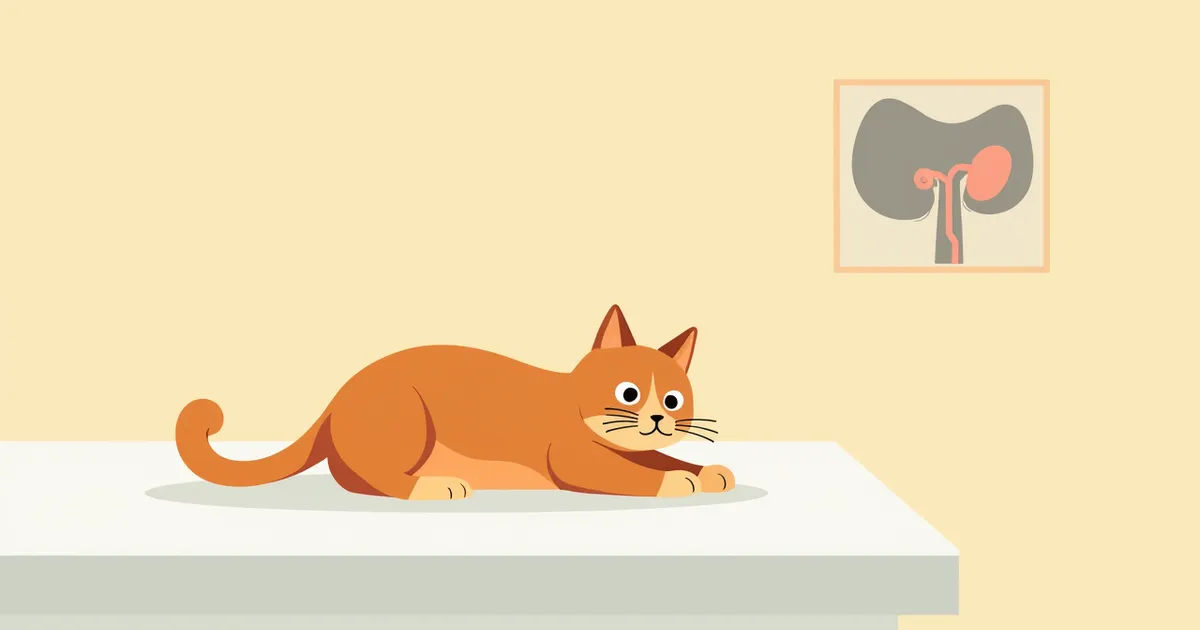
A medical illustration showing abnormal plasma cells proliferating within a cat's bones.
Feline multiple myeloma is a malignant tumor in which plasma cells proliferate abnormally in the bone marrow, affecting both the blood and bones. Diagnosis is made by combining clinical and radiographic findings with monoclonal gammopathy detected on serum protein electrophoresis, along with bone marrow examination. Because early stages often lack obvious symptoms, leading to delayed detection, regular veterinary check-ups are essential. - Monoclonal gammopathy: This condition is characterized by an increase in monoclonal proteins on serum electrophoresis. - Bone lesions: Radiographic exams may reveal bone lesions, which can weaken the bones. - Differential diagnosis required: In cats, it is necessary to rule out other causes, such as infectious peritonitis (FIP). Accurate diagnosis and appropriate treatment are key to improving quality of life.

Selection Criteria: Key Elements for Managing Feline Multiple Myeloma

The cornerstone of managing feline multiple myeloma is a veterinarian’s diagnosis and chemotherapy. Standard protocols typically involve chemotherapeutic agents such as melphalan, prednisone, and cyclophosphamide, with surgical excision or radiation therapy added when feasible. It is important to understand that nutritional supplements do not treat the disease itself and serve only a supportive role.
Pain Management: Pain is managed through a multimodal approach, primarily using veterinarian-prescribed analgesics, supplemented by environmental modifications and attentive nursing care. Joint supplements like glucosamine cannot replace this medical management.
Bone Health Assessment: Because bone lesions may be present, any decision to supplement with nutrients such as calcium must be made in consultation with your veterinarian.
Systemic Monitoring: Melphalan commonly causes bone marrow suppression, leading to decreased neutrophil and platelet counts. Therefore, regular complete blood count (CBC) monitoring is essential during treatment.
A natural-light photograph showing a cat’s food bowl with a nutritional supplement capsule and wet food placed on top.

BEST 1: Feline Nutritional Supplement for Immune and Bone Health

This product is a feline-specific nutritional supplement designed to support both immune function and bone health. However, it is crucial to remember that such supplements do not treat multiple myeloma itself and cannot replace veterinary oncology treatments, such as melphalan or prednisone. While the formula contains lutein, vitamin E, calcium, vitamin D3, glucosamine, and chondroitin, evidence supporting their ability to improve multiple myeloma is limited. In particular, pain management should primarily rely on veterinarian-prescribed analgesics rather than glucosamine. The supplement comes in small tablets formulated for easy administration to cats. Administer one tablet daily with food. Always follow your veterinarian’s recommended guidelines before starting and during use.
A bright beige pill capsule engraved with a cat illustration, placed on a white background

BEST 2: Feline Nutritional Supplement for Pain Relief and Immune Support

This product is a feline nutritional supplement focused on joint-supporting ingredients. It contains glucosamine, chondroitin, lutein, and omega-3 fatty acids; however, there is insufficient evidence to suggest that these ingredients reduce the pain or slow the progression of multiple myeloma. Pain associated with multiple myeloma should be managed through a multimodal approach centered on veterinarian-prescribed analgesics, supplemented by environmental modifications and attentive nursing care. Please remember that supplements play only a supportive role. The liquid formulation makes it easy for cats to consume. Administer 1 ml once daily with food. If any adverse reactions occur during use, discontinue administration immediately and consult your veterinarian.
A transparent dropper bottle filled with yellow liquid sits on a wooden table, with a cat toy nearby.

BEST 3: Comprehensive Management Feline Nutritional Supplement

This product is a comprehensive nutritional supplement designed to support appetite, immune function, bone health, and joint health. While it contains B vitamins, amino acids, antioxidants, omega-3 fatty acids, calcium, vitamin D3, and glucosamine, there is limited evidence that these ingredients can treat or slow the progression of multiple myeloma. The cornerstone of multiple myeloma treatment involves chemotherapy agents such as melphalan and prednisone; nutritional supplements should be viewed solely as supportive measures to help maintain overall condition. The product comes in powder form, which can be mixed into dry kibble or wet food. Administer one teaspoon once daily. If you notice any changes in your pet’s weight or behavior while using this product, please consult your veterinarian.
A white plastic container filled with light beige powder, along with a spoon, placed on a kitchen table.

Comparison Table of BEST 1–3 Products

ItemBEST 1BEST 2BEST 3
Main IngredientsLutein, Vitamin E, Calcium, Vitamin D3, GlucosamineGlucosamine, Chondroitin, Lutein, Omega-3Vitamin B complex, Amino acids, Antioxidants, Omega-3, Calcium
FormTabletLiquidPowder
Daily Dose1 tablet1 ml1 teaspoon
Expected Supplementary EffectSupplementary nutritional support (bone·immune)Supplementary joint·nutritional supportSupplementary systemic nutritional support

The effects in this table mean supplementary nutritional support and do not replace treatment for multiple myeloma (chemotherapy) or pain management (veterinarian-prescribed analgesics). Be sure to consult a veterinarian to make a personalized choice, and consult a specialist before administration.

Precautions: Always Consult Your Veterinarian Before Administration

Feline multiple myeloma is a challenging condition to treat, so it’s essential to consult your veterinarian before giving your cat any supplements. Be especially cautious when combining supplements with other medications, as drug interactions can occur. If you notice any adverse reactions while your cat is taking the supplement, stop it immediately and contact your veterinarian.

Usage Tips: How to Choose the Right Nutritional Supplement for Your Cat

There are a few tips to keep in mind when choosing a nutritional supplement for your cat. First, accurately assess your cat’s current condition. Check for signs of pain, loss of appetite, or reduced mobility. Second, carefully review the product’s ingredients. Look for the inclusion of antioxidants, immune-supporting nutrients, and bone-health ingredients. Third, ensure the supplement is in a form that’s easy for your cat to take. Determine whether pills, liquids, or powders best suit your cat’s preferences.
A cat sitting comfortably on a cushion, curiously eyeing a bottle of supplements.

Reviewed by a veterinarian

Dr. Tony — Punnawat Phongkittirak

Dr. Tony — Punnawat Phongkittirak

Veterinarian

A veterinarian who majored in veterinary medicine at Khon Kaen University, Thailand, and completed the IVSA program at North Carolina State University in the United States. Drawing on clinical experience at animal hospitals, he works in the pet healthcare field and is dedicated to building a digital care environment that connects pet parents with veterinarians.

Frequently Asked Questions

Is multiple myeloma in cats curable?
While a complete cure remains elusive at present, chemotherapy with drugs such as melphalan and prednisone can improve quality of life and extend survival time. Nutritional supplements serve only as an adjunct to treatment and do not replace it.
When should I start giving my pet the supplement?
After a veterinarian’s diagnosis, it’s safest to begin medication according to the treatment plan. Early management is key.
Is it okay to take supplements and medications at the same time?
Some ingredients may interact with medications. In particular, chemotherapy drugs like melphalan commonly cause bone marrow suppression (neutropenia and thrombocytopenia), so regular blood tests are necessary. Always consult your veterinarian before administering this product.
My cat won’t take its supplements. What should I do?
Try mixing the medication into dry or wet food, or attempt to hide it in a treat. You can also ask your veterinarian for assistance.
What should I do if my pet shows adverse reactions after taking a supplement?
Stop giving the medication immediately and contact your veterinarian to report the situation. Prompt action is important, as this could indicate a serious reaction.

Share

Related Guides

References

[1] The Cat, Clinical Medicine and Management, 2nd Edition. Elsevier, 2023.

[2] Plumb's Veterinary Drug Handbook, 9th Edition. Wiley-Blackwell, 2022.

[3] American Veterinary Medical Association. Feline Multiple Myeloma: Diagnosis and Management Guidelines. 2021.

This information is based on veterinary literature and does not replace diagnosis or treatment. Please consult a veterinarian for specific health concerns.

Metapet Co., Ltd. | CEO: Park Sung-yong | Business Reg. No. 417-88-02562 | Seoul, South Korea | Customer Center

7 Symptoms of Feline Multiple Myeloma & Treatment Criteria | Meongsiljang