Like
Share
멍실장
고양이 회음부 요도성형술(PU) 관리 추천 BEST와 고르는 기준 총정리

Top Recommendations and Selection Criteria for Cat Perineal Urethrostomy (PU) Care

UrinaryTop PicksMeongsiljang Veterinary Advisory Board

Proper post-operative care after a cat's urethrostomy or ureteral transplant surgery is crucial for preventing recurrence and promoting recovery. Choosing the right products and care methods is essential.

Post-Operative Care for Cat Perineal Urethrostomy and Ureteral Transplant Surgery: The First Step in Saving Lives
A veterinarian examining the incision site of a cat after perineal surgery.
Proper post-operative care following perineal urethrostomy in cats is essential for preventing recurrence and ensuring a smooth recovery. During the first 2–4 weeks after surgery, there is a risk of wound infection or bleeding, so it is important to closely monitor your cat’s skin condition and urination patterns.
Week 1 post-surgery: Your cat will be hospitalized for observation. Pain medication will be administered based on pain assessment, and antibiotics will only be used if signs of infection are present or suspected.
Weeks 2–4 post-surgery: Home care begins, and you should carefully monitor your cat’s urination patterns and any signs of pain.
6 weeks and beyond post-surgery: Regular check-ups will be conducted to assess the condition of the surgical site (urethra) and urination, as well as to evaluate for any recurrence of obstruction.

Note: When to Consider Perineal Urethrostomy (PU)
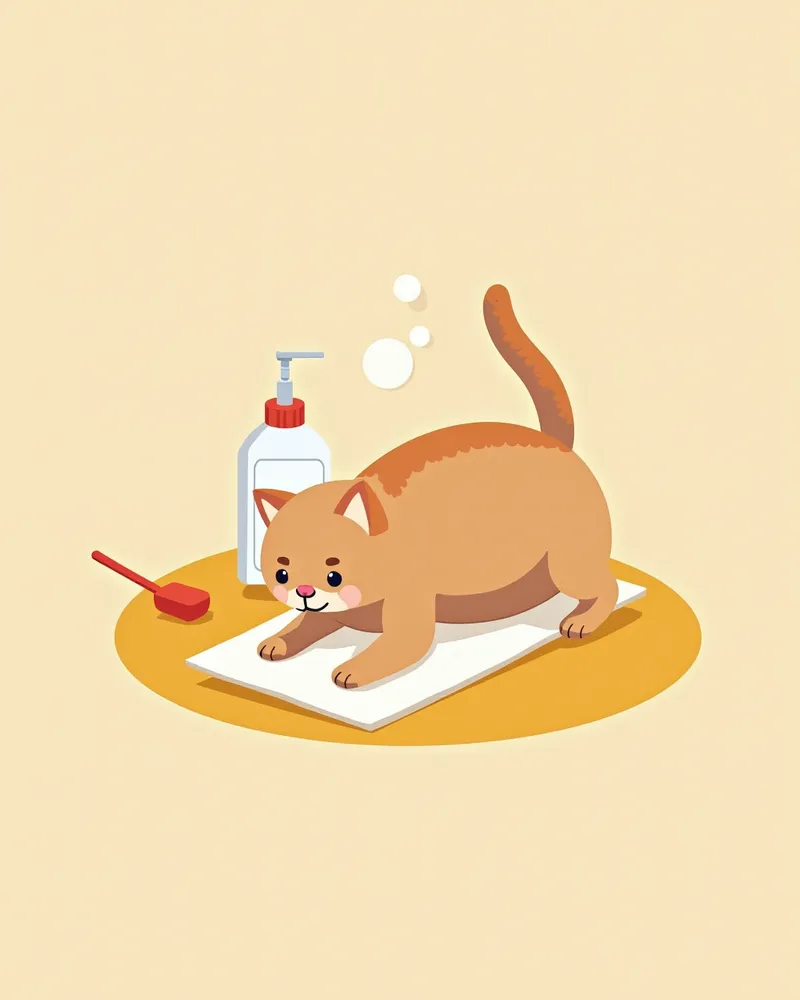
Proper post-operative care for cats following perineal urethrostomy hinges on selecting the right products, so it’s best to consider the following four criteria:
Soft materials: To minimize skin irritation around the surgical site (the urethra), soft materials are ideal. However, it’s more important to choose materials that are non-irritating to the skin rather than simply prioritizing a human-centric feel.
Highly absorbent pads: Using products with excellent absorbency helps prevent urine from lingering on the skin, thereby reducing the risk of skin conditions.
Maintaining cleanliness: Pads should be replaced immediately when soiled, and the wound area must be kept clean.
Odor management: If the odor is strong, underlying causes should be evaluated. Odor eliminators should be chosen with caution, taking into account the cat’s heightened sensitivity to touch and scent.
Soft pads and antiseptic solution for post-surgical care in cats

Note 1: What Is PU Surgery and When Is It Considered?
Perineal urethrostomy (PU) is a surgical procedure for male cats that repeatedly experience urinary blockages. It involves reconstructing the narrow portion of the urethra into a wider opening to reduce the risk of obstruction. Male cats are prone to blockages caused by crystals or mucus plugs due to their narrow urethras. PU may be considered when blockages recur or when urethral damage makes management difficult. Since a single blockage is a medical emergency, this surgery is an option to lower the risk of recurrent obstructions. However, it is not necessary for every case, so a decision should be made in consultation with your veterinarian.
What is PU surgery and when should it be considered? Related guide images

Note 2: Medical Management and Cause Assessment Are Needed First
A perineal urethrostomy (PU) is not the first-line option. We first try to reduce recurrences through medical management, including diet, hydration, and environmental adjustments. The procedure is considered only if the condition persists or if there is severe urethral damage. It is also important to evaluate the underlying cause of the obstruction, such as cystitis, uroliths, or feline idiopathic cystitis. In emergency situations where the cat is currently unable to urinate due to a blockage, immediate emergency intervention to relieve the obstruction takes priority over a PU. The timing and necessity of surgery are determined based on the diagnosis.
First, internal medicine management and an evaluation of the underlying cause are necessary. Please refer to the related guide image.

Note 3: Understanding Surgical Risks and Post-Operative Care
Perineal urethrostomy widens the urethra, significantly reducing the risk of obstruction, but because it carries risks of surgical site infection, stricture, and urinary tract infection, postoperative care is crucial. After surgery, protect the incision site, closely monitor urination and signs of infection, and attend regular check-ups. Even though the risk of obstruction is reduced, underlying bladder issues may persist, so ongoing efforts to manage diet, hydration, and stress are necessary to prevent recurrence. Please discuss the benefits and risks thoroughly with a veterinarian experienced in this procedure before making your decision.
Understand the surgical risks and post-operative care. Related guide image.

Key Points to Know About Perineal Urethrostomy (PU)

ItemKey Points
Surgery OverviewWidely reshaping the narrow urethra of a male cat with recurrent obstruction
Indication AssessmentConsidered when obstruction recurs or the urethra is damaged; not necessary in all cases
PriorityDietary, hydration, and environmental medical management first; treat emergency obstruction immediately
Risks & AftercareRisk of infection and stricture; observe urination and infection signs and protect the wound
Recurrence ManagementContinue dietary, hydration, and stress management even after surgery; consult a veterinarian

This is not a table recommending a specific product or hospital, but criteria to refer to when consulting a veterinarian. Always make treatment and testing decisions together with a veterinarian through examination.

Caution: Signs of Post-Operative Infection Require Immediate Veterinary Visit

Infection after a perineal urethrostomy (PU) in cats can be life-threatening. If you notice any of the following signs, consult your veterinarian immediately.

Usage Tips: Consistency and Cleanliness Are Key to Post-Operative Care
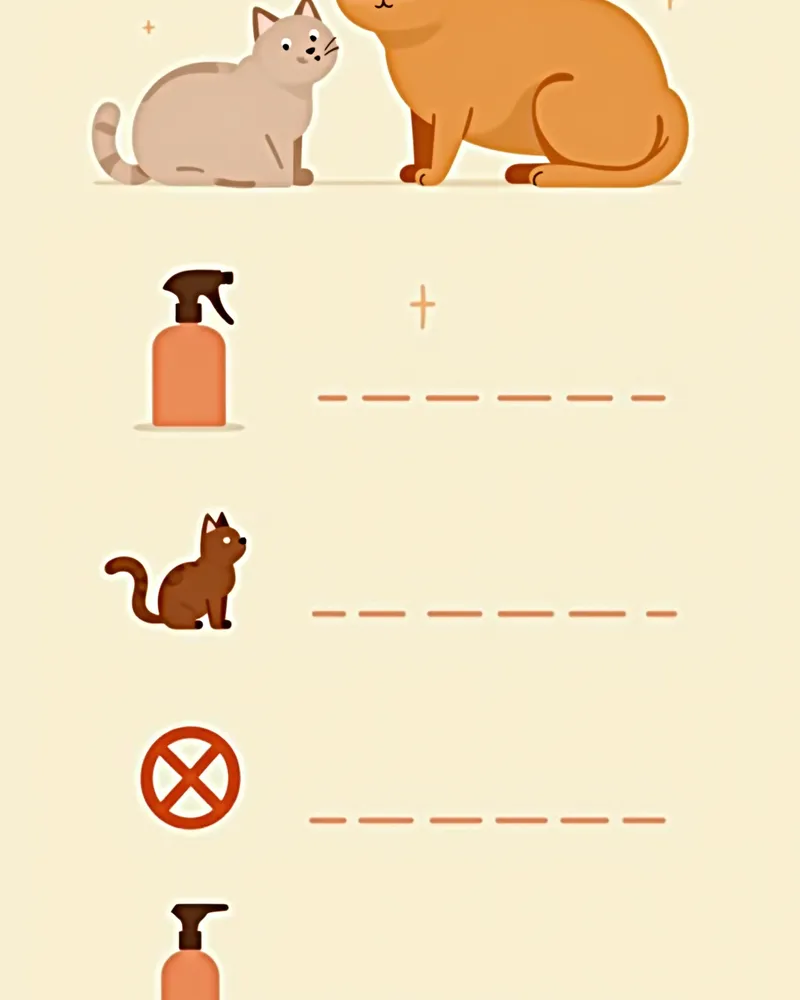
Consistency and cleanliness are key to post-operative care for cats after perineal urethrostomy. Please keep the following tips in mind.
Regular changes: Replace pads immediately when soiled, and ensure that absorbed urine does not come into contact with the skin.
Cleaning routine: Use deodorizers sparingly while monitoring your cat’s reaction, and avoid overuse.
Observation habits: Record your cat’s elimination patterns and behavioral changes daily, and consult your veterinarian if you notice any changes in condition.
Environmental management: For four weeks after surgery, it is best to avoid strong-smelling irritants that your cat might lick.
Ongoing care is essential to prevent recurrence.
Daily Post-Surgery Care Checklist for Cats

Reviewed by a veterinarian

Dr. Tony — Punnawat Phongkittirak

Dr. Tony — Punnawat Phongkittirak

Veterinarian

A veterinarian who majored in veterinary medicine at Khon Kaen University, Thailand, and completed the IVSA program at North Carolina State University in the United States. Drawing on clinical experience at animal hospitals, he works in the pet healthcare field and is dedicated to building a digital care environment that connects pet parents with veterinarians.

Frequently Asked Questions

How often should the post-surgical pad be changed each day?
After surgery, it’s best to replace the pad immediately if it becomes soiled or wet, and you can change it at least once or twice a day. However, depending on your cat’s condition and environment, more frequent changes may be more effective.
Are disinfectants harmful to cats?
Products made with natural ingredients may be relatively safe for cats, but because they can be highly volatile or cause skin irritation upon contact, be sure to wash your hands thoroughly after use and take care to prevent your cat from licking the treated area.
Is it safe to use the odor-removing spray every day?
It’s best to use odor-eliminating sprays judiciously while closely monitoring your cat’s reaction. Overuse is not recommended, as it can cause tactile irritation or behavioral changes.
What should I do if the odor becomes strong during the first week after surgery?
A worsening odor may signal an infection or urinary issues, so use deodorizing sprays cautiously, check your pet’s condition right away, and consult your veterinarian.
What should I do if my cat can’t urinate after surgery?
After surgery, it’s normal for your pet to urinate less frequently or show some discomfort temporarily. However, if they are unable to urinate at all or strain without producing urine, this could indicate a recurrence of obstruction, which is an emergency requiring immediate veterinary attention. Also, contact your vet right away if you notice a loss of appetite or lethargy.

Share

Related Guides

References

[1] Fossum TW. Preoperative and intraoperative care of the surgical patient. In: Fossum TW, Duprey LP, O’Connor D, editors. Small animal surgery. 3rd ed. Boston, MA: Elsevier; 2007.

[2] Hosgood G, Scholl DT. Evaluation of age as a risk factor for perianesthetic morbidity and mortality in the dog. J Vet Emerg Crit Care. 1998;8(3):222-36.

[3] Small Animal Anesthesia and Pain Management A Color Handbook, 3rd Edition. Elsevier; 2021.

This information is based on veterinary literature and does not replace diagnosis or treatment. Please consult a veterinarian for specific health concerns.

Metapet Co., Ltd. | CEO: Park Sung-yong | Business Reg. No. 417-88-02562 | Seoul, South Korea | Customer Center

Cat Perineal Urethrostomy (PU) Care: Top Picks & Criteria | Meongsiljang