Like
Share
멍실장
고양이 신장 섬유증 기전 관리 추천 BEST와 고르는 기준 총정리

7 Key Mechanisms of Feline Renal Fibrosis Progression Explained by a Veterinarian

KidneyTop PicksMeongsiljang Veterinary Advisory Board

Feline renal fibrosis is a chronic condition that leads to declining kidney function, making management of the underlying mechanisms essential. With effective supplements and care strategies, you can help slow the progression of the disease.

Managing the Mechanisms of Feline Renal Fibrosis Is Key to Slowing Disease Progression
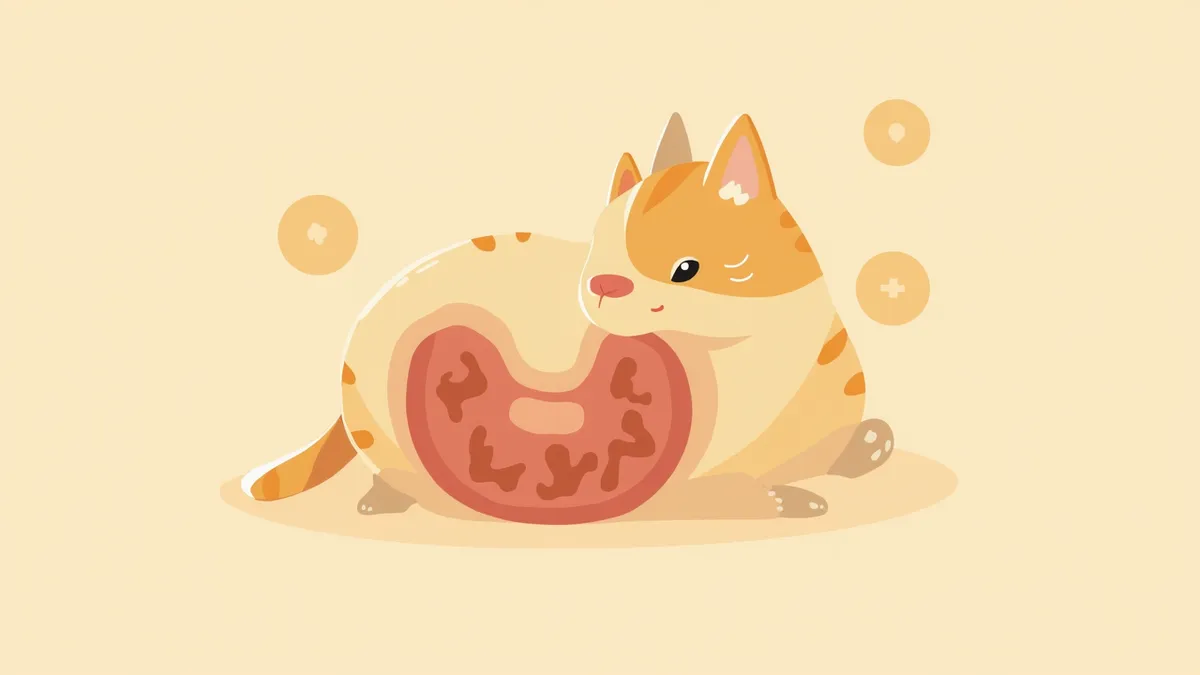
An anatomical image illustrating the mechanism of feline renal fibrosis
Feline renal fibrosis is a chronic condition in which repeated inflammation and fibrosis following kidney cell damage lead to a gradual decline in kidney function. To slow this progression, nutritional supplements and dietary management are essential. - Kidney-supporting ingredients: Omega-3 fatty acids and antioxidants help maintain kidney function by reducing inflammation and minimizing oxidative stress damage. - Ease of administration: It is important to choose a product in a form—capsule, liquid, or powder—that aligns with your cat’s preferences and feeding habits. - Ensuring safety: Products recommended by veterinarians have verified ingredient stability and quality, helping to minimize potential risks. - Long-term management: Consistent daily administration maximizes effectiveness, so it is helpful to establish a fixed time for giving the supplement.

Selection Criteria Should Focus on 4 Key Factors

When choosing a supplement to manage feline renal fibrosis, carefully evaluate four key factors: scientific evidence for the ingredients, safety, ease of administration, and sustained efficacy. - Ingredients with scientific backing: Antioxidants such as vitamin E have been studied for their potential to slow disease progression by reducing oxidative stress associated with chronic kidney disease. Omega-3 fatty acids are also recognized in renal care, making them reliable first choices. In contrast, glucosamine primarily supports joint health, so its efficacy for kidney protection remains uncertain. - Safety first: Choose additive-free products that do not irritate your cat’s stomach to minimize the risk of side effects. - Ease of administration: Select a form—liquid, powder, or capsule—that suits your cat’s preferences to improve compliance. - Sustained efficacy: Prioritize products that contribute to long-term, stable kidney function rather than short-term effects. However, since supplements are only adjunctive, combine them with dietary management and regular veterinary check-ups. Consult your veterinarian to develop a personalized care plan for the safest approach.
A cat eating food that is good for kidney health.

BEST 1: Kidney-Supporting Probiotic Capsules

This product is a probiotic that supports gut microbial balance, with Lactobacillus acidophilus and Bifidobacterium longum as its main ingredients. However, most research on probiotics and prebiotics in cats has been limited to healthy cats or those managing diarrhea, and there is still insufficient evidence to suggest that improving the gut environment directly benefits kidney function. Therefore, it is more accurate to view this product as a supplement to support gut health rather than a treatment for kidney disease. It can be easily administered at one capsule per day, and most cats tend to enjoy it. Nevertheless, the foundation of kidney care remains proper dietary management and regular check-ups. Before introducing this product, be sure to consult your veterinarian to confirm it is suitable for your cat, and always inform them if you are giving it alongside other medications for safety.
Product image of kidney-protective probiotic capsules

BEST 2: Liquid Supplement Rich in Omega-3 Fatty Acids

Omega-3 fatty acids (EPA and DHA) have long been used in the management of chronic kidney disease, as they can help reduce inflammatory responses. This product contains EPA and DHA extracted from fish. - Cat-friendly taste: Its mild, savory flavor encourages cats to consume it naturally. - Easy administration: You can mix the daily recommended dose into your cat’s regular food or treats. - Long-term protective benefits: The degree and timing of effects may vary from cat to cat, so consistent, long-term administration is recommended over short-term use. Regular veterinary check-ups are also advised to monitor progress. - Safety assurance: Choosing a product made without additives can help minimize gastrointestinal burden. However, excessive amounts may cause stomach irritation or diarrhea, so always adhere to the recommended dosage and consult your veterinarian before starting use.
Product image of a liquid omega-3 fatty acid supplement

BEST 3: Glucosamine and Antioxidant Complex Powder

This powdered supplement is formulated primarily with antioxidants and can be easily mixed into your pet’s food or water. Research suggests that antioxidants like vitamin E may help slow disease progression by reducing oxidative stress associated with chronic kidney disease. However, the included glucosamine is mainly intended to support joint health, and there is no evidence that it directly protects kidney cells. Therefore, it’s best to view this ingredient as supplementary rather than expecting specific renal benefits. - Antioxidant-focused: Antioxidants such as vitamin E may help alleviate oxidative stress. - Cat-friendly: Its odorless and colorless formula won’t interfere with your cat’s appetite. - Suitable for long-term management: For best results, administer once daily at the recommended dosage consistently over time. - Consult before use: Discuss with your veterinarian before starting to ensure the product is safe and appropriate for your pet’s specific needs.
Image of a powdered supplement combining glucosamine and antioxidants

Comparison Table of Products BEST 1–3

ItemBEST 1 Probiotic CapsuleBEST 2 Omega-3 LiquidBEST 3 Glucosamine·Antioxidant Powder
Key IngredientsLactobacillus acidophilus, Bifidobacterium longumEPA, DHA (Omega-3)Glucosamine, Vitamin E, Selenium
FormulationCapsuleLiquidPowder
Daily Dosage1 tablet1ml1 teaspoon
BenefitsSupports gut health (evidence for kidney effects is limited)Helps ease inflammatory responseAntioxidants such as Vitamin E ease oxidative stress
NoteFor cats whose gut health you want to support as wellFor cats managing inflammation concurrentlyFor senior cats or those in early stages of declining kidney function (glucosamine is a joint ingredient)

Use as a supplement, but the basics of kidney care are dietary management and regular check-ups. Always consult your veterinarian before use.

Side Effects May Occur with Overdose

Supplements can cause indigestion or diarrhea if consumed in excess. In particular, liquid omega-3 supplements may irritate a cat’s stomach, so do not exceed the recommended dosage. If any unusual symptoms appear during use, stop administration immediately and consult your veterinarian.

Usage Tip: Consistency Is Most Important

Managing the mechanisms of renal fibrosis is less about short-term results and more about long-term consistency. Establishing a routine of administering the treatment at the same time each day will yield more pronounced benefits. You can mix it with your cat’s food or offer it like a treat to make administration easier. If you notice any adverse reactions during use, stop immediately and consult your veterinarian. Collaborating with your vet to create a management plan will help you achieve more stable outcomes. With consistent care, you can significantly improve your cat’s quality of life.
Calendar image for managing the schedule of supplement intake

Reviewed by a veterinarian

Dr. Tony — Punnawat Phongkittirak

Dr. Tony — Punnawat Phongkittirak

Veterinarian

A veterinarian who majored in veterinary medicine at Khon Kaen University, Thailand, and completed the IVSA program at North Carolina State University in the United States. Drawing on clinical experience at animal hospitals, he works in the pet healthcare field and is dedicated to building a digital care environment that connects pet parents with veterinarians.

Frequently Asked Questions

When should I start giving my pet nutritional supplements?
It can be considered as a supportive measure from the early stages of kidney function decline. However, it is safest to have your veterinarian determine the appropriate starting time based on test results.
Can I recommend the same product for all cats?
No. The right product depends on your cat’s age, weight, and any underlying health conditions. Please consult your veterinarian before choosing.
Will supplements alone be effective?
Supplements are only part of the management plan. In chronic kidney disease, dietary management is known to improve survival and quality of life, so it must always be combined with adequate hydration and regular check-ups.
Is it okay to take this medication along with other drugs?
Some supplements and medications may interact with kidney disease or require dosage adjustments. Be sure to inform your veterinarian before administering any products.
How long does it take to see results?
The time it takes for effects to appear varies depending on the individual pet and the stage of the disease, so it’s difficult to give a one-size-fits-all answer. Rather than expecting quick results, it’s important to administer the product consistently and monitor progress through regular kidney function tests.

Share

Related Guides

References

[1] Langston, C.E. et al. (2023) Small Animal Critical Care Medicine, 3rd Edition. Elsevier.

[2] The Cat, Clinical Medicine and Management, 2nd Edition (2022). Elsevier.

[3] Plumb's Veterinary Drug Handbook, 9th Edition (2023). Wiley.

This information is based on veterinary literature and does not replace diagnosis or treatment. Please consult a veterinarian for specific health concerns.

Metapet Co., Ltd. | CEO: Park Sung-yong | Business Reg. No. 417-88-02562 | Seoul, South Korea | Customer Center

7 Mechanisms Behind Feline Renal Fibrosis Progression | Meongsiljang