Like
Share
멍실장
고양이 만성신부전 처방식 추천 TOP 5 — 단계별 단백 조절

Top 5 Prescription Diets for Cats with Chronic Kidney Disease — Stage-Specific Protein Adjustment

KidneyTop PicksMeongsiljang Veterinary Advisory Board

We compare five prescription diets formulated with adjusted protein and phosphorus levels for cats with chronic kidney disease (CKD) at various stages. We’ve also outlined which diet is appropriate for each IRIS stage 1–4, along with key nutritional indicators that pet owners should check themselves.

How to Choose the Right Renal Diet for Your Cat?
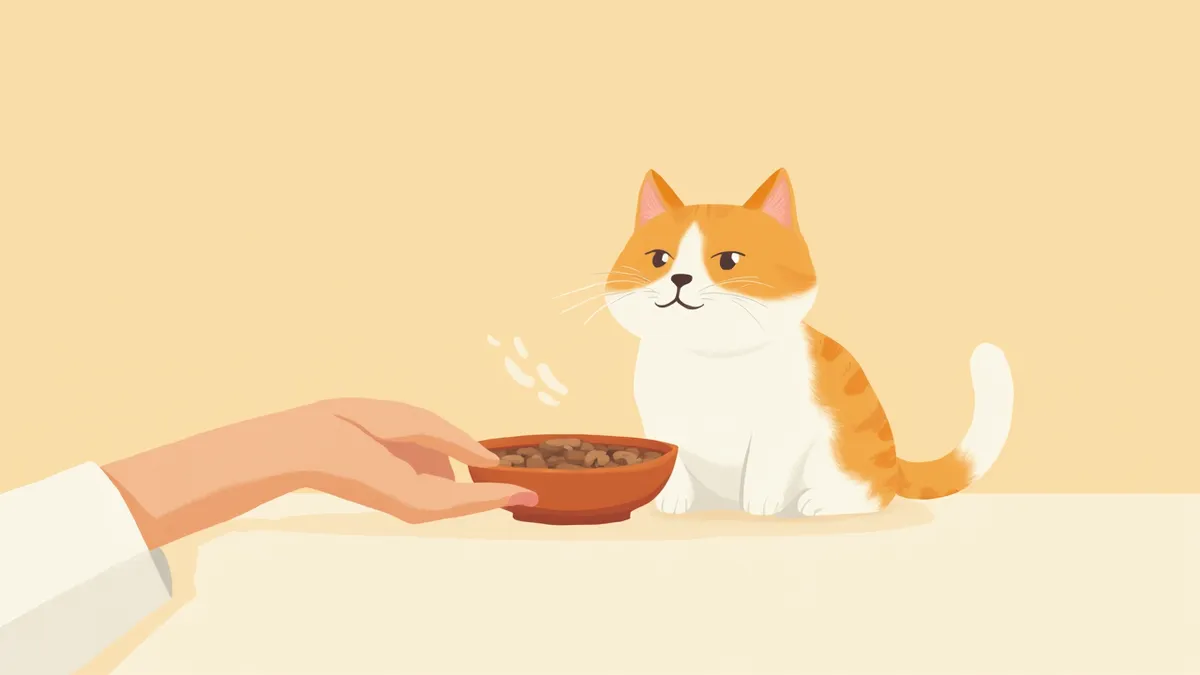
A senior cat on a prescription renal diet
Prescription renal diets for cats are formulated to reduce the burden on the kidneys of cats with chronic kidney disease by controlling phosphorus, protein, and sodium, and by adding omega-3 fatty acids. The most critical aspect is adjusting phosphorus and protein levels according to the IRIS stage. Textbook guidelines generally recommend therapeutic renal diets starting from IRIS stage 2, with serum phosphorus targets managed progressively lower as the disease advances (below 4.5 mg/dL for stage 2, 5.0 mg/dL for stage 3, and 6.0 mg/dL for stage 4). Conversely, excessive restriction of protein and phosphorus in stages 1 and 2 has been reported to cause adverse effects. Leaving a cat on regular food can allow proteinuria to contribute to disease progression and reduced survival. Therefore, the standard recommendation after diagnosis is to confirm the IRIS stage with your veterinarian and transition to a prescription diet at the appropriate time.

5 Key Nutritional Indicators to Check When Selecting a Prescription Diet

When comparing renal prescription diets, there are key nutritional components you should review together. However, there is no universally standardized absolute benchmark such as “above or below a certain percentage” across all products. Instead, veterinary textbooks emphasize the “direction of adjustment” for the following nutrients: - Phosphorus: Restriction is essential. Target serum phosphorus levels vary by stage: below 4.5 mg/dL for IRIS Stage 2, below 5.0 mg/dL for Stage 3, and below 6.0 mg/dL for Stage 4. Dietary restriction is used to meet these targets, with phosphate binders added if necessary. - Protein: Moderately restricted, focusing on high-quality protein. Excessive restriction should be avoided due to the risk of muscle loss. - Sodium: Formulated to be moderately reduced, avoiding excess. - Omega-3 fatty acids (EPA and DHA): Included to help protect the glomeruli. - Potassium and antioxidants (vitamins E and C): Added to help prevent hypokalemia and reduce oxidative stress. Veterinary textbooks present these elements—phosphorus and protein restriction, sodium reduction, and supplementation with omega-3s, potassium, and antioxidants—as common features of renal prescription diets. However, for accurate information, you should always check the manufacturer’s guaranteed analysis for specific nutrient levels in each product.
Comparing the nutritional components of kidney prescription diets.

Top 5 Feline Renal Prescription Diets — Comparison of Protein, Phosphorus, and Calories

ItemHill's k/dRoyal Canin RenalPurina NFForgien NFSanos Renal
Protein (DM%)28.5%29.0%30.5%31.0%33.0%
Phosphorus (DM%)0.40%0.39%0.50%0.45%0.55%
Sodium (DM%)0.22%0.20%0.25%0.22%0.24%
Omega-30.95%0.66%0.55%0.50%0.42%
Calories (kcal/100g)398398395405390
Recommended IRIS stageStages 2–4Stages 2–4Stages 2–3Stages 2–3Stage 2
PalatabilityAverageExcellentExcellentAverageAverage

Manufacturer-published guaranteed nutrient values as of May 2026. Actual content may vary by lot. Therapeutic renal diets (prescription diets) are generally recommended from IRIS stage 2, and as the stage progresses, lower serum phosphorus targets are aimed for (from ≤4.5 at stage 2 to ≤6.0 mg/dL at stage 4).

No. 1. Hill’s k/d — Standard Prescription for Advanced Stages (IRIS Stages 3–4)
Hill’s k/d is a prescription diet formulated with reduced protein (28.5%) and phosphorus (0.40%) to suit pets in advanced kidney disease stages (IRIS stages 3–4). As the disease progresses, it becomes increasingly important to restrict dietary phosphorus to meet lower target serum phosphorus levels (below 6.0 mg/dL for stage 4). - Enhanced EPA and DHA: Contains 0.95%, the highest among comparable products (manufacturer-guaranteed value) - Contains L-carnitine: A key feature of this formula - Enhanced with antioxidant vitamins (E and C): Antioxidants such as vitamins E and C may help protect the kidneys by reducing oxidative stress Since palatability may be somewhat lower, we recommend mixing it with the wet food version from the same brand if your pet refuses to eat it. Most importantly, remember that ensuring your pet consumes an adequate amount is essential for the prescription diet to be effective.
A senior cat in front of a prescription diet food bowl

No. 2. Royal Canin Renal — The Balance Between Palatability and Nutritional Balance

Royal Canin Renal contains 29% protein and 0.39% phosphorus, levels comparable to Hill’s k/d, but it generally offers better palatability with fewer cases of food refusal. - Variety of flavors (tuna/chicken/beef): Easier for picky cats to accept - Extensive wet and dry product lines: Helps increase water intake - Can be fed as a combination of dry food and pouches If your cat initially refuses prescription diets, I recommend starting with Royal Canin Renal. Once their acceptance stabilizes, you can gradually compare it with other products.

No. 3. Purina NF — For Early to Mid-Stage (IRIS Stages 1–3)

Purina NF is a prescription diet suitable for mid-stage (IRIS stage 2–3) kidney failure, with 30.5% protein and 0.50% phosphorus. Its moderate protein restriction places less burden on senior cats, for whom preserving muscle mass is crucial (excessive protein restriction can increase the risk of muscle loss). - Low phosphorus (0.50%) + adequate protein: Reduces phosphorus load while supporting muscle preservation - Soft texture: Easier to eat for seniors with dental issues - Ensures sufficient intake: Prescription diets are only effective if cats eat enough of them If the condition progresses to stages 3–4, it’s necessary to switch to the top two products, which have even lower phosphorus levels.
A side-by-side comparison of dry and wet prescription diets.

No. 4. Posien NF — Domestic Prescription Diet at a Reasonable Price Point

Posien NF is a prescription diet suitable for IRIS stages 2–3, with 31% protein and 0.45% phosphorus. It costs about 20–30% less than the top two products, reducing the financial burden of long-term feeding. - Stable distribution through domestic veterinary hospitals - Small-package lineup: Less commitment when trying it for the first time - Dietary management offers better kidney protection than regular food: Kidney prescription diets have been shown to improve survival and quality of life. However, its EPA and DHA content is 0.50%, which is lower than that of the top two products, making it a step below in terms of omega-3 supplementation for glomerular protection.

No. 5. Sanos Renal — Option to Minimize Protein Burden in Early Stages (IRIS Stages 1–2)

Sanos Renal has the highest protein content (33%) among the compared diets, with a phosphorus level of 0.55%. Excessive protein restriction can lead to muscle loss, so this formula is particularly beneficial for cats in the relatively early stages of kidney disease (IRIS Stage 2), where maintaining muscle mass is crucial. - Ideal for preserving muscle mass in older cats (avoids excessive protein restriction) - However, not recommended for IRIS Stages 3–4 (advanced stages require lower serum phosphorus targets, making 0.55% phosphorus somewhat high) - Regular blood test monitoring is essential (track serum creatinine, SDMA, and phosphorus levels) It is best to consult your veterinarian to confirm the IRIS stage and choose this diet for earlier stages, such as Stage 2.

3 Critical Points Not to Miss When Transitioning to a Prescription Diet

Kidney prescription diets contain lower levels of protein and phosphorus than regular food, so sudden changes often lead to refusal. To avoid this, gradually transition over 7–10 days by mixing the new food with the old in increasing proportions: 25%, then 50%, then 75%, and finally 100%. Additionally, it’s standard practice to recheck serum creatinine, SDMA, and phosphorus levels 4–6 weeks after starting the prescription diet to assess its effectiveness. Lastly, insufficient water intake can significantly reduce the benefits of the prescription diet, so consider incorporating wet food or using an automatic water dispenser to encourage hydration.

Reviewed by a veterinarian

Dr. Tony — Punnawat Phongkittirak

Dr. Tony — Punnawat Phongkittirak

Veterinarian

A veterinarian who majored in veterinary medicine at Khon Kaen University, Thailand, and completed the IVSA program at North Carolina State University in the United States. Drawing on clinical experience at animal hospitals, he works in the pet healthcare field and is dedicated to building a digital care environment that connects pet parents with veterinarians.

Frequently Asked Questions

My cat refuses to eat kidney prescription food. What should I do?
If your cat refuses only dry food, try mixing it 1:1 with the wet version from the same brand; many cats will accept this combination. If they still refuse to eat, switch to a different brand. However, if your cat hasn’t eaten for more than 24 hours, contact your vet immediately, as cats are at risk of developing fatty liver disease.
Do kidney prescription diets need to be fed for life?
Chronic kidney disease is a progressive condition, so once diagnosed, lifelong feeding of a prescription diet is the standard of care. As the disease advances, the diet should be adjusted to a formula with even lower levels of phosphorus and protein.
Can’t I just use a phosphate binder with regular pet food instead of a prescription diet?
Activated charcoal is a supportive measure, not a replacement for a prescription diet. Prescription diets play a crucial role in comprehensively protecting the kidneys by providing high-quality protein, omega-3 fatty acids, and antioxidants. Using both together yields the best results.
Can I feed a healthy cat a kidney prescription diet as a preventive measure to protect its kidneys?
I don’t recommend it. Severely restricting protein in a healthy cat can lead to muscle loss. If your goal is kidney support, ensuring adequate hydration and scheduling regular health check-ups (including SDMA testing) are more effective strategies than relying on prescription diets.
I started the prescription diet, but my pet’s creatinine levels went up even more. Does that mean it’s not working?
We evaluate the effectiveness of the prescription at 4–6 weeks. Short-term fluctuations in values can also occur due to dehydration, changes in food intake, or differences in testing times. For accurate assessment, consult your veterinarian and review SDMA, urine specific gravity, and proteinuria together.

Share

Related Guides

References

[1] Chew DJ, DiBartola SP, Schenck PA. Canine and Feline Nephrology and Urology, 2nd Ed. Elsevier Saunders, 2011.

[2] Fascetti AJ, Delaney SJ. Applied Veterinary Clinical Nutrition, 2nd Ed. Wiley-Blackwell, 2024.

[3] International Renal Interest Society (IRIS). IRIS Staging of CKD, 2023 revision.

[4] Ettinger SJ, Feldman EC, Cote E. Textbook of Veterinary Internal Medicine, 8th Ed. Elsevier, 2017.

This information is based on veterinary literature and does not replace diagnosis or treatment. Please consult a veterinarian for specific health concerns.

Metapet Co., Ltd. | CEO: Park Sung-yong | Business Reg. No. 417-88-02562 | Seoul, South Korea | Customer Center

Top 5 Prescription Diets for Cats with CKD by IRIS Stage | Meongsiljang