Like
Share
멍실장
중성화 후 편안한 상태의 강아지

7 Recommended Products for Managing Hormonal Changes After Dog Neutering, as Advised by Veterinarians

EndocrineTop PicksMeongsiljang Veterinary Advisory Board

We provide comprehensive guidance on recommended products and selection criteria to effectively manage behavioral, weight, and health issues caused by hormonal changes after neutering your dog.

Managing Hormonal Changes After Dog Neutering is Essential
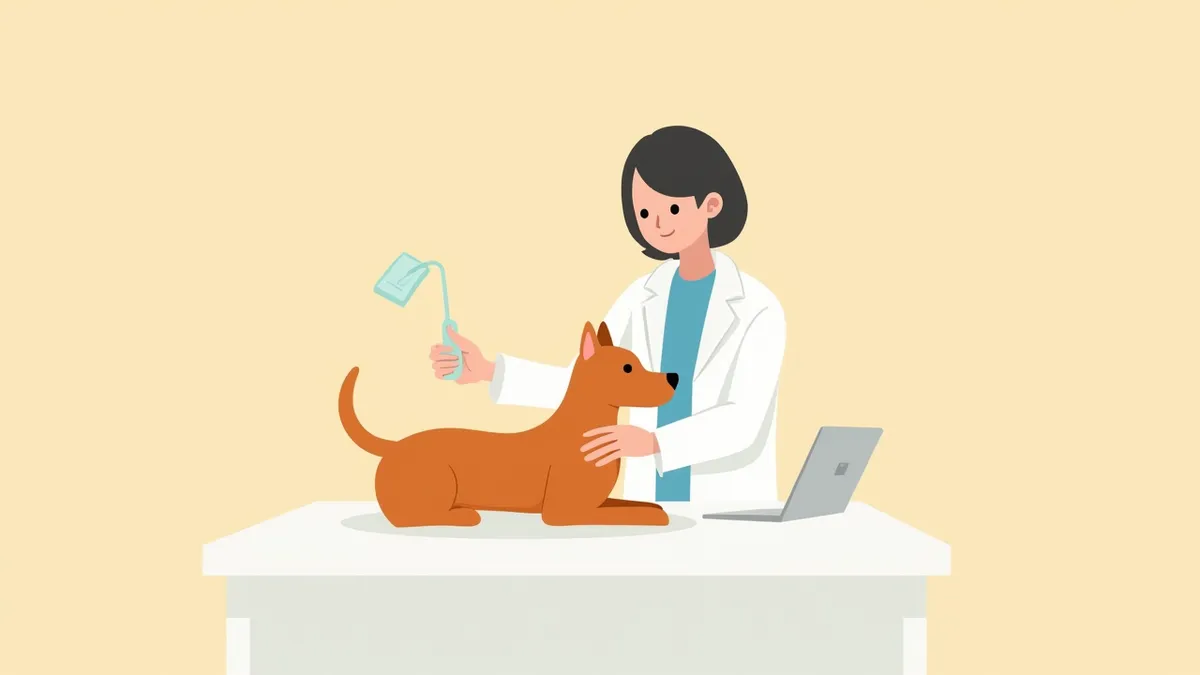
A veterinarian examining a neutered puppy.
After neutering, dogs experience a drop in sex hormones, which slows their metabolism and increases their appetite, making them prone to weight gain. While this is a natural physiological transition, inadequate management can lead to obesity and raise the risk of health issues such as joint problems. Therefore, proper nutrition and lifestyle adjustments are essential. Since caloric needs decrease after neutering, it helps to adjust portion sizes or switch to a weight-management formula. Additionally, maintain consistent physical activity and monitor changes through regular weigh-ins. Because ideal body weight and feeding guidelines vary by individual, consulting your veterinarian to create a personalized management plan is the most effective approach.

Key Information: Managing Hormonal Changes After Neutering
There are key care guidelines to help maintain your dog’s health after neutering. - Calorie control: Since metabolic rate and caloric needs decrease after neutering, managing calorie intake is essential to prevent weight gain. - Portion control: Appetite may increase after surgery, so adjusting portion sizes and reducing treats is more helpful than continuing with the same amount of food. - Weight management diet: Switching to a diet formulated for post-neutering weight management can help prevent obesity. - Regular activity: Maintaining an active lifestyle through regular play and exercise is effective for weight control. - Regular monitoring: Weigh your dog periodically to track any changes. Since ideal weight varies by individual, consult your veterinarian to determine the appropriate target, ensuring stable and comprehensive health management after neutering.
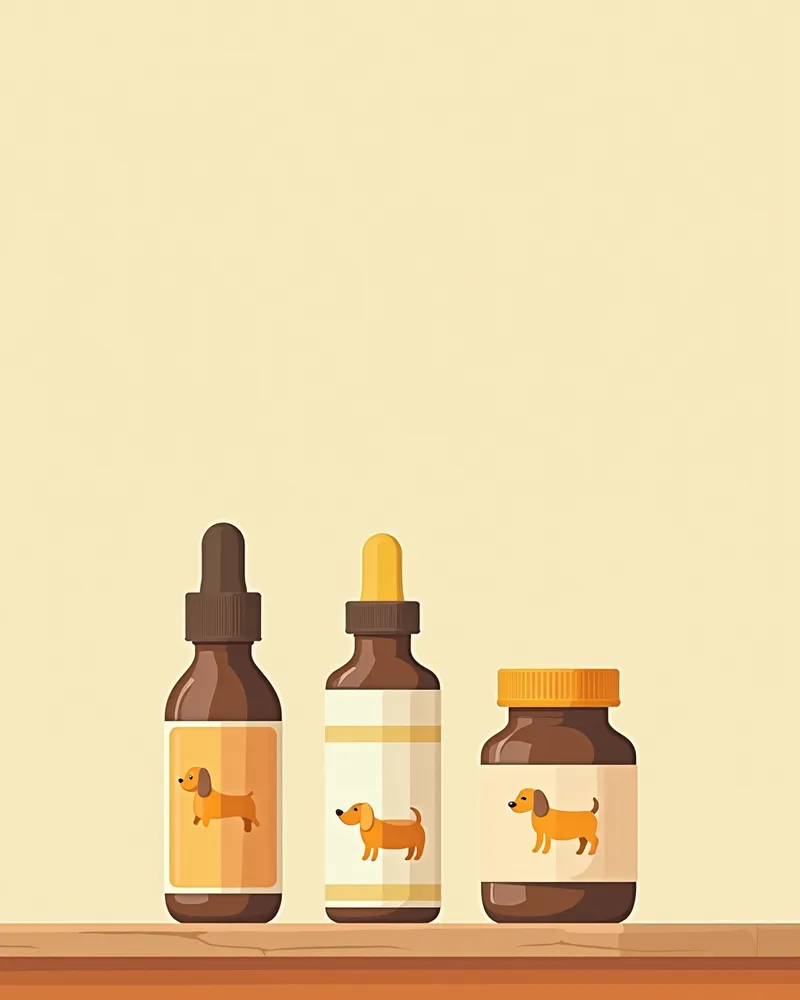
Comparison image of three types of dog supplements

Key Information 1: What Changes Occur After Neutering?
Neutering reduces sex hormone levels, which triggers several physical changes in your pet. The most common effects are a slower metabolism and increased appetite, making weight gain more likely. While behaviors like mounting, roaming, and territorial marking often decrease, these behavioral changes can vary significantly from one animal to another. Although weight fluctuations are a natural part of the process, failing to manage them can lead to obesity and subsequent issues such as joint problems, so it’s important to stay informed and proactive.
Dog supplement capsules containing glucosamine and omega-3

Key Information 2: How to Manage Weight and Diet
After neutering, your pet’s caloric needs decrease, so feeding the same amount can easily lead to weight gain. Adjusting portion sizes, switching to a weight-management formula designed for neutered pets, and reducing treats can help. Regular play and exercise maintain activity levels, while periodic weigh-ins allow you to monitor changes. Since ideal weight and appropriate feeding amounts vary by individual, consult your veterinarian to determine the right guidelines for your pet.
Dog food mixed with a high-protein dietary supplement

Key Information 3: When to Consult a Veterinarian

If your pet’s weight increases too rapidly after neutering, or if they show significant changes from their usual behavior—such as a loss of appetite or lethargy—it’s a good idea to have them examined by a veterinarian. These symptoms might indicate an underlying health issue rather than just hormonal changes. The same applies if you notice sudden behavioral changes or urinary problems. Keeping a record of any changes observed at home can help the veterinarian assess your pet’s condition more accurately.
A dog supplement containing probiotics and dietary fiber.

Points to Note Regarding Hormonal Changes After Neutering

ItemKey points
Main changesWeight gain from lowered metabolism and increased appetite; decreased heat-related behaviors
Weight managementAdjust feeding amounts, use management diets, reduce treats, regular exercise
MonitoringPeriodic weight measurement and maintaining activity level
Warning signsSeek examination if there is rapid weight change, lethargy, or behavioral change
ConsultationSet the appropriate weight and feeding standards in consultation with your veterinarian

This is not a table recommending specific products or clinics, but a reference for when you consult your veterinarian. Treatment and testing decisions must always be made together with your veterinarian through an examination.

Caution: Excessive Feeding Leads to Weight Gain

After neutering, your dog’s energy expenditure decreases, so maintaining the same amount of food and treats can lead to overweight. Be sure to consult your veterinarian to adjust the feeding amount according to your dog’s weight. Obesity caused by overfeeding can lead to health risks such as joint problems, so caution is necessary.

Usage Tips: Effective Management Methods
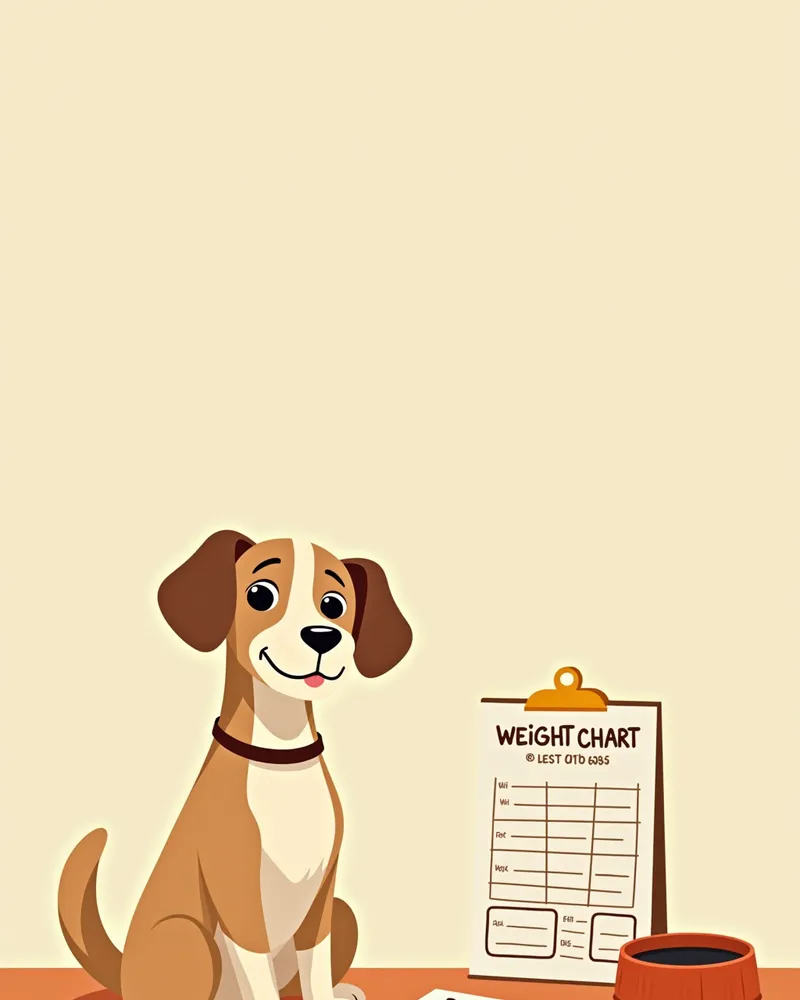
To effectively manage your dog’s hormonal changes after neutering, daily habits play a crucial role. Make sure to set aside regular playtime each day to increase their physical activity. Using toys your dog enjoys can naturally encourage exercise. Feed the exact amount of food recommended by your veterinarian, and minimize treats as much as possible. It’s also essential to regularly weigh your dog to monitor any changes. Additionally, help maintain emotional stability by changing their environment or introducing new types of play. Consistent daily care combined with proper dietary management will support long-term health.
Puppy Weight and Exercise Log

Reviewed by a veterinarian

Dr. Tony — Punnawat Phongkittirak

Dr. Tony — Punnawat Phongkittirak

Veterinarian

A veterinarian who majored in veterinary medicine at Khon Kaen University, Thailand, and completed the IVSA program at North Carolina State University in the United States. Drawing on clinical experience at animal hospitals, he works in the pet healthcare field and is dedicated to building a digital care environment that connects pet parents with veterinarians.

Frequently Asked Questions

Why do dogs suddenly gain weight after being neutered?
After neutering, the drop in sex hormones can slow your pet’s metabolism and reduce energy expenditure, while appetite may increase, leading to weight gain. This is a normal physiological change.
When should I start giving my pet nutritional supplements?
After neutering, managing calorie intake and portion sizes takes priority over supplements. Once your pet has fully recovered from surgery, it’s safest to consult your veterinarian about whether a weight-management diet or supplements are necessary, and when to start them.
Will my dog refuse to eat if I change their food?
Since dogs may refuse a new food, it's best to transition gradually over several days by mixing a small amount of the new food with their current food. Start with a low proportion of the new food and slowly increase it.
Do probiotics help the gut?
The effectiveness of probiotics can vary depending on the individual pet and the specific product. If your pet is experiencing digestive symptoms or you're considering using a supplement, it's safest to consult with your veterinarian to determine whether it's necessary and likely to be effective.
What should I do if my pet’s weight keeps increasing?
If your pet’s weight continues to rise, consult your veterinarian to develop a tailored plan that may include dietary adjustments, an exercise routine, and diagnostic tests if needed. It’s also important to rule out any underlying medical conditions.

Share

Related Guides

References

[1] The Dog Care Handbook, Things I Wish My Vet Had Told Me, 2024

[2] Handbook on Field Veterinary Surgery, Ch19: Ovariohysterectomy in Canines and Felines, 2023

[3] Plumb's Veterinary Drug Handbook, 10th Edition, 2022

This information is based on veterinary literature and does not replace diagnosis or treatment. Please consult a veterinarian for specific health concerns.

Metapet Co., Ltd. | CEO: Park Sung-yong | Business Reg. No. 417-88-02562 | Seoul, South Korea | Customer Center

7 Vet-Recommended Products for Post-Neuter Hormone Care | Meongsiljang