Like
Share
멍실장
강아지 노령견 건강검진 항목 관리 추천 BEST와 고르는 기준 총정리

Top 3 Recommended Senior Dog Health Screening Items and Selection Criteria

Lifestyle & Age CareTop PicksMeongsiljang Veterinary Advisory Board

Here are the top three essential health screening items to check for maintaining the health of senior dogs. I’ll explain the importance and selection criteria for each item.

What to Include in Senior Dog Health Screening Items

An elderly dog waiting for a health checkup at the veterinary clinic.
A senior dog health checkup is a comprehensive examination designed to detect internal health issues early on. Regular checkups are especially recommended for dogs aged seven and older, as their risk of developing chronic conditions increases. Senior dogs often experience comorbidities, where multiple conditions occur simultaneously, leading to complex symptoms; therefore, early assessment is crucial.
Blood tests: Evaluate overall organ function and blood health.
Urinalysis: Assess kidney function and screen for diabetes.
Echocardiogram: Detect structural and functional heart abnormalities at an early stage.
Thyroid function test: Evaluate for thyroid hormone imbalances.
These checkup components play a vital role in the early detection and prevention of diseases.

Criteria for Selecting Senior Dog Health Screening Items
When selecting health screening tests for senior dogs, be sure to follow three key criteria. First, the tests must offer high accuracy and reliability. Verify that the veterinary clinic uses methods recognized by the veterinary medical community. Cost-effectiveness is also an important consideration. Rather than opting for expensive tests, it is better to choose screenings that comprehensively diagnose the most common conditions in senior dogs. Finally, consider how easy it is to manage care after the testing. Ideally, you should choose screenings with clear result interpretations and those that facilitate easy consultation with your veterinarian. By selecting screening items based on these three criteria, both you and your dog can have a comfortable and reassuring check-up experience.
A veterinarian reviewing the health check-up results of a senior dog.

BEST 1: Comprehensive Blood Test Panel
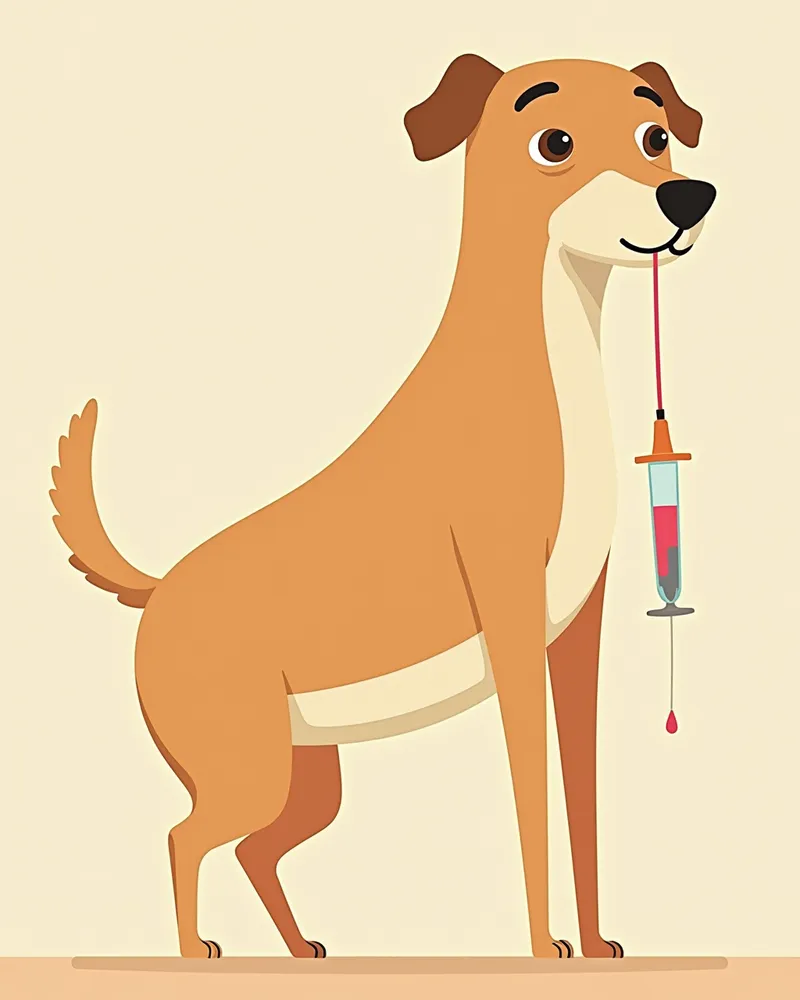
The most fundamental part of a senior dog’s health checkup is the comprehensive blood test panel. This test allows you to assess liver, kidney, blood, and metabolic status all at once.
Hemoglobin and red blood cell count: Checks for anemia.
Serum creatinine: The primary indicator most widely used to evaluate kidney function.
Serum aminotransferase: Detects abnormalities in liver function.
Blood glucose level: A reference indicator for determining whether diabetes is present.
The test takes about 10 minutes, and most clinics can provide results immediately. It is one of the most effective items for evaluating the overall health status of senior dogs.
A veterinarian drawing blood from an elderly dog

BEST 2: Urinalysis + Kidney Function Evaluation
In senior dog health checkups, urinalysis provides important data for evaluating kidney function. Chronic kidney disease often shows few early signs because blood values remain normal until kidney function is significantly impaired, making early detection through urinalysis especially important.
Urine protein concentration: Helps determine whether kidney damage is present.
Urine concentration (specific gravity): Assesses the kidneys’ ability to concentrate urine; a gradually decreasing trend can aid in the early detection of kidney disease.
Urine pH: A basic test that checks the acidity of the urine.
Urine cell examination: Identifies the presence of infection.
This test is easy to collect and allows the veterinarian to review results immediately. It is one of the key components in maintaining kidney health in senior dogs.
A veterinarian performing a urinalysis on a senior dog.

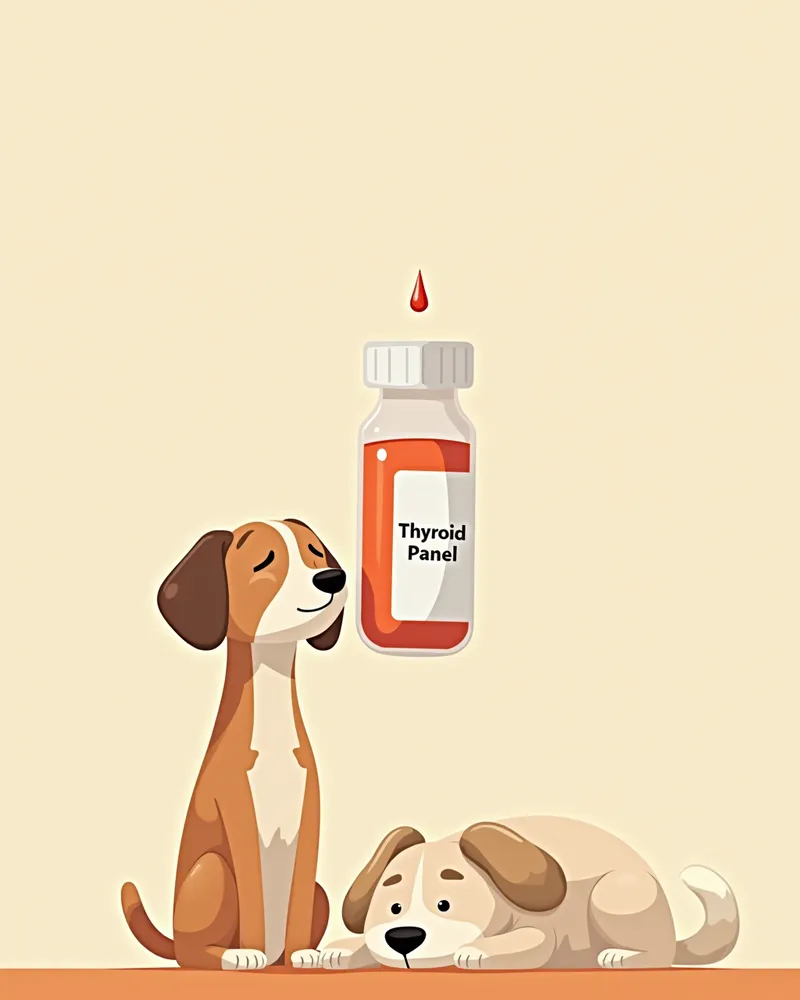
BEST 3: Thyroid Function Test

Hypothyroidism is a common condition considered during health checkups for senior dogs. This test measures thyroid hormone levels to determine if there are any abnormalities.
T4 (Total Thyroxine, TT4) Level: This is the primary screening indicator for hypothyroidism. If the level falls within the normal range, the likelihood of hypothyroidism is low.
Free T4 Level: This is a confirmatory test performed when TT4 levels are low, helping to more accurately assess the actual level of active hormones.
This test is conducted alongside a blood test and helps in the early detection of symptoms associated with hypothyroidism, such as lethargy, obesity, and skin or coat abnormalities like hair loss. However, a low TT4 level alone is not sufficient for a definitive diagnosis, so additional testing may be required. This evaluation can help improve the quality of life for senior dogs.
A veterinarian holding a blood sample for a thyroid test in a senior dog

Comparison Table of BEST 1–3 Health Screening Items

ItemMain PurposeTest DurationRecommended Frequency
Comprehensive Blood Test PanelChecks liver, kidney, blood, and metabolic status10–15 minutesAt least once a year
Urinalysis + Kidney Function EvaluationEarly detection of chronic kidney disease15–20 minutesAt least once a year
Thyroid Function TestEvaluates thyroid dysfunction20–30 minutesAt least once a year

For all tests, the veterinarian checks results immediately after collecting a blood or urine sample. For senior dogs, checkups at least once a year are recommended.

Caution: Contraindications Before Screening

Before undergoing a senior dog health checkup, be sure to review any contraindications. While some tests require fasting, it’s important to follow your veterinarian’s instructions. Also, be sure to inform your vet if your dog is currently taking any medications or has underlying health conditions. Ignoring contraindications before the checkup can lead to inaccurate results.

Tips for Using Senior Dog Health Screening Items

To get the most out of senior dog health screenings, follow a few key tips before and after the exam. First, keep a record of your dog’s usual eating habits and any behavioral changes. Providing accurate information to your veterinarian leads to more precise diagnoses.
Interpreting Results: Review the results carefully with your veterinarian. If any abnormalities are found, discuss additional tests or treatment plans together.
Record Keeping: Consistently documenting screening results allows you to monitor health changes over the long term.
Scheduling Regular Screenings: Ensure your dog undergoes at least one screening per year. Early detection is key to effective treatment.
Health Record Notebook for Senior Dogs

Reviewed by a veterinarian

Dr. Tony — Punnawat Phongkittirak

Dr. Tony — Punnawat Phongkittirak

Veterinarian

A veterinarian who majored in veterinary medicine at Khon Kaen University, Thailand, and completed the IVSA program at North Carolina State University in the United States. Drawing on clinical experience at animal hospitals, he works in the pet healthcare field and is dedicated to building a digital care environment that connects pet parents with veterinarians.

Frequently Asked Questions

When is the best time to start getting health check-ups for senior dogs?
We recommend regular health check-ups for pets aged 7 and older. For those 10 years or older, consider scheduling at least one check-up per year.
What is the most important item in the checkup?
A comprehensive blood test panel is a fundamental diagnostic tool for evaluating overall organ function, providing essential insights into the health status of senior dogs.
What should I do if the check-up results show abnormalities?
Consult with your veterinarian to discuss additional tests and develop a treatment plan together. Early detection is key to effective treatment.
Are senior dog health checkups expensive?
Most checkups cost around $40, and some items may be covered by insurance. Since prices can vary by clinic, it’s a good idea to confirm in advance.
How can I keep my dog calm before a check-up?
Letting your pet go for a walk or play as usual before their checkup can help ease their tension. Before heading to the clinic, allow them to rest in a quiet environment.

Share

Related Guides

References

[1] American Veterinary Medical Association (2023) Guidelines for Senior Dog Wellness Examinations. AVMA Publications.

[2] Hosgood, G. et al. (2021) Canine Geriatric Health Screening: A Practical Approach. Journal of Veterinary Internal Medicine, 35(4), 1234–1245.

[3] Veterinary Information Network (VIN) (2022) Senior Dog Health Screening: What to Test and When. VIN Clinical Update Series.

This information is based on veterinary literature and does not replace diagnosis or treatment. Please consult a veterinarian for specific health concerns.

Metapet Co., Ltd. | CEO: Park Sung-yong | Business Reg. No. 417-88-02562 | Seoul, South Korea | Customer Center

Top 3 Senior Dog Health Screening Tests & How to Choose | Meongsiljang