Like
Share
멍실장
강아지 갑상선 결절·낭종 관리 추천 BEST와 고르는 기준 총정리

7 Key Tips from Veterinarians for Managing Thyroid Nodules and Cysts in Dogs

EndocrineTop PicksMeongsiljang Veterinary Advisory Board

While thyroid nodules and cysts in dogs are typically asymptomatic, they require careful monitoring depending on their size and characteristics. The key is to manage them through regular check-ups with your veterinarian.

What Are Thyroid Nodules and Cysts in Dogs?
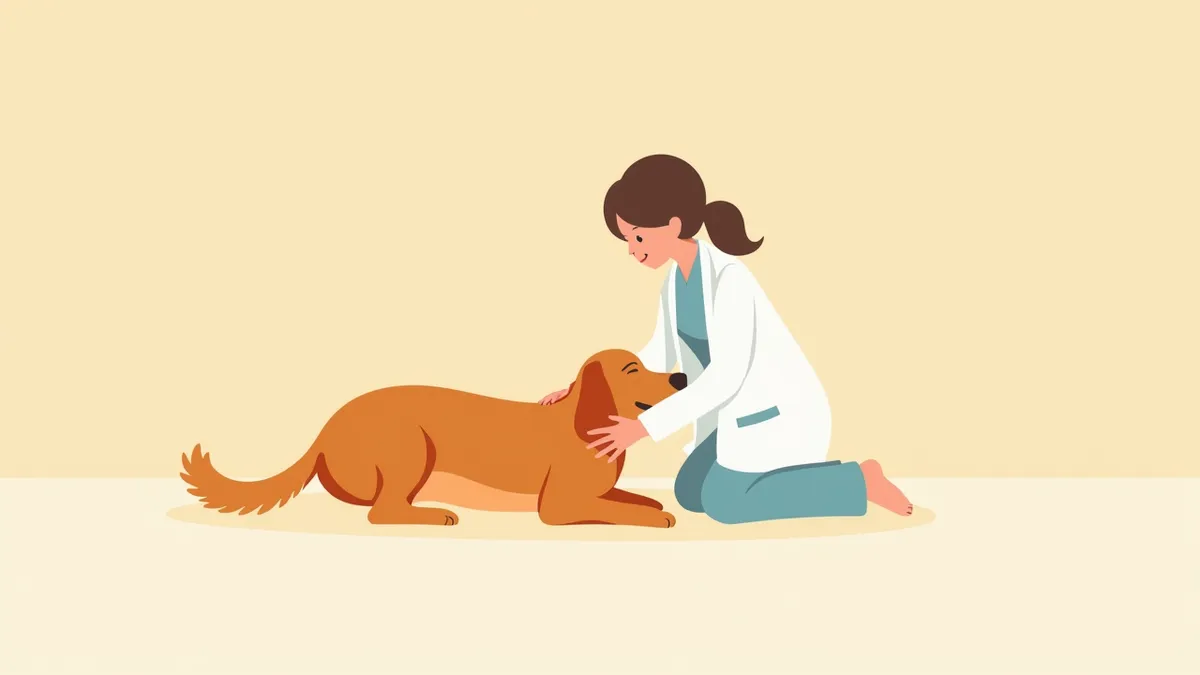
A veterinarian gently palpating a puppy’s neck to check its thyroid gland.
Thyroid nodules and cysts in dogs are abnormal masses that develop within the thyroid tissue. Unlike in cats, a significant proportion of thyroid tumors found in dogs are malignant (thyroid carcinomas), so it is crucial not to assume they are benign without proper diagnostic testing. While early-stage tumors may be asymptomatic, approximately one-third are functional tumors that secrete excess hormones, potentially leading to symptoms of hyperthyroidism such as tachycardia (rapid heart rate), weight loss, and polydipsia-polyuria (increased thirst and urination). Since these conditions are more common in senior dogs, early detection through regular check-ups is essential. - Palpable neck mass: A lump felt in the lower neck area is the most common clinical sign, but palpation alone cannot determine the extent of tumor invasion. - Hormonal abnormalities: In functional tumors, T4 levels may be elevated, whereas they may be decreased in cases of hypothyroidism. - Ultrasound examination: This is the most effective test for screening thyroid masses and is highly useful for ongoing monitoring. - Veterinary consultation: Always consult a professional for diagnosis and to establish a management plan.

Key Criteria for Managing Thyroid Nodules and Cysts in Dogs
Managing thyroid nodules or cysts in dogs should focus on accurate diagnosis, the ability to monitor progression, and close collaboration with your veterinarian. - Prioritize accurate diagnosis: The first step is to determine whether a mass is benign or malignant through fine-needle aspiration and imaging tests. Because thyroid tumors in dogs have a high rate of malignancy, making assumptions without proper testing is risky. - Ensure monitorability: Regular ultrasound and blood tests are essential to track changes in size and hormone levels. - Hormonal assessment: If hypothyroidism is confirmed, lifelong thyroid hormone supplementation may be necessary. Functional tumors, on the other hand, may cause elevated T4 levels. - Utilize imaging tests: Palpation alone cannot determine whether a tumor has invaded surrounding tissues, so imaging such as ultrasound or CT scans is required. - Collaborate with your veterinarian: All management decisions should be made in partnership with your vet, and consultation with an oncology specialist may be needed when appropriate. - Watch for symptoms: Seek immediate veterinary care if your dog shows decreased appetite, difficulty breathing, weakness, or weight loss.
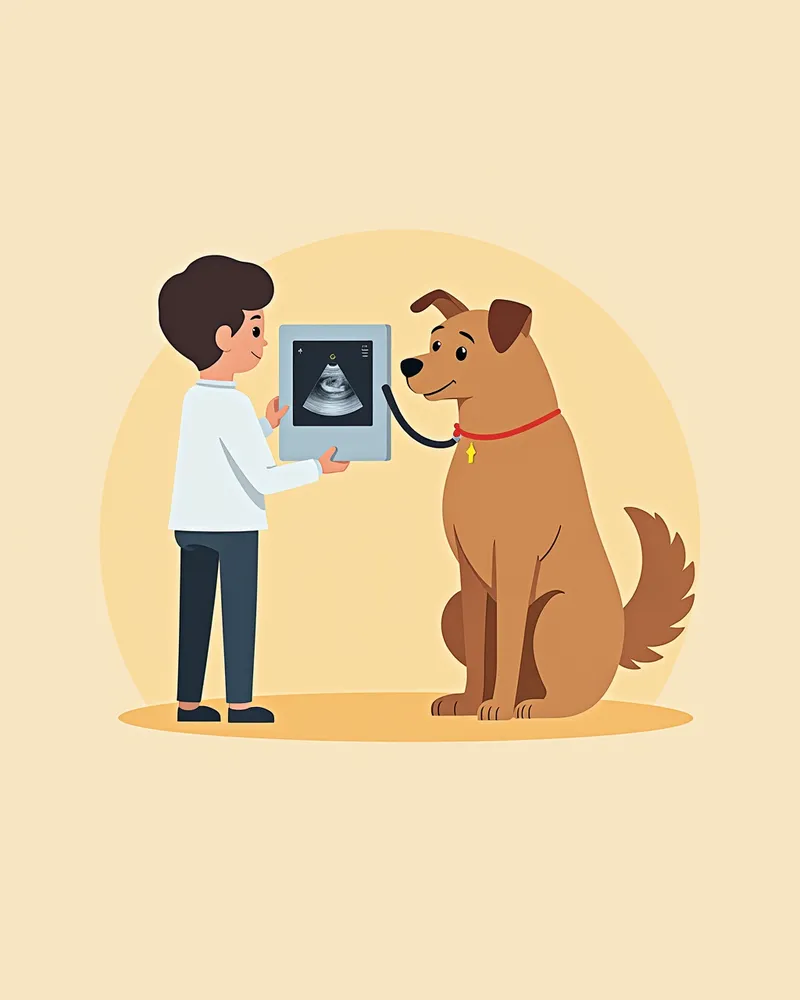
A veterinarian analyzing an ultrasound image of a puppy's thyroid gland.

BEST 1: Thyroid Health Care Protein (Premium)
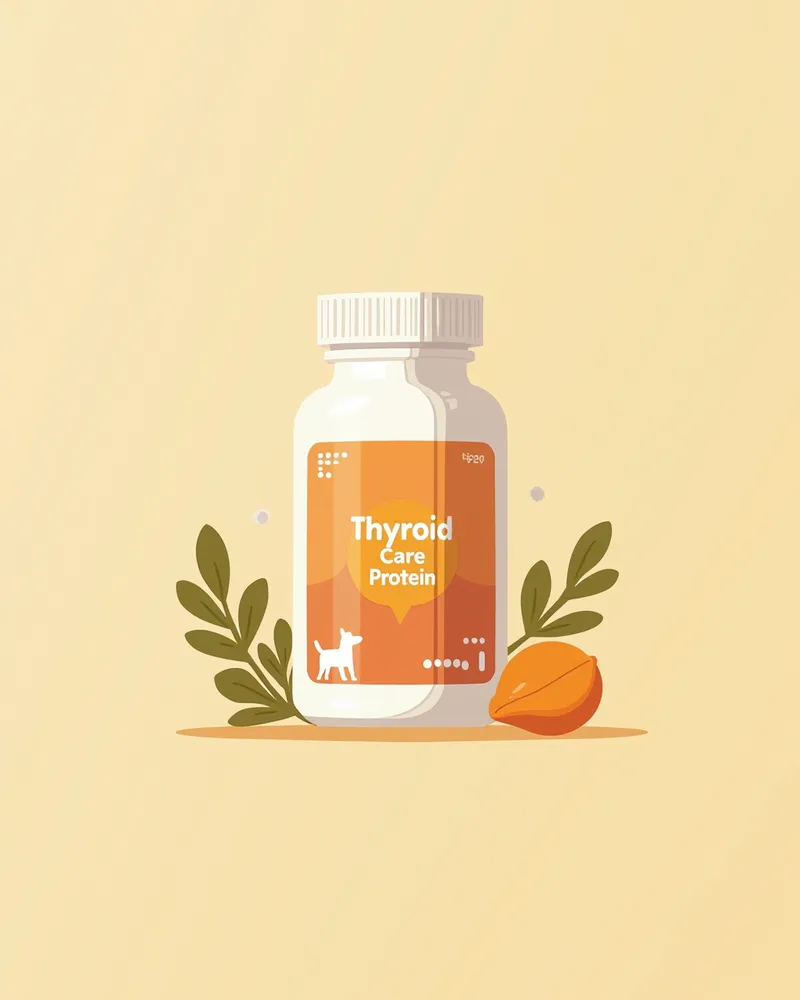
This product is intended for general nutritional support. However, since there is no evidence that supplements can treat thyroid tumors themselves or normalize hormone levels, it is safer to view them as an aid to diagnosis and monitoring rather than expecting them to be a cure. - Purpose of Nutritional Support: Ingredients like glucosamine and omega-3 are used for general health support, but their therapeutic effect on thyroid nodules has not been proven. - Antioxidant Ingredients: These are ingredients for general health management, and there is no evidence that they prevent tumor progression. - No Definitive Claims Regarding Hormones: You cannot assume that T4 levels will stabilize with supplements. Hormonal abnormalities must be evaluated through blood tests. - Veterinary Consultation is Essential: No product can replace a veterinarian's diagnosis. - Caution with Long-Term Use: Even while using the product, you must monitor changes in the mass through regular check-ups. - Combine with Regular Check-ups: Since canine thyroid tumors have a high rate of malignancy, imaging and cytology should be prioritized.
Bottle of a natural-ingredient thyroid health supplement for dogs

BEST 2: Thyroid Stabilizer (Standard)
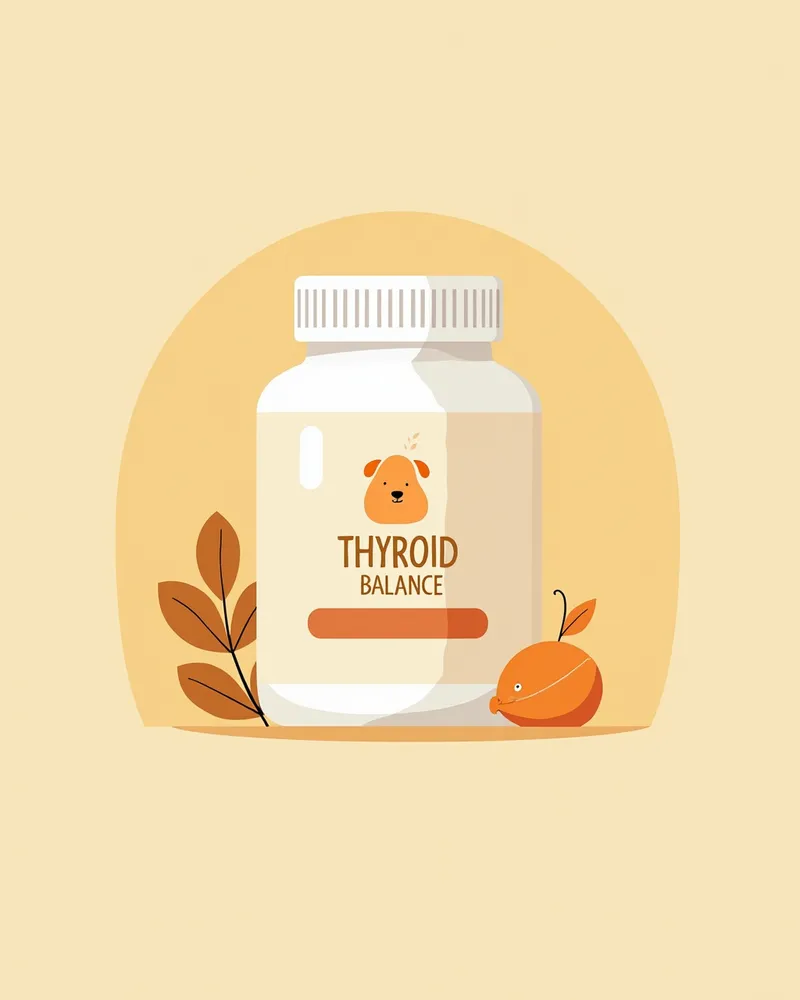
This product is a supplement intended for general nutritional support. It’s important to remember that rather than “correcting” thyroid hormone balance, any diagnosis and treatment of tumors should be handled separately by a veterinarian. - Plant-derived ingredients: This is a general health supplement, and there is no evidence that it reduces or eliminates thyroid nodules. - No definitive claims on nodule growth: There is no verified data proving that this supplement slows the growth of nodules. - Hormone levels assessed through testing: TSH and T4 levels should be monitored via regular blood tests, not through the use of supplements. - Caution for senior dogs: Older dogs are at higher risk for thyroid tumors, so regular check-ups should take priority over supplementation. - Veterinary consultation required: Always consult with a professional before use, and monitor your pet’s response through regular check-ups. - Easy-to-administer format: While it can be given like a treat, palatability does not equate to therapeutic effect.
A simple and naturally designed supplement to support your dog’s thyroid health.

BEST 3: Thyroid Monitoring Kit (For Home Diagnosis)
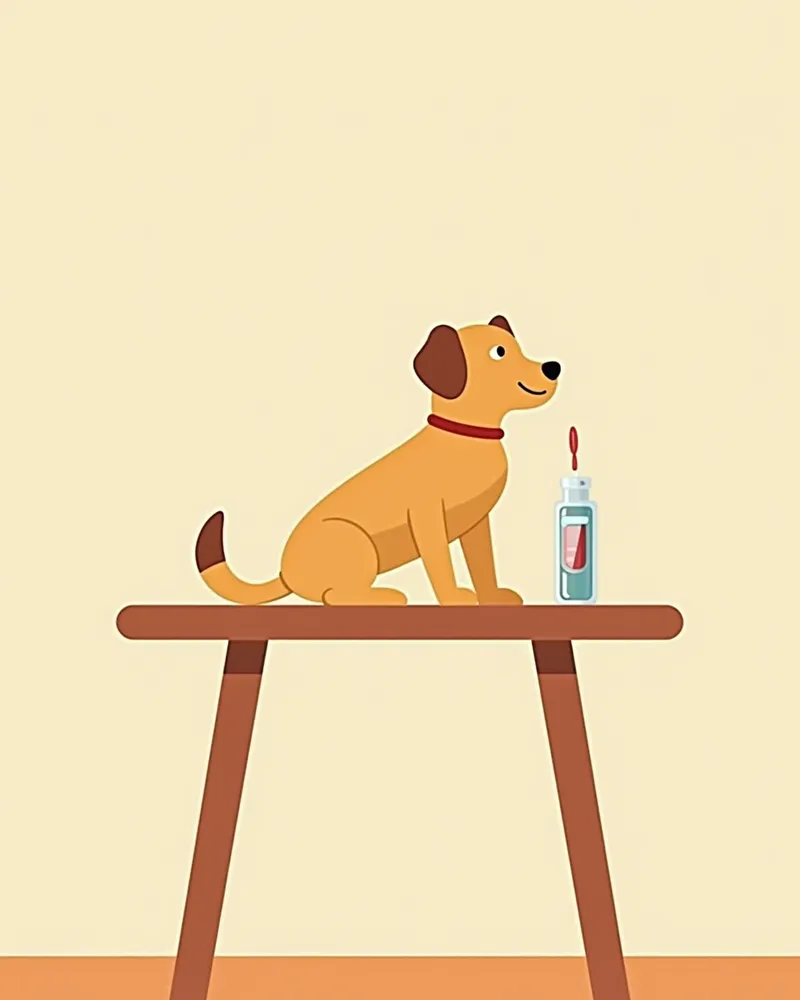
This kit is designed for at-home sample collection and submission for testing. However, structural changes such as nodule size cannot be assessed at home; imaging tests like ultrasounds must be performed at a veterinary clinic. - Blood sample collection: This method involves sending a simply collected sample for hormone level analysis, with result interpretation performed by a veterinarian. - Size tracking at the clinic: Nodule size and invasiveness must be confirmed through imaging tests such as ultrasounds or CT scans at a clinic, not at home. - Regular monitoring: Periodically tracking hormone levels as recommended by your veterinarian helps ensure no changes are missed. - Collaboration with your veterinarian: Results must always be interpreted together with your veterinarian to ensure accurate assessment. - Convenient usage: The kit includes instructions and a dedicated box for safe storage. - Aid in early detection: Regular testing helps detect changes early, even in the absence of symptoms.
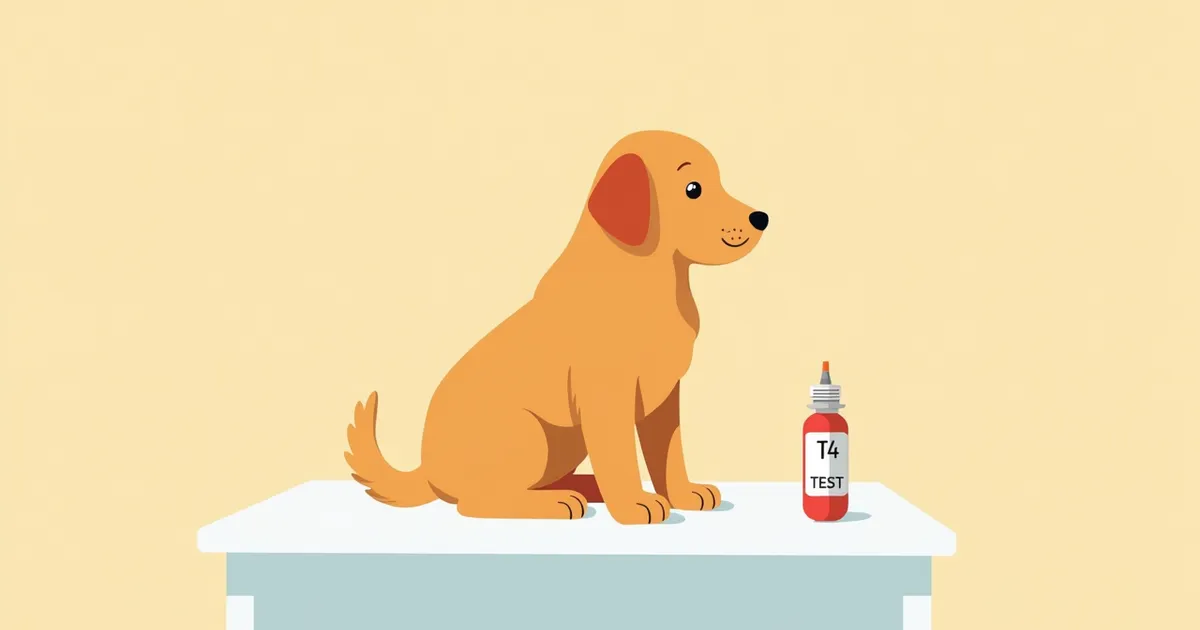
At-home thyroid test kit for dogs

Comparison Table of BEST 1–3 Products

ItemMain ingredientsRecommended forUsage cycle
BEST 1: Thyroid Health Care ProteinGlucosamine, omega-3, resveratrolDogs needing general nutritional supportOnce a day, taken continuously for 3 months or more
BEST 2: Thyroid StabilizerZinc, selenium, luteinDogs to combine with regular checkupsOnce a day, taken for 6 months or more
BEST 3: Thyroid Monitoring KitBlood sample collection tools, analysis reportDogs needing regular trackingUsed once every 3 months

Supplements and kits do not treat thyroid tumors, and canine thyroid tumors have a high rate of malignancy (carcinoma), so a veterinarian's diagnosis (imaging and cytology) must come first. Use all products only after consulting your veterinarian, and if an adverse reaction occurs, stop immediately and visit the clinic.

Caution: Visit a Veterinary Clinic Immediately if Thyroid Nodule Size Increases

If you notice a lump in the thyroid area growing rapidly, or if your dog shows decreased appetite, weight loss, difficulty breathing, or weakness, please visit a veterinary clinic immediately. Canine thyroid tumors are often malignant and can metastasize to the lungs or lymph nodes, making prompt imaging, cytological testing, and treatment crucial. Do not attempt to diagnose the condition yourself; instead, seek a thorough examination from a veterinarian.

Tips for Managing Thyroid Nodules and Cysts in Dogs

Regular check-ups are key to managing thyroid nodules and cysts in dogs. - Routine Ultrasound Exams: Ultrasound is the best test for screening thyroid masses, helping to monitor changes in size and shape. - Concurrent Blood Tests: Regularly measure T4 and TSH levels to detect any hormonal abnormalities. - Caution with Raw Diets: Raw meat diets may contain exogenous thyroid tissue, which can cause elevated T4 levels; please consult your veterinarian. - Regular Exercise and Lifestyle Management: These help maintain overall health and condition. - Dietary Adjustments Under Veterinary Guidance: Always consult your veterinarian before changing diets or using supplements. - Record Keeping: Keeping a journal-like record of check-up results and medication history is beneficial for tracking progress.
A puppy joyfully running around in the park.

Reviewed by a veterinarian

Dr. Tony — Punnawat Phongkittirak

Dr. Tony — Punnawat Phongkittirak

Veterinarian

A veterinarian who majored in veterinary medicine at Khon Kaen University, Thailand, and completed the IVSA program at North Carolina State University in the United States. Drawing on clinical experience at animal hospitals, he works in the pet healthcare field and is dedicated to building a digital care environment that connects pet parents with veterinarians.

Frequently Asked Questions

Can a thyroid nodule in a dog be cancerous?
Unlike cats, dogs are more likely to develop malignant thyroid tumors (thyroid carcinomas). Therefore, do not assume the tumor is benign; if you notice changes in its size or the appearance of symptoms, seek immediate cytological and imaging examinations.
Does a small nodule mean it doesn’t need to be monitored?
Even small lumps should be monitored through regular check-ups. Over time, even tiny nodules can grow, and it’s difficult to determine their nature by touch alone.
Will giving a supplement make the lump disappear?
Supplements cannot remove nodules themselves, and there is no evidence that they normalize hormone levels. Diagnosis and treatment, including surgery when necessary, must always be carried out under the guidance of a veterinarian.
If a thyroid nodule develops, how should you discuss it with your veterinarian?
We’ll use ultrasound, cytology, and blood tests to assess the size, nature, and hormone levels of the condition, then work with your veterinarian to create a tailored management plan.
How can you check your pet’s thyroid condition at home?
While blood tests or home kits can track hormone levels, structural changes like nodule size can’t be detected at home. Imaging should be performed at a veterinary clinic, and it’s important to review the results with your veterinarian.

Share

Related Guides

References

[1] Peterson ME, Kintzer PP, Hurvitz AI. Methimazole treatment of 262 cats with hyperthyroidism. J Vet Intern Med. 1988;2:150.

[2] Fox P, Peterson M, Broussard J. Electrocardiographic and radiographic changes in cats with hyperthyroidism. J Am Anim Hosp Assoc. 1998;35:27.

[3] The Cat, Clinical Medicine and Management, 2nd Edition. Blackwell Publishing Ltd, 2011.

This information is based on veterinary literature and does not replace diagnosis or treatment. Please consult a veterinarian for specific health concerns.

Metapet Co., Ltd. | CEO: Park Sung-yong | Business Reg. No. 417-88-02562 | Seoul, South Korea | Customer Center

7 Key Tips from Vets for Managing Dog Thyroid Nodules and Cysts | Meongsiljang