Like
Share
멍실장
강아지 방광 게실 관리 추천 BEST와 고르는 기준 총정리

Top 3 Recommended Products for Managing Bladder Diverticula in Dogs and Selection Criteria

UrinaryTop PicksMeongsiljang Veterinary Advisory Board

A bladder diverticulum in dogs is a pouch-like protrusion in the bladder wall that can increase the risk of infection or stone formation, so careful management is essential. Here’s how to choose effective care products, along with our top three recommendations.

A Bladder Diverticulum in Dogs Is a Protrusion on the Bladder Wall
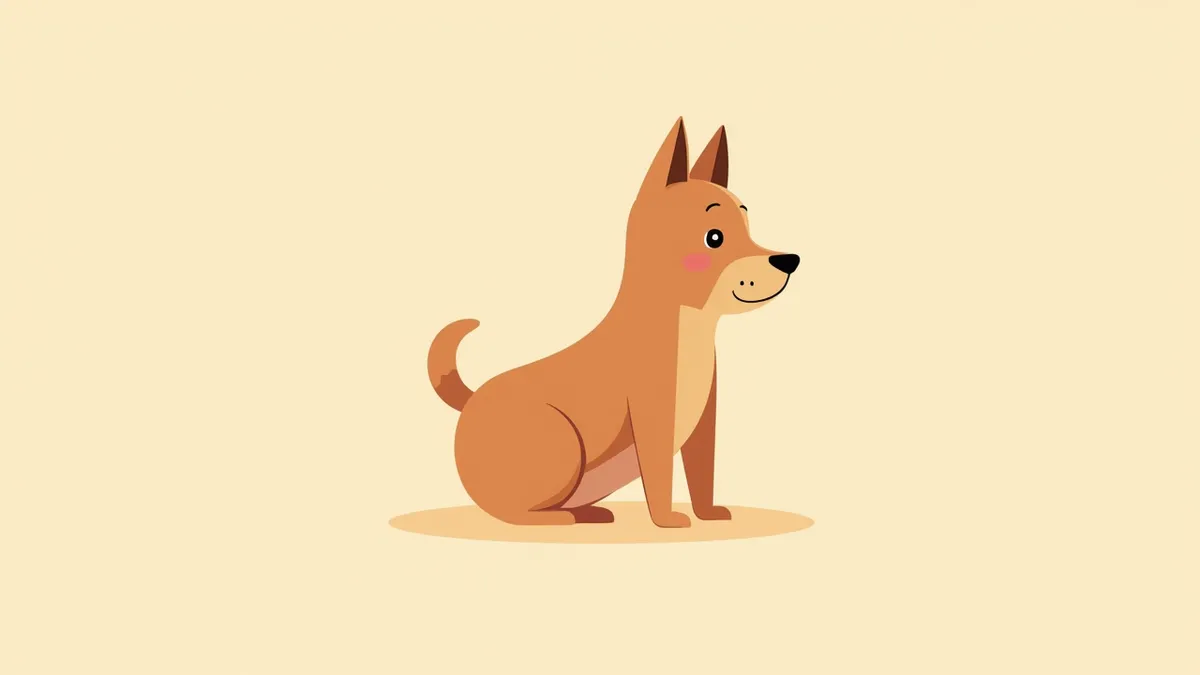
An anatomical illustration showing the diverticulum structure formed in a dog's bladder
A bladder diverticulum in dogs is a small, pouch-like structure formed when part of the bladder wall bulges outward. This area can interfere with normal urine flow, increasing the risk of infection or stone formation. Signs that owners often overlook include discomfort during urination or frequent attempts to urinate. Veterinarians typically confirm the diagnosis using ultrasound or X-ray imaging. Causes may include genetic abnormalities, congenital defects, or chronic inflammation. Early diagnosis and management can help prevent complications.

Criteria for Selecting Products to Manage Bladder Diverticula in Dogs

When selecting products to manage your dog’s bladder diverticulum, consulting with a veterinarian is the most important step. Currently, there are no products specifically for bladder diverticula that are supported by veterinary evidence, and general guidelines regarding the efficacy and safety of their ingredients are limited. Owners should verify the ingredient names and strictly adhere to the dosage approved by their veterinarian. Caution is necessary, as overdosing can cause side effects. It is also important to carefully check the brand, as products manufactured by reputable pharmaceutical companies or pet food manufacturers are generally considered more reliable than over-the-counter (OTC) options.
A natural photo of a puppy taking a bladder health supplement

BEST 1: Probiotic Bladder Protectant

Probiotic bladder protectants may help regulate the balance of gut microbiota. While probiotics have primarily been studied for their role in digestive health—such as modulating intestinal immune function and supporting the homeostasis of intestinal epithelial cells—clinical evidence supporting their efficacy in the gastrointestinal tracts of dogs and cats remains very limited. Some studies have suggested that lactic acid bacteria-based probiotics might help prevent or manage urogenital infections, but there is currently no evidence that they directly treat bladder diverticula. To date, the mainstay of managing bladder diverticula is conservative care, with surgery reserved for cases where it is necessary. Since improving gut health can contribute to overall well-being, probiotics may be considered as a supportive measure.
Probiotic supplement bottle for your dog’s bladder health

BEST 2: Glucosamine + Urea Bladder Protectant

Claims that a bladder protectant combining glucosamine and urea is effective for protecting and regenerating the bladder mucosa currently lack veterinary evidence. Glucosamine is used for joint health, and urea is primarily associated with kidney function, but neither has been proven to have direct efficacy in treating bladder diverticula. Because treating bladder diverticula requires an accurate diagnosis and treatment plan from a veterinarian, it is best to avoid making definitive claims about this ingredient combination.
A puppy eating its meal along with a bladder protectant.

BEST 3: Herbal Bladder-Clearing Product
Claims that bladder-clearing products containing natural herbs can help purify urine or reduce inflammation lack sufficient evidence. While ingredients such as burdock root, blueberry, and garlic contain some antioxidants, there is no clinical evidence supporting their efficacy in treating or preventing bladder diverticula. In particular, garlic can be toxic to dogs, so caution is advised. Always consult your veterinarian before using such products and monitor your pet for any signs of hypersensitivity.
Natural herbal supplement for your dog’s bladder health

Comparison Table of BEST 1–3 Products

ItemMain ingredientsDosing frequencyRecommended for
BEST 1: Probiotic bladder protectantLactobacillus acidophilus, Bifidobacterium longumOnce a dayDogs wanting to manage intestinal microbial balance
BEST 2: Glucosamine + urea bladder protectantGlucosamine, ureaTwice a dayDogs considering both joint health and bladder health
BEST 3: Herbal ingredient bladder-clearing productBurdock, blueberry, garlicOnce a dayDogs preferring natural ingredients (garlic requires caution)

All products must follow the dosage recommended by the veterinarian. Overdose may cause side effects.

Caution: Immediate Veterinary Visit Required If Bladder Diverticulum Worsens

If your dog shows signs of pain while urinating or if there is blood in their urine, it may indicate that a bladder diverticulum has worsened. This could be a sign of infection or stone formation, so immediate veterinary care is necessary. If the bladder diverticulum grows larger, surgery might be required, making early management crucial. A sign that owners often overlook is when the dog continues to seek out the bathroom or sniffs around even after urinating. If you notice these symptoms, please visit the vet promptly.

Tips for Managing Bladder Diverticula in Dogs
To effectively manage a dog’s bladder diverticulum, it’s important to adjust daily habits. - Encourage water intake: Ensure your dog drinks enough water each day. Increased water consumption dilutes the urine, supporting urinary tract health. - Frequent bathroom breaks: Take your dog out to relieve itself every 2–3 hours. - Monitor urine color: Seek immediate veterinary attention if the urine appears dark yellow or if blood is present (hematuria). - Dietary management: Avoid high-sodium foods and choose dog food recommended by your veterinarian. - Regular check-ups: Schedule bladder ultrasound examinations every six months. These consistent practices play a significant role in preventing the condition from worsening.
A puppy drinking water to support bladder health

Reviewed by a veterinarian

Dr. Tony — Punnawat Phongkittirak

Dr. Tony — Punnawat Phongkittirak

Veterinarian

A veterinarian who majored in veterinary medicine at Khon Kaen University, Thailand, and completed the IVSA program at North Carolina State University in the United States. Drawing on clinical experience at animal hospitals, he works in the pet healthcare field and is dedicated to building a digital care environment that connects pet parents with veterinarians.

Frequently Asked Questions

Can a dog’s bladder diverticulum be treated?
Bladder diverticula can often be managed with conservative treatment. Surgery may be considered if complications such as infection or stone formation arise, if symptoms become severe, or if conservative management fails. Proper care should be guided by your veterinarian’s diagnosis and treatment plan.
Does a bladder diverticulum always require surgery?
Surgery isn't always necessary. If your pet shows no symptoms, is urinating normally, and their condition can be managed effectively, conservative treatment may be sufficient. However, if complications arise, surgery might become necessary, so it's important to follow your veterinarian's advice.
Is bladder diverticulum hereditary?
While certain breeds may show a higher tendency, there is currently insufficient evidence to confirm a genetic link to bladder diverticula. Therefore, rather than assuming a hereditary cause, it's best to have a veterinarian diagnose and identify the underlying cause.
Do I need to change my pet’s food if they develop a bladder diverticulum?
The type of food you choose can impact your pet’s bladder health. Avoid foods high in salt (sodium) or phosphorus, and opt for a diet recommended by your veterinarian to support bladder health.
Is it safe to use bladder diverticulum management products for long-term use?
Even for products recommended by veterinarians, regular check-ups are necessary when used long-term. It's important to monitor your pet's condition through blood tests and other assessments, and if any side effects occur, discontinue use immediately and visit the clinic.

Share

Related Guides

References

[1] Plumb's Veterinary Drug Handbook, 9th ed. 2022. Wiley-Blackwell.

[2] Feldman, B. F., & Nelson, R. W. (2013). Canine and Feline Nephrology and Urology. Elsevier Health Sciences.

[3] American College of Veterinary Internal Medicine (ACVIM). (2021). Guidelines for the Management of Canine Bladder Diverticula.

This information is based on veterinary literature and does not replace diagnosis or treatment. Please consult a veterinarian for specific health concerns.

Metapet Co., Ltd. | CEO: Park Sung-yong | Business Reg. No. 417-88-02562 | Seoul, South Korea | Customer Center

Best Products for Canine Bladder Diverticula Care | Meongsiljang