Like
Share
멍실장
강아지 임신·수유 관련 호르몬 이상 관리 추천 BEST와 고르는 기준 총정리

7 Essential Management Points for Hormonal Imbalances in Pregnant and Nursing Dogs

EndocrineTop PicksMeongsiljang Veterinary Advisory Board

We provide a comprehensive guide to recommended products and selection criteria for effectively managing hormonal imbalances that can occur during a dog’s pregnancy and lactation.

What Are Hormonal Imbalances in Pregnant and Nursing Dogs?

A pregnant dog resting comfortably
During pregnancy and lactation, dogs experience significant increases in their calcium and energy requirements, which can lead to various metabolic and physiological changes. Key issues recognized in veterinary textbooks include the following: - Calcium metabolism disorders (eclampsia): During lactation, calcium is lost through milk production, which can cause a rapid drop in blood calcium levels. This may lead to eclampsia symptoms such as seizures or muscle rigidity. - Surge in energy and nutritional needs: Energy requirements increase substantially during lactation. If the mother does not consume enough food, she may experience weight loss or decreased vitality. In fact, appetite often increases during this period. - Mammary gland and lactation care: Inadequate nutrition and hydration can impair recovery and milk production, so it is important to closely monitor the health of both the mother and her puppies. - Individual variations in requirements: Nutritional needs during pregnancy and lactation vary depending on the mother’s body size and the number of puppies. Therefore, providing balanced nutrition and consulting with a veterinarian are essential. Supplements should be viewed as supportive aids only and are unlikely to prevent all issues when used alone.

Key Selection Criteria for Managing Hormonal Imbalances in Pregnant and Nursing Dogs

When choosing a product for your dog’s nutritional needs during pregnancy and lactation, keep the following criteria in mind. Each point addresses the changing nutritional requirements during these stages. Always check the ingredient label when selecting a product.
Calcium, phosphorus, and vitamin D content: Calcium requirements increase during lactation, so it’s important to ensure the product contains a balanced ratio of calcium and phosphorus.
Balance of micronutrients: Look for products that provide adequate amounts of micronutrients whose needs rise during pregnancy and lactation, such as zinc and iron.
Fatty acid content: Since the demand for fats and fatty acids increases during pregnancy and lactation, products containing high-quality fatty acids can be beneficial.
Sufficient energy density: Ensure the product can provide enough energy to meet the sharp increase in energy demands during lactation.
Easy-to-digest formulation: Choose a formula that suits your dog’s digestive system and is gentle on the stomach.
A food bowl with premium supplements and water

BEST 1: Premium Pregnancy and Lactation-Specific Supplement
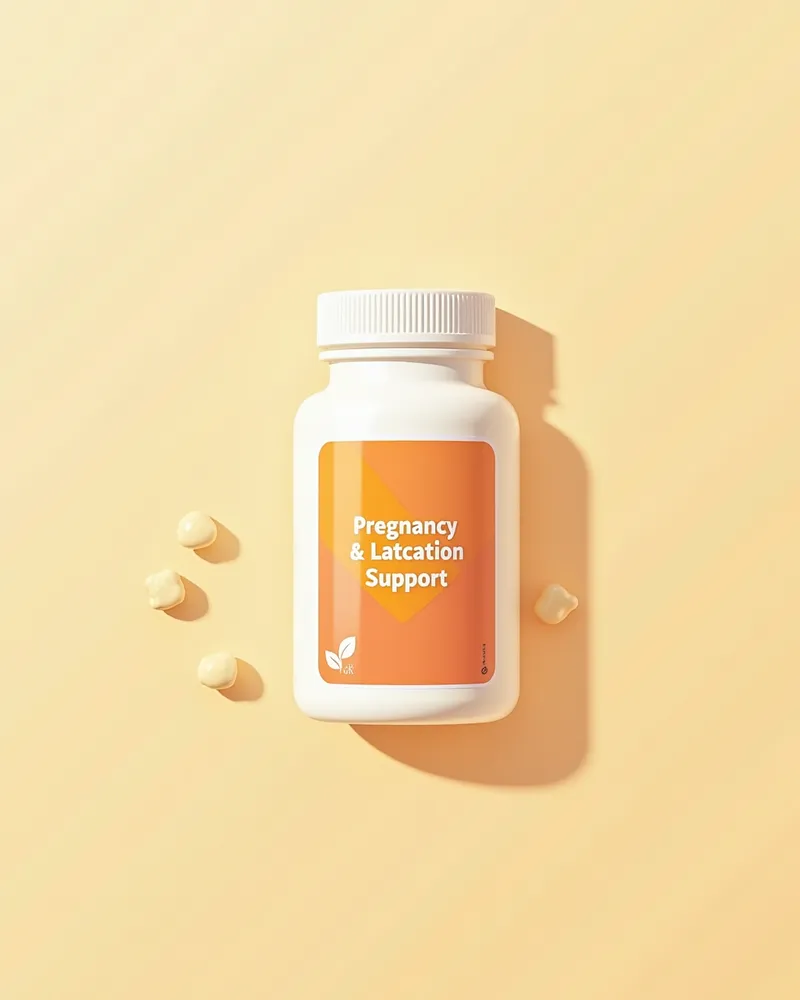
This supplement is specifically formulated for pregnant and nursing pets, designed to be administered consistently from the fourth week of pregnancy through the eighth week of lactation. It contains a balanced blend of calcium, vitamin D, zinc, and iron to help meet the increased nutritional demands during these stages. The inclusion of fatty acids also helps address the heightened need for these nutrients during pregnancy and lactation. Made with meat-based natural ingredients, this product is crafted to enhance palatability and support optimal digestion and absorption. Please note that supplements are not a substitute for a balanced diet, so we recommend consulting with your veterinarian before starting this product.
Nutritional supplement bottle for pregnant and lactating pets

BEST 2: Natural Ingredient-Based Hormonal Balance Supplement

This product is a plant-based supplement for pregnancy and lactation, with red clover extract, asparagus root, and broccoli extract as its main ingredients. - Ingredient characteristics: Although plant extracts are used, there is no evidence in veterinary textbooks that phytoestrogen-like compounds stabilize hormone levels. - Precautions during pregnancy: Estrogen-related substances are actually reported to require caution during pregnancy, so do not administer them arbitrarily and always consult your veterinarian. - Consideration for gastrointestinal burden: Manufactured without additives or preservatives, it may be an option for sensitive dogs. - Lactation-related: There is insufficient evidence that supplements alone increase milk production, so balanced nutrition and adequate hydration should come first. When using during late pregnancy and lactation, follow the recommended dosage and handle ingredients that may affect hormones with particular care.
A natural supplement made from plant-based ingredients

BEST 3: High-Protein, High-Calcium Lactation-Specific Food

This formula was specifically developed for the late stages of pregnancy and the lactation period, featuring high levels of protein and calcium. Since energy and protein requirements increase significantly during lactation, dividing the daily ration into three to four meals helps ensure adequate energy and nutrient intake. The calcium-to-phosphorus ratio is carefully balanced at approximately 1.2:1 to support skeletal health and appropriate phosphorus retention. With a high meat content, this food is designed to enhance palatability and improve digestibility and absorption. However, it is best to adjust the feeding amount in consultation with your veterinarian, monitoring the mother’s weight changes.
Specialized food bowl for high-protein feeding

Comparison Table of Products BEST 1–3

ItemBEST 1 Dedicated SupplementBEST 2 Natural Ingredient SupplementBEST 3 Lactation-Specific Diet
Main ingredientsCalcium, vitamin D, fatty acids, zinc & ironRed clover, asparagus, broccoli extractHigh protein, high calcium, meat-containing
Application periodWeek 4 of pregnancy to week 8 of lactationLate pregnancy to lactationLate pregnancy to week 8 of lactation
How to give2 tablets per day, with meals1 tablet per day, with meals3–4 times per day, portion adjusted
FeaturesNutritional supplementation during pregnancy and lactationPlant-based ingredients; evidence for hormonal effects is insufficientHigh protein and high calcium, energy supplementation

You need to decide whether to give it after consulting your veterinarian. In particular, estrogen-like ingredients require caution during pregnancy, and supplements do not replace a balanced diet.

Precautions and Contraindications

Always consult your veterinarian before giving nutritional supplements to pregnant or nursing puppies. Excessive calcium intake can disrupt calcium metabolism. Additionally, supplements may be contraindicated for dogs with pre-existing conditions, such as kidney disease. If an allergic reaction to any ingredient occurs, discontinue use immediately and seek veterinary care.

Usage Tips and Management Points

When managing hormonal imbalances in pregnant or nursing puppies, keep these tips in mind. Consistent feeding and close observation are key.
Regular weight checks: Weigh your puppy once a week to monitor weight gain trends.
Monitor milk intake: Record the frequency and volume of nursing daily to detect any abnormalities.
Minimize stress: Provide a quiet environment where your puppy can rest comfortably.
Regular veterinary check-ups: Schedule exams at 4 weeks, 6 weeks of pregnancy, and 1 week after delivery.
Adjust food portions: If weight gain is too rapid, reduce the amount of food provided.
A dog owner measuring their dog's weight

Reviewed by a veterinarian

Dr. Tony — Punnawat Phongkittirak

Dr. Tony — Punnawat Phongkittirak

Veterinarian

A veterinarian who majored in veterinary medicine at Khon Kaen University, Thailand, and completed the IVSA program at North Carolina State University in the United States. Drawing on clinical experience at animal hospitals, he works in the pet healthcare field and is dedicated to building a digital care environment that connects pet parents with veterinarians.

Frequently Asked Questions

Can I start giving nutritional supplements from early pregnancy?
It is safe to start administering it from the fourth week of pregnancy. While a regular diet may suffice in the early stages, specialized supplements become necessary in the later stages.
How long should I give my pet nutritional supplements during the nursing period?
It is recommended to continue feeding this formula until the eighth week of lactation. After that, you can transition to regular dog food or consult with your veterinarian for guidance.
Is excessive calcium intake dangerous?
Yes, excessive calcium intake can disrupt calcium and phosphorus metabolism. It’s important to follow the amount recommended by your veterinarian.
Do natural-ingredient products work?
There is no evidence in veterinary textbooks to support the claim that plant-based ingredients regulate hormonal balance. In particular, caution is advised with estrogen-like compounds during pregnancy, so please consult your veterinarian before use.
Is it okay to feed only kibble during the weaning period?
During lactation, energy, protein, and calcium requirements increase significantly, so a high-protein, high-calcium diet is essential. It's best to consult with your veterinarian about supplementing any nutritional deficiencies.

Share

Related Guides

References

[1] Serrano et al. (1964) Nutrient Requirements of Dogs and Cats. National Academies Press.

[2] Applied Veterinary Clinical Nutrition, 2nd Ed. (2010). Blackwell Publishing.

[3] 100 Top Consultations in Small Animal General Practice. (2011). Blackwell Publishing.

This information is based on veterinary literature and does not replace diagnosis or treatment. Please consult a veterinarian for specific health concerns.

Metapet Co., Ltd. | CEO: Park Sung-yong | Business Reg. No. 417-88-02562 | Seoul, South Korea | Customer Center

7 Tips for Hormonal Balance in Pregnant & Nursing Dogs | Meongsiljang