Like
Share
멍실장
강아지 개 회충(톡소카라) 관리 추천 BEST와 고르는 기준 총정리

Top Recommended Products and Selection Criteria for Managing Dog Roundworms (Toxocara)

Infection/ParasitesTop PicksMeongsiljang Veterinary Advisory Board

Roundworms (Toxocara) are a common internal parasite in dogs, making prevention and management essential. Learn about effective products and care strategies.

What Are Dog Roundworms (Toxocara)?

Appearance of Toxocara canis, a common intestinal roundworm in dogs
Toxocara canis, commonly known as the dog roundworm, is a prevalent internal parasite worldwide. Adult worms primarily reside in the small intestine, causing digestive issues, while ingested larvae can migrate to various organs and tissues, such as the liver and lungs, where they may remain dormant. Infection occurs either transplacentally from the mother or through ingestion of eggs from contaminated soil or environments. Puppies under six months of age are at particularly high risk due to their increased susceptibility. Toxocara can lead to symptoms such as stunted growth, weight loss, vomiting, diarrhea, and abdominal distension. Early detection and prevention are essential for healthy development, making regular deworming and hygiene management crucial. - Toxocara Prevention: Reduce the risk of infection through regular deworming. - Awareness of Infection Routes: Avoid contact with contaminated soil or sand, and wash your puppy’s paws after outdoor activities. - Special Care for Puppies: Preventive deworming can begin as early as two weeks of age. - Regular Check-ups Recommended: Work with your veterinarian to establish a preventive care plan.

Criteria for Choosing Dog Roundworm Management Products
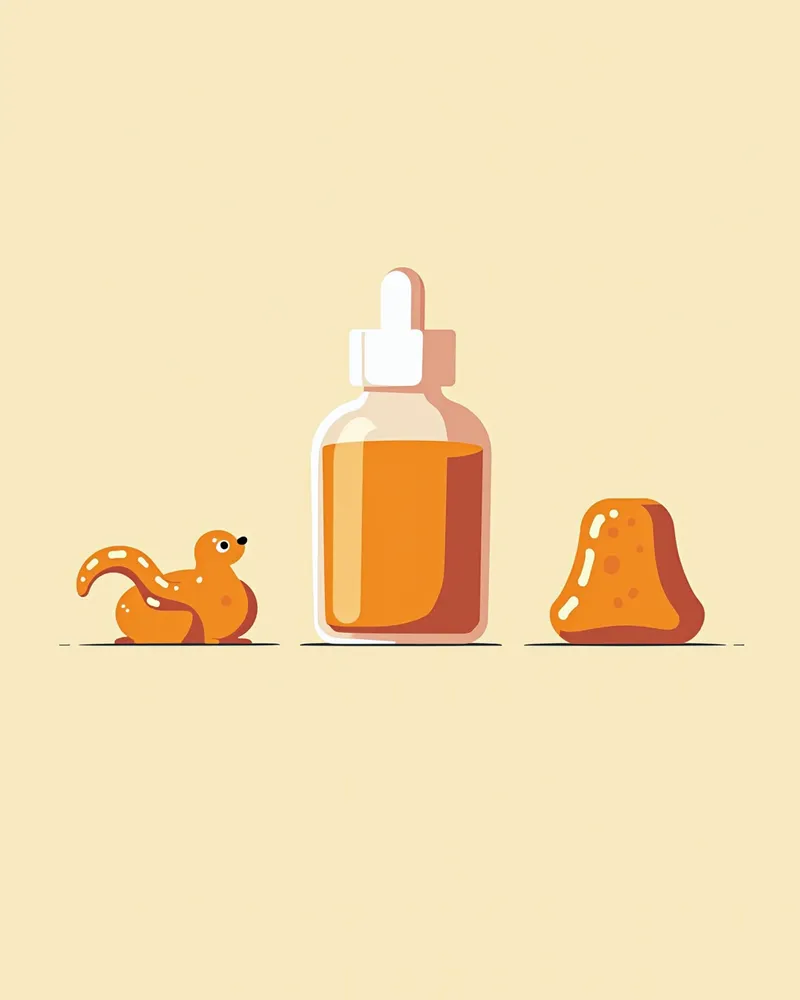
When choosing a deworming product for your dog, carefully consider the dosing schedule, ingredient safety, method of administration, and potential side effects. The product should contain ingredients effective against Toxocara (roundworms), and those recommended by veterinarians are generally the most reliable. It’s also important to choose a form that’s easy to administer and palatable to your dog.
Ingredient efficacy: Look for products containing ingredients effective against gastrointestinal nematodes such as Toxocara (e.g., pyrantel, fenbendazole).
Dosing schedule: Depending on the medication, some require a single dose followed by a repeat dose 2–3 weeks later, while others require several consecutive days of treatment. Choose a product that allows for consistent administration according to the label and your veterinarian’s instructions.
Form selection: Choose a form your dog will readily accept, such as liquid, capsule, or chewable stick.
Minimizing side effects: Prefer products that are gentle on the digestive system and cause fewer gastrointestinal issues.
A comparison of the various forms of deworming medication for puppies

BEST 1: Pyrantel-Based Deworming Sticks

Pyrantel-based deworming sticks are formulated with a flavor dogs love, making administration easy. They are effective against major gastrointestinal parasites, including Toxocara (roundworms) and hookworms. Management typically involves a follow-up dose 2 to 3 weeks after the initial treatment. This product can be used in puppies as young as two weeks old and is recommended by veterinarians for its relatively safe profile.
Palatable and easy to administer: Dogs naturally enjoy eating it.
Managed through repeated dosing: Administer a follow-up dose 2 to 3 weeks after the first treatment for consistent management.
Effective against gastrointestinal nematodes: Pyrantel is effective against most gastrointestinal nematodes, including roundworms.
Minimal side effects: The incidence of gastrointestinal issues is low.
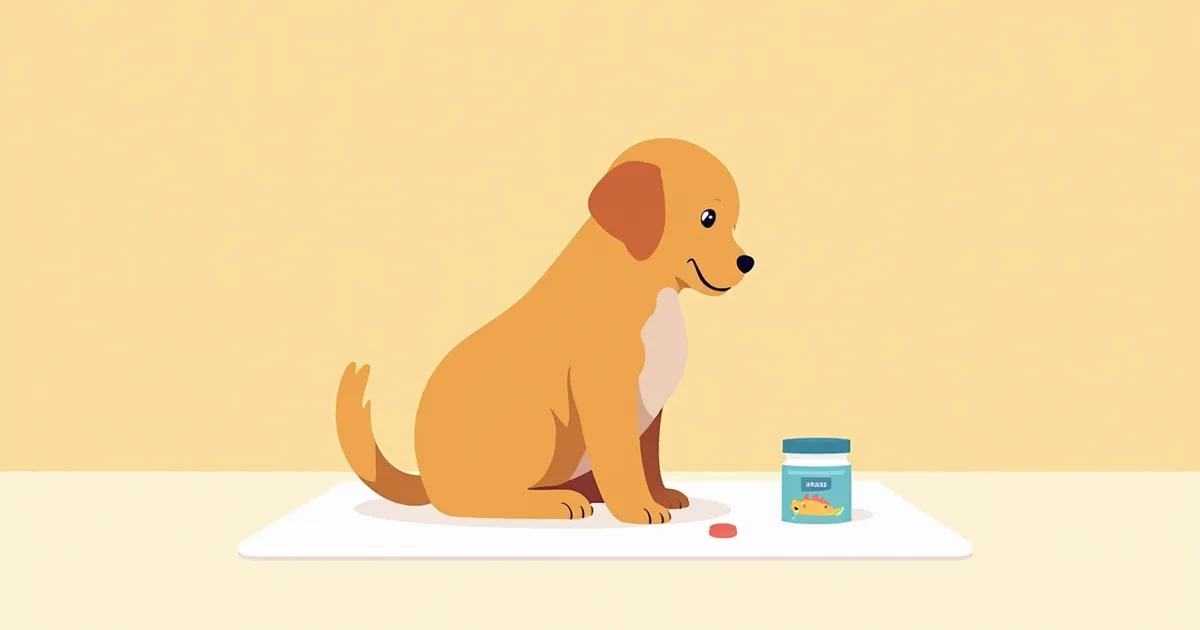
A puppy happily enjoying a Pyrantel stick-type roundworm medication

BEST 2: Fenbendazole-Based Liquid Formulations

Fenbendazole-based liquid formulations are effective not only against Toxocara (roundworms) but also against Toxascaris leonina and other gastrointestinal parasites. The liquid form allows for precise dosage adjustment based on body weight, enabling customized care tailored to your dog’s size and condition. Fenbendazole is typically administered for three consecutive days, and the timing for early prevention in puppies should be determined in consultation with your veterinarian. It is one of the products frequently recommended by veterinarians. - Broad-spectrum parasite control: Eliminates multiple gastrointestinal parasites with a single medication. - Precise dosage adjustment: Enables accurate dosing to reduce the risk of side effects. - Three-day consecutive administration: Typically given over several consecutive days to enhance efficacy. - Stable formulation: Offers high safety when used according to guidelines.
A veterinarian administering a liquid formulation of fenbendazole to a puppy

BEST 3: Multi-Ingredient Capsule Dewormer
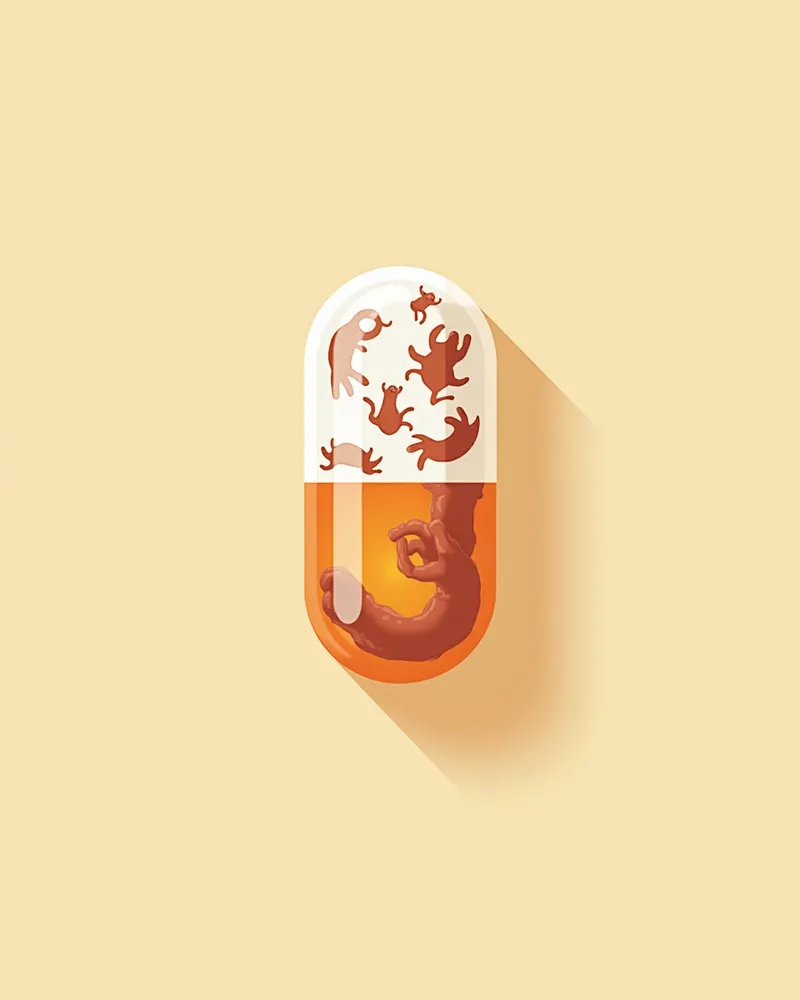
This multi-ingredient capsule dewormer effectively eliminates not only Toxocara (roundworms) but also Toxascaris, hookworms, and various other gastrointestinal parasites in a single dose. The convenient capsule format makes administration easy, and when used according to the instructions, it provides stable, long-term management. It is particularly suitable for adult dogs and for regular preventive care in pets. This comprehensive preventive product is recommended by veterinarians.
Multi-parasite elimination: Removes multiple gastrointestinal parasites at once.
Safety with repeated use: Minimal side effects when administered repeatedly as directed.
Easy-to-administer capsules: Easy for dogs to swallow.
Ideal for routine maintenance: Maintain health on a schedule recommended by your veterinarian.
A multi-ingredient capsule dewormer effectively eliminating a variety of parasites.

Comparison Table of Products BEST 1–3

ItemIngredientsDosing CycleRecommended AgeFeatures
BEST 1 Stick typePyrantelRe-administer 2–3 weeks after a single dose2 weeks of age or olderTasty and easy to eat
BEST 2 Liquid typeFenbendazoleAdministered for 3 consecutive daysDecided after consulting a veterinarianPrecise dosage adjustment possible
BEST 3 Capsule typeCombination ingredientsCycle per veterinarian's instructionsAdult dogs or olderCan eliminate multiple parasites

Compared based on veterinarian-recommended products. Dosing cycle needs to be adjusted according to the dog's weight, health condition, and label instructions.

Precautions and Contraindications

Using deworming medication for roundworms in dogs without a veterinarian’s prescription can lead to side effects. It is especially important to have your dog examined before treatment if they are underweight or have an underlying health condition. Additionally, if vomiting or diarrhea persists after administration, seek veterinary care immediately.

Tips for Managing Dog Roundworms

Managing roundworms in dogs goes beyond simply administering medication; daily care is equally important. Keep your dog’s environment clean to minimize exposure to soil and feces, and make it a habit to wipe their paws after going outside. Roundworm eggs are remarkably resilient and can survive in soil for years, so it’s safest to promptly remove feces and regularly check for infection through fecal exams and veterinary visits.
Wipe paws after outings: Thoroughly clean paws that may have come into contact with contaminated soil.
Dispose of feces immediately: Pick up and dispose of feces promptly and regularly.
Maintain a clean outdoor environment: Keep grass short and reduce shaded, damp areas.
Regular fecal exams: Periodically check for infection using fecal flotation tests.
Wiping your dog's paws after a walk

Reviewed by a veterinarian

Dr. Tony — Punnawat Phongkittirak

Dr. Tony — Punnawat Phongkittirak

Veterinarian

A veterinarian who majored in veterinary medicine at Khon Kaen University, Thailand, and completed the IVSA program at North Carolina State University in the United States. Drawing on clinical experience at animal hospitals, he works in the pet healthcare field and is dedicated to building a digital care environment that connects pet parents with veterinarians.

Frequently Asked Questions

When should I start giving my puppy deworming medication for roundworms?
You can start administering it from two weeks of age. Since early prevention is important, it's best to begin early after consulting with your veterinarian.
Do I need to give my pet deworming medication every week?
The dosing schedule varies depending on the product and medication. For example, pyrantel is typically administered once, followed by a repeat dose two to three weeks later, while fenbendazole is usually given for several consecutive days. These are not medications meant to be given weekly. Always follow the label instructions and your veterinarian’s guidance.
My dog vomited after taking deworming medication. Is this normal?
Mild vomiting is a common reaction, but if it becomes persistent or severe, immediate veterinary care is necessary.
Did your dog ingest roundworms?
Roundworm infection occurs when pets ingest infectious eggs from soil or feces, not by consuming adult worms. Exposure to contaminated environments is a common cause.
Can deworming medications be harmful to humans?
Roundworms in dogs can also infect humans. The risk is especially high for children aged 2 to 7, who are more likely to put soil in their mouths, so it’s important to promptly dispose of your dog’s feces.

Share

Related Guides

References

[1] Clinical Medicine of the Dog and Cat, 4th Ed. (2020). Elsevier.

[2] Principles and Practices of Canine and Feline Clinical Parasitic Diseases. (2019). Wiley-Blackwell.

[3] The Veterinary Workbook of Small Animal Clinical Cases. (2021). Mosby Elsevier.

This information is based on veterinary literature and does not replace diagnosis or treatment. Please consult a veterinarian for specific health concerns.

Metapet Co., Ltd. | CEO: Park Sung-yong | Business Reg. No. 417-88-02562 | Seoul, South Korea | Customer Center

Best Dog Roundworm (Toxocara) Products & How to Choose | Meongsiljang