
Like
Share
멍실장
고양이 팔리아티브 케어·통증 관리 관리 추천 BEST와 고르는 기준 총정리

Top 7 Cat Cancer Pain Relief Care Tips Recommended by Veterinarians

Oncology/CancerTop PicksMeongsiljang Veterinary Advisory Board

We’ve outlined palliative care and pain management strategies to improve comfort and quality of life for cats at various stages of cancer, featuring our top three recommended products. These options allow for customized care tailored to each pet owner’s needs.

What Is Feline Palliative Care and Pain Management?
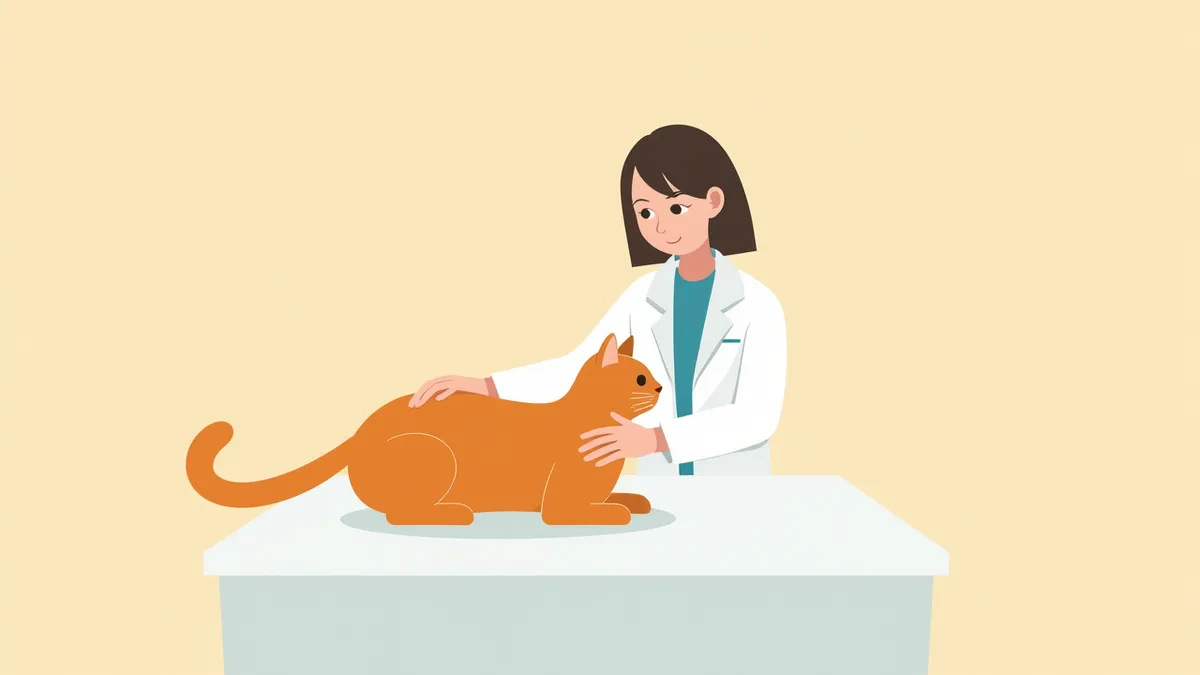
A veterinarian examining a senior cat
Feline palliative care and pain management are comprehensive approaches designed to minimize pain and preserve quality of life in cats suffering from cancer or chronic diseases. - Pain Relief: The core objective is to alleviate persistent pain, allowing your cat to remain comfortable. - Emotional Stability: This involves reducing anxiety and stress to help maintain a calm and peaceful state. - Functional Maintenance: The focus is on preserving daily functions such as mobility, appetite, and sleep as much as possible. This requires a multidisciplinary approach involving collaboration between veterinarians, pet owners, and nursing staff. Throughout this process, it is essential to carefully monitor your cat’s individual condition and develop a tailored care plan suited to their specific needs.

Key Criteria to Consider When Choosing Palliative Care

To choose the right palliative care for your cat, you need to consider several factors holistically. - Pain level: Regularly assess the intensity and frequency of pain. - Presence of underlying conditions: If there are other conditions such as heart or kidney disease, caution is needed regarding ingredients. - Appetite and weight changes: Nutritional intake is an important indicator for evaluating treatment effectiveness. - Activity level and sleep patterns: Changes in daily behavior can help confirm the effectiveness of pain management. - Owner’s caregiving capacity: Consider whether home care is feasible, including time and convenience. Regularly review and adjust the plan together with your veterinarian.
Checklist for Choosing Palliative Care

BEST 1: Herbal Blend for Pain Relief

Managing chronic pain in cats is safest when centered on veterinarian-prescribed analgesics rather than arbitrary herbs or supplements. Certain plant ingredients, such as garlic, can be toxic because cats metabolize them poorly, so self-medication should be avoided. - Evidence-based pain management: For chronic pain conditions like osteoarthritis, veterinarians prescribe analgesics administered orally or subcutaneously to reduce pain. - Multimodal approach: Combining medication with non-pharmacological therapies such as cold compresses and physical therapy can enhance effectiveness. - Safety checks: Liver and kidney function should be evaluated before administration, and it is recommended to start with a lower dose for senior cats. - Individualized adjustment: Monitor your cat’s response and adjust the dosage in consultation with your veterinarian. Even natural ingredients do not guarantee safety, so always consult your veterinarian before use.
Natural herbal products for pain relief in cats

BEST 2: Spray Fragrance Product for Emotional Calming

Synthetic pheromone products, rather than artificial fragrances or essential oils, can help reduce stress in cats. Essential oils like lavender can be toxic to cats and are not recommended. - Use of pheromones: Synthetic analogs of feline facial pheromones (e.g., Feliway) are used to reduce signs of tension and stress. - Support for environmental adaptation: Reports suggest they help alleviate stress in unfamiliar environments or during travel. - Level of evidence: While there are anecdotal and experiential reports, further research is needed; therefore, they are used as complementary therapies to supplement medication and environmental management. - Importance of emotional stability: Stress is a major factor that intensifies pain perception, making emotional stability crucial in pain management. It is important to observe your cat’s response and determine the appropriate frequency of use.
Cat calming scent spray product

BEST 3: Convenience Device Set for Daily Care

This set is a multifunctional kit designed to enhance your cat’s mobility and independence. - Low steps: Enable cats that struggle with heights to move around easily. - Soft bed: Made from joint-friendly materials to help alleviate pain. - Accessible litter box: Features low sides and a convenient entry to reduce constipation and litter box avoidance. - Environmental enrichment: Helps transform your home into a more cat-friendly space. - Ease of use: Simple to assemble and clean for hassle-free daily maintenance. Adjust the setup to suit your cat’s behavioral patterns.
Convenient daily care kit for cats

Comparison Table of Products BEST 1–3

ItemVeterinarian-Prescribed Pain ManagementSynthetic Pheromone ProductDaily Care Device Set
Main Ingredients/CompositionVeterinarian-prescribed analgesics (oral·subcutaneous)Synthetic analog of feline facial pheromone (e.g., Feliway)Low steps, soft bed, easily accessible litter box
Purpose of UseRelief of chronic painReduction of stress·anxietyImproved mobility·accessibility
Frequency of UseAs prescribed by the veterinarianUse according to the environmentContinuous use
Additional EffectImprovement of quality of life (QOL)Supports emotional stabilityMaintains daily functioning

Avoid ingredients that pose a toxicity risk to cats, such as garlic and essential oils, and it is necessary to make a personalized choice through veterinary consultation.

Caution: Side Effects May Occur with Overuse

All products should be used according to the dosage recommended by a veterinarian. Overuse may cause side effects such as nausea, loss of appetite, and drowsiness. If you notice any unusual symptoms while using the product, stop using it immediately and consult your veterinarian.

Usage Tips and Care Checklist

Keep a close and consistent eye on your cat’s behavior. - Signs of pain: Trembling, rapid breathing, and reduced movement can all indicate pain. - Changes in appetite: If your cat is eating less frequently or in smaller amounts, it’s important to check in right away. - Activity levels: Keep track of how often your cat runs or plays each day. - Sleep patterns: Observe how long your cat sleeps deeply and how often it wakes up. - Use of assistive devices: Check weekly how often your cat uses any convenience or support devices and whether they’re effective. - Veterinary consultation: Record your cat’s condition at least once a week and share these notes with your veterinarian.
Cat Care Log Checklist

Reviewed by a veterinarian

Dr. Tony — Punnawat Phongkittirak

Dr. Tony — Punnawat Phongkittirak

Veterinarian

A veterinarian who majored in veterinary medicine at Khon Kaen University, Thailand, and completed the IVSA program at North Carolina State University in the United States. Drawing on clinical experience at animal hospitals, he works in the pet healthcare field and is dedicated to building a digital care environment that connects pet parents with veterinarians.

Frequently Asked Questions

Can palliative care be used alongside cancer treatment?
Yes, they can be used together. Even if the cancer isn’t cured, symptom relief generally improves a cat’s quality of life. Your veterinarian will adjust the overall treatment plan accordingly.
When should I start using a pain management product?
It’s best to consult with your veterinarian and start using the medication when pain begins or is expected. Regular pain assessments allow for early intervention, which is more effective.
I have a product that I use frequently. Is it okay to switch to a different one?
Adjustments can be made based on changes in your cat's condition. Please consult with your veterinarian before making any changes, rather than altering the treatment plan on your own.
Can natural-ingredient products cause side effects?
Not all “natural ingredients” are safe. Some, like garlic and certain essential oils, are toxic to cats, and adverse reactions can occur with excessive use or due to individual differences. Always consult your veterinarian before trying a new product, and closely monitor your pet during initial use.
Will the device set be easy for cats to use?
It may take some time for them to get used to it at first. Please help them become familiar with it gradually.

Share

Related Guides

References

[1] The Cat, Clinical Medicine and Management, 2nd Edition, 2023

[2] A Professional’s Guide to Feline Behaviour: Understanding, Improving and Resolving Problems, 2022

[3] Small Animal Anesthesia and Pain Management: A Color Handbook, 3rd Edition, 2021

This information is based on veterinary literature and does not replace diagnosis or treatment. Please consult a veterinarian for specific health concerns.

Metapet Co., Ltd. | CEO: Park Sung-yong | Business Reg. No. 417-88-02562 | Seoul, South Korea | Customer Center

Top 7 Vet-Recommended Pain Relief Care Tips for Cat Cancer | Meongsiljang