Like
Share
멍실장
강아지 간 비대(간종대) 관리 추천 BEST와 고르는 기준 총정리

7 Warning Signs of Hepatic Enlargement in Dogs and Management Tips Recommended by Veterinarians

Liver HealthTop PicksMeongsiljang Veterinary Advisory Board

Hepatic enlargement in dogs refers to an enlarged liver, and treatment and management vary depending on the underlying cause. Choosing the right supplements and care approach is essential.

What Are Nutritional Supplements for Managing Hepatic Enlargement in Dogs?
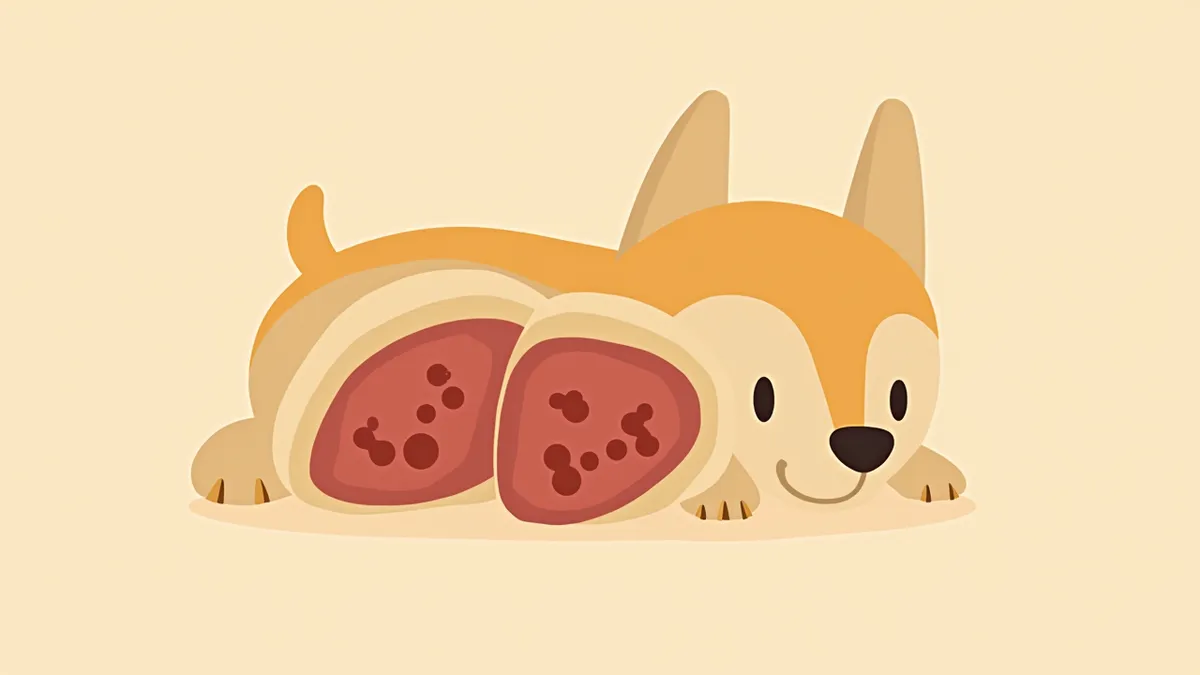
A medical illustration comparing a healthy dog liver with an enlarged one.
Hepatic enlargement (hepatomegaly) in dogs refers to a condition where the liver is larger than the normal range. Rather than being a disease in itself, it is a "sign" that can result from various underlying causes. These causes include congestion, inflammatory conditions such as acute hepatitis, vacuolar hepatopathies like steroid-induced or fatty changes, tumors, and benign nodular hyperplasia. In young dogs, the liver may appear relatively large as part of normal development, and many cases are entirely asymptomatic. It is important to remember that nutritional supplements cannot replace treatment for these underlying conditions and should only be viewed as supportive aids. - Liver-supporting ingredients: May include components that help reduce liver cell damage as a supportive measure. - Antioxidant ingredients: Ingredients such as vitamin E, which help alleviate oxidative stress, are used to support liver health. - Bile-improving ingredients: Agents like ursodeoxycholic acid (UDCA) are used as supportive therapy in cholestatic liver diseases. - Safe ingredients: Choose products with ingredients that have minimal side effects and are well-tolerated by dogs. - Ease of administration: Products in convenient forms that are easy to give can help with consistent management.

Criteria for Choosing Nutritional Supplements for Managing Hepatic Enlargement in Dogs
When selecting a nutritional supplement to manage hepatic enlargement in dogs, the scientific evidence and safety of the ingredients are paramount. Above all, since nutritional support cannot replace treatment for the underlying disease, it must always be used in conjunction with a veterinarian’s diagnosis. First, verify that the product contains ingredients with proven efficacy for liver protection and check for potential side effects. Additionally, the ease of administration and palatability are critical factors that determine the success of the management plan.
Evidence-based liver support ingredients: Vitamin E (an antioxidant) and Ursodeoxycholic acid (UDCA), used for cholestasis, are representative ingredients used as adjuncts for inflammatory and cholestatic liver diseases. In contrast, glucosamine is an ingredient for joints and has no evidence supporting liver protection.
Minimizing side effects: Products free from synthetic preservatives, antimicrobial agents, and artificial flavorings are safer.
Palatability and ease of administration: The supplement should be easy to administer, such as in capsule or liquid form.
Veterinary consultation first: Diagnosis and treatment of the underlying cause should always take precedence over the use of supplements alone.
A veterinarian explaining a liver health supplement for dogs to a pet owner.

BEST 1: Hepatocyte Renewal Protein Capsules
This capsule supplement features SAMe (S-adenosylmethionine) and glutathione as its key ingredients. However, since veterinary textbooks do not definitively prove that these two components directly improve hepatic enlargement itself, it is more accurate to view this product as a supportive aid rather than a treatment. It is best approached from the perspective of an antioxidant supplement that helps alleviate oxidative stress. The capsule form makes it relatively easy to administer, with a recommended dosage of one capsule per day adjusted according to your pet’s body weight; however, you must always consult your veterinarian to determine whether and for how long to use it. Rather than relying solely on the supplement for results, prioritize diagnosing and treating the underlying disease causing the hepatic enlargement.
A puppy happily enjoying liver health capsules

BEST 2: Ganrenew 365 Liquid Supplement
This product comes in a convenient liquid form for easy administration. One of its key ingredients, vitamin E, is an evidence-based component used as an adjunct in inflammatory and cholestatic liver diseases due to its antioxidant effects (the adjunctive dose is approximately 10–15 IU per kg of body weight per day). However, the listed glucosamine is intended for joint health and lacks evidence supporting liver function recovery, so you shouldn’t choose this product solely for that ingredient. Mixing it into water or treats ensures most dogs will accept it without resistance. Adjust the dosage based on your dog’s weight, but always follow your veterinarian’s instructions. The liquid format is especially suitable for dogs with picky eating habits, but remember that supplements only play a supportive role in addressing the underlying cause of the condition.
A liquid supplement for supporting your dog’s liver health, along with its dropper and cap, is placed on the table.

BEST 3: Premium Liver Health Capsules 300
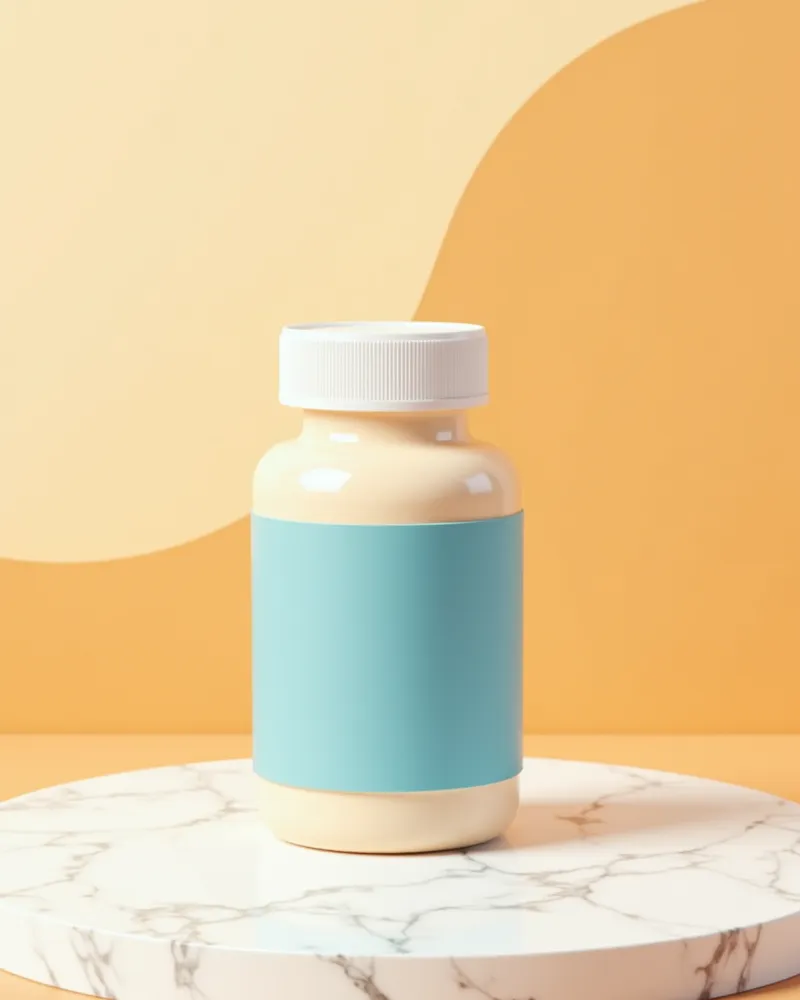
This capsule supplement contains a blend of ingredients, including SAMe, glutathione, lutein, and omega-3 fatty acids. While omega-3 (n-3) fatty acids have been studied for their anti-inflammatory and immune-modulating effects, there is no textbook evidence proving a direct therapeutic effect on hepatic enlargement; therefore, it is accurate to view this ingredient as supportive rather than curative. The provided materials also do not substantiate claims that lutein protects the liver. The capsules are small and easy to swallow. Administer one capsule daily according to your pet’s body weight, and consult your veterinarian regarding long-term use. Please remember that no supplement can replace the diagnosis and treatment of the underlying disease.
An elegant blue-label liver health capsule product is placed on the table.

Comparison Table of BEST 1–3 Products

ItemBEST 1: Hepatocyte Renewal CapsuleBEST 2: LiverNew 365 LiquidBEST 3: Premium Capsule 300
Key IngredientsSAMe, glutathioneVitamin E, SAMe (glucosamine is for joints)SAMe, glutathione, omega-3, lutein
FormCapsuleLiquidCapsule
Ease of AdministrationVery easyEasyVery easy
Recommended Age6 months or older6 months or older6 months or older
Price (per 30 days)About $10About $10About $20

Ingredient labeling is product information and does not mean that therapeutic efficacy or safety for hepatomegaly is guaranteed. Glucosamine is a joint ingredient with no evidence for liver protection and must be distinguished from ingredients with supportive evidence for liver disease such as vitamin E and ursodeoxycholic acid. Always consult your veterinarian before administering any product.

Precautions and Contraindications

When giving supplements to dogs with an enlarged liver, always follow your veterinarian’s guidance. In cases of severely impaired liver function, certain ingredients may actually place additional strain on the liver. Overdosing can cause vomiting, diarrhea, and loss of appetite, so never exceed the recommended dosage. Be sure to consult your vet before use if your dog is pregnant, nursing, or taking other medications.

Tips for Managing Hepatic Enlargement in Dogs

Managing hepatic enlargement goes beyond simply administering supplements; daily care is essential. This includes dietary adjustments, stress reduction, and regular veterinary check-ups. Contrary to common misconceptions, indiscriminately reducing protein intake in dogs with liver disease can actually lead to muscle breakdown and malnutrition. Veterinary guidelines recommend against excessive protein restriction, suggesting an initial intake of approximately 2.5 grams per kilogram of body weight per day, adjusted based on the dog’s tolerance. Adequate carbohydrates and fats are also necessary to meet energy requirements, and commercially available prescription liver diets serve as an excellent starting point. It is advisable to avoid red meat, fish, and organ meats.
Dietary Management: Avoid excessive protein restriction (start at approximately 2.5 g/kg/day and adjust as needed), avoid red meat and organ meats, and transition to a veterinarian-recommended diet.
Stress Management: Maintain a quiet environment and reduce stress through regular walks.
Regular Check-ups: Monitor liver status via blood tests for liver enzymes (ALT, AST). The testing interval should be determined by the veterinarian based on the dog’s condition, typically ranging from every few weeks to every few months, rather than weekly.
Hydration: Encourage sufficient water intake.
A puppy eating veterinarian-recommended food and drinking water in a quiet environment.

Reviewed by a veterinarian

Dr. Tony — Punnawat Phongkittirak

Dr. Tony — Punnawat Phongkittirak

Veterinarian

A veterinarian who majored in veterinary medicine at Khon Kaen University, Thailand, and completed the IVSA program at North Carolina State University in the United States. Drawing on clinical experience at animal hospitals, he works in the pet healthcare field and is dedicated to building a digital care environment that connects pet parents with veterinarians.

Frequently Asked Questions

Can an enlarged liver be completely cured?
It depends on the underlying cause. If the condition is due to inflammation or malnutrition, it can often be resolved with proper care. While genetic causes are difficult to cure, their progression can be slowed to help preserve function.
Is it okay to take the supplement twice a day?
As long as you don’t exceed the recommended dose, it’s fine to give it twice a day if your veterinarian advises it. However, once a day is usually sufficient.
Will giving supplements help improve liver function more quickly?
Supplements are supportive aids that help liver cells recover; they don’t provide immediate results. Improvements in liver function are typically seen after 4 to 8 weeks, so consistent administration is essential.
Is it necessary to always use supplements when liver enlargement occurs?
It depends on the condition as assessed by your veterinarian. In mild cases, dietary management alone may be sufficient. Supplements are recommended when liver function has declined.
What should I do if my pet’s symptoms worsen while taking the supplement?
Stop administering the medication immediately and contact your veterinarian. Prompt action is important because symptoms such as vomiting, diarrhea, or shock may occur.

Share

Related Guides

References

[1] Plumb's Veterinary Drug Handbook, 9th Edition, 2022. Wiley-Blackwell.

[2] Feldman, B. F., & Nelson, R. W. (2013). Canine and Feline Endocrinology and Reproduction. Elsevier Health Sciences.

[3] American College of Veterinary Internal Medicine (ACVIM). (2021). Consensus Statement on Hepatic Support Therapy in Dogs. Journal of Veterinary Internal Medicine, 35(4), 1500–1512.

This information is based on veterinary literature and does not replace diagnosis or treatment. Please consult a veterinarian for specific health concerns.

Metapet Co., Ltd. | CEO: Park Sung-yong | Business Reg. No. 417-88-02562 | Seoul, South Korea | Customer Center

Hepatic Enlargement in Dogs: 7 Warning Signs & Vet Care Tips | Meongsiljang