

Top Prescription Diets for Dogs with Liver Disease and Selection Criteria
I’ll outline the criteria for selecting prescription diets for dogs with liver disease and recommend products such as Hill’s l/d and Royal Canin Hepatic, all based on veterinary evidence.
What Are Prescription Diets for Dogs with Liver Disease?

Prescription Diets Must Be Fed Only After a Veterinary Prescription
The ideal nutritional composition varies depending on the cause and stage of liver disease. If hepatic encephalopathy is present, it’s best to limit protein or switch to highly digestible plant-based or dairy proteins. However, if hepatic encephalopathy is absent, current guidelines recommend against restricting protein, even in cases of portosystemic shunts. Excessive protein restriction can actually lead to muscle loss and nutritional deficiencies. Please consult your veterinarian to choose the most appropriate product based on blood test results (ALT, AST, ALP, and bilirubin levels) and diagnostic findings. Selecting a prescription diet without professional guidance may have adverse effects.
5 Criteria for Choosing a Good Prescription Diet for Liver Disease
Comparison of Prescription Diets for Liver Disease Available in Korea
| Item | Hill's l/d | Royal Canin Hepatic | Specific CLD |
|---|---|---|---|
| Core design | Copper restriction and antioxidants | Low fat and copper restriction | High digestibility and low sodium |
| Dry product | True | True | True |
| Wet product | True | True | False |
| Copper restriction | True | True | True |
| Omega-3 enriched | True | False | True |
| Purchase method | Animal hospital prescription | Animal hospital prescription | Animal hospital prescription |
All prescription diet foods can be purchased after a prescription is issued at the animal hospital. Product nutritional content may vary depending on manufacturer updates.
No. 1 Hill’s Prescription Diet l/d — The Standard for Liver Disease Prescription Diets

No. 2 Royal Canin Hepatic — Minimizes Liver Burden with Low-Fat Formulation
No. 3 Specific CLD — High Digestibility, Low Sodium European Veterinary Brand
Please Follow This When Transitioning to a Prescription Diet
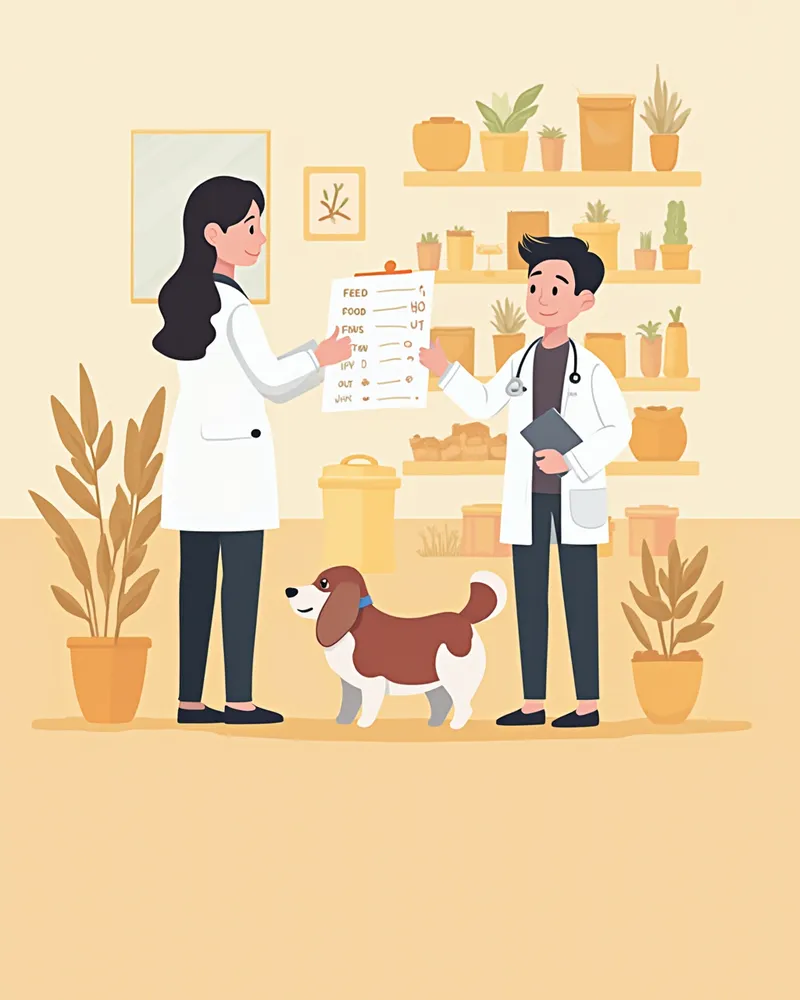
Switching abruptly from your pet’s current food to a prescription diet can cause digestive upset. Please transition gradually over 7–10 days by slowly decreasing the amount of the old food while increasing the prescription diet. If you plan to add any treats or supplements alongside the prescription food, be sure to consult your veterinarian first. Never feed toxic foods such as onions, garlic, or grapes.
Reviewed by a veterinarian

Dr. Tony — Punnawat Phongkittirak
VeterinarianA veterinarian who majored in veterinary medicine at Khon Kaen University, Thailand, and completed the IVSA program at North Carolina State University in the United States. Drawing on clinical experience at animal hospitals, he works in the pet healthcare field and is dedicated to building a digital care environment that connects pet parents with veterinarians.
Reviewed 2026-05-29
Frequently Asked Questions
Do I need to feed prescription diet food for my pet’s entire life?
My pet is on a prescription diet but has no appetite. What should I do?
Can I mix prescription diet food with regular pet food?
Can I give nutritional supplements alongside a prescription diet for liver disease?
Can I stop the prescription diet once my pet’s liver values improve?
Share
Related Guides

7 Key Symptoms and Management Essentials for Canine Cholecystitis Recommended by Veterinarians

Top 5 Milk Thistle (Silymarin) Liver Supplements for Dogs — A Comparison Guide Based on Silybin Content and Absorption Rates

Top 5 Prescription Cat Foods for Liver Disease — Diets for Fatty Liver and Hepatitis Recovery
Best Low-Irritant Cat Food for Enteritis: Recommendations and Selection Criteria

Best Low-Fat Dog Food Recommendations for Pancreatitis and Selection Criteria

Top 5 Dog SAMe Liver Supplements Recommended by Veterinarians

Top 5 Cranberry Urinary Supplements for Dogs — Preventing Cystitis
Top 5 Kidney Supplements for Dogs — Omega-3 vs. Azodyl Comparison

Top 5 Cat Stairs and Cat Tower Ramps for Senior Cats — Reducing Joint Stress

Veterinarian-Recommended Top 5 UC-II Collagen Joint Supplements for Dogs
References
[1] Fascetti AJ, Delaney SJ. Applied Veterinary Clinical Nutrition, 2nd Ed. Wiley-Blackwell, 2012.
[2] Schaer M, Gaschen FP. Clinical Medicine of the Dog and Cat, 4th Ed. CRC Press, 2022.
[3] Webster CRL. Hepatobiliary disease. In: Ettinger SJ, Feldman EC, Côté E, eds. Textbook of Veterinary Internal Medicine, 8th Ed. Elsevier, 2017.