Like
Share
멍실장
강아지 거대식도증 — 처방식과 수직 급여대 추천 TOP 5

Canine Megaesophagus — Top 5 Prescription Diets and Vertical Feeding Stands

DigestiveTop PicksMeongsiljang Veterinary Advisory Board

Canine megaesophagus is a chronic digestive disorder in which weakened esophageal muscle motility prevents food and water from reaching the stomach, causing them to remain trapped in the esophagus. The key management principles are feeding in an upright position, adjusting food consistency, and offering small, frequent meals.

What is Canine Megaesophagus?

A puppy eating soft food from a bowl placed at chest height on a vertical feeding stand.
Canine megaesophagus is a chronic digestive disorder in which the esophagus becomes dilated and loses its motility, preventing food and water from properly reaching the stomach and causing them to remain in the esophagus. It is considered the most common cause of regurgitation in dogs. The key management strategies are feeding in an upright position, adjusting food consistency (viscosity), and providing small, frequent meals. If regurgitated food enters the airway, it can lead to aspiration pneumonia, making adequate caloric intake and proper feeding posture critically important. In idiopathic cases (where the cause is unknown), there is no specific cure, so management focuses on dietary and positional adjustments, with a multifaceted approach that may include medications such as prokinetics as recommended by a veterinarian. This article outlines practical dietary and upright-feeding management tips that pet owners can implement.

Why is the Combination of Prescription Diet and Vertical Feeding Stand Important?

The most serious complication to watch for in megaesophagus is aspiration pneumonia. If regurgitated food enters the airway, it can lead to aspiration pneumonia, which may escalate into an emergency such as respiratory distress. When the esophagus is dilated, feeding a dog in a lying-down position makes it easier for food to slip into the lungs. Therefore, management hinges on two key pillars: - Positioning: Maintain an upright (vertical) position during meals and for a set period afterward (at least 10–15 minutes) to allow gravity to help move food downward. - Consistency (viscosity): Experiment with various food textures, such as thin porridge or meatballs, to find the consistency that works best for your pet, as individual responses vary. The combination of "upright feeding + high-calorie diet" is designed to address both of these factors simultaneously.

Check These Before Applying the Top 5 Combinations

Megaesophagus must be confirmed via esophagography and X-rays before adjusting the diet. Simply switching food based on your own judgment can cause you to miss underlying conditions such as myasthenia gravis or hypothyroidism. Additionally, the ideal combination of food consistency and feeding posture varies from dog to dog, so for the first two weeks, you should directly observe your dog eating and record the frequency of coughing and regurgitation.

Key Fact 1: What is Megaesophagus?

Megaesophagus is a condition in which the esophagus becomes dilated and loses its motility, preventing food from passing properly into the stomach. A hallmark sign is regurgitation of undigested food shortly after eating. During this process, food can enter the airway, significantly increasing the risk of aspiration pneumonia. Because aspiration pneumonia can be life-threatening, emergency veterinary care is essential if coughing, fever, or difficulty breathing occurs. Megaesophagus may be congenital or secondary to other conditions, such as myasthenia gravis, making identification of the underlying cause crucial.
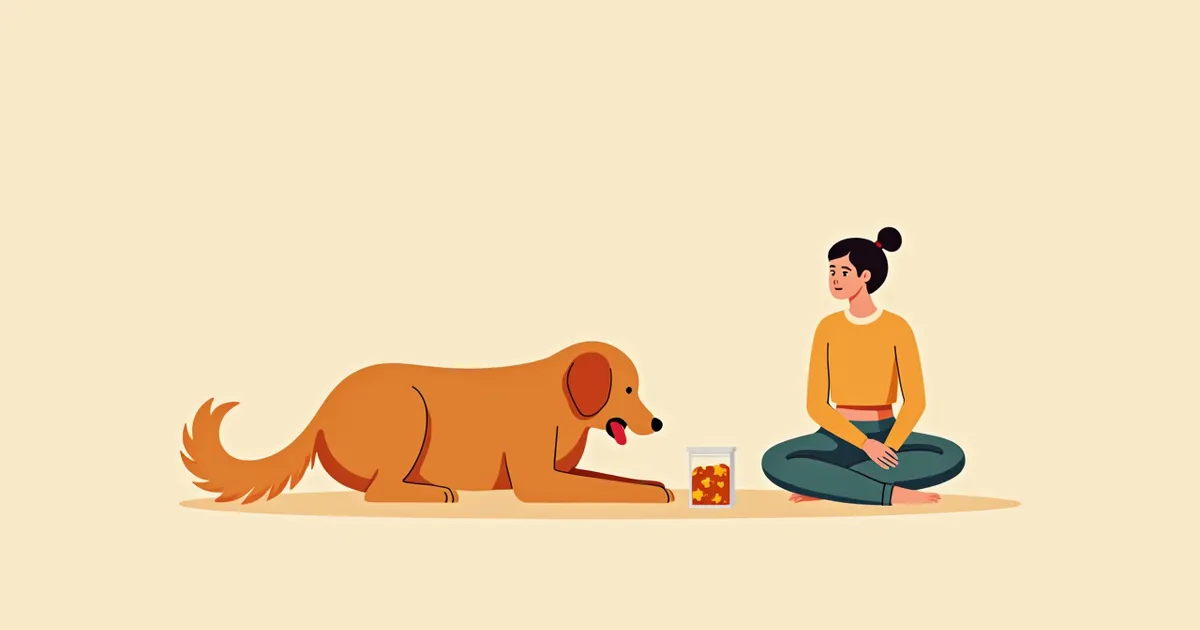
What is megaesophagus? See the related guide image.

Key Points on Diet and Feeding for Megaesophagus

ItemKey points
ConditionReduced esophageal motility causes reflux; high risk of aspiration pneumonia
Key managementUpright-position feeding + food consistency suited to the pet
EmergencyCoughing, fever, difficulty breathing (aspiration pneumonia) require immediate care
CauseEvaluate and concurrently treat congenital/underlying diseases (e.g., myasthenia gravis)
CautionDiscuss feeding method/prescription diet with your veterinarian; do not rely on unproven products

This table does not recommend specific products or clinics; it is a reference for consulting your veterinarian. Always make treatment and testing decisions together with your veterinarian through an examination.

Key Fact 2: Food Consistency and Vertical Feeding are Key

The cornerstone of managing megaesophagus is using gravity to help food move down into the stomach. Feeding your pet in an upright position and keeping them vertical for a set period after meals—known as vertical feeding—helps reduce the risk of regurgitation and aspiration. The ideal food consistency, whether it’s a thin gruel or a thicker paste, varies from pet to pet, so you may need to try different textures to find what works best. Maintaining adequate nutrition and caloric intake is also essential. Your veterinarian will help determine the most appropriate prescription diet and feeding method based on the underlying cause and your pet’s specific condition.
The key is dietary viscosity and vertical feeding. Please refer to the related guide image.

Key Fact 3: Cause Evaluation and Complication Management

Identifying the underlying cause of megaesophagus is crucial, and any concurrent underlying conditions must be treated simultaneously. The most serious complication to watch for is aspiration pneumonia, so monitor your pet’s breathing closely and seek veterinary care promptly if any abnormalities arise. If dietary and positional management alone are insufficient, your veterinarian may consider additional interventions, such as prokinetic medications to support gastrointestinal motility. Rather than relying on unverified products, it is safest to collaborate with your veterinarian to develop a comprehensive plan covering feeding methods, prescription diets, and complication management. Consistent care significantly impacts your pet’s quality of life.

Key Fact 4: Key Points for Managing Feeding Posture and Frequency

Keeping your puppy in an upright position is recommended during meals and for 10–20 minutes afterward, with the exact duration tailored to your puppy’s needs in consultation with your veterinarian. Offering smaller, more frequent meals rather than large portions at once can help reduce reflux. You may use a specialized feeding stand (such as a chair-style device that holds the puppy upright) or other safe alternatives, though the best approach depends on your puppy’s body type and condition. Since water also poses a risk of reflux and aspiration, discuss feeding methods with your veterinarian, and reassess your approach if your puppy frequently gags or coughs.

Signs Suspected of Aspiration Pneumonia — Go to the Emergency Room Immediately

If your dog with megaesophagus shows any of the following signs, it may be an emergency requiring suspicion of aspiration pneumonia. Aspiration pneumonia can progress rapidly and lead to respiratory failure, so prompt veterinary care is essential for safety. - Sudden, frequent coughing or gagging after meals - Rapid breathing, increased effort to breathe, or visible chest heaving - Bluish or pale gums - Fever, lethargy, and decreased appetite - Purulent nasal discharge or coarse lung sounds (crackles) Even in the middle of the night or early morning, head immediately to a 24-hour veterinary hospital.

Key Points for Managing Feeding Posture and Frequency

Even with the right diet and feeding equipment, improper management can significantly reduce effectiveness. Check the following at every meal: - Small, frequent meals: Instead of large portions, offer smaller amounts more often to reduce the burden on the esophagus during each feeding. - Upright posture: Maintain an upright position during meals and for a set period afterward (approximately 10–20 minutes, or about 20 minutes when using a Bailey chair). - Food consistency: Experiment with different textures, such as thin gruel or meatballs, to find what works best for your pet, while ensuring the diet provides sufficient calories. - Water administration: Water also carries a risk of reflux and aspiration. Consult your veterinarian about adjusting the feeding method, such as using veterinary-approved thickening agents to increase viscosity if necessary. - Sleeping position: Elevating the head and upper body slightly may be beneficial. These dietary and postural management strategies are central to managing megaesophagus. When needed, they are recommended to be combined with other treatments, such as prokinetic medications, for a comprehensive approach.
Infographic: 4 Key Points for Feeding Management in Dogs with Megaesophagus

Reviewed by a veterinarian

Dr. Tony — Punnawat Phongkittirak

Dr. Tony — Punnawat Phongkittirak

Veterinarian

A veterinarian who majored in veterinary medicine at Khon Kaen University, Thailand, and completed the IVSA program at North Carolina State University in the United States. Drawing on clinical experience at animal hospitals, he works in the pet healthcare field and is dedicated to building a digital care environment that connects pet parents with veterinarians.

Frequently Asked Questions

Is it okay to feed my pet at a regular dining table without using the Bailey Chair?
It may be feasible in the short term, but it is not recommended for long-term management. The Bailey Chair is a device designed to help dogs maintain a stable upright (vertical) posture for a set period after meals (approximately 20 minutes), tailored to their body shape. Feeding at a dining table increases the risk of food stagnating in the esophagus due to improper posture. The appropriate posture and assistive device should be determined in consultation with a veterinarian, based on the dog’s build and health condition.
Can I grind up regular pet food instead of using prescription food?
The form (viscosity) of the food and sufficient caloric intake are the key points. Textbooks recommend trying high-calorie diets in various forms, such as thin porridge or meatballs, to find what suits your pet best. Blending regular kibble with water can also be an option, but the appropriate diet depends on the underlying cause and condition, so it's safest to consult with your veterinarian.
Is megaesophagus curable?
It depends on the underlying cause. If there’s an underlying condition, such as myasthenia gravis or hypothyroidism, treating that condition may lead to improvement, but resolution isn’t guaranteed. For example, studies report that megaesophagus associated with myasthenia gravis improves in only about half of cases, even after treating the primary disease. Idiopathic cases (where the cause is unknown) are difficult to cure and require lifelong management.
Should I turn the water into jelly as well?
This can help puppies at high risk of aspiration. Because water is a liquid, it can quickly reflux in the esophagus and easily enter the airway. Increasing viscosity with veterinary thickeners (such as Thick-It) or gelatin and feeding in an upright position can help reduce the risk of aspiration. However, the specific approach should be determined in consultation with your veterinarian, as it depends on the puppy’s condition.
Are drug treatments (cisapride, metoclopramide) effective?
Managing megaesophagus requires more than just one approach. For idiopathic (cause unknown) megaesophagus, a multimodal strategy is recommended, combining nutritional support and dietary/postural management such as upright feeding with medication like prokinetics to stimulate gastrointestinal motility. If an underlying disease is present, treatment for that condition must be pursued concurrently. Since the choice of medication depends on the specific cause and the patient’s condition, please consult your veterinarian to determine the most appropriate treatment plan.

Share

Related Guides

References

[1] Ettinger SJ, Feldman EC, Cote E, Textbook of Veterinary Internal Medicine, 8th Ed — Chapter on Disorders of the Esophagus

[2] Hall EJ, Williams DA, Kathleen MA, BSAVA Manual of Canine and Feline Gastroenterology, 3rd Ed

[3] Nelson RW, Couto CG, Small Animal Internal Medicine, 6th Ed — Megaesophagus and Aspiration Pneumonia

This information is based on veterinary literature and does not replace diagnosis or treatment. Please consult a veterinarian for specific health concerns.

Metapet Co., Ltd. | CEO: Park Sung-yong | Business Reg. No. 417-88-02562 | Seoul, South Korea | Customer Center

Canine Megaesophagus: Top 5 Diets & Vertical Feeding Stands | Meongsiljang