Like
Share
멍실장
강아지 크립토스포리디움 관리 추천 BEST와 고르는 기준 총정리

Top 3 Recommended Products for Canine Cryptosporidiosis Management and Selection Criteria

Infection/ParasitesTop PicksMeongsiljang Veterinary Advisory Board

Canine cryptosporidiosis is an intestinal parasitic infection that can cause diarrhea and weight loss. We’ve outlined key criteria for selecting effective management products and recommend our top three choices.

What Is Canine Cryptosporidiosis?

Microscopic image of Cryptosporidium oocysts
Cryptosporidium is a protozoan parasite that lives in the intestines of dogs and can cause symptoms such as diarrhea and weight loss. These symptoms tend to be more severe in puppies or dogs with weakened immune systems. Infection typically occurs through contaminated water or environments soiled with feces, and direct contact between dogs can also spread the parasite. However, many healthy adult dogs show no obvious symptoms, and cryptosporidiosis is considered a relatively rare cause of chronic diarrhea. Because the parasite attaches to the intestinal lining and can lead to gastrointestinal issues like diarrhea and decreased appetite, early diagnosis and management under veterinary guidance are essential.

Key Points: Managing Canine Cryptosporidiosis

When selecting a management product for canine cryptosporidiosis, keep the following criteria in mind. Above all, it is important to consult with your veterinarian to ensure the chosen method has been verified for safety.
Verify antiparasitic ingredients: Since there is no universally recognized cure for cryptosporidiosis, review the ingredients and indications with your veterinarian.
Dog-specific formulations: Choose easy-to-administer forms such as powders, liquids, or capsules to ensure convenient dosing.
Safe side-effect profile: Confirm that the ingredients place minimal strain on liver function.
Veterinarian-recommended products: Management plans determined through consultation with your veterinarian are advantageous.
Clear usage duration: Products with specified dosing schedules are recommended.
Easy storage: Select products packaged to resist sensitivity to moisture and light.
A dog owner giving a cryptosporidium management product to their puppy

Key Point 1: What Is Cryptosporidiosis?
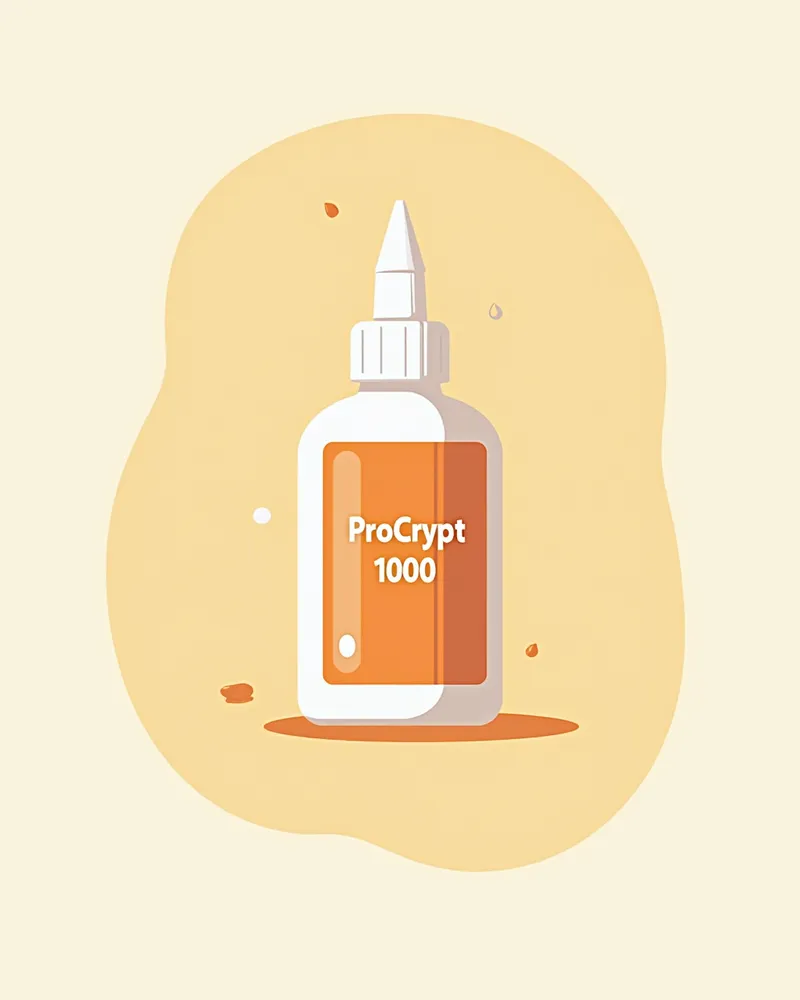
Cryptosporidium is a protozoan parasite that lives in the intestines, and dogs can become infected through contaminated water or feces. Common symptoms include loose stools, persistent diarrhea, decreased appetite, and weight loss, with puppies and immunocompromised dogs often experiencing more severe cases. Asymptomatic carriers do exist, and symptoms may worsen when combined with stress or other illnesses. According to veterinary textbooks, Cryptosporidium infections in dogs and cats do not appear to be a significant source of transmission to humans. Nevertheless, it’s always a good idea to maintain basic hygiene practices, such as washing your hands after handling feces.
Procripto 1000 liquid product

Key Point 2: How Is It Diagnosed and Treated?
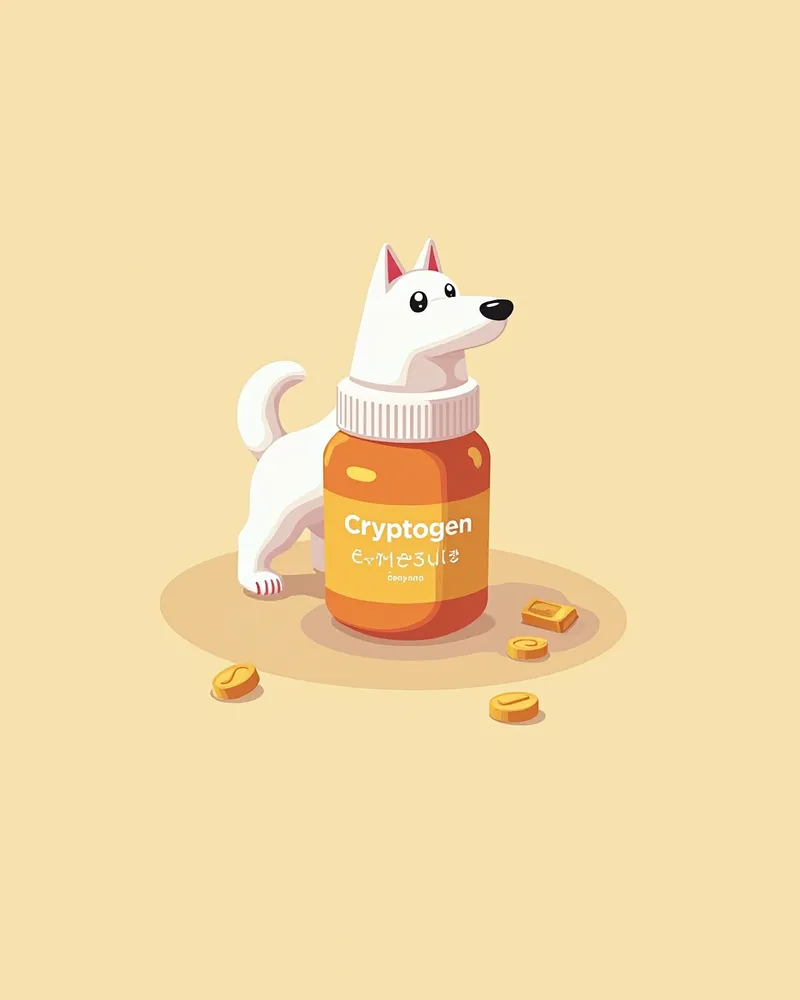
Diagnosis is made through fecal testing, and parasites can be confirmed using acid-fast staining of fecal smears, fecal antigen tests, or molecular tests such as PCR. While oocysts may be visible using the Sheather’s sugar flotation method, they are very small and easily missed, so specialized tests like staining, antigen, or molecular assays are recommended. There is no known specific cure for Cryptosporidium, so treatment focuses on supportive care such as antidiarrheals and fluids under veterinary guidance. Severe dehydration requires concurrent fluid therapy. A treatment plan must always be established by a veterinarian based on the diagnostic results.
Cryptorizene Capsule product

Key Point 3: Daily Management and Precautions
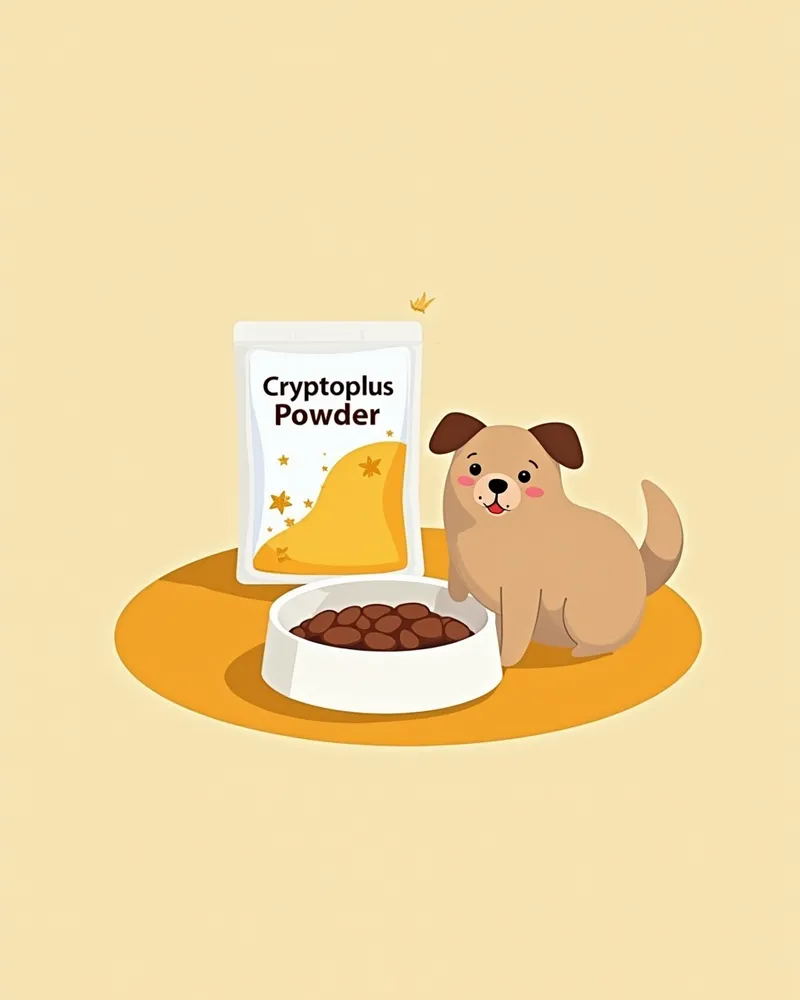
During treatment, it’s important to disinfect the bathroom area daily and promptly dispose of feces to prevent reinfection. Provide your dog with clean drinking water that has been boiled or filtered, and if you have multiple dogs, isolate the one experiencing diarrhea. Owners should also wash their hands thoroughly after handling feces. Dogs with weakened immune systems are prone to symptom recurrence, so regular fecal exams are recommended. Avoid using over-the-counter dewormers or supplements without veterinary guidance, as they may be ineffective or even harmful. Always develop a management plan in consultation with your veterinarian.
CryptoPlus Powder Product

What Owners Should Know About Canine Cryptosporidiosis

ItemKey Points
SymptomsDiarrhea, loose stool, decreased appetite, weight loss
CauseParasitic infection through contaminated water or feces
DiagnosisAcid-fast staining, fecal antigen test, or PCR
TreatmentNo clear specific cure, so supportive care such as antidiarrheals and fluids under veterinary guidance
ManagementLitter box disinfection, isolation, regular fecal examinations recommended

This is not a table recommending specific products or clinics, but a reference standard for when you consult your veterinarian. Always make treatment and testing decisions together with your veterinarian through an examination.

Precautions and Contraindications

Medications used to manage Cryptosporidium should be used with caution in dogs with pre-existing liver dysfunction. Since there is no universally proven “magic bullet” treatment, always consult your veterinarian before starting any medication, and closely monitor your dog’s condition throughout treatment. If any adverse symptoms appear, stop the medication immediately and contact your veterinarian. The use of these drugs in pregnant or nursing dogs requires thorough evaluation and professional veterinary judgment.

Usage Tips and Management Guidelines
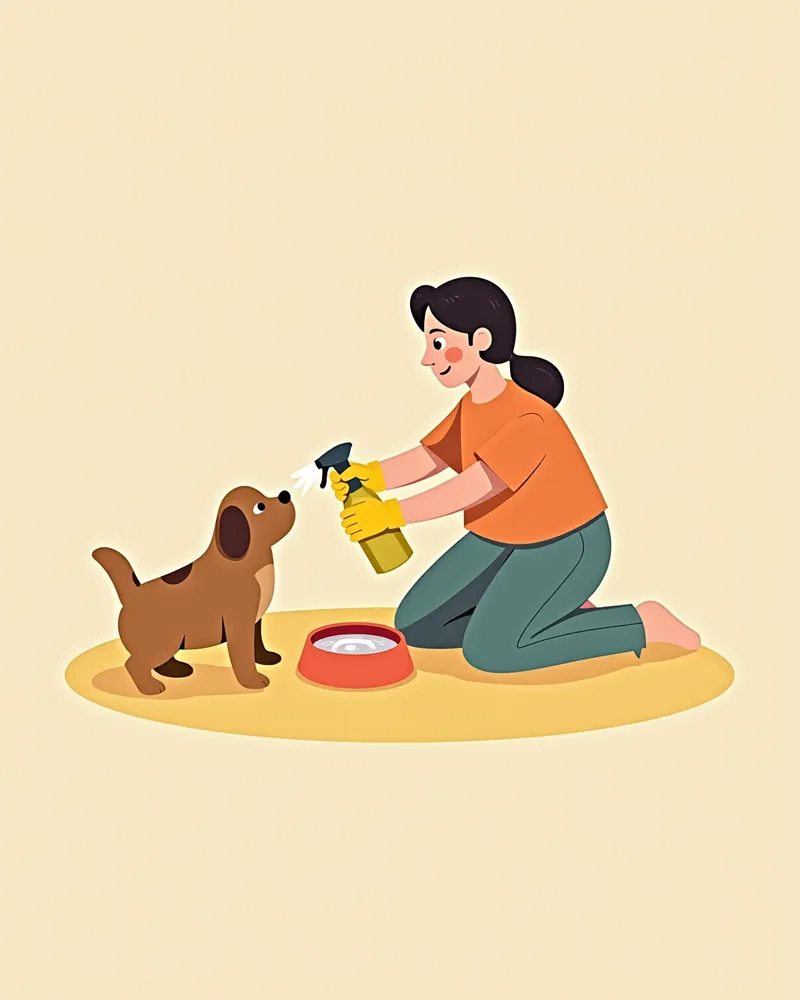
Follow these tips when using Cryptosporidium management products to maximize effectiveness and prevent reinfection.
Disinfect bowls daily: Wash your dog’s food and water bowls every day with boiling water.
Enhance environmental cleaning: Clean the litter box at least twice a day and wipe the area around the toilet with a disinfectant.
Isolate from other dogs: Keep infected dogs separated from other dogs.
Adjust diet: Switch to an easily digestible diet during episodes of diarrhea.
Keep a medication log: Record the dosing schedule in a notebook or app.
Regular veterinary check-ups: Have your dog tested 1–2 weeks after treatment.
A dog owner disinfecting their pet's food and water bowls

Reviewed by a veterinarian

Dr. Tony — Punnawat Phongkittirak

Dr. Tony — Punnawat Phongkittirak

Veterinarian

A veterinarian who majored in veterinary medicine at Khon Kaen University, Thailand, and completed the IVSA program at North Carolina State University in the United States. Drawing on clinical experience at animal hospitals, he works in the pet healthcare field and is dedicated to building a digital care environment that connects pet parents with veterinarians.

Frequently Asked Questions

Can Cryptosporidium be transmitted to humans?
According to veterinary textbooks, Cryptosporidium infections in dogs and cats do not appear to be a significant source of transmission to humans. However, individuals with severely compromised immune systems should avoid contact with animal feces and practice basic hygiene, such as thoroughly washing their hands after handling feces.
Can my pet get reinfected after treatment?
Yes, if the environment is contaminated, reinfection can occur. Thorough environmental disinfection and management are important.
Can young puppies use it too?
It may be possible depending on the ingredients and dosage. A veterinarian should determine the appropriate management plan based on your dog's age and weight.
Will giving the medication make the diarrhea worse?
When first starting the medication, diarrhea may temporarily worsen. However, if the symptoms persist, please consult your veterinarian.
How long is the treatment period?
The duration of treatment varies depending on the symptoms, the severity of the infection, and each individual’s response. It is determined based on the veterinarian’s diagnosis and is not fixed to a set period; instead, it is continuously adjusted through ongoing evaluation of the patient’s condition.

Share

Related Guides

References

[1] Reagan KL, McHardy I, Thompson GR, Sikes JE (2019) Evaluation of the clinical performance of 2 point-of-care cryptococcal antigen tests in dogs and cats. Journal of Veterinary Internal Medicine 33, 2082-2089.

[2] Simoes D, Dial SM, Coyner KS et al. (2016) Retrospective analysis of cutaneous lesions in 23 canine and 17 feline cases of coccidioidomycosis seen in Arizona, USA (2009-2015). Veterinary Dermatology 27, 346-e8.

[3] Solano-Gallego L, Koutinas A, Miro G et al. (2009) Directions for the diagnosis and management of gastrointestinal parasites in dogs and cats. Veterinary Parasitology 165, 1-15.

This information is based on veterinary literature and does not replace diagnosis or treatment. Please consult a veterinarian for specific health concerns.

Metapet Co., Ltd. | CEO: Park Sung-yong | Business Reg. No. 417-88-02562 | Seoul, South Korea | Customer Center

Canine Cryptosporidiosis: Top 3 Products & How to Choose | Meongsiljang