Like
Share
멍실장
고양이 오메가3 추천 TOP 5 — 모질·피부 개선 함량 비교

Top 5 Omega-3 Supplements for Cats — Comparison of Coat and Skin Improvement Content

Skin & CoatTop PicksMeongsiljang Veterinary Advisory Board

We’ve compared five omega-3 supplements for feline coat and skin health based on their EPA and DHA content and ingredient quality. Here’s how to choose the right product to help with allergies, atopy, and dry skin.

Why Are Omega-3s Essential Nutrients for Cats?
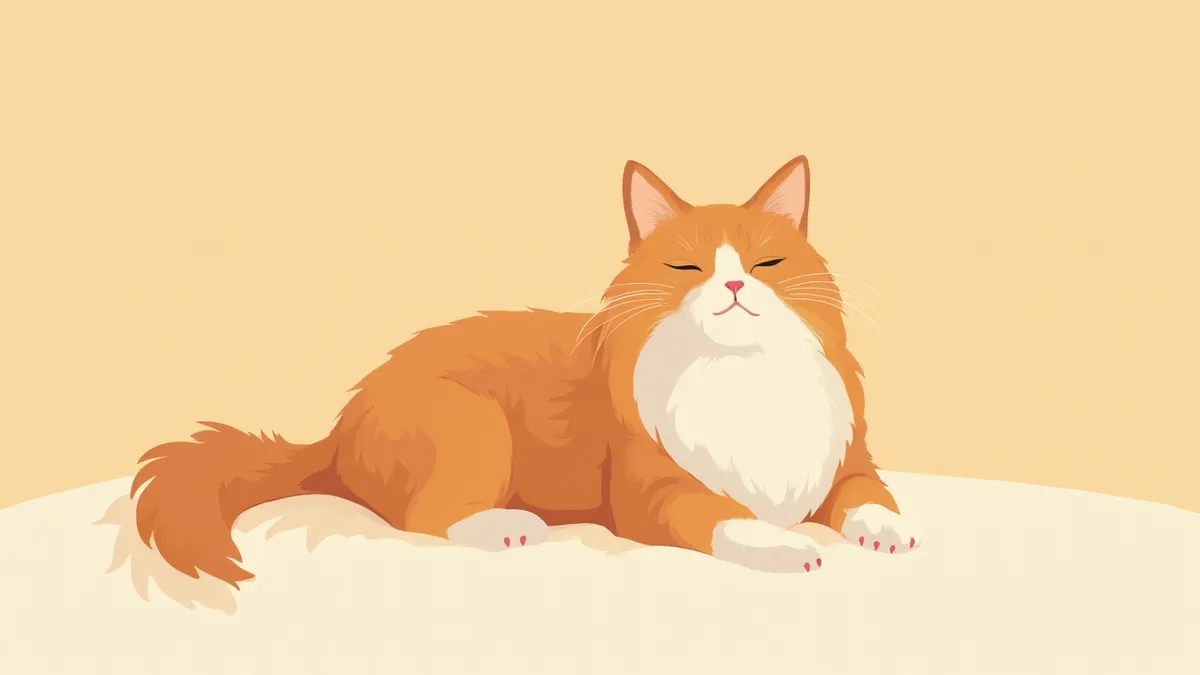
Appearance of a long-haired cat with healthy coat quality
Omega-3 supplements for cats are formulated with omega-3 fatty acids, including alpha-linolenic acid (ALA), EPA, and DHA. Omega-3s are essential fatty acids required by both dogs and cats, and long-chain omega-3s like EPA and DHA are classified as necessary throughout all life stages according to NRC standards. Because cats have limited ability to convert the 18-carbon ALA found in plant-based ingredients into the 20- and 22-carbon fatty acids like EPA and DHA, it is beneficial for them to consume these nutrients directly from marine sources rich in EPA and DHA, such as fish oil. Therefore, the content and source are crucial. It is advisable to check the label to ensure that sufficient amounts of EPA and DHA are actually present and that the product is based on fish oils with low oxidation, such as those derived from anchovies or sardine.

Effects of Omega-3s on Feline Coat and Skin

According to veterinary dermatology textbooks, EPA and DHA help soothe skin itching and redness by inhibiting the production of inflammatory mediators. - Coat improvement: Increases shine and softness, reduces static and flakiness - Itch relief: Supports treatment of atopic and allergic dermatitis - Dry skin: Reduces dandruff and flaking, strengthens the skin barrier - Inflammation control: Promotes production of anti-inflammatory mediators derived from EPA - Kidney support: EPA + DHA at 1–3 mg/kcal is recommended as a supplement for chronic kidney disease
Before-and-after comparison of a cat's coat quality with omega-3 supplementation

Key Ingredient Standards for Feline Omega-3s

Safe

EPA (에이코사펜타엔산, Eicosapentaenoic Acid)

항염증 매개체 생성, 피부 가려움 완화

Dosage: 체중 1kg당 20~30mg/일

BSAVA 피부과학 매뉴얼 권장

Safe

DHA (도코사헥사엔산, Docosahexaenoic Acid)

신경·망막 기능, 피부 장벽 유지

Dosage: 체중 1kg당 10~20mg/일

NRC 2006 영양 기준

Safe

비타민E (Vitamin E)

오메가3 산패 방지, 항산화

Dosage: 1~5IU/일 동시 섭취 권장

Caution

ALA (알파리놀렌산, Alpha-Linolenic Acid)

식물성 오메가3 전구체

Dosage: 고양이는 EPA·DHA 직접 섭취가 더 효율적

고양이는 전환율 낮음

Top 5 Feline Omega-3 Supplements — Content Comparison

ItemProduct AProduct BProduct CProduct DProduct E
EPA content180mg/ml150mg/ml120mg/capsule200mg/ml100mg/ml
DHA content120mg/ml100mg/ml80mg/capsule130mg/ml70mg/ml
Source fish speciesAnchovy·SardineSalmonMixed fish oilAnchovySalmon·Herring
Vitamin E addedTrueTrueFalseTrueTrue
FormulationLiquid pumpLiquid pumpCapsuleLiquid dropsLiquid pump
PalatabilityHighModerateLowHighModerate

Content is based on manufacturer disclosures and may vary from lot to lot

3 Things to Check When Choosing Omega-3s

Be sure to check the label for the individual amounts of EPA and DHA, the presence of vitamin E as an antioxidant to prevent rancidity, and certification for heavy metal and dioxin testing. Products that only state "Omega-3 1000mg" often contain as little as 30% actual EPA + DHA.

Top 5 Products in Detail — Which Cat Is It Right For?
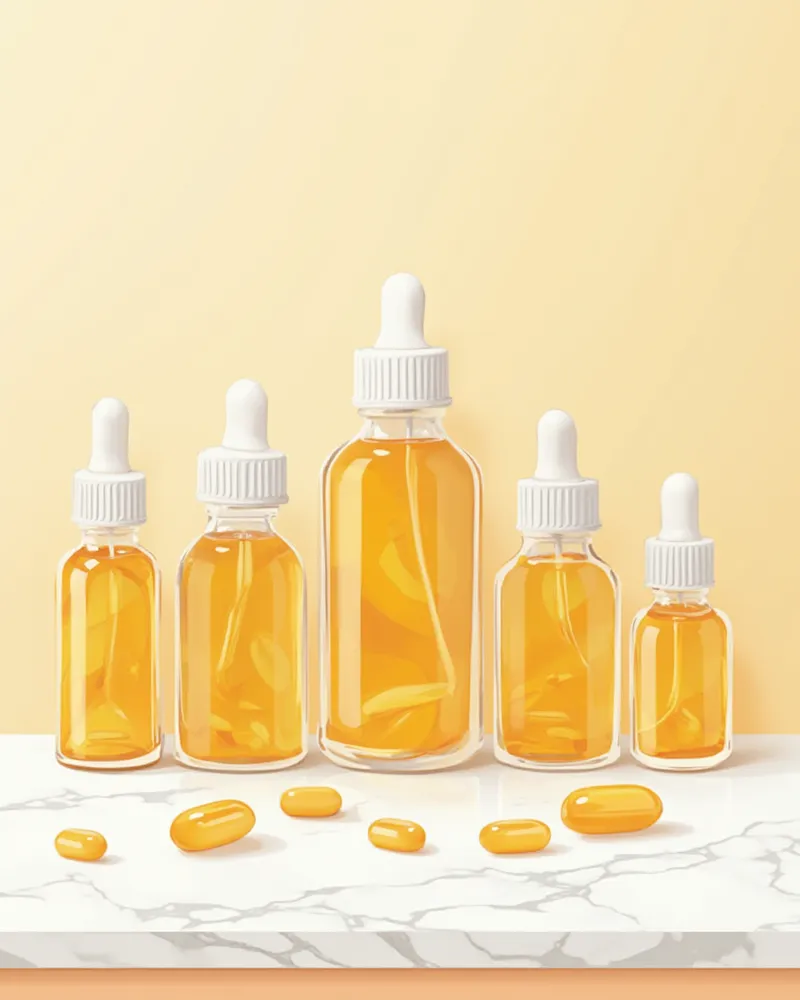
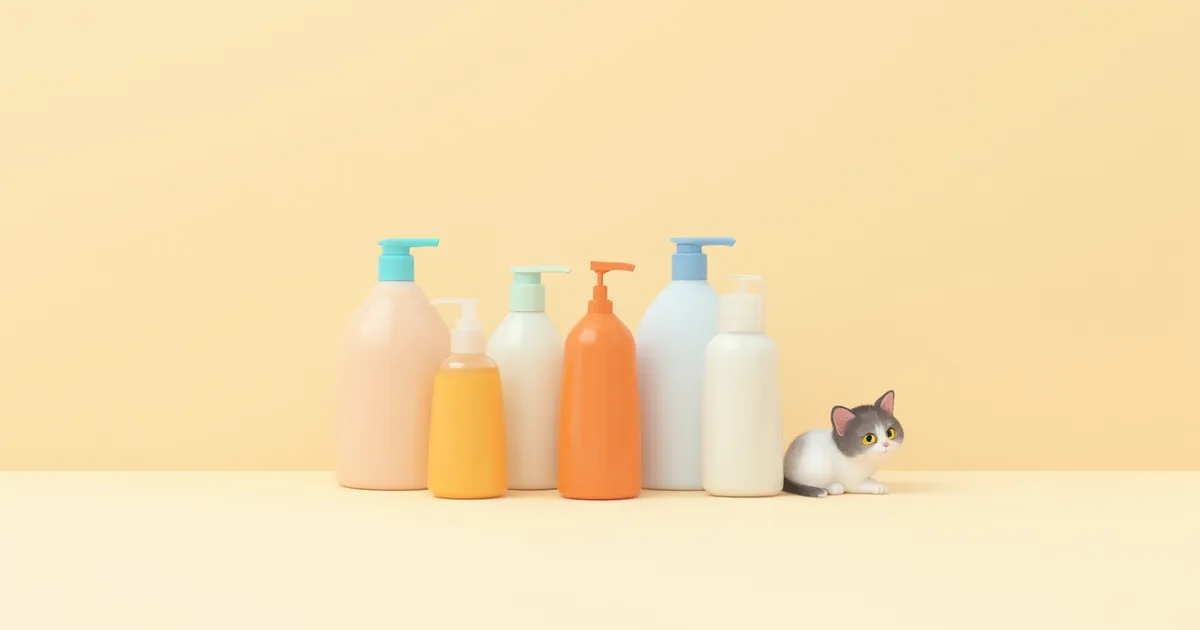
Product A (anchovy-based liquid): It has the highest concentration on the market, with a combined EPA and DHA content of 300 mg per ml, making it suitable for supporting allergic dermatitis and atopic conditions. Product B (salmon-based): While palatability is average, it offers reasonable pricing and is a solid choice for general coat maintenance. Product C (capsule form): For cats that reject liquid supplements, these capsules can be mixed into their food. Product D (drop type): Featuring top-tier potency and precise dosage control, this option is recommended for supporting kidney disease and arthritis. Product E (mixed fish oil): With a gentle, low-burden potency, this product is ideal for beginners or for preventive care.
A variety of omega-3 supplement products for cats

Recommended Feeding Amounts by Weight and Administration Methods

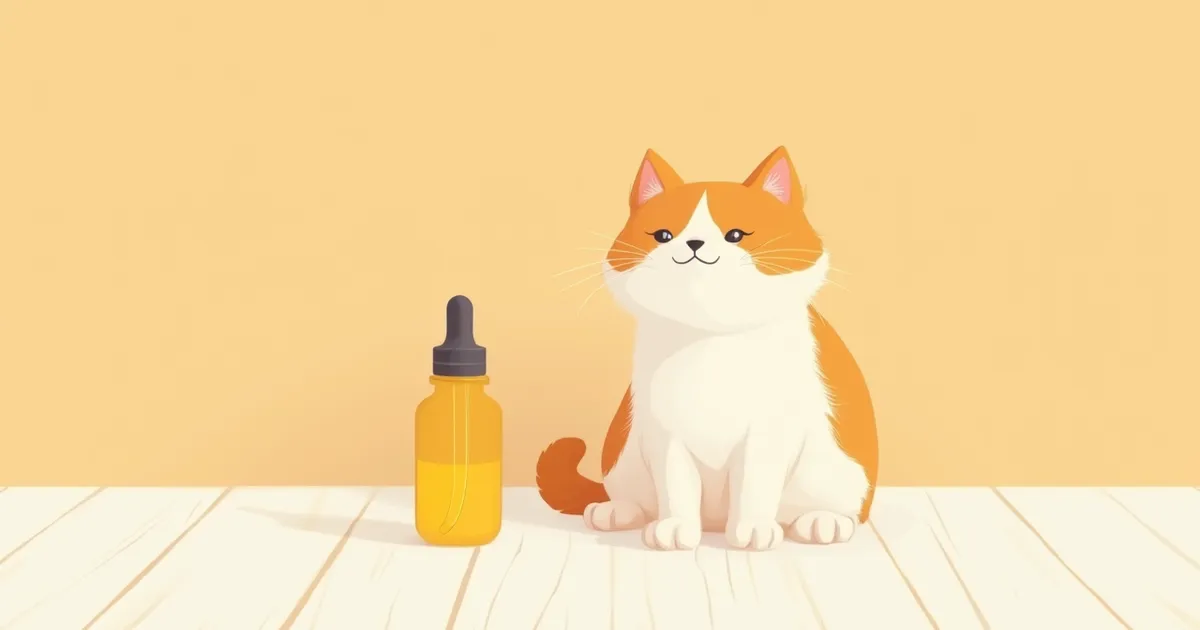
Omega-3 fatty acids integrate into cell membranes to help regulate the balance of inflammatory mediators. However, there is no single, universally established EPA+DHA dosage for feline coat and skin care in veterinary textbooks. For adjunctive support in chronic kidney disease, adding EPA+DHA at a level of 1–3 mg per calorie is suggested. Additionally, studies indicate that tissue saturation in cats occurs at approximately 600–700 mg per day. Since a clear safety upper limit has not been defined, it is best to avoid excessive amounts. - Dosage determination: Consult your veterinarian to determine the appropriate dose based on your cat’s weight and health status. - Adjunctive support for kidney disease: Aim for 1–3 mg of EPA+DHA per calorie. - Feeding tips: Sprinkle directly over dry food or mix into wet food; start with a small amount initially. - Storage: Refrigerate after opening and use before the oil goes rancid.

Consult Your Veterinarian First for These Cats

Omega-3 supplementation may not be suitable for cats with blood clotting disorders or those taking anticoagulants, cats with a history of pancreatitis, and pregnant or nursing cats. To ensure safety, a veterinarian should determine the appropriate dosage and duration based on your cat’s weight and overall health status.

When Will Effects Appear? Management Points
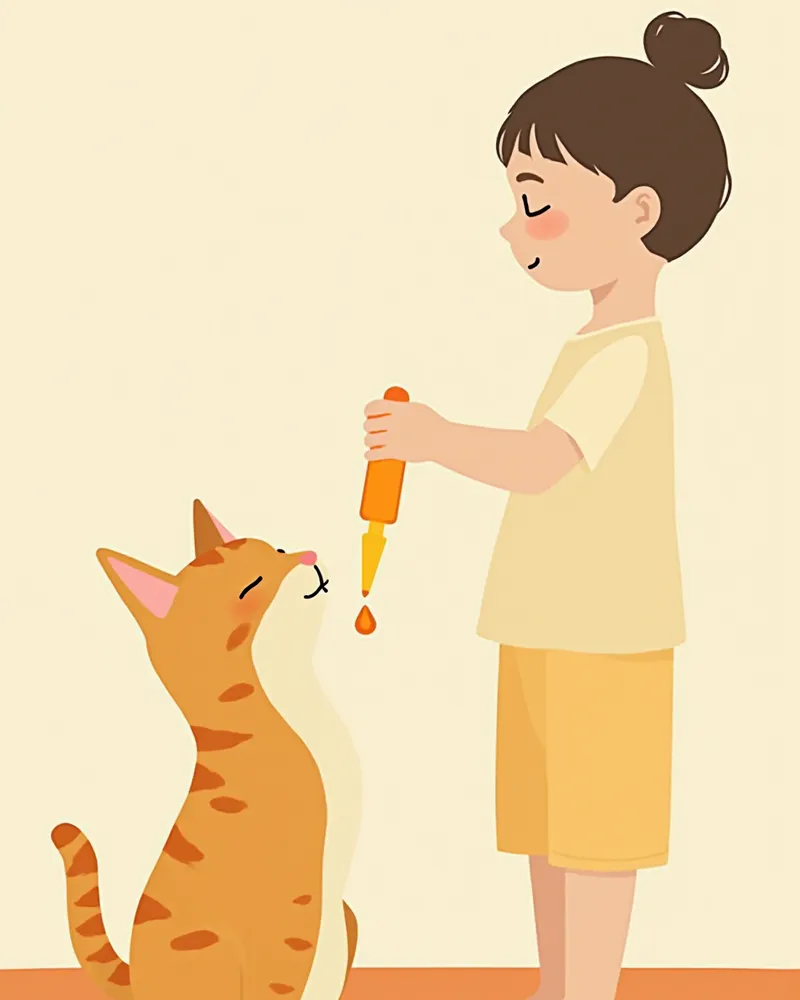
Omega-3 is not a fast-acting supplement; consistent administration over a period of time is necessary to expect benefits. While textbooks do not specify an exact timeframe for when effects will appear, studies on feline atopy have reported better responses when supplementation begins in the early stages rather than the chronic stage, highlighting the importance of consistent feeding and early management. - Consistency is key: Administer at the same time every day. - Watch for rancidity: Discontinue use immediately if a strong fishy odor develops. - Check your food: If your pet is already on an omega-3-enriched prescription diet, consult your veterinarian before adding extra supplements. - Recheck schedule: Reassess the effectiveness with your veterinarian after a period of consistent administration.
A pet owner giving omega-3 supplements to their cat

Reviewed by a veterinarian

Dr. Tony — Punnawat Phongkittirak

Dr. Tony — Punnawat Phongkittirak

Veterinarian

A veterinarian who majored in veterinary medicine at Khon Kaen University, Thailand, and completed the IVSA program at North Carolina State University in the United States. Drawing on clinical experience at animal hospitals, he works in the pet healthcare field and is dedicated to building a digital care environment that connects pet parents with veterinarians.

Frequently Asked Questions

Can I give my cat human-grade omega-3 supplements?
We don’t recommend it. Human products may contain fragrances, sweeteners, and capsule coatings that can burden a cat’s system, and their dosage units aren’t appropriate for a cat’s body weight. It’s safer to use products specifically formulated for pets.
Which is better, salmon oil or krill oil?
Based on EPA and DHA content, purified fish oils (such as anchovy and sardine oil) often have higher levels. Krill oil has the added benefit of containing the antioxidant astaxanthin, but it tends to be more expensive relative to its nutrient content.
What happens if I give my pet too much omega-3?
Overfeeding can lead to diarrhea, an increased tendency for bleeding, and weight gain. It’s best not to exceed twice the recommended amount, and if you notice oiliness in your pet’s stool, reduce the portion immediately.
Can I give this to a young kitten?
You can start giving small amounts from 6 months of age. However, since many kitten foods are already fortified with DHA, please consult your veterinarian before supplementing.
How can I feed a cat that dislikes the smell of fish?
You can give the capsule whole, or mix the liquid form into a warm wet canned food to reduce the fishy odor. If your pet still refuses it, try switching to the capsule version (Product C).

Share

Related Guides

References

[1] BSAVA Manual of Canine and Feline Dermatology, 4th Edition - Chapter on Nutritional Dermatology

[2] Clinical Medicine of the Dog and Cat, 4th Edition - Chapter 25: Nutrition of the Critically Ill Dog and Cat

[3] National Research Council (NRC), Nutrient Requirements of Dogs and Cats, 2006

This information is based on veterinary literature and does not replace diagnosis or treatment. Please consult a veterinarian for specific health concerns.

Metapet Co., Ltd. | CEO: Park Sung-yong | Business Reg. No. 417-88-02562 | Seoul, South Korea | Customer Center

Top 5 Omega-3 Supplements for Cats — EPA & DHA Compared | Meongsiljang