Like
Share
멍실장
고양이 사구체신염 관리 추천 BEST와 고르는 기준 총정리

7 Best Proteinuria Management Products for Feline Glomerulonephritis Recommended by Veterinarians and Selection Criteria

KidneyTop PicksMeongsiljang Veterinary Advisory Board

Feline glomerulonephritis is a condition in which damage to the kidney’s glomeruli allows protein to leak into the urine. Proper management and careful selection of nutritional supplements are key to treatment.

Feline glomerulonephritis is a condition in which the kidney’s glomeruli are damaged.
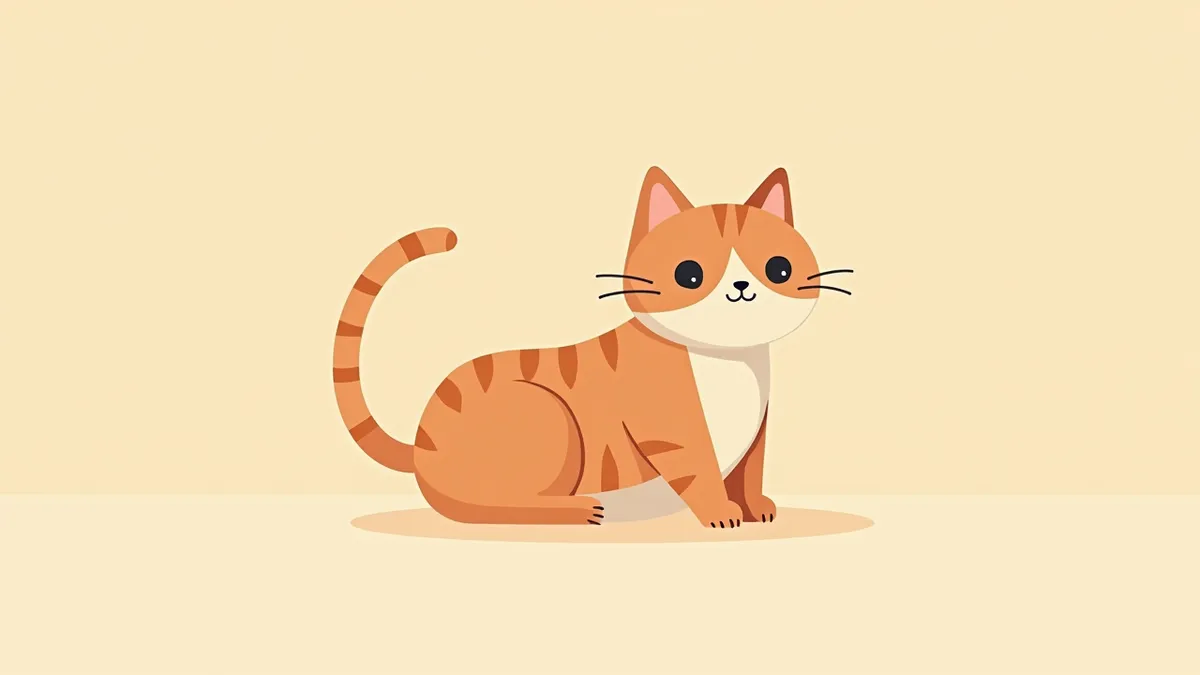
An anatomical illustration showing the glomeruli in a cat’s kidney, divided into healthy and inflamed states
Feline glomerulonephritis is a condition in which the glomeruli, the kidney’s filtering units, become inflamed or damaged, leading to increased permeability and the leakage of protein into the urine. While primary glomerular diseases are less common in cats than in dogs, proteinuria is a hallmark sign of glomerular disease. Because this condition can progress to declining kidney function, early detection and consistent management are crucial. The cornerstone of managing glomerulonephritis includes anti-proteinuric therapy (such as RAAS inhibition) and antithrombotic treatment as directed by your veterinarian, along with omega-3 supplementation and a renal prescription diet. Supplements serve only as supportive adjuncts to these primary interventions. Regular veterinary check-ups and lifestyle management can help slow the progression of the disease. - Glomerular protection: Look for ingredients that help maintain the structural integrity of the glomeruli. - Anti-inflammatory effects: Ingredients recommended in veterinary textbooks, such as omega-3 fatty acids, can be beneficial. - Low protein and low sodium: A formulation that reduces the workload on the kidneys and minimizes protein loss is essential.

There are four key factors to consider when choosing
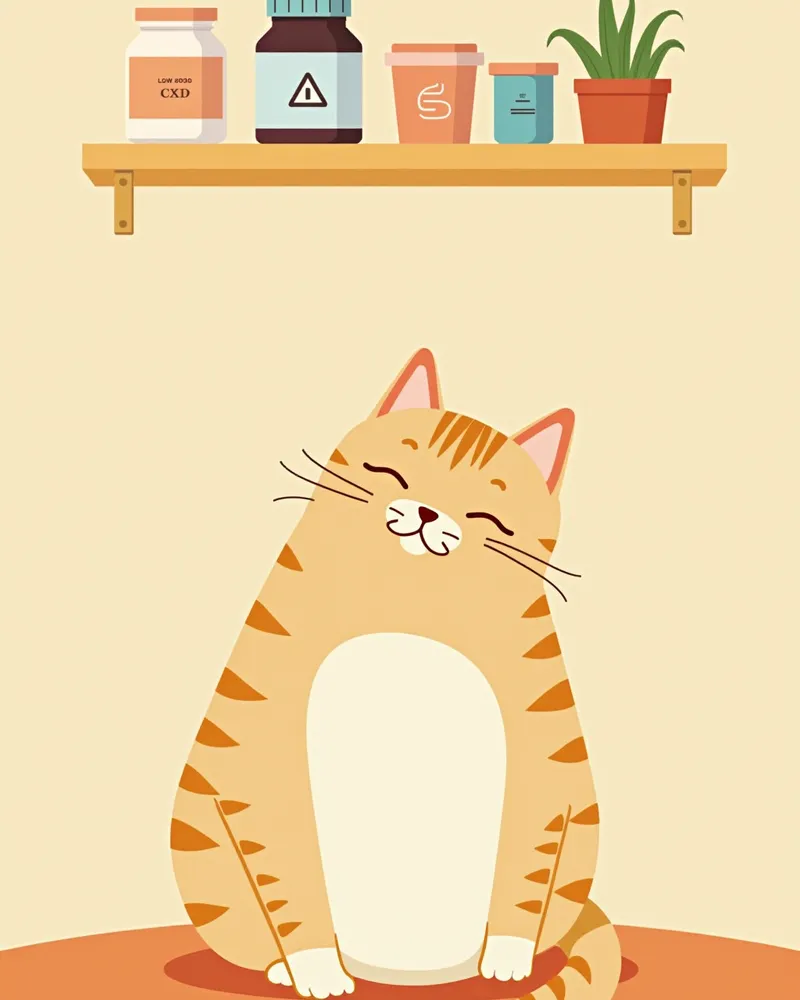
When choosing a nutritional supplement for managing feline glomerulonephritis, it is important to verify the following key factors and always consult with your veterinarian. Please remember that supplements do not replace standard medical treatment. - Protein Quality: Look for products containing low-protein formulas with high bioavailability to reduce the burden on the kidneys. - Omega-3 Fatty Acids: These are recommended in veterinary textbooks for feline proteinuric nephropathy and may provide beneficial support. - Antioxidants: While some products include ingredients like resveratrol and vitamin E, their efficacy in feline glomerular diseases has not yet been sufficiently proven. - Sodium Control: Since hypertension is common in kidney disease, carefully check that the product has a low-sodium formulation, and consider your veterinarian’s recommendation as a key criterion.
Key ingredients to check when selecting a supplement for managing feline glomerulonephritis

BEST 1: Premium Care Care Cat Glomerulus
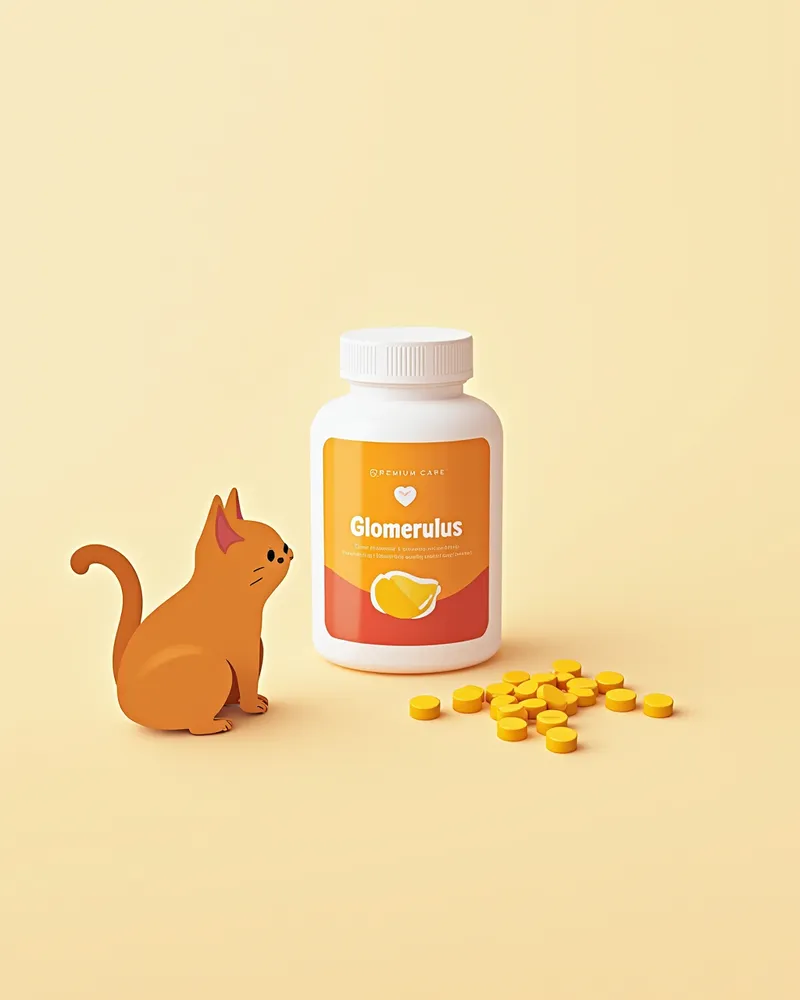
Premium Care Care Cat Glomerulus is formulated with a low-protein, low-sodium blend to support the management of feline glomerulonephritis, focusing on reducing the burden on the kidneys. - Contains Omega-3: Includes omega-3 fatty acids, which may help provide the anti-inflammatory effects recommended for proteinuric nephropathy. - Antioxidant Ingredients: Contains lutein and vitamin E, although their antioxidant efficacy in feline glomerular diseases has not yet been sufficiently proven. - Bioavailability: Designed to minimize kidney strain by using high-quality, highly absorbable proteins within a low-protein framework. - Ease of Administration: Formulated with palatable flavors that cats enjoy, making it easy to administer by mixing with treats or regular food. - Veterinary Consultation: Always consult your veterinarian before use to ensure it complements standard treatment protocols.
Premium supplement bottle for managing feline glomerulonephritis

BEST 2: Renewal Care Cat Renover

Renewal Care Cat Renover is formulated with a low-protein, low-phosphorus, and low-sodium combination to reduce the burden on the kidneys. Dietary management with low protein and phosphorus levels can help slow the progression of chronic kidney disease. - Low Phosphorus & Low Protein: Limiting phosphorus and protein helps reduce kidney stress and protein loss. - Anti-inflammatory Support: Contains omega-3 fatty acids, offering the anti-inflammatory benefits recommended for proteinuric nephropathy. - Cat-Friendly Palatability: Designed with flavors cats enjoy, making administration easy. - Consistent Management: Best used consistently alongside standard treatment while monitoring progress. - Veterinary Consultation: It is important to consult your veterinarian before use for proper kidney health management.
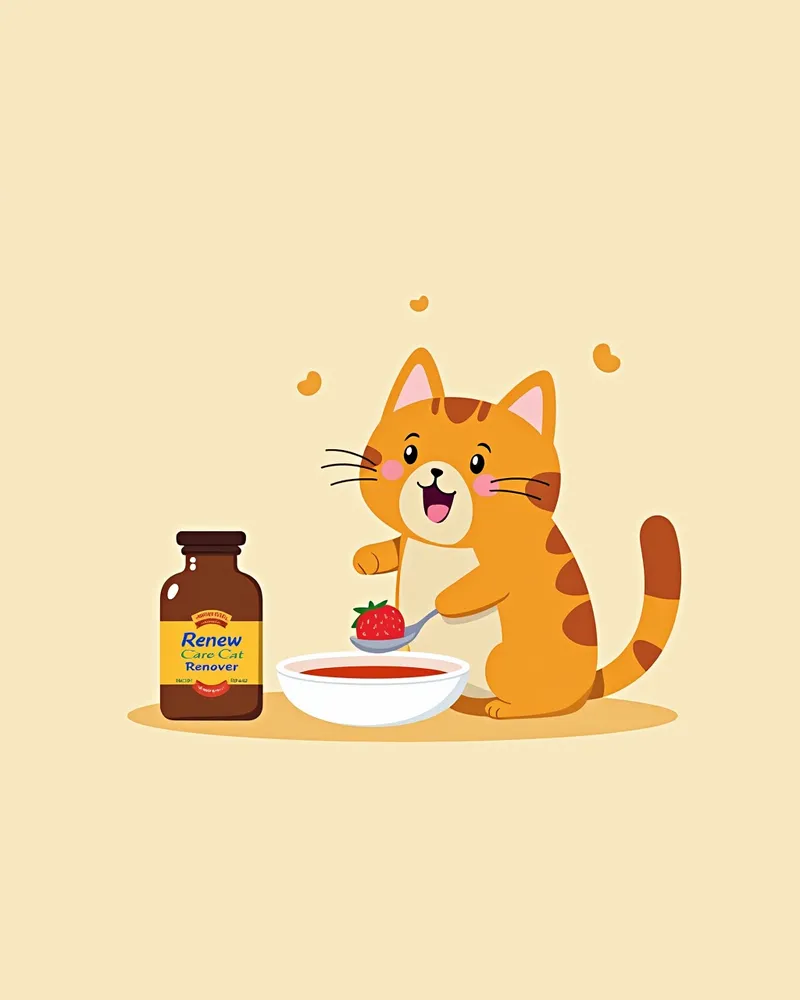
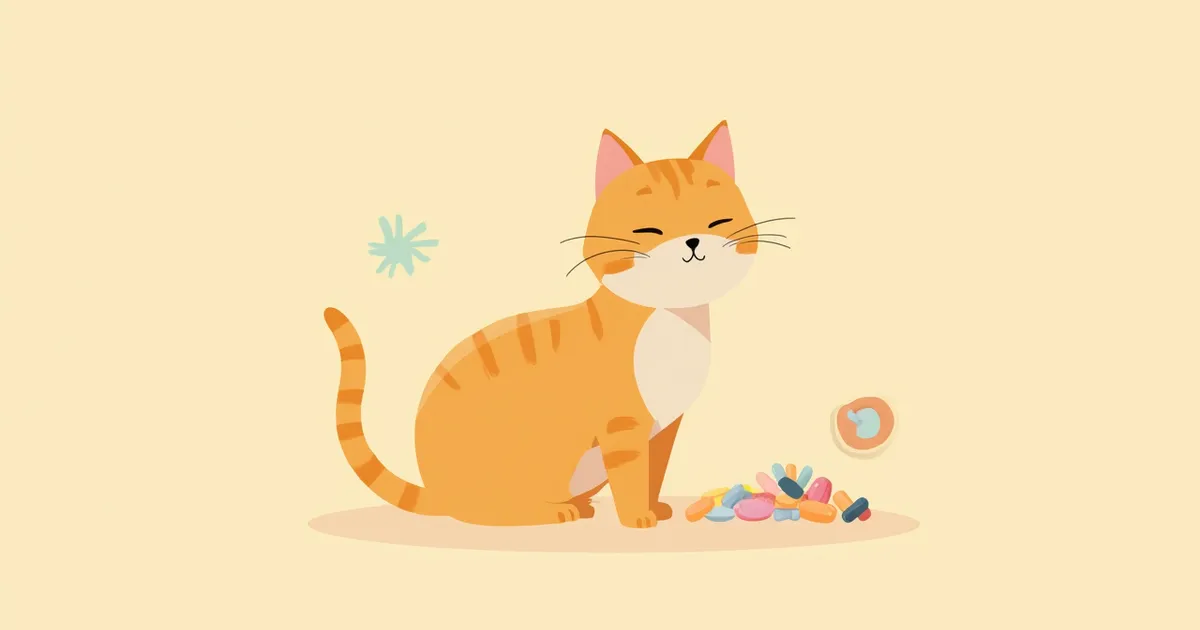
A cat enjoying a tasty supplement, with the Linover product placed nearby.

BEST 3: Protect Care Cat Glomer

Protect Care Cat Glomer is a comprehensive supplement formulated with a low-protein, low-sodium blend, designed to reduce the workload on the kidneys. - Antioxidant ingredients: It contains resveratrol and coenzyme Q10, although their effectiveness in alleviating oxidative stress in cats with glomerular disease has not yet been sufficiently proven. - Reducing kidney strain: The low-protein, low-sodium formula can help minimize kidney stress and protein loss. - Excellent value: Its reasonable price makes it affordable for long-term use. - Consistent tolerance: Most cats tolerate it well, but it is important to adhere to the recommended dosage. - Veterinary consultation: We recommend consulting your veterinarian before using this product as an adjunct to treatment.
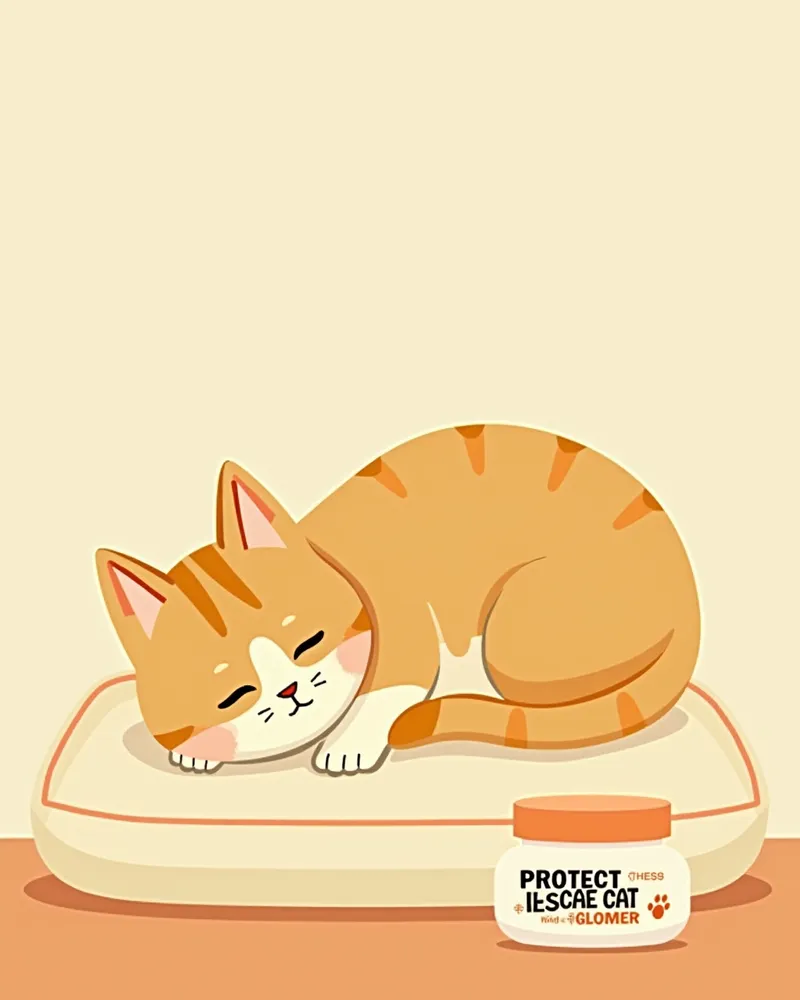
A cat resting comfortably alongside the Protect Care product.

Comparison Table of Products BEST 1–3

ItemProtein ContentSodium ContentMain Ingredients
Premium Care Care Cat GlomerulusLow proteinVery lowOmega-3, lutein, vitamin E
Renewal Care Cat RenoverLow proteinLowGlucosamine, chondroitin, omega-3
Protect Care Cat GlomerLow proteinVery lowResveratrol, coenzyme Q10, omega-3

All products meet veterinarian recommendation standards, and dosage must be adjusted according to the cat's weight and condition.

Caution: Side effects may occur with overdosing

Supplements for managing feline glomerulonephritis must be given at the dosage prescribed by your veterinarian. Overdosing can cause side effects such as indigestion, diarrhea, and loss of appetite. In particular, products rich in omega-3 fatty acids have a blood-thinning effect, so they should be used with caution in cats prone to bleeding.

Usage Tips: Maintain a consistent routine for administration and management
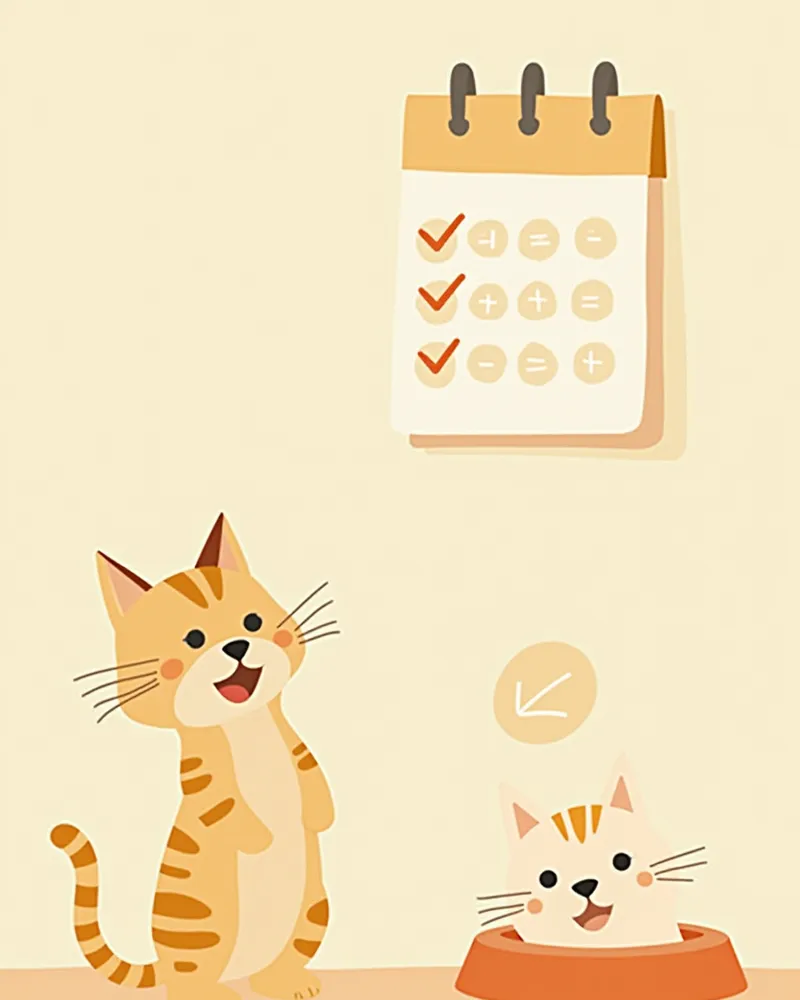
The key to administering supplements is establishing a consistent routine by giving them at the same time every day. Mixing them into your cat’s food or offering them in treat form can make administration much easier. Maintaining a consistent schedule also enhances effectiveness. It’s essential to closely monitor changes in kidney function through regular urine and blood tests. Work with your veterinarian to periodically review the management plan and adjust dosages as needed for safety. Long-term management is the most effective way to slow disease progression.
A calendar for recording the administration schedule of a supplement for managing feline glomerulonephritis and the schedule for related tests.

Reviewed by a veterinarian

Dr. Tony — Punnawat Phongkittirak

Dr. Tony — Punnawat Phongkittirak

Veterinarian

A veterinarian who majored in veterinary medicine at Khon Kaen University, Thailand, and completed the IVSA program at North Carolina State University in the United States. Drawing on clinical experience at animal hospitals, he works in the pet healthcare field and is dedicated to building a digital care environment that connects pet parents with veterinarians.

Frequently Asked Questions

Is glomerulonephritis curable?
Glomerulonephritis is often difficult to cure completely, depending on the underlying cause. Primary glomerular diseases are relatively rare in cats compared to dogs, but with proper management and treatment, it is possible to reduce proteinuria and help maintain kidney function over the long term.
When should I start giving the supplement?
Once a diagnosis is confirmed by a veterinarian, standard treatments such as anti-proteinuric and antithrombotic therapies, along with a prescription renal diet, are prioritized. Supplements may be used concurrently at the veterinarian’s discretion. Early intervention helps slow the progression of kidney damage.
Can supplements be taken together with medications?
In most cases, they can be taken together within the limits allowed by your veterinarian. However, due to potential drug interactions, it's essential to consult with your vet first.
Will the symptoms worsen if I stop the supplement?
Supplements are tools to help alleviate symptoms, not the core of treatment. Consistent management alongside standard therapy is essential, and it’s best to consult your veterinarian before stopping any supplement on your own.
Does a higher price mean a product is better?
A higher price doesn’t always mean a better product. It’s important to focus on the key ingredients and whether the product is recommended by veterinarians.

Share

Related Guides

References

[1] Petersen J, et al. (2020) Feline Glomerulonephritis: Pathophysiology and Management. Journal of Feline Medicine and Surgery, 22(5), 456–467.

[2] Hillier, A. (2018) Nutritional Management of Chronic Kidney Disease in Cats. Veterinary Clinics of North America: Small Animal Practice, 48(4), 721–738.

[3] Plumb's Veterinary Drug Handbook, 9th Edition. (2022) Wiley-Blackwell. Chapter 12: Renal Disease Management in Cats.

This information is based on veterinary literature and does not replace diagnosis or treatment. Please consult a veterinarian for specific health concerns.

Metapet Co., Ltd. | CEO: Park Sung-yong | Business Reg. No. 417-88-02562 | Seoul, South Korea | Customer Center

Vet's Top 7 Proteinuria Products for Feline Glomerulonephritis | Meongsiljang