Like
Share
멍실장
강아지 비장절제술 후 관리 관리 추천 BEST와 고르는 기준 총정리

7 Recovery and Dietary Care Tips for Dogs After Splenectomy Recommended by Veterinarians

Oncology/CancerTop PicksMeongsiljang Veterinary Advisory Board

We’ve compiled the top three care products and methods to support your dog’s recovery and long-term health after a splenectomy. You can also review the key criteria recommended by veterinarians.

Post-Splenectomy Care for Dogs Is Key to Recovery
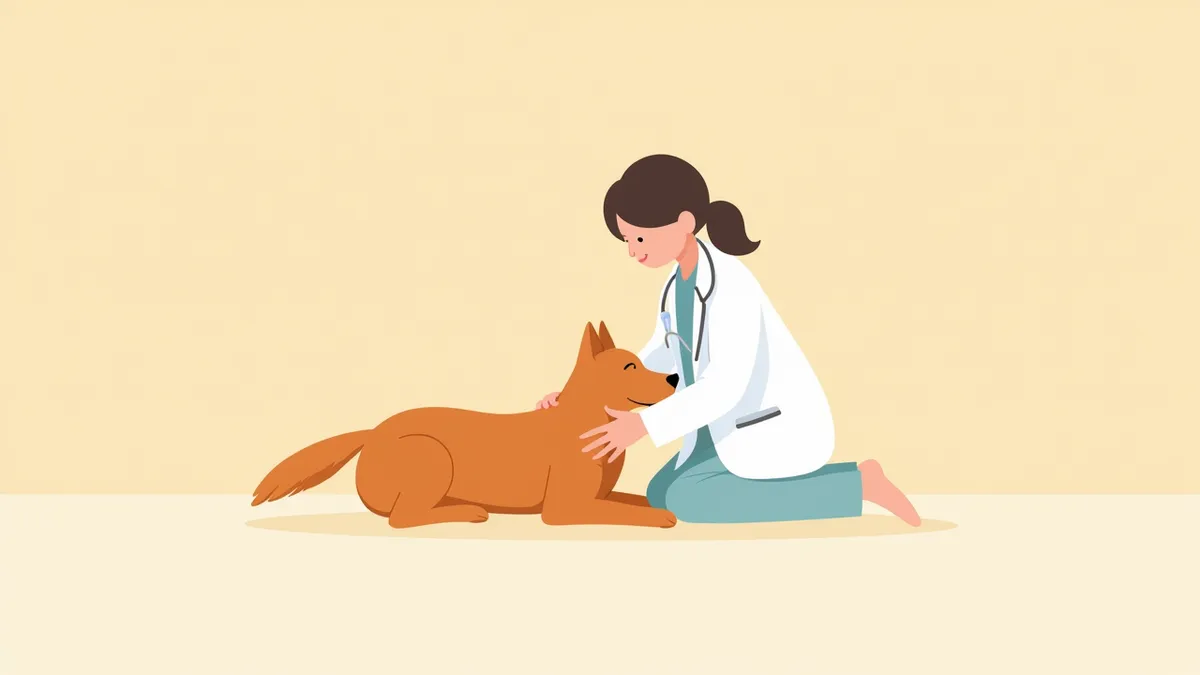
A veterinarian examining a dog recovering from a splenectomy
Recovery after splenectomy is crucial for your dog. The spleen stores blood and plays a role in immune function, so post-surgery care must carefully monitor for bleeding, clotting abnormalities, and temporary immune changes. The first 1–2 weeks are especially critical, making a customized care plan with your veterinarian essential. Since other organs can compensate for the spleen’s functions, stable nutrition and monitoring for complications like bleeding or blood clots are more important than aggressive supplementation. - Immune and gut health: Probiotics may help regulate intestinal immunity and block harmful bacteria, so consider using vet-approved products as a supportive measure. - Improved digestion and absorption: Digestive function may be weakened immediately after surgery, so offering small, frequent meals of soft or liquid food can reduce digestive strain. - Inflammation and complication management: Do not use anti-inflammatory supplements long-term without veterinary guidance; always follow your vet’s instructions for safe use.

Key Criteria for Choosing the Best Post-Splenectomy Care Products for Dogs

When choosing post-splenectomy care products, safety and efficacy should be your top priorities. Here are the key criteria recommended by veterinarians:
Immune-supporting ingredients: Since the spleen serves as a reservoir for immune cells, look for products containing immune-modulating components.
Easy digestion and absorption: Digestive function often weakens after surgery, so it’s important to choose a formulation that’s gentle on the stomach.
Antioxidant content: Antioxidants help reduce oxidative stress and support recovery.
Free from additives and preservatives: Pure ingredient combinations with minimal risk of side effects are ideal.
Veterinarian-recommended products: Opt for products that have undergone clinical validation for greater safety.
A food bowl containing supplements for post-splenectomy care

BEST 1: Probiotics + Antioxidant Complex
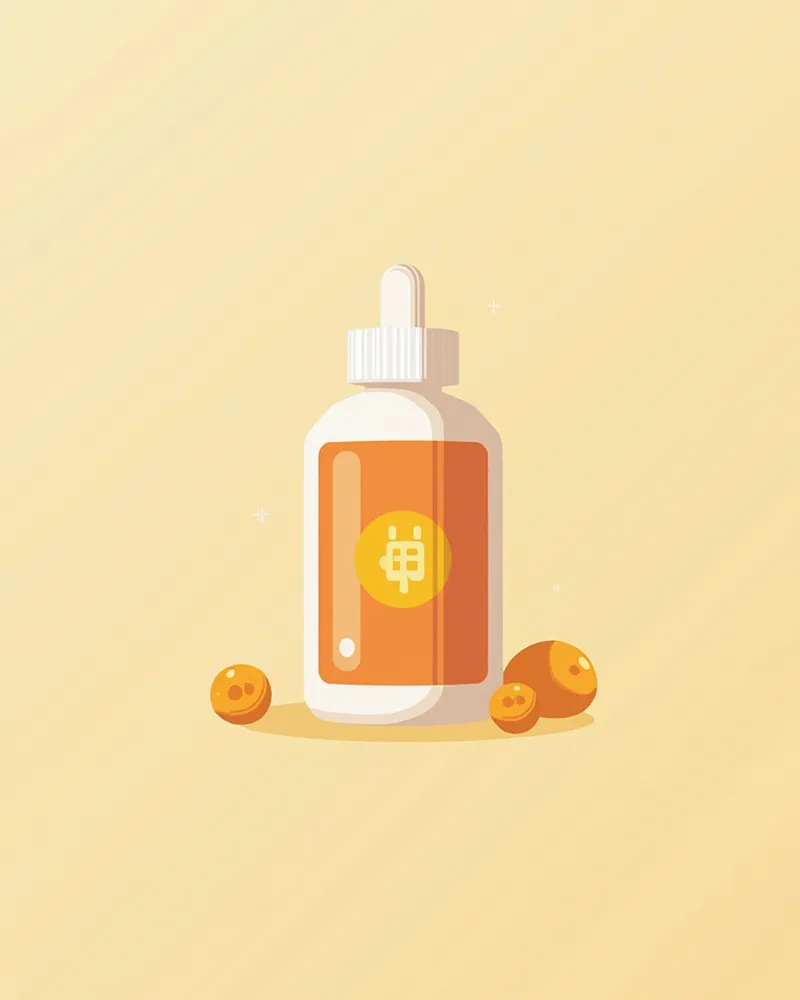
After splenectomy, the gut environment may become temporarily unstable, so it can be helpful to consider adding proven probiotics and antioxidants as supportive care. - Probiotics: These are known to help regulate intestinal immune function, inhibit the activity of harmful bacteria, and support the health of the gut lining. - Polyphenols: Their antioxidant properties may help reduce oxidative stress. - Vitamins C and E: While recognized as antioxidant nutrients, their efficacy in promoting recovery has not been conclusively proven, so they should be used only as a supplement. - Product selection: Products manufactured by reputable pharmaceutical or pet food companies tend to offer more consistent strain and CFU quality compared to general over-the-counter options. - Gentle formulations: Opt for products that are easy on the sensitive gastrointestinal tract post-surgery. Please consult your veterinarian to determine the appropriate dosage and timing.
Probiotic and antioxidant supplement for post-splenectomy care

BEST 2: High-Protein Liquid Food for Easy Digestion and Absorption

After surgery, digestive function may weaken, so easily digestible food can be helpful. However, high protein or fat content can slow gastric emptying, so it's best to offer small, frequent meals with a gentle formulation. - Liquid or semi-liquid forms: Liquid food empties from the stomach faster than solid food, reducing digestive burden. - Low-fat and easy-to-digest: Fat and protein can delay gastric emptying, so a lighter formulation is beneficial during the initial recovery phase. - Small, divided meals: Feeding several times a day reduces gastrointestinal stress and encourages intake. Supplements or special diets have not been proven to affect recovery speed or tumor recurrence, so recurrence risk should be managed through regular check-ups and follow-up treatments recommended by your veterinarian. If loss of appetite or lethargy persists, consult your veterinarian for safety.
A scene of a puppy recovering after a splenectomy being given liquid food.

BEST 3: Naturally Derived Anti-Inflammatory Supplements
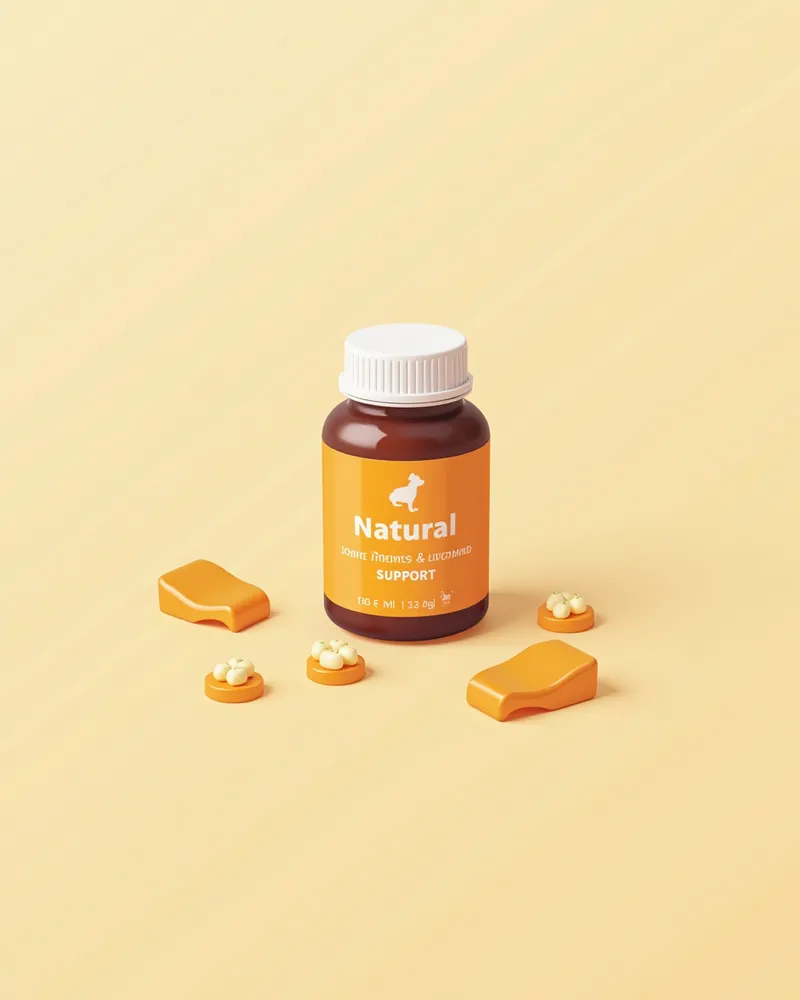
During the recovery period after splenectomy, supportive nutrition with minimal irritation can be helpful, but it is important to avoid unproven ingredients and choose verified products. - Omega-3 fatty acids: Used as a nutritional supplement, they are known to support joint and cardiovascular health. - Plant extracts such as broccoli: Their antioxidant properties may help protect cells. - Safety first: Avoid ingredients whose safety for dogs has not been confirmed, and select products with clear, verified ingredients. - Designed for low side effects: Products that maintain stable quality even with long-term use are preferable. - Veterinary consultation is essential: For safety, always consult your veterinarian before starting any supplement, especially those containing synthetic or unverified ingredients. Administer once daily with meals.
Natural anti-inflammatory supplement for post-splenectomy care

Comparison Table of BEST 1–3 Products

ItemBEST 1 (Probiotics + Antioxidant)BEST 2 (Easily Digestible Liquid Food)BEST 3 (Anti-inflammatory Supplement)
Main ingredientsLactobacillus, polyphenols, vitamin CEasily digestible liquid, low fat, soft textureOmega-3, broccoli extract, resveratrol
FormTabletLiquidCapsule
Recommended timingPost-surgery recovery period (consult a veterinarian)1–2 weeks after surgeryPost-surgery recovery period (consult a veterinarian)
Veterinarian-recommended?YesYesYes

It is important to choose the appropriate product for each stage of post-surgery recovery. The effects and duration of supplements are not standardized, so use them after consulting your veterinarian.

Caution: Overdosing or Incorrect Combinations Can Be Dangerous

Because the immune system is weakened after a splenectomy, overusing supplements or feeding excessive amounts of food can actually cause adverse effects. In particular, do not give products containing anti-inflammatory ingredients without your veterinarian’s guidance. Always consult your veterinarian before starting any new supplement or medication.

Tips for Post-Splenectomy Care for Dogs

Post-splenectomy care requires a systematic approach that goes beyond simply changing your pet’s diet. The safest course of action is to develop a management plan together with your veterinarian.
Rest-focused lifestyle: Minimize activity and encourage rest for the first 1–2 weeks after surgery.
Regular veterinary visits: Schedule check-ups at one week, two weeks, and one month post-surgery to monitor recovery progress.
Divided meals: Feed small portions 3–4 times a day to reduce digestive strain.
Emotional stability: Provide a quiet environment to minimize stress.
Monitor for bleeding: Seek immediate veterinary attention if you notice nosebleeds, blood in the stool, or skin hemorrhages.
A puppy recovering from a splenectomy rests comfortably.

Reviewed by a veterinarian

Dr. Tony — Punnawat Phongkittirak

Dr. Tony — Punnawat Phongkittirak

Veterinarian

A veterinarian who majored in veterinary medicine at Khon Kaen University, Thailand, and completed the IVSA program at North Carolina State University in the United States. Drawing on clinical experience at animal hospitals, he works in the pet healthcare field and is dedicated to building a digital care environment that connects pet parents with veterinarians.

Frequently Asked Questions

Will my dog have a weakened immune system for life after a splenectomy?
While the spleen plays a role in immune function, other organs help compensate for its duties. By following your veterinarian’s care recommendations and keeping up with regular check-ups, your pet can maintain a healthy, happy life.
How long should I feed my pet special food after surgery?
For the first 1–2 weeks after surgery, your pet’s digestive function may be weakened, so it’s best to offer small, frequent meals of liquid or soft food. After that, gradually transition back to regular food based on how well they’re recovering.
Is the risk of bleeding high after a splenectomy?
The spleen stores blood, so temporary bleeding or clotting abnormalities can occur after its removal. Proper post-operative care and regular check-ups can help minimize these risks.
How long should I continue giving my pet supplements?
There’s no set standard for how long to give supplements—it depends on your dog’s individual condition. Rather than deciding on your own, it’s safest to have your veterinarian assess whether a supplement is needed and for how long.
My dog is often sleepy or lethargic after splenectomy. Is this normal?
After surgery, your pet may feel temporarily drowsy or lethargic. However, if these symptoms persist or worsen, they could indicate complications such as anemia, bleeding, or blood clots (pulmonary embolism or portal vein thrombosis), so it's important to consult with your veterinarian for a proper evaluation.

Share

Related Guides

References

[1] Plumb's Veterinary Drug Handbook, 9th Edition. 2022. Wiley-Blackwell.

[2] Clinical Medicine of the Dog and Cat, 4th Edition. 2021. Elsevier.

[3] Veterinary Surgical Oncology, 2nd Edition. 2020. Elsevier.

This information is based on veterinary literature and does not replace diagnosis or treatment. Please consult a veterinarian for specific health concerns.

Metapet Co., Ltd. | CEO: Park Sung-yong | Business Reg. No. 417-88-02562 | Seoul, South Korea | Customer Center

7 Vet-Approved Tips for Recovery and Diet After Dog Splenectomy | Meongsiljang