Like
Share
멍실장
강아지 비듬 샴푸 추천 TOP 5 — 각질·건조 피부 케어

Top 5 Medicated Shampoos for Dog Dandruff and Flaking Recommended by Veterinarians — Intensive Care for Dry Skin

Skin & CoatTop PicksMeongsiljang Veterinary Advisory Board

Dandruff in dogs is a condition where excessive flaking occurs due to issues with the sebaceous glands, dry skin, or allergies. Compare five medicated shampoos based on their ingredients and suitability for different skin types to find the right product for your furry friend.

Why Does Dog Dandruff Occur, and What Shampoo Is Needed?

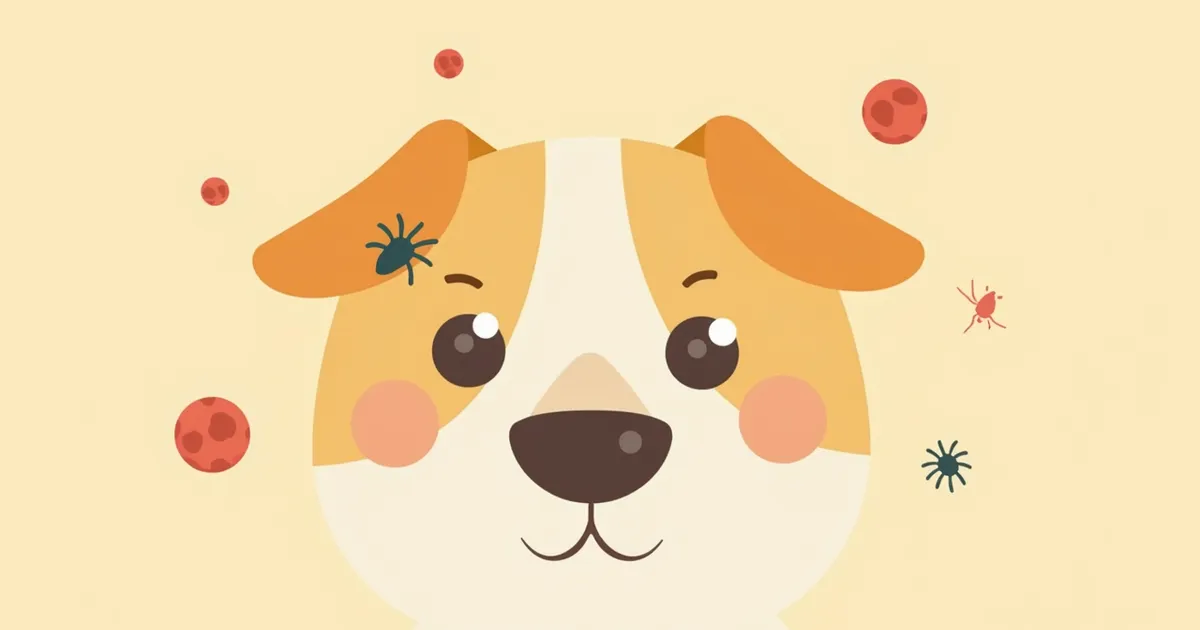
Checking for dandruff and flaky skin visible between your dog's fur.
Dog dandruff occurs when the outer layer of skin sheds faster than normal, appearing as white flakes among the fur. The most critical step is identifying the underlying cause. If it’s simply due to dryness, a moisturizing shampoo may suffice; however, if the cause is seborrheic dermatitis, allergies, or a fungal infection, a medicated shampoo specifically formulated for that condition is necessary. If dandruff persists for more than two weeks or is accompanied by itching or red rashes, basic grooming care alone won’t be enough. Carefully compare ingredients and choose a product suited to your dog’s skin type to achieve effective results.

Causes of Dog Dandruff — 5 Main Types

To choose the right shampoo, you first need to understand what’s causing the dandruff.
Dry dandruff: This occurs when skin moisture is lost due to low humidity in winter or from bathing too frequently.
Seborrheic dandruff: Caused by abnormal sebaceous gland function, this type involves oily skin and yellowish flakes.
Allergic dandruff: Food or environmental allergies trigger inflammation, leading to flaking and scaling.
Fungal or bacterial infection: Malassezia yeast or Staphylococcus aureus may be the underlying cause.
Parasitic dandruff: External parasites such as Demodex mites or lice can also cause dandruff.

See a Vet Before Using Shampoo for This Type of Dandruff

If you notice any of the following signs alongside dandruff, please consult a veterinarian before choosing a shampoo. Using simple care products alone may worsen the condition. • Coin-shaped patches of hair loss (suspected fungal infection) • Yellow, sticky dandruff with an unpleasant odor (seborrheic dermatitis) • Areas with oozing or scabs from scratching (secondary infection) • No improvement or worsening after more than two weeks of care

6 Key Ingredients in Dandruff Shampoos

These are the key ingredients to look for on shampoo labels.
Salicylic Acid: A keratolytic agent that gently dissolves and removes dead skin cells.
Sulfur: Helps normalize skin cell turnover while providing antibacterial and antifungal benefits.
Ceramide: Restores the skin barrier to prevent moisture loss.
Colloidal Oatmeal: Soothes itching and provides hydration.
Chlorhexidine: Effective for dandruff accompanied by bacterial infections.
Ketoconazole: Prescribed for dandruff caused by Malassezia yeast infections.
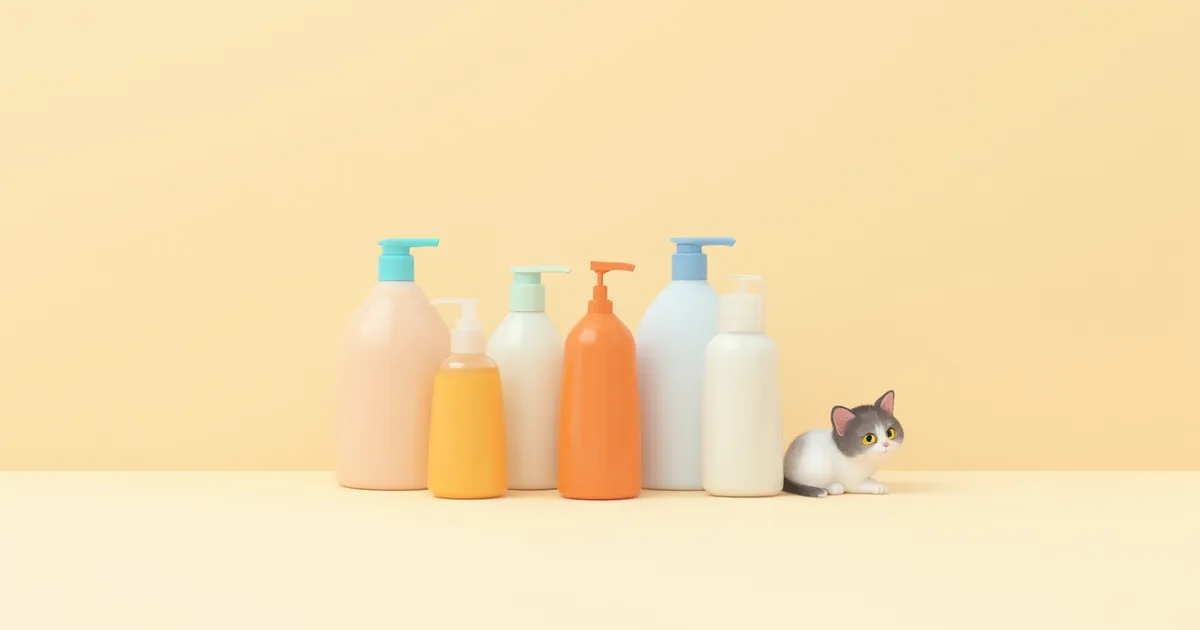
A summary of dog dandruff shampoos and their key ingredients.

Comparison of Key Ingredients in Top 5 Dandruff Shampoos

Caution

살리실산 + 황 (Sebolytic)

각질 용해 + 지루성 피부 정상화

Dosage: 주 2회 5분 거품 마사지

수의피부과학 권장 1차 케어

Safe

세라마이드 + 오트밀 (Hydra)

건조 피부 보습·장벽 회복

Dosage: 주 1~2회 일반 목욕

건조성 비듬에 효과 입증

Caution

클로르헥시딘 2% + 미코나졸

세균·곰팡이 동시 케어

Dosage: 주 2~3회, 10분 접촉

수의처방 약용 샴푸

Safe

콜로이달 오트밀 + 알로에

가려움 진정 + 보습

Dosage: 주 1회

민감 피부 안전성 검증

Caution

테아트리(Tea Tree) 저농도

약한 항진균·진정

Dosage: 주 1회 (희석 필수)

고농도는 독성 위험

At-a-Glance Comparison of Top 5 Dog Dandruff Shampoos

Item#1 Medicated seborrheic#2 Moisturizing ceramide#3 Prescription antimicrobial#4 Oatmeal soothing#5 Natural daily
Main ingredientsSalicylic acid + sulfurCeramide + hyaluronic acidChlorhexidine + miconazoleColloidal oatmeal + aloeOatmeal + low-concentration tea tree
Recommended dandruff typeSeborrheic & flakyDry & sensitiveWith infectionItching + dandruffPrevention & general care
Frequency of use2 times per week1–2 times per week2–3 times per week1 time per week1 time per week
Lather contact time5–10 minutes3–5 minutes10–15 minutes5 minutes3–5 minutes
Veterinary prescription requiredFalseFalseTrueFalseFalse

Classification is based on ingredient combinations, not specific brand names. When purchasing, compare products with the same ingredients.

1st Place — Salicylic Acid and Sulfur Medicated Shampoo (Seborrheic/Flaky Type)

For seborrheic dermatitis or thick, flaky dandruff, a sebolytic shampoo containing both salicylic acid and sulfur is the top choice. Salicylic acid dissolves and removes accumulated dead skin cells, while sulfur adds antibacterial and antifungal benefits. Proper application is key. Lather well and leave the shampoo on the skin for 5–10 minutes to allow it to work. Start with twice-weekly use, then reduce to once a week once the dandruff is under control. Due to sulfur’s distinct odor, be sure to rinse thoroughly with lukewarm water at the end.
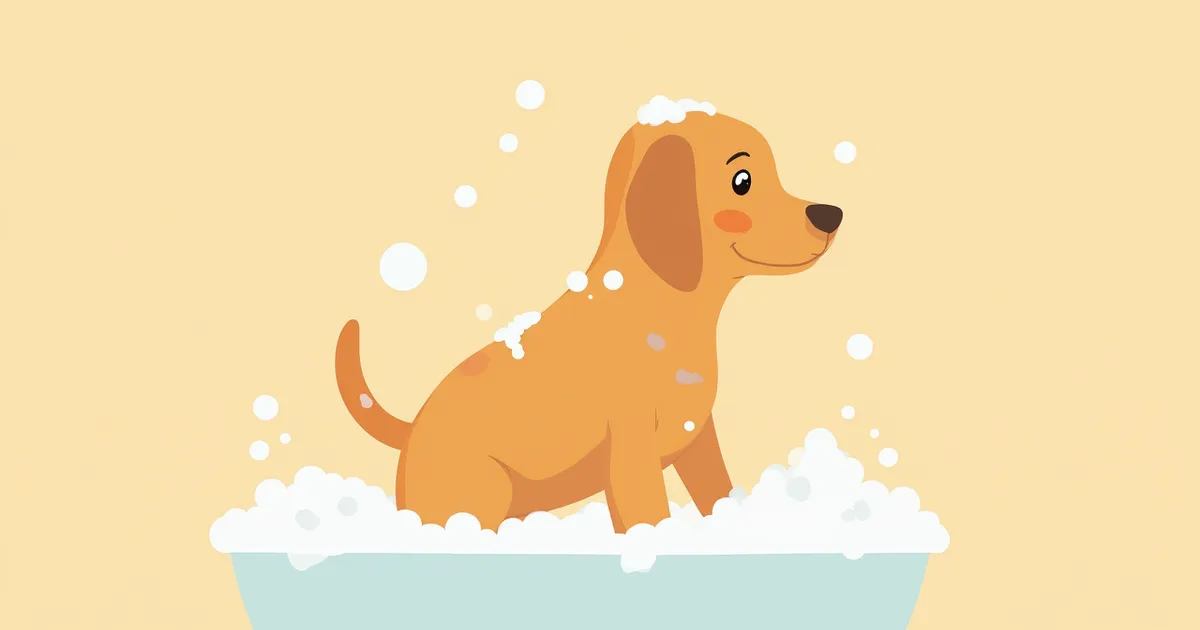
Gently massaging a dog with medicated shampoo lather.

2nd Place — Ceramide and Hyaluronic Acid Moisturizing Shampoo (Dry Type)

For dandruff caused by dry winter air or frequent bathing, we recommend a ceramide-based moisturizing shampoo. Ceramides are lipid components that fill the spaces between skin cells in the stratum corneum, helping to restore the damaged skin barrier and prevent moisture loss. Look for formulas that also contain hyaluronic acid or glycerin for enhanced hydration. Use the shampoo once or twice a week, and always follow up with a moisturizing spray or ceramide mist after bathing to maintain long-lasting results.

3rd Place — Prescription Antibacterial and Antifungal Shampoo (Infection-Associated Type)

If you notice dandruff accompanied by a foul odor, oozing, and coin-shaped hair loss, a regular care shampoo won’t be enough. You’ll need a prescription medicated shampoo containing 2–4% chlorhexidine along with miconazole or ketoconazole, which simultaneously targets bacterial pyoderma and Malassezia yeast infections. Always use under veterinary guidance, and leave the lather on the skin for 10–15 minutes to ensure proper efficacy before rinsing. Since contact time is critical for the effectiveness of antibacterial therapeutic shampoos, it’s best to use a clock or timer to keep track. Overusing these shampoos based on self-diagnosis can damage the healthy skin barrier.

4th and 5th Place — Oatmeal Soothing / Natural Daily Shampoo

4th Place: Colloidal Oatmeal Shampoo This shampoo is great for mild dandruff accompanied by itching. Oatmeal soothes the skin, while aloe and panthenol provide extra moisture, making it gentle enough for sensitive skin. 5th Place: Natural Daily Shampoo Ideal for prevention and maintenance when dandruff is not severe. Look for products with low-irritation surfactants, oatmeal, low-concentration tea tree oil, and lavender. However, since tea tree oil can be toxic at high concentrations, only choose products diluted to 1% or less for safety.
A puppy with healthy fur wrapped in a towel after a bath

Absolutely No Human Shampoos or Excessive Bathing

Dogs have thinner skin than humans and a different pH level (dogs: 6.5–7.5; humans: 5.5). Human dandruff shampoos are too acidic for dogs and can compromise their skin barrier, worsening dandruff. Additionally, bathing your dog daily because of dandruff concerns can strip away essential oils, leading to excessive dryness and increased flaking. For most dogs, bathing once a week is sufficient. If using medicated shampoo, follow your veterinarian’s recommended frequency, which is typically two to three times per week.

Bathing Routine to Maximize Shampoo Effectiveness

Even medicated shampoos lose half their effectiveness if not used correctly. Step 1: Brushing – Brush your pet before bathing to remove dead hair and surface dandruff. Step 2: Wetting with Lukewarm Water – Use water at 35–37°C; hot water can dry out the skin. Step 3: Foam Contact Time – The longer the contact time, the better the effect. Leave medicated shampoo on for at least 5 minutes, and prescription antibacterial shampoo for 10–15 minutes. Step 4: Thorough Rinsing – Residue can cause irritation, so rinse twice with lukewarm water. Step 5: Quick Drying – Use a lukewarm air dryer instead of air-drying to prevent fungal growth.

Reviewed by a veterinarian

Dr. Tony — Punnawat Phongkittirak

Dr. Tony — Punnawat Phongkittirak

Veterinarian

A veterinarian who majored in veterinary medicine at Khon Kaen University, Thailand, and completed the IVSA program at North Carolina State University in the United States. Drawing on clinical experience at animal hospitals, he works in the pet healthcare field and is dedicated to building a digital care environment that connects pet parents with veterinarians.

Frequently Asked Questions

How often should I bathe my pet if they have dandruff?
Medicated shampoos are typically used twice a week initially, then reduced to once a week as the condition improves. Prescription antibacterial shampoos should be used according to your veterinarian’s instructions, while moisturizing shampoos are sufficient when used once or twice a week. Daily bathing should be avoided, as it strips away too much natural oil and can worsen dandruff.
I used dandruff shampoo, but my pet’s dandruff actually got worse. Why is that?
There are two possible explanations. First, it could be a temporary reaction caused by keratolytic ingredients like salicylic acid, which can cause old, dead skin to shed all at once (this typically subsides after 2–3 uses). Second, the underlying cause might be a fungal infection or allergy, but a moisturizing shampoo is being used instead, which is not the right treatment for the condition. If there is no improvement after two weeks, a veterinary examination is necessary.
Is it safe to apply plant-based oils to my dog’s dandruff?
While some coconut oils can help with short-term moisturizing, essential oils like tea tree, eucalyptus, and peppermint are toxic to dogs and should never be applied directly. For safe moisturizing, use a dog-specific ceramide mist or a moisturizer recommended by your veterinarian.
My pet is losing hair and has dandruff. Could this be a nutritional issue?
A deficiency in omega-3 and omega-6 fatty acids, along with a lack of zinc and biotin, can cause both dandruff and hair loss. However, besides nutritional issues, endocrine disorders such as hypothyroidism and Cushing’s disease, allergies, and fungal infections can present similar symptoms. Therefore, it is best to have your veterinarian examine your pet before administering any supplements on your own.
Can I alternate between prescription shampoo and regular shampoo?
Yes, it’s possible. A common routine involves using a medicated shampoo twice a week to control dandruff and infections, followed by a moisturizing shampoo once in between to prevent dryness. However, while using a prescription antibacterial shampoo, other shampoos may reduce its effectiveness, so it’s important to consult with your veterinarian to create a suitable schedule.

Share

Related Guides

References

[1] Miller, Griffin & Campbell, Muller and Kirk's Small Animal Dermatology, 7th Edition, Elsevier, 2013

[2] Hnilica & Patterson, Small Animal Dermatology: A Color Atlas and Therapeutic Guide, 4th Edition, Elsevier, 2017

[3] Mueller RS, Diagnosis and Management of Canine Atopic Dermatitis, Veterinary Dermatology, 2015

This information is based on veterinary literature and does not replace diagnosis or treatment. Please consult a veterinarian for specific health concerns.

Metapet Co., Ltd. | CEO: Park Sung-yong | Business Reg. No. 417-88-02562 | Seoul, South Korea | Customer Center

Top 5 Vet-Recommended Medicated Shampoos for Dog Dandruff | Meongsiljang