
7 Potty Training Tools Recommended by Veterinarians for Managing Indoor Elimination Mistakes in Dogs
We’ve outlined how to distinguish between behavioral and medical causes of indoor accidents in dogs, along with guidelines for choosing potty training tools and a routine for completely eliminating odors.
What Is the Problem with Indoor Elimination Mistakes in Dogs?
Main Causes of Elimination Mistakes — Behavioral vs. Medical
See a Vet First If You Notice These Symptoms
A sudden increase in elimination accidents, red or cloudy urine, difficulty urinating despite straining, or frequent small-volume urination may indicate a medical issue such as a urinary tract infection or bladder stones. In these cases, veterinary diagnosis should take precedence over behavioral modification.
Criteria for Choosing Potty Pads and Training Tools

Criteria for Choosing Odor Eliminators — Preventing Recurrence Is Key
Comparison of Potty Management Tools by Type
| Item | Pee Pad (Disposable) | Pee Tray + Pad Combo | Fixed Indoor Toilet |
|---|---|---|---|
| Suitable Body Type | Small breeds | Small & medium breeds | Medium & large breeds |
| Training Difficulty | Easy | Moderate | Moderate |
| Odor Control | Moderate | Good | Good |
| Reusable | False | True | True |
| Initial Cost | Low | Moderate | High |
The suitable tool varies depending on body type and training stage
Top Recommendations for Managing Indoor Elimination Mistakes — 5-Step Behavioral Correction Routine
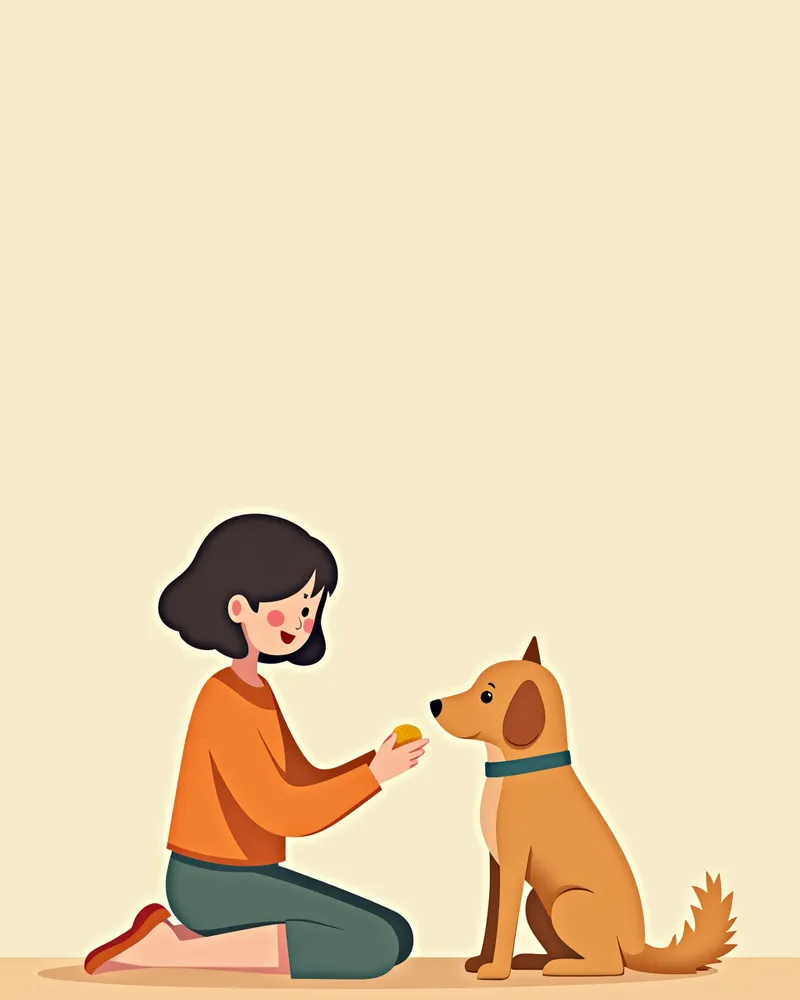
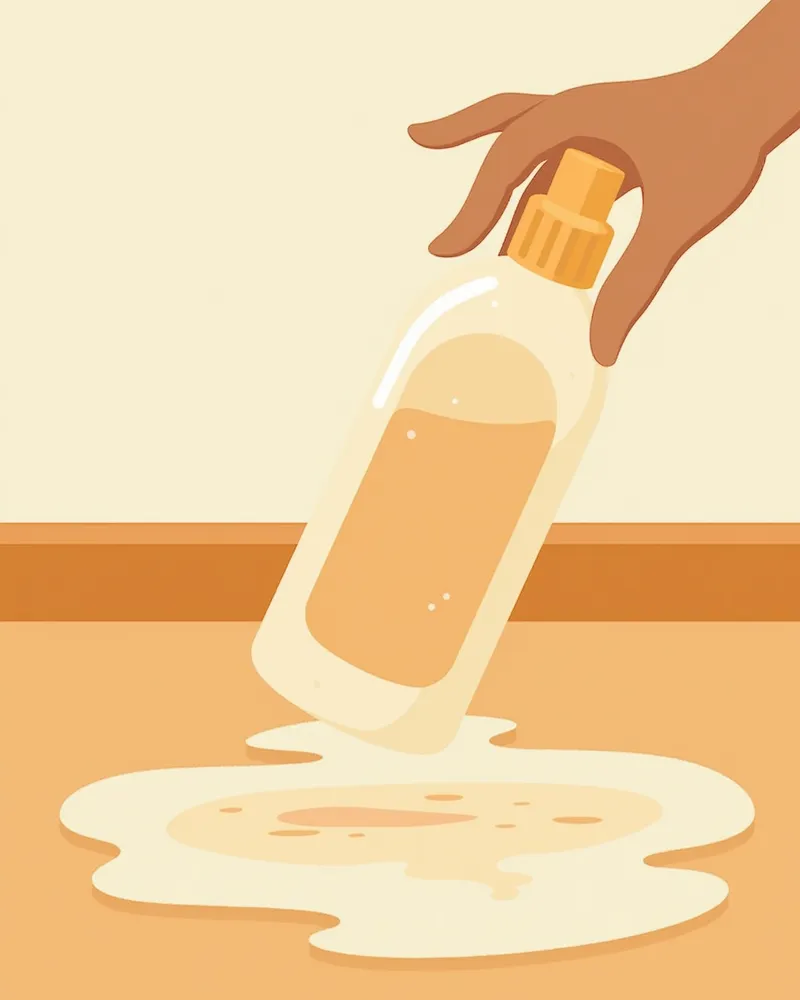
4-Step Complete Odor Removal — Preventing Repeat Accidents in the Same Spot
Approach Senior Dogs and Intact Males Differently
Before attributing elimination accidents in senior dogs to behavioral issues, it’s important to first rule out medical causes such as urinary tract diseases. If no medical problems are identified, increasing the number of litter boxes and improving accessibility tends to be more effective than training alone. In intact male dogs, accidents may primarily stem from testosterone-driven marking behavior associated with sexual maturity. In such cases, combining behavior modification with consistent environmental management is recommended.
Reviewed by a veterinarian

Dr. Tony — Punnawat Phongkittirak
VeterinarianA veterinarian who majored in veterinary medicine at Khon Kaen University, Thailand, and completed the IVSA program at North Carolina State University in the United States. Drawing on clinical experience at animal hospitals, he works in the pet healthcare field and is dedicated to building a digital care environment that connects pet parents with veterinarians.
Reviewed 2026-06-01
Frequently Asked Questions
Training seemed to be going well, but suddenly my dog is making more mistakes. Why is that happening?
My dog only has accidents right next to the pee pad. What should I do?
My dog hides in a corner and has accidents after being scolded. What should I do?
What’s the difference between enzymatic deodorizers and regular fragrance-based deodorizers?
My dog is fully grown but still hasn’t mastered house training. Is it too late?
Share
Related Guides
7 Behavioral Enrichment Strategies for Mental Stimulation Recommended by Veterinarians
Top 5 Calming Supplements for Dogs and Cats in 2026

L-Theanine Effects and Calming Support
Top Recommended Products and Selection Criteria for Managing Canine Amyloid Nephropathy
Complete Guide to Increasing Your Cat’s Water Intake: Top Recommendations and Selection Criteria
Top Recommended Diets for Preventing Feline Urinary Tract Stones and Key Selection Criteria
Top Recommended Feline Urine Specific Gravity Test Management and Selection Criteria

Best Cat Urine pH Management Products and Selection Criteria: A Complete Guide
Top Recommendations and Selection Criteria for Cat Urine Culture Test Management
Top Recommended Products for Managing Feline Urethral Stricture and Selection Criteria
References
[1] Beaver, B.V. Canine Behavior: Insights and Answers. 2nd ed. Philadelphia, PA: Saunders, 2009.
[2] Horwitz, D.F. and Mills, D.S. (eds.). BSAVA Manual of Canine and Feline Behavioural Medicine. 2nd ed. Gloucester: British Small Animal Veterinary Association, 2009.
[3] Overall, K.L. Manual of Clinical Behavioral Medicine for Dogs and Cats. St. Louis: Elsevier Mosby, 2013.