Like
Share
멍실장
강아지 진행성 망막 위축(PRA) 관리 추천 BEST와 고르는 기준 총정리

7 Early Signs of Progressive Retinal Atrophy (PRA) in Dogs You Shouldn’t Miss

Eye HealthTop PicksMeongsiljang Veterinary Advisory Board

Progressive retinal atrophy (PRA) in dogs is a genetic condition that causes gradual vision loss. Proper care and product selection are important.

Progressive Retinal Atrophy (PRA) in Dogs Is a Hereditary Vision Loss Condition

Images of a dog's eye condition with progressive retinal atrophy
Progressive Retinal Atrophy (PRA) in dogs is a hereditary retinal disease in which the photoreceptor cells responsible for detecting light gradually lose function and die, leading to vision loss. In the early stages, the pupils may appear larger than usual (dilated), and night vision deteriorates first, causing unsteady gait in dim lighting. As the disease progresses, the visual field narrows even in bright light, object recognition becomes difficult, and it can ultimately lead to blindness in both eyes. Since there is currently no cure or treatment to prevent blindness, early detection and consistent management are crucial. - PRA: A hereditary retinal disease with higher risk depending on the breed. - Vision Support: Supplements containing antioxidants may help slow the progression, but they do not prevent blindness itself. - Early Management: Regular ophthalmic exams and genetic testing help monitor symptom changes, while environmental adjustments can improve quality of life.

5 Key Criteria for Choosing PRA Management Products
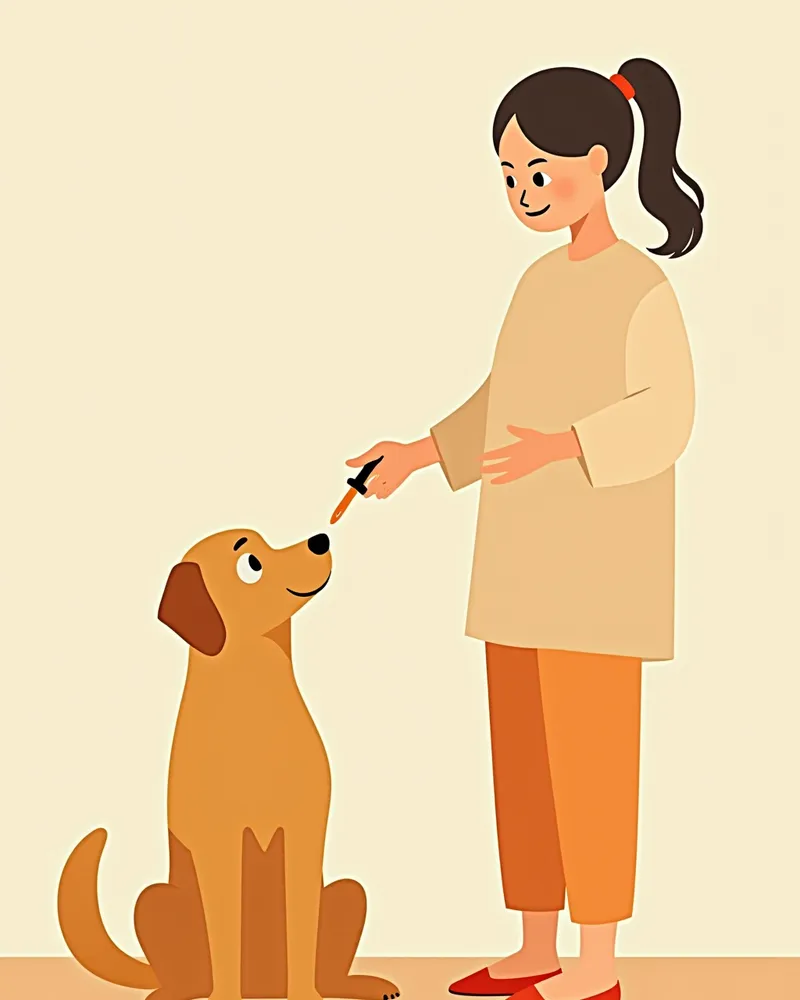
When selecting a product to help manage PRA in your dog, be sure to check the ingredients, stability, ease of administration, brand reputation, and whether it is recommended by veterinary professionals. It’s important to understand first that no supplement can prevent blindness; they only play a supportive role in slowing the progression of the disease.
Antioxidant Content: Veterinary textbooks report that antioxidants like vitamin E may help slow the progression of retinal diseases.
No Additives or Preservatives: Choose products with natural ingredients to avoid irritating sensitive eyes.
Capsule or Liquid Form: For dogs that are difficult to medicate, liquid or capsule forms are more convenient.
Veterinary Evidence: Products containing ingredients whose efficacy has been reviewed in textbooks or research papers are more reliable.
Brand Reputation: Consult with your veterinarian before use and choose a product they recommend.
Image of administering a product for managing PRA in dogs

BEST 1: Lutein Protect Liquid (Based on Veterinary Research)
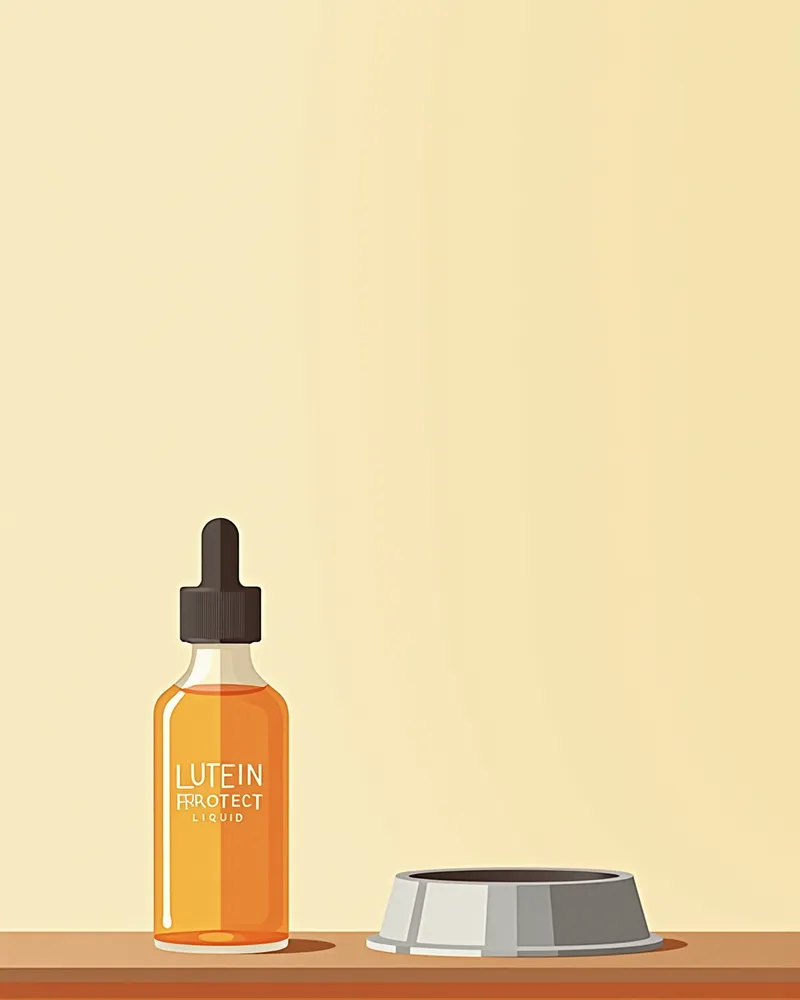
Lutein Protect Liquid is a specialized supplement for managing Progressive Retinal Atrophy (PRA), rich in lutein, zeaxanthin, and vitamin E. Developed based on veterinary research, it offers a targeted blend of ingredients for eye health. Its liquid form makes it easy for dogs to consume and palatable enough to simplify administration for pet owners. It is particularly suitable for dogs in the early stages of night vision decline.
Key Ingredients: Lutein 10mg, Zeaxanthin 2mg, Vitamin E 10IU
Recommended Timing: Start at the first signs of vision changes and continue long-term
Administration: 1ml once daily, administered directly
Product image of Lutein Protect liquid formulation

BEST 2: Vision Care Capsules (Natural Ingredient-Focused)

Vision Care Capsules are a PRA management product formulated primarily with natural ingredients, so they contain no artificial additives and are gentle on sensitive eyes. A balanced combination of lutein, omega-3, and vitamin C helps protect retinal cells and reduce oxidative stress. The capsule form minimizes spillage during administration and provides stable, long-term benefits. This product is especially recommended for senior dogs or those prone to allergies.
Key Ingredients: Lutein 8mg, Omega-3 150mg, Vitamin C 50mg
Recommended Use: Senior dogs aged 6 months and older, or at the onset of vision changes
Administration: One capsule daily, mixed into food.
Product image of Vision Care Capsules

BEST 3: Protect Retina Capsules (Developed in Collaboration with Domestic Veterinary Research Institutes)
Protect Retina Capsules are a specialized product for managing Progressive Retinal Atrophy (PRA), developed in collaboration with domestic veterinary research institutes. The formula is tailored to Korean breeds and has completed safety evaluations, including passing the Light Laser Test. It contains a balanced combination of omega-3, lutein, and vitamin A to support retinal function, with minimal side effects even with long-term use. As a veterinarian-recommended product, it offers high reliability.
Key Ingredients: Lutein 12mg, Omega-3 200mg, Vitamin A 500IU
Recommended Timing: Begin immediately after PRA diagnosis
Administration: One capsule daily, after meals
Product image of Protect Retina Capsules

Comparison Table of BEST 1–3 Products

ItemMain IngredientsFormRecommended TimingPrice (per 30 days)
BEST 1: Lutein Protect LiquidLutein, zeaxanthin, vitamin ELiquidEarly stage of vision declineAbout $10
BEST 2: Vision Care CapsuleLutein, omega-3, vitamin CCapsuleSenior dogs 6 months and older, at the onset of vision changesAbout $10
BEST 3: Protect Retina CapsuleLutein, omega-3, vitamin ACapsuleImmediately after PRA diagnosisAbout $10

Prices are based on the average market price as of 2025. We recommend deciding on use after consulting a veterinarian.

Caution: Risk of Side Effects from Overdosing

Overdosing on lutein or omega-3 fatty acids can lead to side effects such as digestive upset, diarrhea, and loss of appetite. Always follow the dosage recommended by your veterinarian. In particular, senior dogs or those with underlying health conditions should be examined by a vet before starting supplementation.

5 Tips for Managing PRA
Here are some practical tips for managing PRA in dogs. These are methods you can implement in your daily routine.
Maintain a consistent environment: Avoid frequently rearranging furniture in the room. This helps your dog remember the layout and move around more easily.
Use sound-based cues: Give commands using sound instead of visual signals. For example, use a clicker sound instead of saying "sit."
Prepare for emergencies: Since your dog may get lost, always attach a tag with their name and your contact information to their collar.
Create a safe environment: Install barriers around stairs and areas with sharp objects.
Regular veterinary visits: Have your dog's vision checked regularly and adjust the management plan as needed.
Practical tips for managing PRA image

Reviewed by a veterinarian

Dr. Tony — Punnawat Phongkittirak

Dr. Tony — Punnawat Phongkittirak

Veterinarian

A veterinarian who majored in veterinary medicine at Khon Kaen University, Thailand, and completed the IVSA program at North Carolina State University in the United States. Drawing on clinical experience at animal hospitals, he works in the pet healthcare field and is dedicated to building a digital care environment that connects pet parents with veterinarians.

Frequently Asked Questions

Is PRA a curable disease?
No, PRA is currently an incurable genetic disease. While antioxidant supplements may help slow its progression to some extent, they cannot prevent blindness itself.
Which breeds are most prone to PRA?
This condition has been reported in several breeds, including Labrador Retrievers, Collies, Miniature Schnauzers, Dachshunds, Norwegian Elkhounds, Samoyeds, Siberian Huskies, Cardigan Welsh Corgis, and Miniature Poodles. Genetic testing is available for early detection.
Should I start giving management products immediately after a PRA diagnosis?
Starting care early can help slow the progression of the condition. However, since supplements cannot prevent blindness, it’s best to consult with your veterinarian to develop a tailored management plan.
Is it okay for a puppy with PRA to go for walks?
Yes, walking is fine. However, avoid new or dark places and stick to familiar routes. It’s important to walk in a safe environment.
Is it okay to use PRA management products even if the veterinarian doesn’t recommend them?
Consulting with a veterinarian is the safest approach. This is especially important if your pet has underlying health conditions or is currently taking other medications, as there may be potential drug interactions that need to be checked.

Share

Related Guides

References

[1] Clements PJ, Sargan DR, Gould DJ, Petersen-Jones SM. Recent advances in understanding the spectrum of canine generalised progressive retinal atrophy. J Small Anim Pract. 1996;37(4):155–162.

[2] Downs LM, Hitti R, Pregnolato S, Mellersh CS. Genetic screening for PRA-associated mutations in multiple dog breeds shows that PRA is heterogeneous within and between breeds. Vet Ophthalmol. 2014;17(2):126–130. doi: 10.1111/vop.12122.

[3] Narfström K. Hereditary and congenital ocular diseases in dogs. Vet Clin North Am Small Anim Pract. 2003;33(1):1–22. doi: 10.1016/S0195-5616(02)00067-5.

This information is based on veterinary literature and does not replace diagnosis or treatment. Please consult a veterinarian for specific health concerns.

Metapet Co., Ltd. | CEO: Park Sung-yong | Business Reg. No. 417-88-02562 | Seoul, South Korea | Customer Center

Progressive Retinal Atrophy (PRA) in Dogs: 7 Early Signs | Meongsiljang