Like
Share
멍실장
고양이 세균성 방광염 관리 추천 BEST와 고르는 기준 총정리

Top Recommended Management Products for Feline Bacterial Cystitis and Selection Criteria

UrinaryTop PicksMeongsiljang Veterinary Advisory Board

Bacterial cystitis in cats requires both antibiotic treatment and proper care. We’ve compared and analyzed the most effective products and management methods.

Management Alongside Antibiotics is Key for Feline Bacterial Cystitis
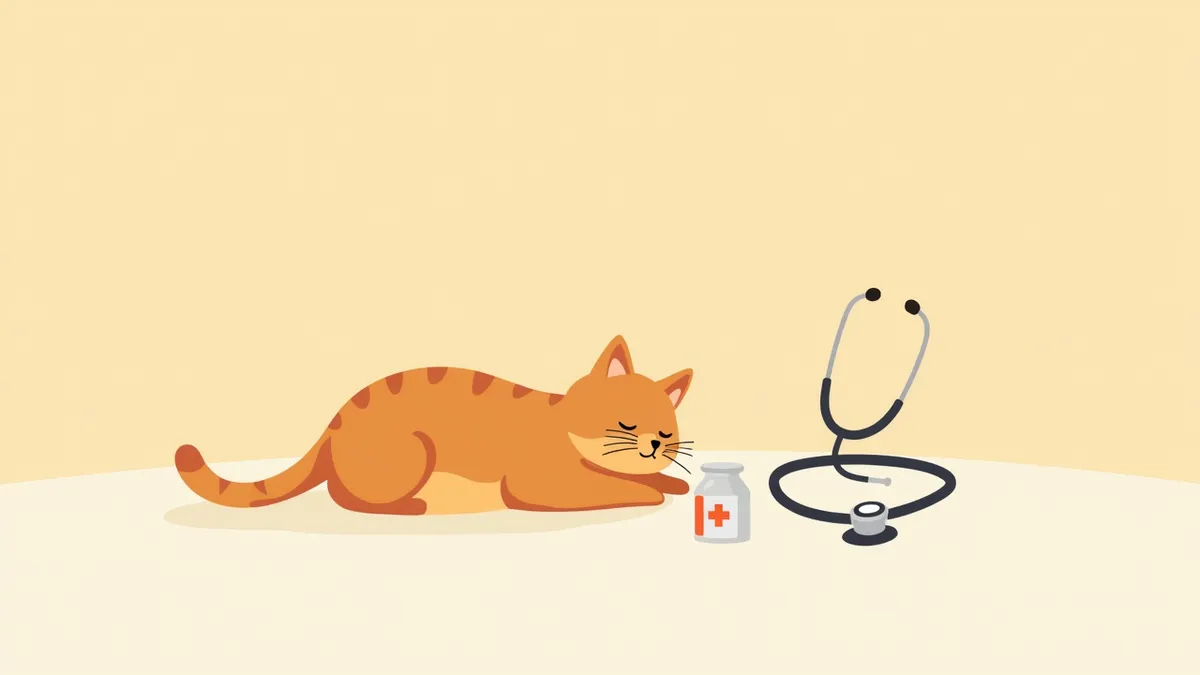
An image of a cat lying comfortably on a bed, with a medical bottle and a veterinarian's stethoscope nearby.
Feline bacterial cystitis is a condition caused by bacteria invading the bladder. There are various types of causative bacteria, so it is essential to collect a urine sample for culture testing before administering antibiotics to ensure an accurate diagnosis. To prevent contamination, urine collection via cystocentesis (bladder tap) is recommended. Antibiotic treatment should be guided by the results of culture and sensitivity tests, and the medication must be administered for the appropriate duration as directed by the veterinary clinic. However, medication alone is often insufficient; adequate water intake, proper litter box hygiene, and improvements to the living environment are also necessary to help reduce the risk of recurrence. - Increase water intake: Encouraging your cat to drink plenty of water helps maintain bladder health. Incorporating wet food with high moisture content can be beneficial. - Litter box cleanliness: Clean the litter box at least once daily to ensure your cat can use it comfortably. - Use of supplements: After completing antibiotic therapy, supplements that support bladder health may be given as an adjunct. However, if using probiotic products while on antibiotics, it is important to consult your veterinarian to adjust the timing of administration.

Four Selection Criteria: Be Sure to Check These

When selecting a management product for feline bacterial cystitis, be sure to check these four key factors. First, consider whether the product contains antibiotics. Antibiotic treatment is separate from general management, so there’s no need for a management product to include antibiotics. Antibiotics should only be used under a veterinarian’s prescription when bacteria are confirmed in the urine. Additionally, it’s important to verify whether the product contains bladder-supporting ingredients, comes in an easy-to-administer form (such as liquid, powder, or capsules), and is recommended by veterinarians.
Presence of Antibiotics: Since antibiotics should be used separately under veterinary prescription, there’s no need for them to be included in a management product.
Bladder-Supporting Ingredients: Look for supplementary ingredients that help protect the bladder lining, reduce irritation, and support recovery.
Ease of Administration: Choose a form—such as powder, capsule, or liquid—that your cat will readily accept.
Veterinarian-Recommended Products: Selecting products endorsed by veterinarians can enhance safety and effectiveness.
Three bottles of cat supplements are placed on a white table, with the image being magnified by a lens.

BEST 1: Probiotics + Bladder-Protective Ingredients Combination Formula

This product is a combination formula that blends probiotics with bladder-supporting ingredients, helping to maintain gut balance and protect the bladder lining. It contains supportive ingredients that safeguard the bladder mucosa, and its liquid form is palatable for cats, making administration convenient. However, if your cat is taking antibiotics, probiotics may need to be spaced apart from the antibiotic doses; therefore, it is important to consult your veterinarian to determine the appropriate timing for administration. - Probiotics: These are live microorganisms that help maintain gut balance and can partially inhibit the activity of pathogenic bacteria. - Bladder-supporting ingredients: These coat the bladder lining to reduce irritation and aid recovery. Consistent use helps maintain bladder health.
A cat taking liquid supplements, with a soft background

BEST 3: Low-Irritant Powder Management Product

This product is formulated as a low-irritant powder that is gentle on a cat’s stomach, with a balanced blend of bladder-protective and natural ingredients. It is suitable for use during the recovery phase after an acute episode or for preventive care, and can be easily mixed into food for convenient administration. It is particularly easy to give to cats with reduced appetites. However, if your cat is currently taking antibiotics, please consult your veterinarian about the timing of administration relative to the probiotic ingredients before use. - Bladder-protective ingredients: Contains supportive ingredients that help coat the inner bladder wall to reduce irritation. - Natural ingredients: Proanthocyanidins found in cranberries and blueberries may help prevent E. coli from adhering to the bladder wall, aiding in the prevention of recurrence. - Low-irritant design: Made with gentle ingredients and free from harmful additives to minimize burden on your pet. - Easy administration: The powder form mixes easily into food and is palatable to cats. - Consistent care: When administered consistently under veterinary guidance, it can help support bladder health in cats at high risk of recurrence.
An image of a capsule bottle with a cat paw print on it, placed on a wooden table.

BEST 3: Low-Irritant Powder Management Product

This product is formulated as a low-irritation powder that is gentle on a cat’s stomach. It contains a balanced blend of bladder-supporting ingredients and natural antimicrobial components, making it suitable for use during the recovery phase after an acute episode or for preventive care. It can be easily mixed into food, allowing even cats with reduced appetites to consume it without difficulty. However, if your cat is currently taking antibiotics, please consult your veterinarian to adjust the timing of administration, considering potential interactions with the probiotic strains in this combination product. - Low-irritation formula: Ensures stable administration without causing gastrointestinal upset. - Natural ingredient blend: Uses only natural ingredients without synthetic preservatives for enhanced safety. - Ongoing management: Continuing administration for 2–4 weeks after antibiotic treatment, as directed by your veterinarian, may help reduce the risk of recurrence.
An image showing an open white powder pouch placed on a clean surface alongside a cat food bowl.

Comparison Table of BEST 1–3 Products

ItemBEST 1 (Combination product)BEST 2 (Glucosamine)BEST 3 (Powder product)
Main ingredientsProbiotics, bladder-protecting ingredientsGlucosamine, natural ingredientsLow-irritation powder, bladder-protecting ingredients
FormLiquidCapsulePowder
Duration of useShort-term and long-termLong-termLong-term
Veterinarian-recommendedTrueTrueTrue

All products are those prescribed or recommended by a veterinarian. For cats at high risk of recurrence after antibiotic treatment, it is best to determine the management period in consultation with a veterinarian, and for combination products containing probiotics, you must consult a veterinarian and adjust the timing of administration if the cat is taking antibiotics.

Caution: If Taking Antibiotics, Consult Your Veterinarian Before Using a Combination Product

If your cat is taking antibiotics, you may need to adjust the timing when using a combination product containing probiotics. Since the effectiveness of probiotic products can vary depending on when they are administered, it is best to consult with your veterinarian to determine the appropriate timing. Antibiotics are not prescribed if bacteria are not detected in the urine, and management supplements are typically used separately from antibiotics.

Usage Tips: Follow These Three Guidelines to Maximize Effectiveness
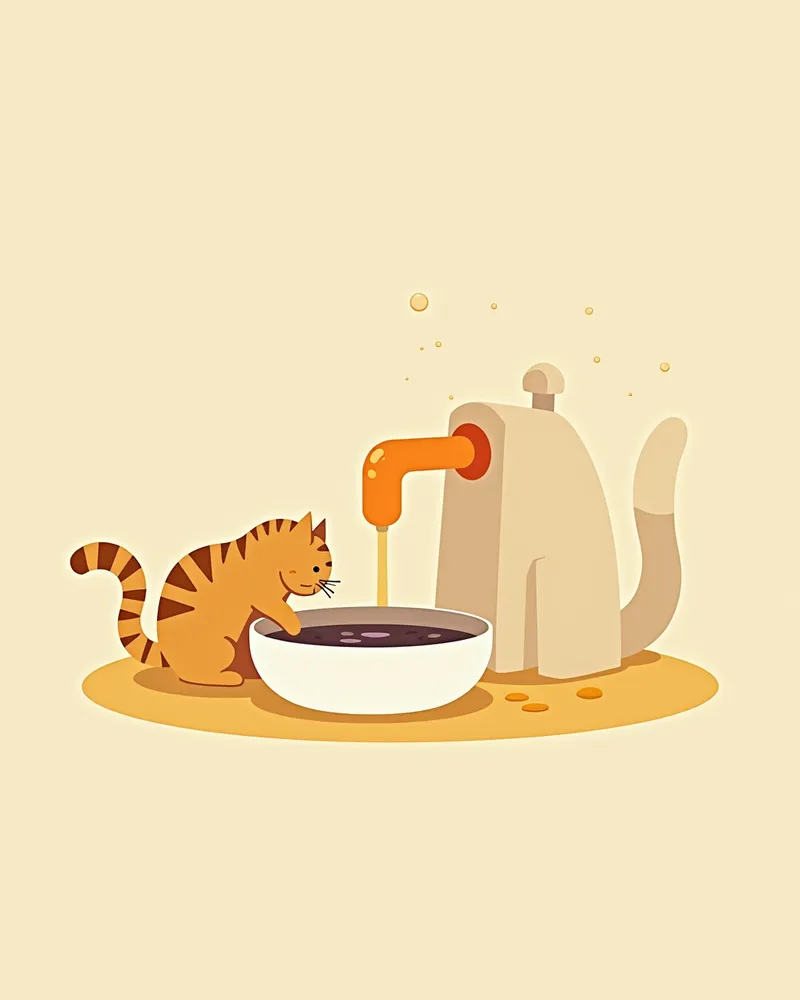
To get the most out of this product, please follow these three key guidelines. First, ensure your cat stays well-hydrated. Always provide fresh water and consider offering wet food with high moisture content to support bladder health. Second, keep the litter box clean and easily accessible so your cat feels comfortable using it regularly. Third, feed at the same times every day. Consistent routines help prevent recurrence. Always consult your veterinarian before starting any new product, especially if your cat is currently on antibiotics, as you may need to adjust the timing of probiotic administration. - Increase water intake: Change the water frequently and place multiple bowls around the home to encourage drinking. - Litter box cleaning: Clean the litter box at least once daily to maintain a comfortable environment. - Consistent feeding schedule: Feed at set times, such as morning and evening, to help your cat become accustomed to the routine.
An image of a cat drinking from a water fountain alongside a clean litter box

Reviewed by a veterinarian

Dr. Tony — Punnawat Phongkittirak

Dr. Tony — Punnawat Phongkittirak

Veterinarian

A veterinarian who majored in veterinary medicine at Khon Kaen University, Thailand, and completed the IVSA program at North Carolina State University in the United States. Drawing on clinical experience at animal hospitals, he works in the pet healthcare field and is dedicated to building a digital care environment that connects pet parents with veterinarians.

Frequently Asked Questions

Can bacterial cystitis in cats be self-diagnosed?
No, there are many conditions with similar symptoms, so an accurate diagnosis requires a veterinarian to perform tests such as a culture.
Should I continue giving the maintenance supplement even after finishing the antibiotic course?
If the risk of recurrence is high, your veterinarian may recommend using a management product for a certain period. You may also consider ongoing care to help protect the bladder lining.
Will mixing the powder with food reduce its effectiveness?
No, the powdered formula remains stable when mixed with food, and most cats tend to enjoy it.
Do all cats need to use grooming products?
No. It may help cats with recurrent flare-ups or frequent bladder inflammation. Please consult your veterinarian to determine if it’s right for your cat.
Will giving a probiotic supplement reduce the effectiveness of antibiotics?
Supplements work differently from antibiotics, so they are generally used together. However, the effectiveness of probiotic ingredients can vary depending on the timing of administration, so it’s best to consult your veterinarian to adjust the timing accordingly.

Share

Related Guides

References

[1] The Cat, Clinical Medicine and Management, 2nd Edition, Elsevier, 2017

[2] Plumb's Veterinary Drug Handbook, 9th Edition, Wiley-Blackwell, 2021

[3] American Association of Feline Practitioners (AAFP) Feline Urinary Health Guidelines, 2023

This information is based on veterinary literature and does not replace diagnosis or treatment. Please consult a veterinarian for specific health concerns.

Metapet Co., Ltd. | CEO: Park Sung-yong | Business Reg. No. 417-88-02562 | Seoul, South Korea | Customer Center

Best Products for Feline Bacterial Cystitis: How to Choose | Meongsiljang