Like
Share
멍실장
강아지 옥살산칼슘 요석 관리 추천 BEST와 고르는 기준 총정리

Top Recommended Products and Selection Criteria for Managing Calcium Oxalate Urinary Stones in Dogs

UrinaryTop PicksMeongsiljang Veterinary Advisory Board

Calcium oxalate urinary stones in dogs have a high risk of recurrence, making proper diet and care essential. This article outlines effective management products and the criteria for choosing them.

Calcium Oxalate Urinary Stones in Dogs Are a Chronic Condition Requiring Management with Owners
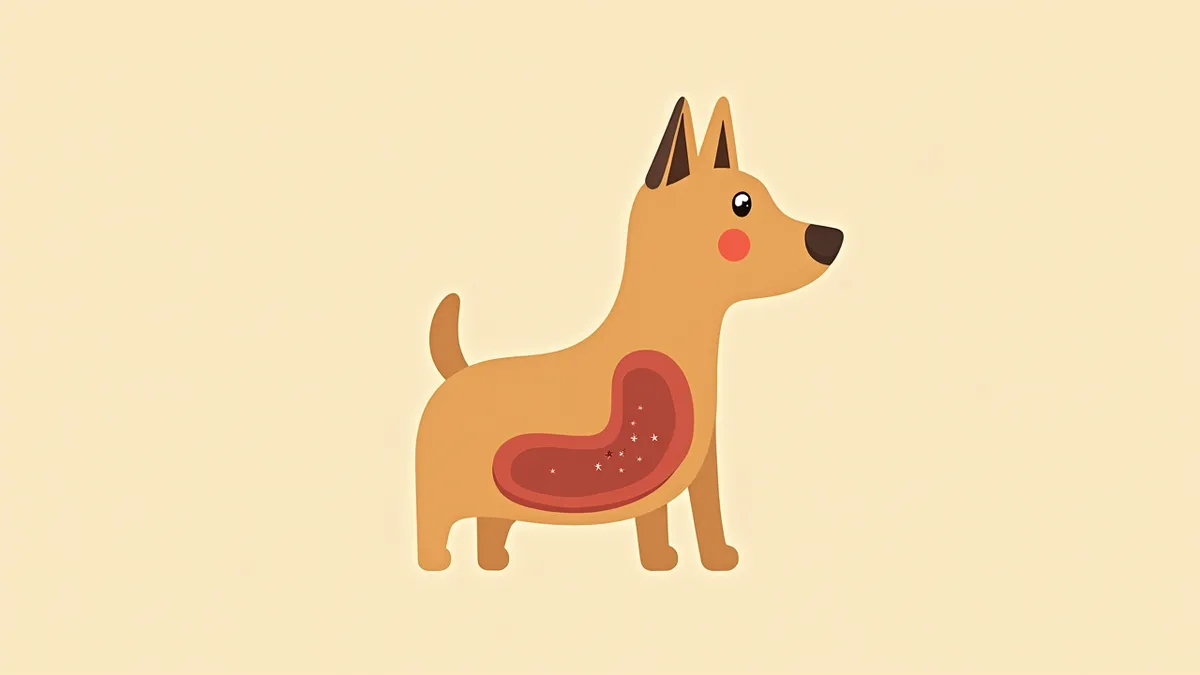
A medical illustration explaining the process of calcium oxalate urolith formation in a dog's kidneys and bladder.
Calcium oxalate uroliths in dogs form when calcium and oxalate in the urine combine to create stones, and they carry a very high risk of recurrence. This is a chronic condition that requires lifelong, ongoing management. Increasing water intake and choosing the right diet are key. Under veterinary guidance, feeding a prescription diet can help influence stone formation, but because the risk of recurrence remains high, it’s important to remember that careful management is essential. Regular check-ups and monitoring of urine status are also crucial. Managing uroliths isn’t about short-term treatment—it requires long-term improvements in daily habits.

Key Criteria for Selecting Diets to Manage Calcium Oxalate Urinary Stones in Dogs
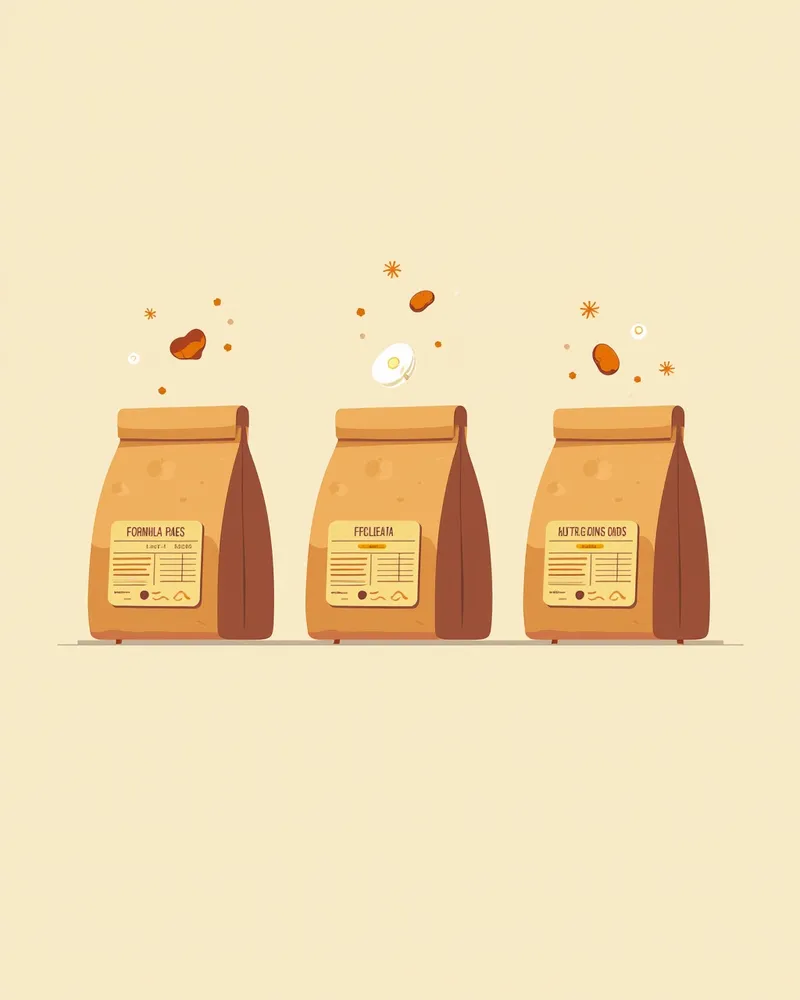
- Veterinarian-recommended products: Always choose a specialized diet recommended by your veterinarian. This can help reduce the risk of urinary stone recurrence. - Encouraging hydration: Select food with a high moisture content to naturally encourage water intake. Hydration is the most important factor in diluting urine and lowering the risk of stone formation. - Regulating calcium and oxalate levels: Choose food with appropriately balanced calcium and oxalate levels, focusing on a harmonious combination rather than simply reducing one component. This helps prevent excessive absorption of any single nutrient. - Supporting gut health: Products containing probiotics or dietary fiber can also help improve intestinal function. - Comparing ingredients is essential: Carefully compare the nutritional labels of each product, and choose based on your dog’s condition and your veterinarian’s guidance.
Image comparing the nutritional composition of three types of food formulated for managing calcium oxalate uroliths

BEST 1: Premium Diet Specifically for Calcium Oxalate Urinary Stones
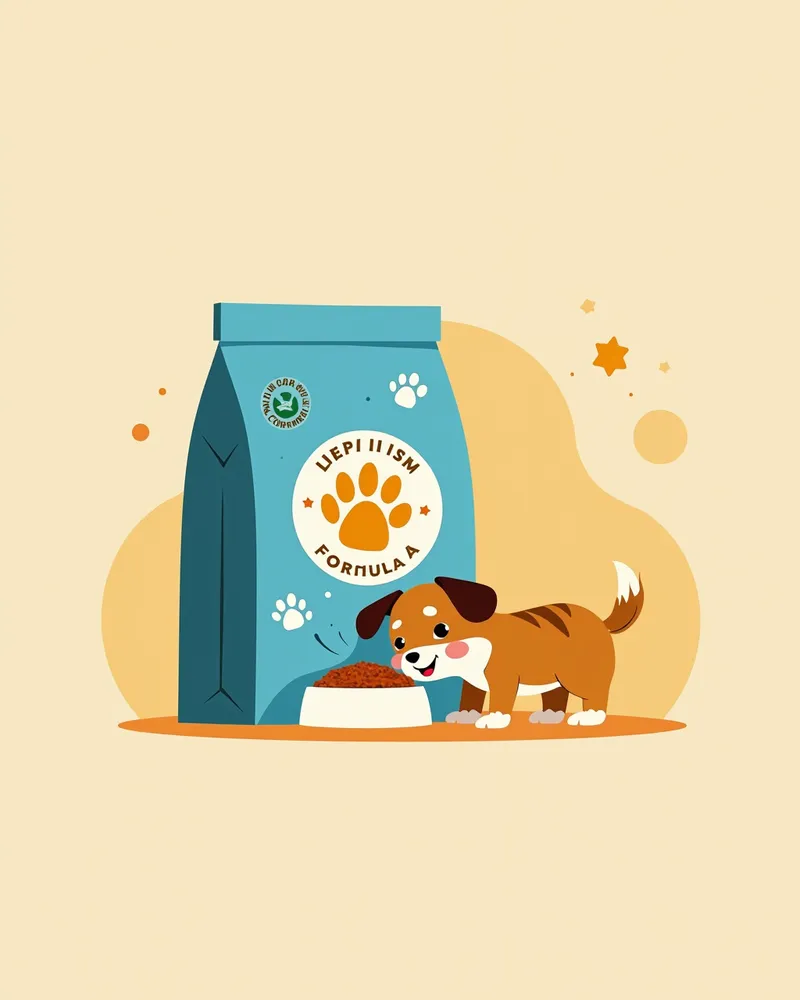
This food features a special formula recommended by veterinarians, designed to increase water intake and help dilute urine. Since excessively lowering either calcium or oxalate can paradoxically increase the absorption of the other, the formula is carefully balanced to regulate both components. For managing calcium oxalate uroliths, the most effective preventive strategy is to dilute the urine and maintain a urinary pH between 7.0 and 7.5 (alkalinization). Its high moisture content encourages dogs to drink more water naturally. It also contains probiotics to support gut health and improve the intestinal environment. Additionally, it provides a balanced supply of high-quality protein and essential nutrients to help maintain optimal nutritional status. This product meets the fundamental requirements for urolith management.
Image of a dog eating veterinarian-recommended calcium oxalate stone-specific food

BEST 2: Low-Calcium and Low-Oxalate Specialized Diet
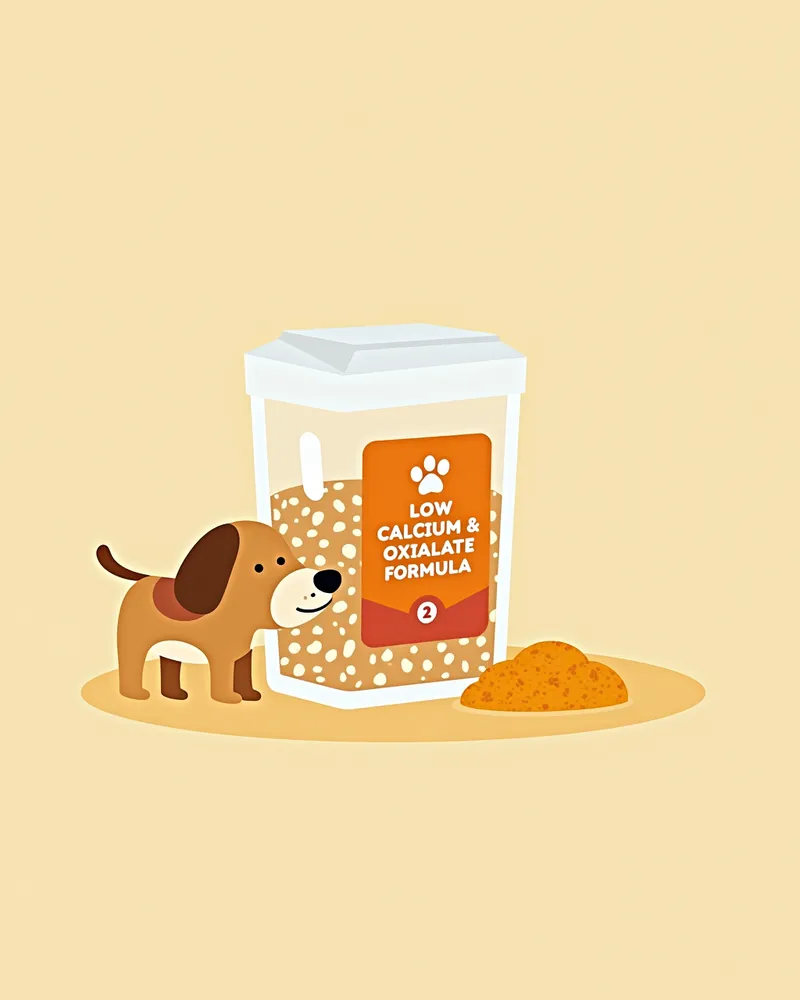
This formula is designed to reduce the risk of urinary stone formation by carefully regulating calcium and oxalate levels, requiring a balanced combination of ingredients. It is important to note that drastically lowering either calcium or oxalate alone can paradoxically increase their absorption, so caution is advised. The diet helps lower urine concentration, preventing the conditions that favor stone formation. Rich in dietary fiber, it promotes healthy bowel movements and helps prevent constipation. This balanced combination considers your dog’s digestive function and overall health, providing stable, long-term benefits.
An image showing a special low-calcium, low-oxalate diet.

BEST 3: High-Moisture Urinary Stone Management Diet

To encourage water intake, this high-moisture wet food helps dilute urine and prevent the conditions that promote stone formation. Increasing hydration and urine volume through wet food is the most fundamental approach to preventing calcium oxalate stones. The balanced calcium-to-oxalate ratio also helps reduce the risk of recurrence. Its appealing taste and texture naturally encourage dogs to drink more water. With higher moisture content than dry kibble, it effectively supports long-term hydration management, making it an ideal choice for dogs that don’t drink enough water. As a product specifically formulated for stone management, it aids in improving daily habits.
An image of a dog drinking water while being fed moisture-enhanced urinary stone management food.

Comparison Table of BEST 1–3 Diets: Analysis of Ingredients, Price, and Effects

ItemBEST 1 Dedicated foodBEST 2 Low-calcium foodBEST 3 Moisture-enhanced food
Calcium contentAppropriate rangeAppropriate rangeAppropriate range
Oxalate contentAppropriate rangeAppropriate rangeAppropriate range
Moisture contentMediumLowHigh
Price (per 1kg)About $50About $40About $50
Recommended timingFor ongoing management after urolith recurrenceFor prevention or ongoing managementWhen water intake is insufficient or for ongoing management

Personalized selection after consulting a veterinarian is important. Increasing water intake to keep the urine dilute and adjusting nutritional balance is the key to preventing recurrence.

Caution: Sudden Diet Changes Increase the Risk of Urinary Stone Recurrence

When switching your pet’s food, it’s important to make the transition gradually over 7 to 10 days. Sudden changes can cause digestive issues and may rapidly alter urine composition, increasing the risk of urinary stone formation. Always transition under the guidance of your veterinarian.

5 Tips for Managing Calcium Oxalate Urinary Stones in Dogs

- Encourage frequent water intake: Place multiple water bowls around the house and refresh the water regularly. Adequate hydration is the most critical factor in preventing urinary stones. - Maintain a consistent feeding schedule: Feeding two to three times daily at regular intervals helps stabilize urinary composition. - Monitor urine condition periodically: Check for changes in color, concentration, and odor to detect any abnormalities early. - Schedule regular veterinary check-ups: Have your pet examined every three to six months. - Transition food gradually: Change diets over a period of seven to ten days. Sudden changes can adversely affect digestive function.
Checklist image for managing calcium oxalate uroliths in dogs

Reviewed by a veterinarian

Dr. Tony — Punnawat Phongkittirak

Dr. Tony — Punnawat Phongkittirak

Veterinarian

A veterinarian who majored in veterinary medicine at Khon Kaen University, Thailand, and completed the IVSA program at North Carolina State University in the United States. Drawing on clinical experience at animal hospitals, he works in the pet healthcare field and is dedicated to building a digital care environment that connects pet parents with veterinarians.

Frequently Asked Questions

Can I switch my pet’s food after they’ve developed urinary stones?
Yes, it’s safe to gradually transition your pet’s food under a veterinarian’s guidance. Be cautious, as sudden changes can cause digestive issues.
Is there a way to encourage my pet to drink more water at home?
Placing multiple water bowls around the house, refreshing the water frequently, and using a flowing water fountain can be highly effective. Offering wet food with a high moisture content also helps dilute your pet’s urine.
Is there a high chance of the stones coming back?
Yes, calcium oxalate uroliths are a condition with a high recurrence rate. Even with appropriate dietary management, it is known that up to 50% of dogs may experience a recurrence within three years. Therefore, ongoing management and regular check-ups are essential.
Is it okay to give my pet supplements in addition to their regular food?
Only consider supplements if your veterinarian approves them. Be cautious, as certain ingredients like vitamin C or vitamin D can actually increase the risk of stone formation.
Should I take my pet to the vet immediately if they develop a urinary stone?
If your pet shows signs of urinary obstruction, such as difficulty urinating or pain during urination, immediate veterinary attention is necessary. A complete blockage of the urethra can be life-threatening.

Share

Related Guides

References

[1] Lulich, J.P., Osborne, C.A., Albasan, H. et al. (2009). Efficacy and safety of laser lithotripsy in fragmentation of urocystoliths and urethroliths for removal in dogs. Journal of Veterinary Internal Medicine, 23(4), 876–882.

[2] McHarg, T., Rodgers, A., and Charlton, K. (2003). Influence of cranberry juice on the urinary risk factors for calcium oxalate kidney stone formation. BJU International, 92(7), 765–768.

[3] Applied Veterinary Clinical Nutrition, 2nd Ed. (2019). Chapter 12: Dietary Management of Urinary Stones in Dogs. Elsevier Health Sciences.

This information is based on veterinary literature and does not replace diagnosis or treatment. Please consult a veterinarian for specific health concerns.

Metapet Co., Ltd. | CEO: Park Sung-yong | Business Reg. No. 417-88-02562 | Seoul, South Korea | Customer Center

Top 3 Tips for Managing Calcium Oxalate Stones in Dogs | Meongsiljang