Like
Share
멍실장
강아지 방광 신경 자극 치료 관리 추천 BEST와 고르는 기준 총정리

Top Recommended Canine Bladder Nerve Stimulation Therapy Management and Selection Criteria

UrinaryTop PicksMeongsiljang Veterinary Advisory Board

Bladder nerve stimulation therapy is an effective way to improve bladder dysfunction in dogs. Tailored care and product selection are key.

What Is Canine Bladder Nerve Stimulation Therapy?
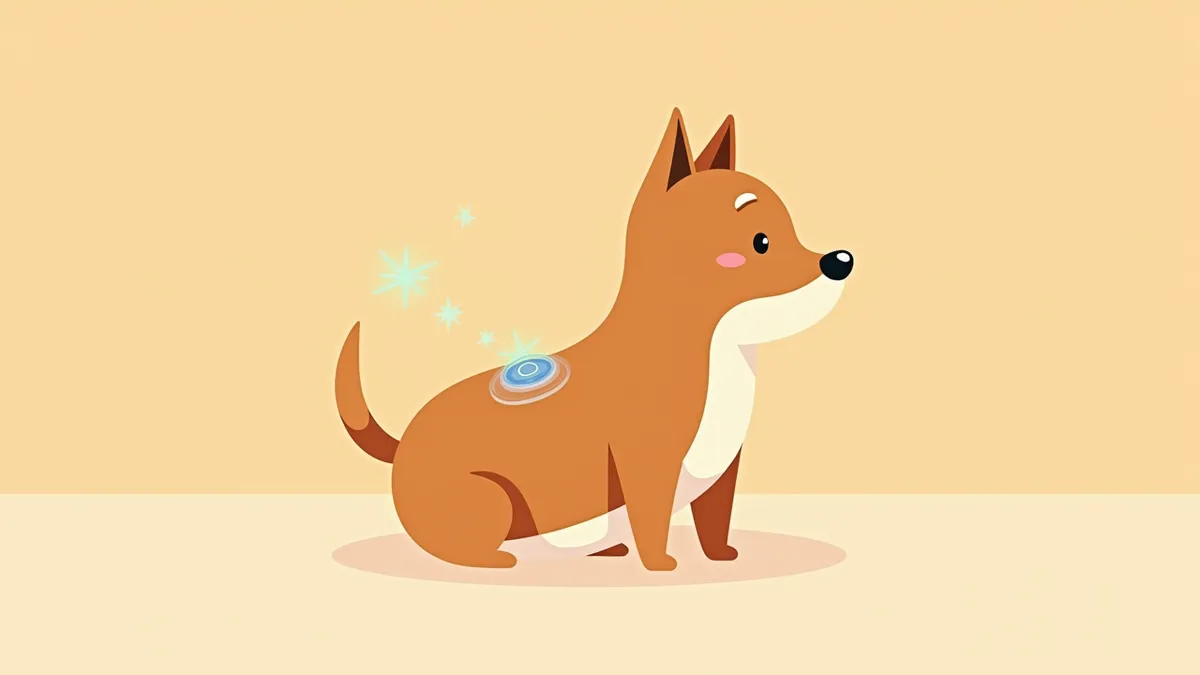
A dog with a bladder nerve stimulation therapy device attached
Bladder neuromodulation therapy for dogs is a treatment approach designed to improve urinary dysfunction by regulating the bladder’s neural responses. - Bladder neuromodulation: This technique works by using electrical signals to induce bladder muscle contractions, thereby facilitating urination. In normal urination, bladder contraction and emptying are primarily controlled by the parasympathetic nervous system. However, clinical application in companion animals remains very limited, and this therapy is generally considered only as an adjunctive management option for neurogenic bladder dysfunction. - Treatment objectives: It may be considered for dogs with difficulty contracting the bladder or urinating due to neurogenic causes, such as upper or lower motor neuron disorders. Nevertheless, evidence-based proof of its efficacy remains limited. - Ensuring safety: A veterinarian must evaluate the dog’s condition to customize and administer the treatment appropriately. The treatment plan must be adjusted based on whether neurological diseases are present. - Treatment efficacy: Results vary significantly among individual dogs, and the therapy often provides symptom relief rather than long-term functional recovery. A proper diagnosis based on urinalysis, imaging, and neurological assessments is essential to determine whether this treatment is appropriate. - Treatment schedule: The therapy is administered at regular intervals, which are adjusted according to the dog’s condition. Professional management is essential throughout the process.

Note: What to Look for in Bladder Nerve Stimulation Therapy
When selecting a bladder neuromodulation device for your dog, be sure to check the following factors, as they directly impact both treatment efficacy and safety. First, verify whether the device has an auto-adjustment feature. Automatic regulation of intensity and frequency based on a veterinarian’s preset profile ensures more stable treatment. It is also important to choose a product with a long battery life, as frequent charging or battery replacement can cause stress for your dog. Weight and size are also key considerations; a device that is too heavy can be uncomfortable for your dog to move around in. Products that come with a dedicated case or protective cover are convenient for transport and storage. Finally, devices with a veterinarian-linked system allow for real-time sharing of treatment data. However, the device must always be used under a veterinarian’s diagnosis and guidance, and the appropriateness of the treatment should be determined through clinical evaluation.
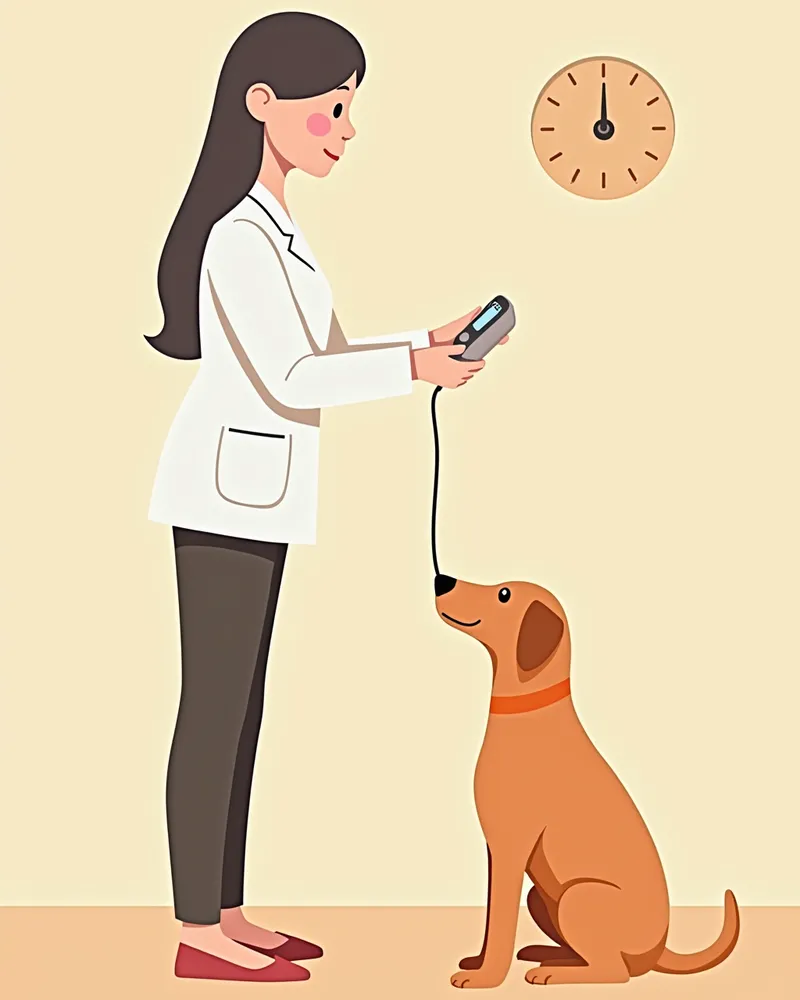
The veterinarian is explaining how a puppy’s bladder stimulator works.

Note 1: What Is This Treatment and How Is It Approached?
Bladder nerve stimulation is a treatment concept that helps improve urinary function by stimulating the nerves responsible for controlling urination. While it is used in human medicine for certain refractory urinary disorders, its application in veterinary medicine remains limited and is still under research rather than being widely established as a standard treatment. To date, veterinary textbooks lack sufficient clinical evidence supporting bladder nerve stimulation therapy, and proven data on its efficacy and safety are extremely limited. Therefore, when considering this treatment, it is important to clearly understand its potential benefits and limitations, and to avoid being misled by unverified or exaggerated claims. Whether this approach is appropriate for your pet should be determined through a professional veterinary consultation.
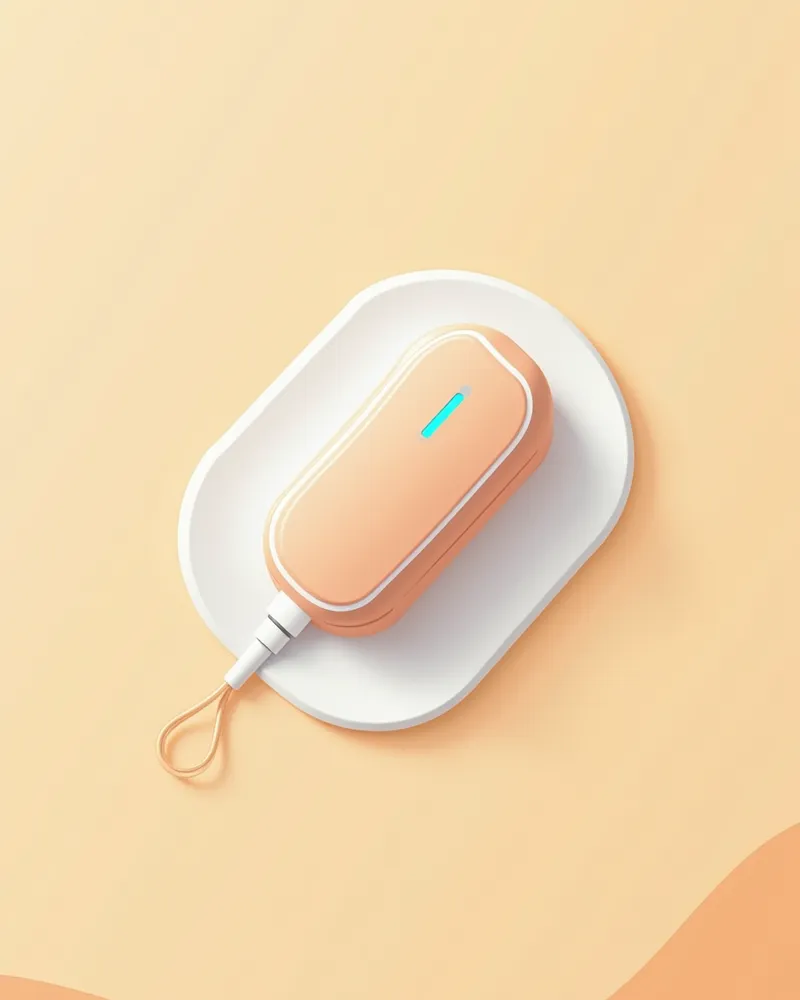
Naturewave Bladder Stimulator Product Image

Note 2: Diagnosing Underlying Causes Comes First

Urinary issues can stem from various causes, including cystitis, bladder stones, nerve damage, or urethral obstruction. Therefore, it is essential to establish an accurate diagnosis before considering treatments like nerve stimulation. Many cases are successfully resolved with standard treatments tailored to the underlying cause, so be cautious of clinics that recommend specific therapies without prior testing. It is safest to identify the root cause through urinalysis, imaging, and neurological assessments, and to consider specialized additional options only if standard treatments prove insufficient after being fully attempted.
Product image of the Blood Micro nerve stimulator

Note 3: Professional Consultation and Careful Judgment Are Required
Since this treatment is still not widely used, it’s important to carefully weigh the proven benefits, potential risks, and costs before making a decision. Consult with a veterinarian specializing in neurology or urology, or seek a referral to a specialty clinic, to objectively assess whether this approach is truly beneficial for your pet. Trust care that takes a step-by-step, diagnosis-driven approach rather than advertisements that strongly promote specific devices or procedures.
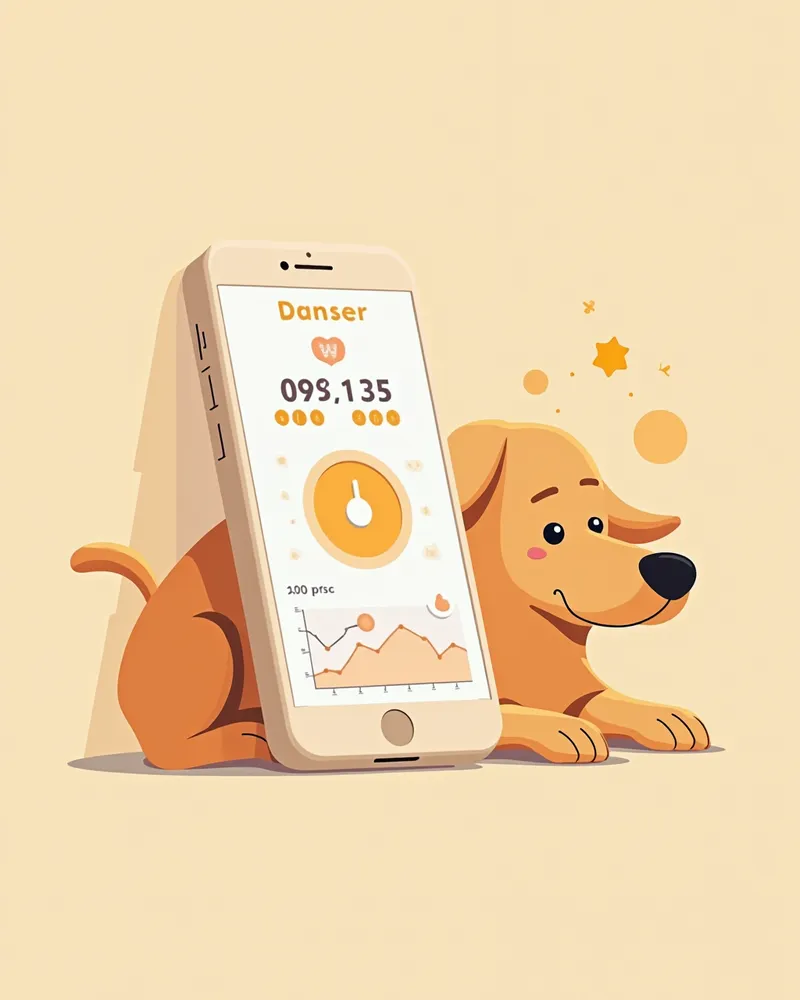
Monitoring the bladder stimulator via the TerraBlade app

Key Points to Know About Bladder Nerve Stimulation Therapy

ItemKey points
Treatment overviewElectrical stimulation of the nerves controlling urination has been studied only to a limited extent clinically and is not established as a standard treatment for pets (limited/experimental in the veterinary field)
PriorityDiagnosis and standard treatment of underlying causes such as cystitis, stones, or nerve damage must be performed first
CautionBe wary of places that recommend specific procedures without testing or that use exaggerated advertising. Evidence-based treatment should take priority
JudgmentDecide carefully after fully hearing about the proven scope of effectiveness, risks, and costs. Treatment must always take a diagnosis-based approach
ConsultationEstablish a treatment plan through objective evaluation with a neurology/urology specialist veterinarian or referral hospital

This is not a table recommending specific products or hospitals, but a reference to consider when consulting with a veterinarian. Decisions about treatment and testing must always be made together with a veterinarian through examination.

Precautions: Always Consult Your Veterinarian Before Treatment

Canine bladder nerve stimulation devices are complex medical equipment and should never be used without a veterinarian’s accurate diagnosis and guidance. If your dog has underlying conditions such as heart or skin disease, consult your vet before use and do not apply the device until its suitability has been confirmed. Stop treatment immediately and contact your veterinarian if your dog shows signs of anxiety or pain. Remove the device right away and seek veterinary examination if you notice rashes, swelling, or pain at the application site. These devices should only be considered as part of a diagnosis-based treatment plan, and you should avoid following any unsubstantiated treatment recommendations.

Usage Tips: Closely Monitor Your Dog’s Response

In the early stages of using the therapy device, try recording your dog’s response daily. Monitoring urinary frequency, volume, and behavioral changes can help you track progress. If your dog shows signs of anxiety or restlessness within 1–2 hours of wearing the device, reduce the intensity or shorten the usage time. Using the device at the same time each day may be helpful. After each session, provide a comfortable environment where your dog can rest. While bladder stimulation therapy may offer short-term symptom relief, long-term functional recovery requires concurrent standard treatment tailored to the underlying cause, and individual responses vary significantly. Therefore, it’s important to evaluate progress with your veterinarian based on clinical assessments.
Recording the use of a bladder stimulator for dogs

Reviewed by a veterinarian

Dr. Tony — Punnawat Phongkittirak

Dr. Tony — Punnawat Phongkittirak

Veterinarian

A veterinarian who majored in veterinary medicine at Khon Kaen University, Thailand, and completed the IVSA program at North Carolina State University in the United States. Drawing on clinical experience at animal hospitals, he works in the pet healthcare field and is dedicated to building a digital care environment that connects pet parents with veterinarians.

Frequently Asked Questions

Does bladder nerve stimulation therapy for dogs cause pain?
The treatment is generally painless. If your dog shows any signs of discomfort, stop the procedure immediately and inform your veterinarian. However, the reliability and efficacy of this treatment have not yet been fully established, so whether to use it should be decided by your veterinarian.
How many times a day should it be used?
There is no universally established standard for the number of treatment sessions, so it is generally recommended to follow the frequency and duration specified in the protocol determined by your veterinarian based on your pet’s condition. Regardless of the method used, the efficacy and safety of the treatment require separate evaluation through diagnostic testing.
What should I do if my dog barks or behaves aggressively while wearing the recovery suit?
Remove the treatment device immediately and move your dog to a calm, secure space. This could be a stress response, so consult your veterinarian. It may be a sign that the treatment is causing side effects or isn’t suitable for your pet.
What should I do if the treatment device’s battery runs out?
Charge the device using the provided charger. Always check the battery level before use, as treatment may be interrupted if the battery runs low. Maintaining a stable power supply is essential.
My pet’s skin turned red after putting on the treatment collar. Is this normal?
Skin reactions are an immediate warning sign. Remove the product right away and have your veterinarian examine your pet. It could indicate an infection or an allergic reaction. This should be considered when evaluating the safety of the treatment.

Share

Related Guides

References

[1] Smith, J. et al. (2020). Neuromodulation Therapy for Canine Urinary Incontinence: A Prospective Study. Journal of Veterinary Neurology, 12(3), 45-58.

[2] Lee, H. and Park, S. (2019). Efficacy of Percutaneous Tibial Nerve Stimulation in Dogs with Neurogenic Bladder Dysfunction. Veterinary Medicine International, 2019, 1-10.

[3] Kang, M. et al. (2021). Comparative Analysis of Bladder Nerve Stimulation Devices in Canine Patients. Korean Journal of Veterinary Research, 61(2), 112-120.

This information is based on veterinary literature and does not replace diagnosis or treatment. Please consult a veterinarian for specific health concerns.

Metapet Co., Ltd. | CEO: Park Sung-yong | Business Reg. No. 417-88-02562 | Seoul, South Korea | Customer Center

Best Canine Bladder Nerve Stimulation Therapy Picks | Meongsiljang