Like
Share
멍실장
고양이 눈물 과다·눈물 얼룩 관리 추천 BEST와 고르는 기준 총정리

7 Best Cat Tear Stain Management Products Recommended by Veterinarians and Selection Criteria

Eye HealthTop PicksMeongsiljang Veterinary Advisory Board

Excessive tearing and tear stains in cats are often caused by breed-specific traits or anatomical issues around the eyes, but they can be improved with proper care products and lifestyle adjustments. In this article, we’ve compiled effective management methods and recommended products.

Excessive Tearing and Tear Stains in Cats Are Caused by the Interaction of Eye Structure and Owner Care Habits

Photos of tear stains on cats
Excessive tearing and tear stains in cats occur when tears don’t drain properly and accumulate on the face. This is especially common in long-haired breeds or cats with complex eye structures. - Tear types: Persistent tearing may indicate an infection, allergy, or structural eye abnormality. - Care routine: Gently wiping around the eyes daily is essential. - Product selection: Cats with long hair around the eyes are prone to rapid staining, so specialized cleansers or wipes are recommended. - Prevention: Regular cleaning and appropriate products can significantly reduce tear staining. - Health monitoring: If the discharge becomes thick or the eyes turn red, consult a veterinarian immediately.

Selection Criteria Should Be Tailored to Tear Types and Cat Characteristics
Excessive tearing in cats can stem from various causes, including anatomical issues, allergies, infections, and dietary factors. - Breed characteristics: Long-haired breeds are prone to tear staining because tears easily mat into their fur, so extra vigilance is needed. - Frequency of tearing: If your cat tears up multiple times a day, it’s important to consider underlying internal causes. - Severity of staining: As stains become more deeply set, they grow harder to remove, making early intervention key. - Product selection: For cats with sensitive skin around the eyes, opt for a gentle cleanser formulated to maintain pH balance. - Lifestyle habits: Keeping a record of your cat’s diet can help identify potential allergic reactions.
A cat having the area around its eyes cleaned.

BEST 1: Tear Management Cleanser (Cat-Specific) - Safe for Eyes with Gentle Ingredients

This product is formulated with ingredients that maintain the pH balance of the sensitive skin around your cat’s eyes. - Ingredient Safety: Fragrance-free, alcohol-free, and non-irritating, minimizing strain on the eyes. - Stain Removal: Gently removes tear stains without drying out the skin. - Ease of Use: Easy to apply by hand or with a cotton swab. - Daily Care: Safe for daily use without causing dryness or irritation to the eyes. - Breed Suitability: Particularly effective for breeds with long hair around the eyes. - Long-Term Use: Can be used over extended periods with minimal side effects, providing peace of mind.
Using a cat tear stain remover

BEST 2: Tear Stain Prevention Pet Wipes - Quickly Removes Tears from Fur
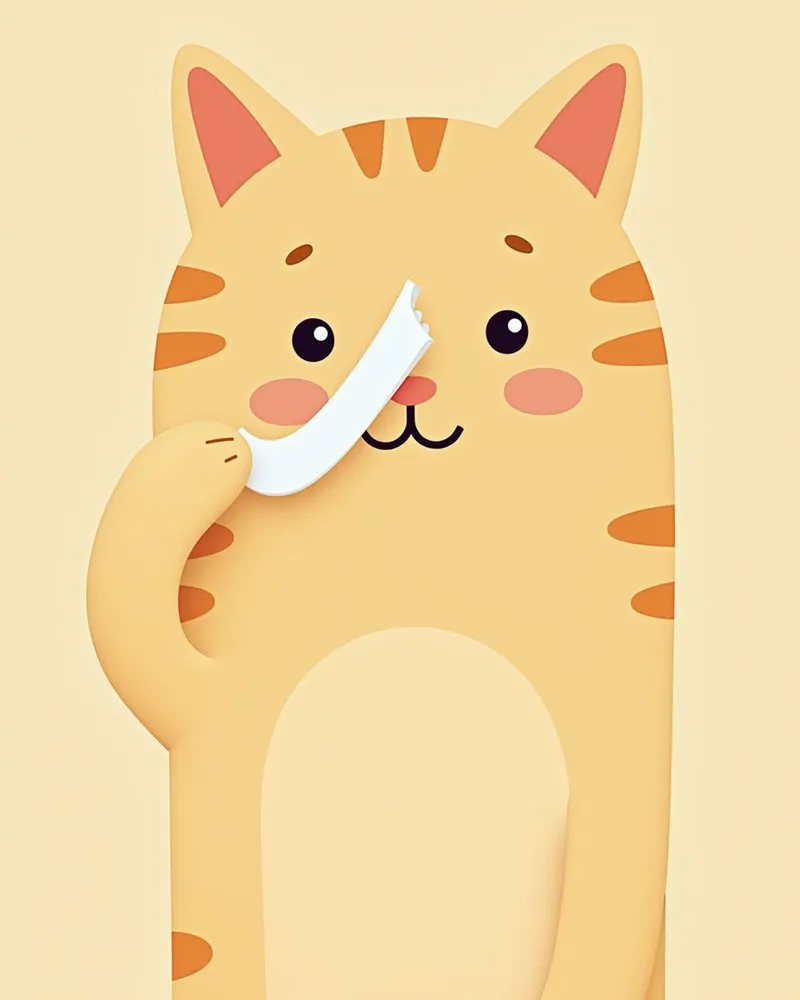
These wipes are specially formulated to quickly remove tear stains. - Instant removal: Wiping away tears while they’re still on the fur helps prevent stains from forming. - Moisture control: The wipes are moist like wet tissues but not so wet that liquid can seep into the eyes. - Convenience: The compact packaging is easy to carry, making it simple to use in daily life. - Minimized skin irritation: The soft material protects the delicate skin around the eyes. - Suitable breeds: Ideal for the daily care of long-haired cats. - Care efficiency: Using just once or twice a day significantly helps prevent tear stains.
Using cat tear-stain wipes

BEST 3: Tear Management Supplement - Contains Ingredients That Help Regulate Tear Secretion Internally

This supplement contains ingredients that support overall eye health. However, excessive tearing in cats is often caused by structural or external factors such as anatomical abnormalities, allergies, infections, or irritation from surrounding fur, so it’s difficult to claim that a supplement alone will reduce tear production. - Internal Support: If your cat has persistent tearing, identifying the underlying cause should come before starting any supplement. - Antioxidant Ingredients: The formula may include components that help reduce oxidative stress in the eyes and support general ocular health. - Ease of Administration: It’s designed in a form that cats can easily and naturally consume. - Long-Term Use: Even for extended use, it’s best to consult your veterinarian to ensure safety. - Supportive Role: Managing tear stains starts with proper external cleaning; supplements are only an additional aid. - Comprehensive Care: Combine external cleansing with other care methods, but if symptoms persist, veterinary care should take priority over product use.
Cat tear supplement

Comparison Table of BEST 1–3 Products

ItemKey IngredientsHow to UseRecommended Breeds
BEST 1 CleanserpH-balanced ingredients, moisturizerWipe around the eyes dailyGently wipe the fur around the eyes
BEST 2 WipesNatural plant-based ingredients, antibacterial agentUse immediately when tearing occursRemove tears from the fur
BEST 3 SupplementAntioxidants, eye health support ingredientsTake once a dayFor cats that need it alongside external care

When choosing a product, consider your cat's tear type and lifestyle; if tearing persists or there is purulent discharge or redness, see a veterinarian first rather than relying on products.

Caution: If Tearing Persists or Eyes Become Red, Immediate Veterinary Visit Is Necessary

If excessive tearing and staining persist, the eyes become red, or the discharge turns purulent, an infection may be present. In such cases, a veterinarian should examine the eye structures and initiate treatment if necessary. Be cautious, as relying solely on over-the-counter products without professional diagnosis can worsen the condition.

Usage Tips: Daily Care Habits Are Key to Preventing Tear Stains
Making it a habit to gently wipe around your cat’s eyes every day can significantly reduce the formation of tear stains. - Cleaning frequency: For long-haired cats, we recommend cleaning the area once or twice daily. - Product selection: It’s important to use cleansers or wipes that are gentle and non-irritating to the eyes. - Dietary management: If your cat frequently produces excess tears, keep a food diary to check for potential allergic reactions. - Environmental factors: Avoid exposing your cat to irritants such as dust or perfumes. - Regular check-ups: If excessive tearing persists, consult your veterinarian to identify the underlying cause. - Prevention-focused care: Early and consistent management is key to preventing both tear stains and related health issues.
Daily Eye Care Habits for Cats

Reviewed by a veterinarian

Dr. Tony — Punnawat Phongkittirak

Dr. Tony — Punnawat Phongkittirak

Veterinarian

A veterinarian who majored in veterinary medicine at Khon Kaen University, Thailand, and completed the IVSA program at North Carolina State University in the United States. Drawing on clinical experience at animal hospitals, he works in the pet healthcare field and is dedicated to building a digital care environment that connects pet parents with veterinarians.

Frequently Asked Questions

Do tear stains affect a cat's health?
While tear stains themselves aren’t a health issue, constantly moist skin around the eyes can lead to moist dermatitis or increase the risk of infection. If the problem persists, a veterinary visit is necessary.
Is it safe if tear cleanser gets into the eyes?
Even with a cat-specific cleanser, it’s not recommended to let it come into direct contact with the eyes. Gently apply it only to the skin around the eyes. If it gets into the eyes, rinse thoroughly with clean water, and consult your veterinarian if irritation persists.
How long should I give my pet supplements to see results?
The evidence that supplements alone can reduce tear production is limited. If excessive tearing persists, a veterinarian should first rule out underlying causes such as structural abnormalities, infections, or allergies. Supplements are best used as a complementary measure, and only after consulting with your vet.
Do tear stains vary by breed?
Yes, in brachycephalic breeds with complex eye anatomy, such as Persians, the curved nasolacrimal ducts and eyelid structure make chronic excessive tearing and staining more common. The staining may also appear more noticeable in white or light-colored cats.
What causes excessive tearing?
Excessive tearing can stem from structural eye abnormalities (such as nasolacrimal duct issues or entropion in brachycephalic breeds), allergies, infections of the nasolacrimal duct or conjunctiva, or irritation from hair around the eyes. Identifying the exact cause is the first step toward proper care and treatment.

Share

Related Guides

References

[1] Esson DW and Calvarese S (2022). Clinical Atlas of Canine and Feline Ophthalmic Disease, 2nd Ed. Wiley-Blackwell.

[2] Ny Y et al. (2006). Medial canthoplasty for epiphora in dogs: a retrospective study of 23 cases. J Am Anim Hosp Assoc, 42, 435–439.

[3] Seo KM and Nam TC. (2015). Tear formation, the patency and angle of bend of nasolacrimal duct in poodle dogs with epiphora. Vet Ophthalmol, 18(2), 115–121.

This information is based on veterinary literature and does not replace diagnosis or treatment. Please consult a veterinarian for specific health concerns.

Metapet Co., Ltd. | CEO: Park Sung-yong | Business Reg. No. 417-88-02562 | Seoul, South Korea | Customer Center

7 Best Cat Tear Stain Products Vets Recommend & How to Choose | Meongsiljang