Like
Share
멍실장
2026 노령견 유산균 추천 TOP 5 — 시니어 장 건강 가이드

Top 5 Probiotics for Senior Dogs in 2026 — A Guide to Senior Gut Health

DigestiveTop PicksMeongsiljang Veterinary Advisory Board

Probiotics for senior dogs help replenish beneficial gut bacteria, stabilizing digestion, immunity, and stool consistency in older dogs. We’ve compiled the top five probiotics for 2026 based on strain quality, CFU count, and storage stability.

What Are Probiotics for Senior Dogs? Why They Are Essential for Senior Gut Health

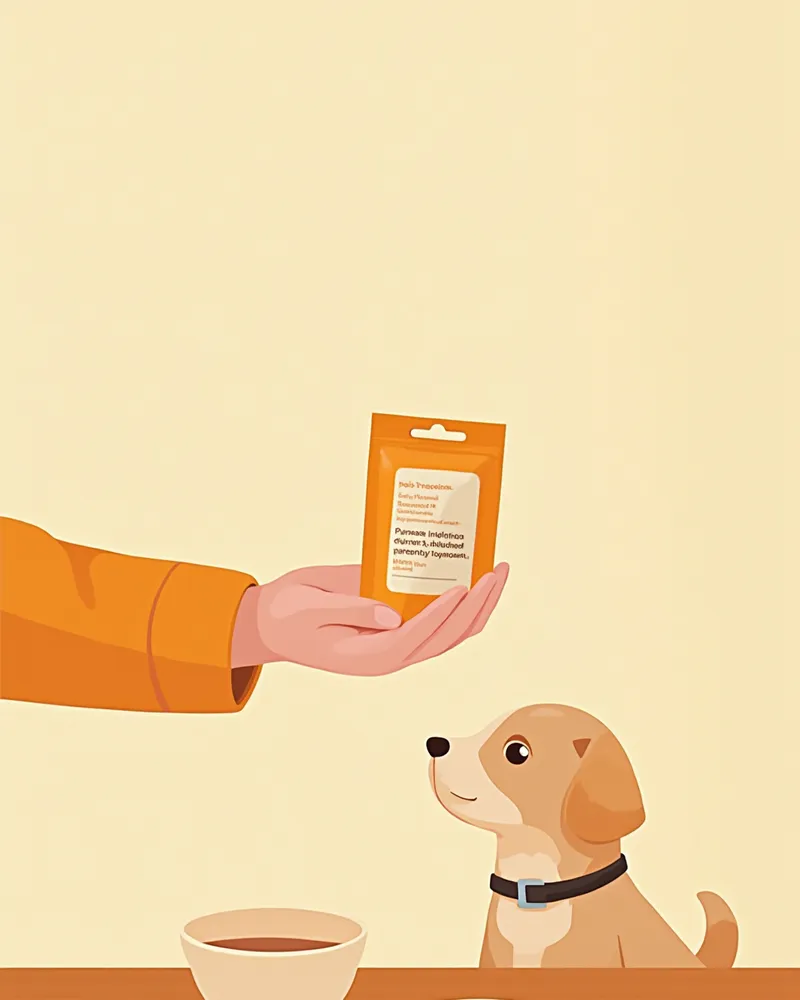
Probiotic powder for puppies placed next to an elderly dog
Probiotics for senior dogs help replenish beneficial gut bacteria, supporting digestion, immune function, and stool quality in older dogs. The gut microbiome influences not only intestinal health but also the well-being of other organs, such as the liver and brain, as well as immune responses. When this balance is disrupted, leading to abnormal fermentation in the gut, it can negatively impact overall health. Therefore, it’s best to choose products specifically formulated for dogs and cats by reputable manufacturers, rather than using human probiotics. Some studies suggest that general commercial products may lack reliability. However, clinical evidence supporting the effectiveness of probiotics in dogs remains limited, so it’s practical to use them as a supplement alongside proper diet management.

Why Probiotics Are Even More Important for Senior Dogs

Aging is a gradual decline in organ function and adaptability. However, veterinary nutrition research shows that carbohydrate digestibility doesn’t necessarily drop significantly with age, and a low-fiber diet isn’t automatically better for senior dogs. What becomes more pronounced in older dogs is a reduced ability to regulate blood sugar after meals. Meanwhile, the gut microbiome plays a key role in overall health, including immune function, so an unstable gut environment can affect general well-being and stool quality. That’s why it’s especially important to maintain a stable gut environment as dogs age.

5 Key Criteria to Check When Choosing

Strains: Ensure the product is specifically formulated for dogs and cats and manufactured by a reputable company. Common strains include Lactobacillus and Enterococcus faecium, with options available as either single-strain or multi-strain formulations.
CFU: The concentration per sachet or capsule varies widely among products, ranging from 1×10⁸ (100 million) to 1.1×10¹¹ (110 billion) CFU. For suspected intestinal dysbiosis, high-potency multi-strain supplements providing 100–400 billion CFU per day per dog are often recommended.
Prebiotics: Ingredients such as FOS (fructooligosaccharides) may help modulate the small intestinal microbiota and support mucosal immunity.
Stability: Microencapsulated formulations offer convenience by protecting the beneficial bacteria throughout handling, processing, and storage.
Additives: Check the label to ensure the product is free from synthetic flavors, sugars, and artificial colors.
A pet owner checking the probiotic label with an elderly dog

Do Not Give Human Probiotics As-Is

Many human probiotics contain xylitol or artificial sweeteners. Xylitol is extremely dangerous for dogs, as it can cause hypoglycemia and liver damage. Additionally, strains formulated for the human gut have low colonization rates in dogs, making them less effective. Always choose products specifically labeled for dogs or as veterinary over-the-counter medications.

At-a-Glance Comparison of the Top 5 Probiotics for Senior Dogs

ItemA Senior LactoB Dog BioticsC Senior GutD Daily ProE Pair Senior
Number of main strains7 types5 types9 types4 types6 types
CFU (per sachet)5 billion3 billion10 billion2 billion4 billion
PrebioticsTrueTrueTrueFalseTrue
Room-temperature storageTrueFalseTrueTrueTrue
PalatabilityHighMediumHighMediumHigh
Estimated monthly cost$20$20$30$10$20

As of April 2026, converted based on 1 sachet/day for a 7 kg senior dog. Prices may vary.

TOP 1. ‘C Senior Gut’ — Excellent in Both Strain Diversity and CFU

With 10 billion CFU across nine strains, this product showed the best balance in our comparison. The inclusion of inulin and FOS creates an ideal environment for beneficial bacteria to thrive. Its freeze-dried powder form is convenient for room-temperature storage, and its mild chicken breast scent is a plus, as even senior dogs tend to accept it readily. We recommend it first for dogs aged seven and older with chronic loose stools or frequent gas. However, its higher price point means you should consider the long-term cost of regular use.

TOP 2–3. ‘A Senior Lacto’ · ‘E Pair Senior’ — Balanced Daily Care

A Senior Lacto contains 5 billion CFU from 7 strains, making it ideal for daily maintenance. It’s especially helpful for dogs whose stools are usually normal but tend to soften during food transitions or after treats. E Pair Senior offers 4 billion CFU from 6 strains and boasts exceptional palatability, making it a great choice for senior dogs with picky appetites. Both products are free from artificial flavors and colors, and can be stored at room temperature, so they’re easy to pack for outings or trips.
Two probiotic sachets placed beside the senior dog’s food bowl

TOP 4–5. ‘B Dog Biotics’ · ‘D Daily Pro’ — Beginner and Value Options

B Dog Biotics contains five strains with 3 billion CFU, making it a suitable starting point for senior dogs new to probiotics. However, refrigeration is recommended, which can be inconvenient during the summer months. D Daily Pro offers four strains with 2 billion CFU; while it has fewer strains, it is the most affordable option, making it ideal for owners whose pets have stable stools and who are using it for simple supplementation. If your dog suffers from chronic diarrhea or decreased appetite, we recommend choosing a higher-tier product.

When Probiotics Alone Are Not Enough

If diarrhea or vomiting lasts more than three days, or is accompanied by black or bloody stools, sudden loss of appetite, or weight loss, your pet needs to see a veterinarian before starting probiotics. These symptoms could indicate underlying conditions such as pancreatitis, chronic enteritis, or tumors. Additionally, senior dogs taking immunosuppressants or chemotherapy drugs may experience side effects depending on the probiotic strain, so it’s important to consult your veterinarian before starting any new supplement.

Proper Feeding Methods and Effectiveness Checkpoints
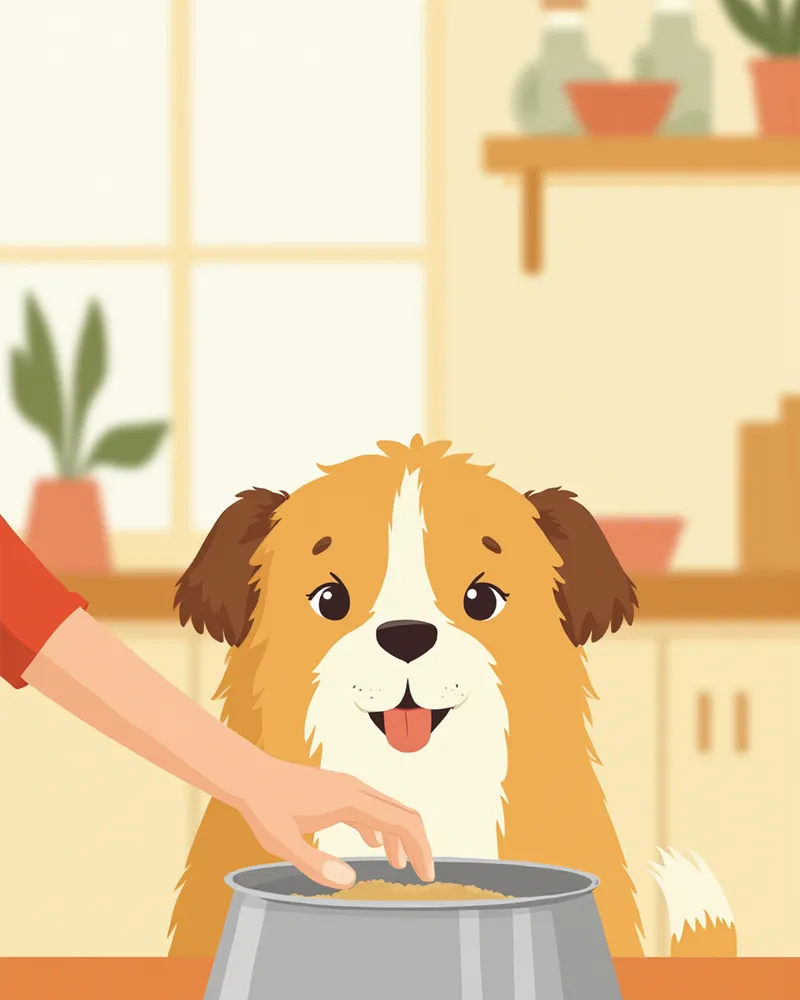
Consistency is key when administering probiotics. If there’s abnormal fermentation in the gut, you’ll typically see a response within two weeks, and it’s recommended to continue for at least another two weeks after improvement. Microencapsulated formulations are designed to protect the beneficial bacteria during handling and storage, so always follow the feeding and storage instructions on the product label. When starting a new product, monitor and record changes in stool consistency, gas production, and palatability on a weekly basis to help assess effectiveness. During the initial adjustment period, stool consistency may temporarily fluctuate; however, if stools become excessively loose or new itching occurs, discontinue use and either switch to a different strain or consult your veterinarian.
An elderly dog eating probiotics mixed into its food

Reviewed by a veterinarian

Dr. Tony — Punnawat Phongkittirak

Dr. Tony — Punnawat Phongkittirak

Veterinarian

A veterinarian who majored in veterinary medicine at Khon Kaen University, Thailand, and completed the IVSA program at North Carolina State University in the United States. Drawing on clinical experience at animal hospitals, he works in the pet healthcare field and is dedicated to building a digital care environment that connects pet parents with veterinarians.

Frequently Asked Questions

Can senior dogs take probiotics for their entire lives?
There is no evidence to suggest that long-term administration should be avoided. However, clinical data supporting the efficacy of probiotics in dogs is still limited. Therefore, it is best to use them consistently as a supplement, while consulting with your veterinarian to adjust the product or strain composition if the effects are unclear or if any changes occur.
Should I give my pet additional probiotics if their food already contains them?
There are reports that general products may lack reliability, and unless they use formulations like microencapsulation to protect the bacteria, their activity can decrease during processing and storage. For senior dogs with concerns about stool consistency or immune health, adding a separate supplement specifically designed for dogs and cats may be more effective.
The stool became looser when I first gave it. Can I continue giving it?
When abnormal fermentation occurs in the gut, a response typically appears within two weeks. During the initial adaptation period, stool consistency may temporarily fluctuate. However, if diarrhea persists beyond three days or if your pet shows signs of lethargy, discontinue use immediately and consult your veterinarian.
Can I give this to my senior dog who is already on medication?
If your pet is currently taking antibiotics or immunosuppressants, it’s safest to consult your veterinarian before starting any new supplements. While preliminary studies suggest that probiotics may benefit dogs undergoing cancer treatment, the evidence remains limited, so caution is advised. Always obtain approval from your attending veterinarian before beginning.
What’s the difference between probiotics and prebiotics?
Probiotics are beneficial bacteria themselves, while prebiotics (such as FOS) serve as food for these bacteria, helping to regulate the small intestinal microbiota and mucosal immunity. Although there is a concept called "synbiotics" that combines both, clinical evidence in pets remains limited, so it's best to view them as supportive supplements.

Share

Related Guides

References

[1] Hand MS et al., Small Animal Clinical Nutrition, 5th Edition, Mark Morris Institute, 2010

[2] Fascetti AJ, Delaney SJ, Applied Veterinary Clinical Nutrition, 2nd Edition, Wiley-Blackwell, 2023

[3] National Research Council, Nutrient Requirements of Dogs and Cats, The National Academies Press, 2006

[4] Schmitz S, Suchodolski J, Understanding the canine intestinal microbiota and its modification by pro-, pre- and synbiotics — what is the evidence?, Veterinary Medicine and Science, 2016

This information is based on veterinary literature and does not replace diagnosis or treatment. Please consult a veterinarian for specific health concerns.

Metapet Co., Ltd. | CEO: Park Sung-yong | Business Reg. No. 417-88-02562 | Seoul, South Korea | Customer Center

Top 5 Probiotics for Senior Dogs 2026: Gut Health Guide | Meongsiljang