Like
Share
멍실장
강아지 췌장염 저지방 처방식 추천 TOP 5 — 회복기 식이

Top 5 Low-Fat Prescription Diets for Dogs with Pancreatitis — Recovery Phase Diet

DigestiveTop PicksMeongsiljang Veterinary Advisory Board

Dog food for pancreatitis is a gastrointestinal prescription diet formulated with a fat content of 10% or less on a dry matter basis to minimize further irritation to the pancreas. The two most critical factors during recovery are restricting fat intake and minimizing digestive burden.

Why Low-Fat Is Key in Dog Food for Pancreatitis

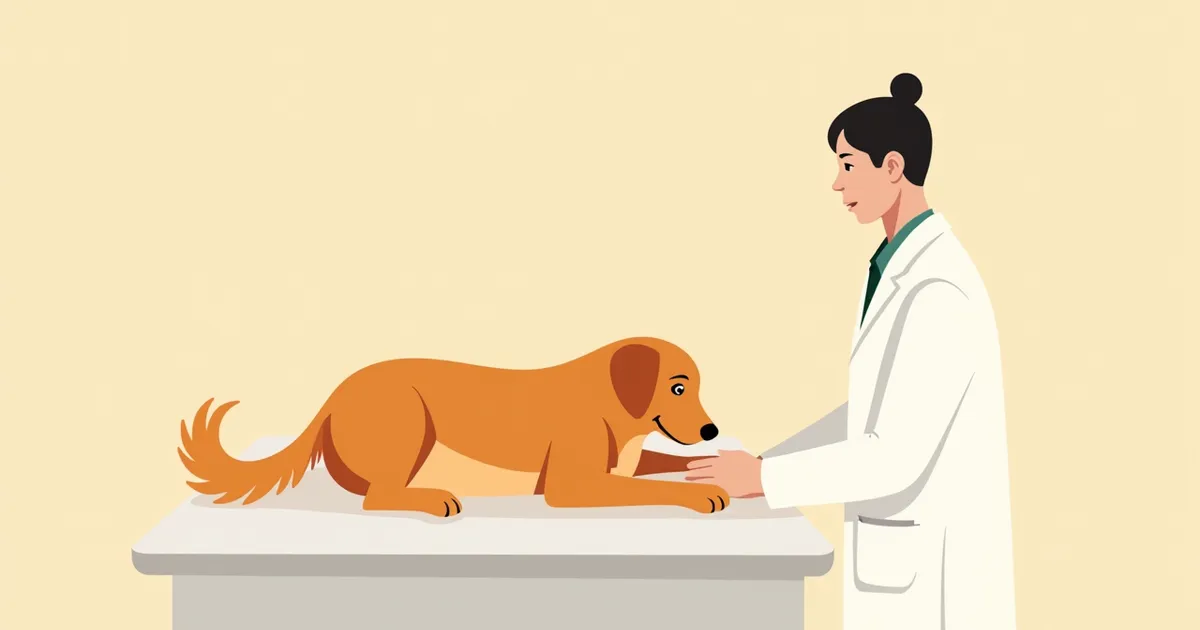
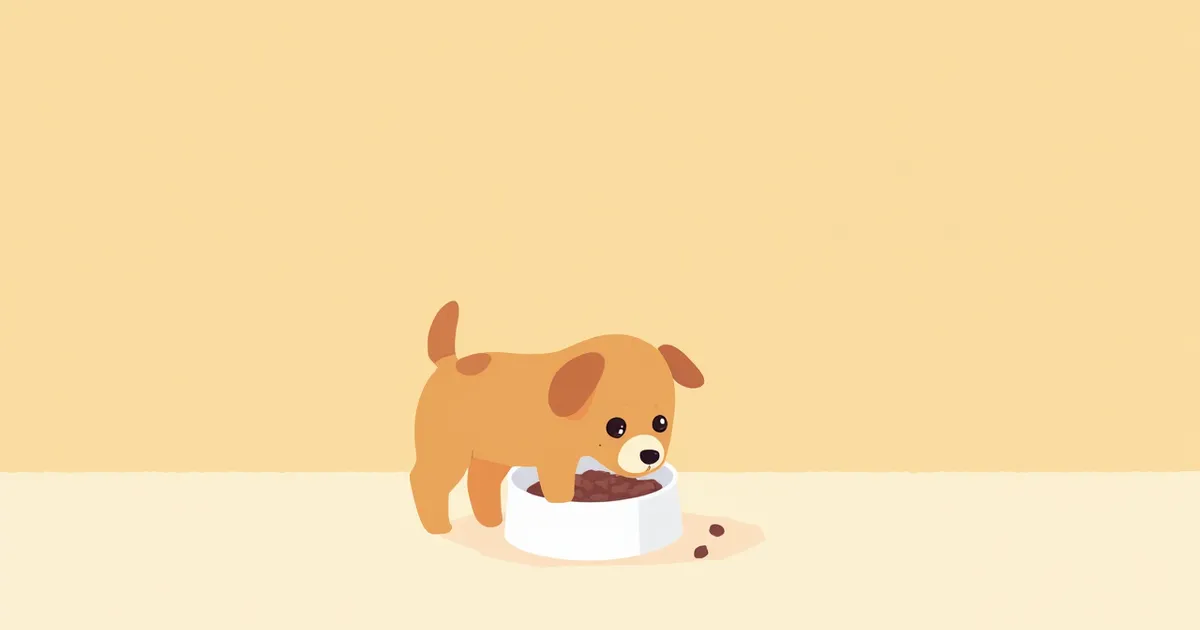
A small dog receiving treatment at a veterinary clinic, with a bowl of low-fat prescription food placed beside it.
Pancreatitis diets for dogs are gastrointestinal prescription formulas designed to reduce additional stress on the pancreas by lowering fat content. Veterinary textbooks recommend low-fat diets for managing acute pancreatitis, noting that when used appropriately, they have no drawbacks. The two most critical factors during recovery are "fat restriction" and "minimizing digestive burden." However, the appropriate fat level varies depending on your dog's dietary history and whether the condition is acute or chronic, making it difficult to apply a single standard to every case. Feeding regular human food, fatty treats, or table scraps can increase the risk of recurrence, so it is safest to consistently maintain the prescription diet recommended by your veterinarian for the full duration advised.

4 Key Factors to Check When Choosing Pancreatitis Diets

Not all prescription diets are created equal. When reviewing the label and product information, be sure to check these four key factors: - Fat content: Whether the fat level is sufficiently low to minimize pancreatic stimulation. - Protein digestibility: Whether the formula relies on highly digestible proteins for easy absorption. - Caloric and nutritional balance: Whether it provides the energy and nutrients necessary for recovery. - Suitability for comorbidities: Whether it is appropriate for concurrent conditions such as diabetes or hyperlipidemia. Specific fat ratios and caloric values can vary significantly between products and may not always be listed on the label. If the figures are unclear, consult the manufacturer’s official documentation or ask your veterinarian to verify whether the diet is suitable for your pet’s specific condition.

Consult Your Veterinarian Before Starting Prescription Diets

Pancreatitis often recurs, and the degree of fat restriction depends on your pet’s specific condition—whether it’s acute, chronic, or recurrent, as well as any concurrent diseases. Don’t switch diets based solely on online reviews; instead, start with a product recommended by your veterinarian based on blood tests (cPLI, pancreatic-specific lipase) and imaging results.

Good to Know 1: Why Low-Fat Diets Are Important for Pancreatitis

Pancreatitis is an inflammatory condition of the pancreas. High-fat foods can irritate the pancreas, worsening symptoms or triggering a recurrence, which is why a low-fat diet is essential for management. Acute pancreatitis presents with vomiting, abdominal pain, loss of appetite, and lethargy, and may require hospitalization as an emergency. Even after recovery, dietary management remains crucial to prevent relapse. Be especially cautious with human food and fatty treats. If you suspect pancreatitis, seek veterinary care promptly.
An informational image explaining why a low-fat diet is important for pancreatitis.

Key Points to Know About Low-Fat Diets for Pancreatitis

ItemKey points
KeyLow-fat diet is central to management; fatty foods trigger worsening/recurrence
EmergencyAcute pancreatitis (vomiting, abdominal pain, lethargy) may require hospitalization
Prescription diet selectionVaries by stage/comorbidities; prioritize the veterinarian-recommended prescription diet
FeedingFasting/fluids in the acute phase then gradual; small, frequent meals during recovery
Recurrence managementBlock fatty foods/treats, manage weight; do not rely on supplements

This table does not recommend specific products or clinics; it is a reference for consulting your veterinarian. Always make treatment and testing decisions together with your veterinarian through an examination.

Good to Know 2: What to Check When Selecting Prescription Diets

When choosing a diet for pancreatitis, look for one that is sufficiently low in fat, easily digestible, and provides the nutrients needed for recovery. The appropriate diet varies depending on whether your pet is in the acute or recovery phase, as well as any concurrent conditions such as diabetes or hyperlipidemia, so it is safest to follow the prescription diet recommended by your veterinarian. Even among low-fat options, a diet that doesn’t match the current stage of illness can place unnecessary stress on the body. When switching foods, transition gradually over several days rather than making an abrupt change, and determine the most suitable product through a veterinary consultation.
Guide image on what to check when choosing a prescription diet

Good to Know 3: Gradual Feeding and Recurrence Management

During the acute phase, follow your veterinarian’s instructions to withhold food and administer intravenous fluids, then gradually reintroduce food. In the recovery phase, offer a low-fat diet in small, frequent meals while closely monitoring your pet’s condition. Since pets that have had pancreatitis are at risk of recurrence, it is essential to maintain a low-fat diet and consistently avoid fatty foods and treats. Weight management and control of any concurrent diseases are also important. Do not rely on unproven supplements as a substitute for treatment; instead, work with your veterinarian to establish a safe feeding plan and a strategy to prevent recurrence.

Good to Know 4: Gradual Feeding During the Recovery Phase

During recovery, it’s best to gradually return to the normal diet rather than switching back all at once. Start with very small amounts of a low-fat diet, and monitor whether your pet eats well without vomiting or abdominal discomfort, adjusting the portion size and feeding intervals accordingly. If they tolerate it well, slowly increase the amount back to their usual diet, but continue to avoid high-fat foods. Ensure they have plenty of water, and if vomiting recurs or they seem lethargic, don’t push through—seek veterinary care. The appropriate amounts and timing for each stage depend on your pet’s condition, so following your veterinarian’s guidance is the safest approach.

Seek Veterinary Care Immediately If You Notice These Signs

Even if your pet has started prescribed treatment, pancreatitis may be worsening if you notice any of the following signs. Seek veterinary care within 24 hours. - Repeated vomiting (more than three times a day) - Crying out when the abdomen is touched, or assuming a prayer position (front legs lowered, hips raised) - Yellow, mucoid diarrhea or bloody stools - Refusing food for more than 24 hours or showing lethargy

Reviewed by a veterinarian

Dr. Tony — Punnawat Phongkittirak

Dr. Tony — Punnawat Phongkittirak

Veterinarian

A veterinarian who majored in veterinary medicine at Khon Kaen University, Thailand, and completed the IVSA program at North Carolina State University in the United States. Drawing on clinical experience at animal hospitals, he works in the pet healthcare field and is dedicated to building a digital care environment that connects pet parents with veterinarians.

Frequently Asked Questions

My pet has recovered from pancreatitis. Can we go back to regular food?
Acute pancreatitis carries a risk of relapse even after symptoms subside. It is advisable to continue the prescribed diet for a period after recovery and, when transitioning back to regular food, to do so gradually by mixing it in over several days. If your pet has chronic pancreatitis or a history of relapses, maintaining a long-term low-fat prescription diet is the safest approach. The timing and method of transitioning back should be determined in consultation with your veterinarian, as they depend on your pet’s individual condition.
My pet won’t take the prescribed medication. What should I do?
Warming wet food in a can can enhance its aroma, and mixing it with dry food from the same brand can also be effective. If your pet still refuses to eat, consider switching to a low-fat prescription diet from another brand after consulting with your veterinarian. If loss of appetite persists for more than 24 hours, veterinary care is necessary.
Is it okay to switch to a low-fat homemade diet?
It can be used as a short-term supplement, but we do not recommend feeding it as the sole long-term diet. Pancreatitis diets are precisely formulated not only for their fat content but also for protein digestibility and mineral balance, making them difficult to replicate at home. If you prefer a homemade diet, it is safest to have it prescribed by a veterinary nutritionist.
Are diet foods and low-fat prescription diets the same thing?
Not exactly. Diet foods typically boost satiety by increasing fiber content rather than reducing fat, which results in lower digestibility and energy density—making them potentially unsuitable for pancreatitis recovery. In contrast, prescription diets for pancreatitis are medically formulated to minimize pancreatic stress by carefully balancing fat, protein, and digestibility. For safe pancreatitis management, it’s best to use the prescription diet recommended by your veterinarian.
Can prescriptions only be purchased at veterinary clinics?
Prescription diets are medical-grade foods that, by principle, should only be sold after a veterinarian’s prescription and review, so they must be purchased at veterinary clinics or authorized pet shops and online stores. While some products may be available without a prescription, always consult your veterinarian to determine whether the diet is appropriate for your pet’s specific condition.

Share

Related Guides

References

[1] Fascetti AJ, Delaney SJ. Applied Veterinary Clinical Nutrition, 2nd Ed. Chapter 8: Commercial and Home-Prepared Diets

[2] Ettinger SJ, Feldman EC, Cote E. Textbook of Veterinary Internal Medicine, 8th Ed. Chapter on Pancreatitis in Dogs

[3] Schaer M, Gaschen FP. Clinical Medicine of the Dog and Cat, 4th Ed. Section on Nutritional Support and Liquid Diets

[4] Xenoulis PG. Diagnosis of pancreatitis in dogs and cats. Journal of Small Animal Practice, 2015

This information is based on veterinary literature and does not replace diagnosis or treatment. Please consult a veterinarian for specific health concerns.

Metapet Co., Ltd. | CEO: Park Sung-yong | Business Reg. No. 417-88-02562 | Seoul, South Korea | Customer Center

Top 5 Low-Fat Prescription Diets for Dogs with Pancreatitis | Meongsiljang