Like
Share
멍실장
강아지 반려동물 칫솔질 교육 관리 추천 BEST와 고르는 기준 총정리

Top Recommended Products and Selection Criteria for Dog Tooth Brushing Training

Oral HealthTop PicksMeongsiljang Veterinary Advisory Board

Teaching your dog to brush its teeth is key to maintaining good oral health. Here’s a summary of effective methods and criteria for choosing the right products.

Dog Tooth Brushing Training is the First Step to Oral Health
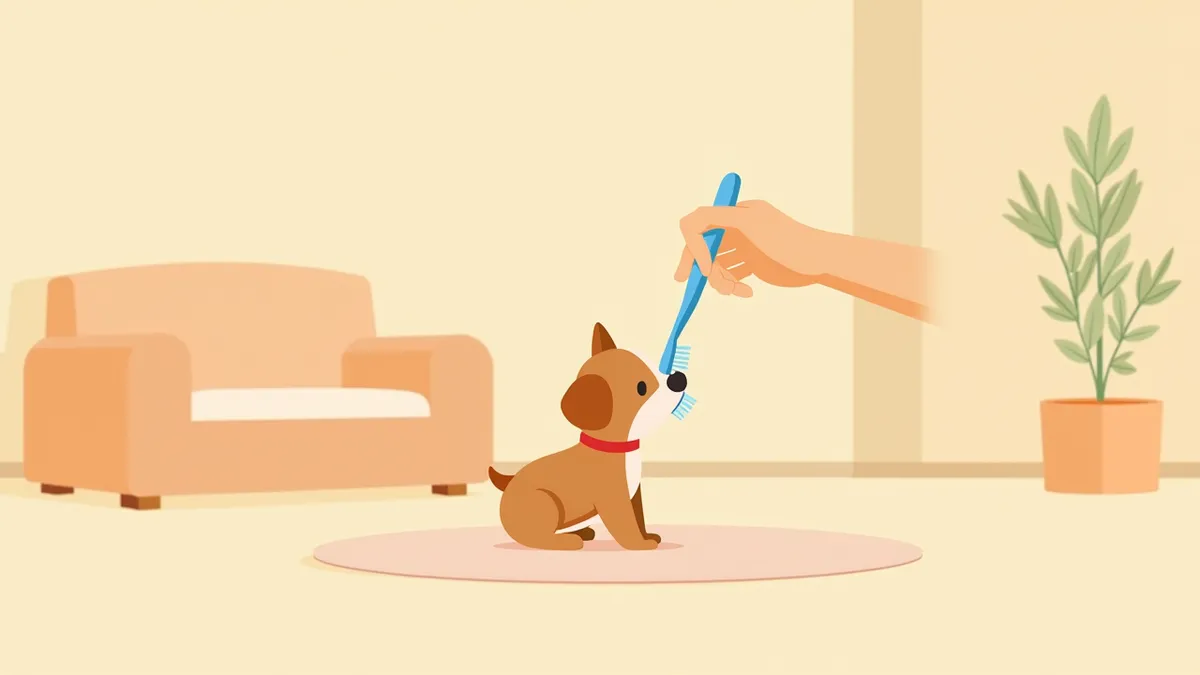
A calm and stable environment for brushing your dog's teeth
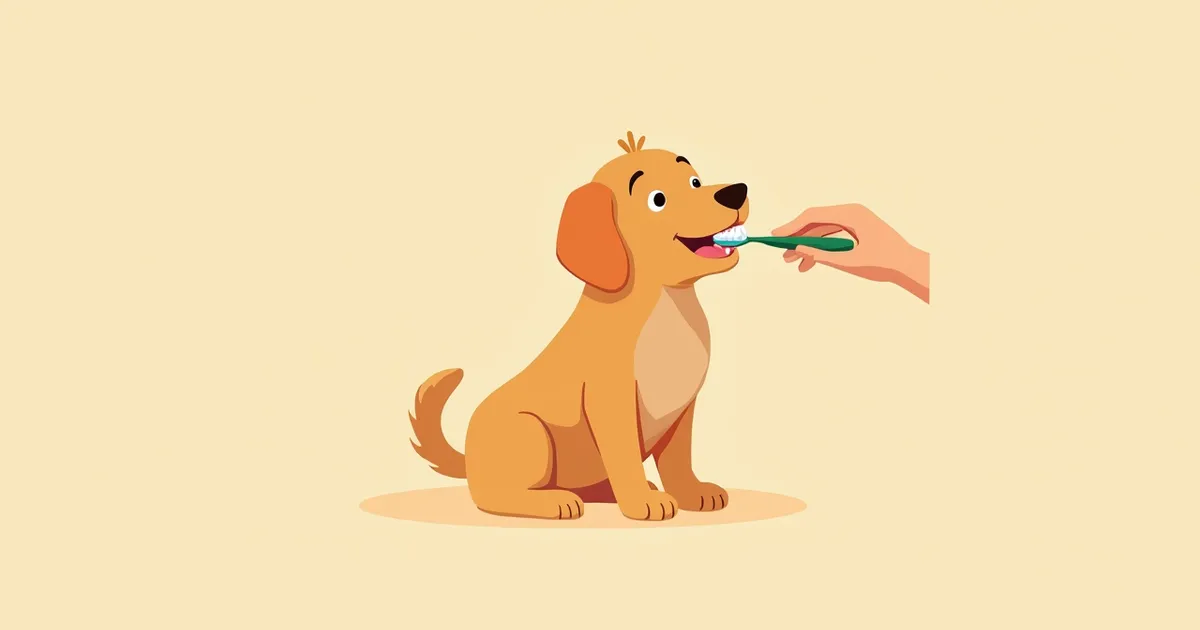
Teaching your dog to accept tooth brushing is a key part of dental care that helps reduce tartar, gingivitis, and periodontal disease, while preventing bad breath, tooth pain, and tooth loss. Regular brushing is known to minimize tartar buildup, gum inflammation, and damage to periodontal tissues. By introducing the habit gradually from the start, you can help maintain your dog’s oral health long-term. This process also serves as valuable time to strengthen the bond of trust between you and your pet.
When to start initial training: Beginning during puppyhood helps dogs accept brushing naturally, making habit formation easier.
Consistency is key: Daily home care, even if brief, is effective when performed consistently once a day.
Positive reinforcement: Reward your dog with treats or praise after brushing to reinforce positive behavior.
A calm environment: Start in a quiet, comfortable space.

5 Selection Criteria for Dog Tooth Brushing Training
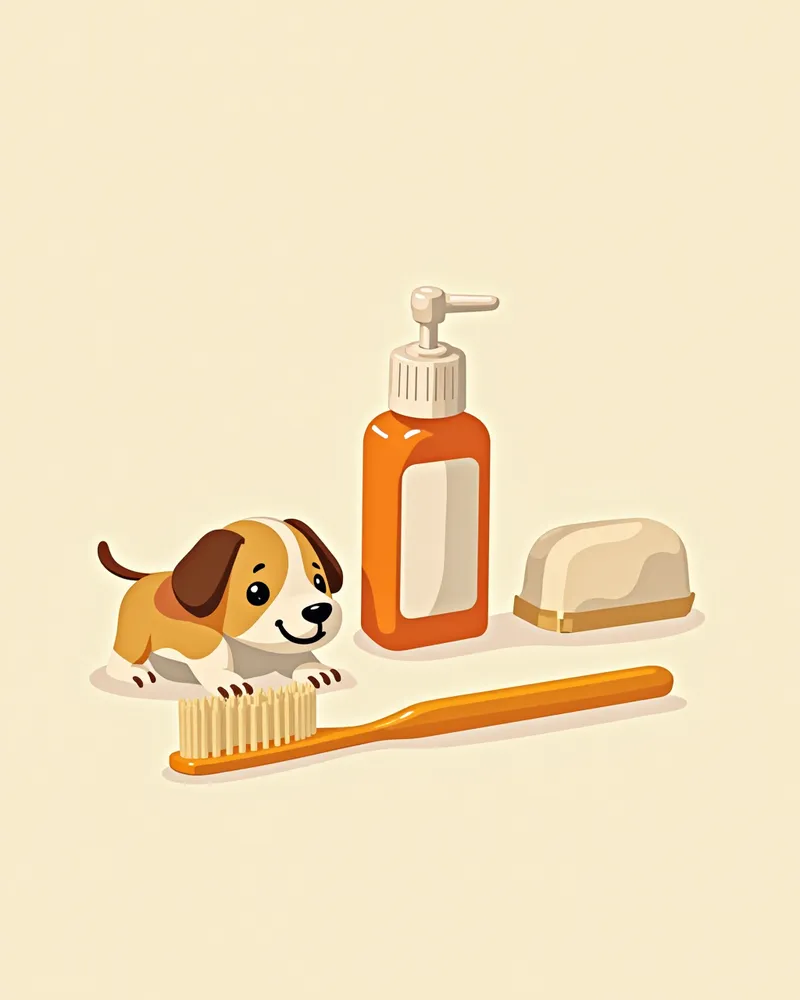
To successfully train your dog to accept tooth brushing, it’s important to choose the right products and techniques. Here are some guidelines to consider:
Shape and Size: Select a small brush that fits your dog’s mouth. If it’s too large and uncomfortable, your dog may resist it.
Bristle Type: Soft bristles are gentle on the gums and skin. For long-haired breeds, brushes with finer bristles work best.
Toothpaste: Use a toothpaste made with ingredients that are safe if swallowed. Strong flavors may cause your dog to refuse it.
Handle Design: Choose a handle that is easy to grip and maneuver, allowing you to brush comfortably with one hand.
Ease of Cleaning: A brush that is easy to rinse and dries quickly helps maintain hygiene.
Puppy Toothbrushing Training Kit

BEST 1: PetPlus Mini Brushing Kit

The PetPlus Mini Brushing Kit includes an ultra-compact brush designed to fit perfectly in your dog’s mouth, along with a natural-ingredient toothpaste. The bristles are exceptionally soft to minimize gum irritation, and the mild scent helps reduce resistance. The rounded, easy-to-grip handle allows for effortless one-handed use. This kit is especially suitable for long-haired breeds and small dogs.
Pros: Soft bristles, natural toothpaste, compact and ergonomic design
Cons: Small toothpaste quantity requires frequent repurchasing
Recommended for: Small dogs under 3 kg, long-haired breeds, dogs with sensitive teeth
Usage tip: Apply only a small amount of toothpaste to the tip of the brush.
PetPlus Small Dog Toothbrushing Kit Product Image

BEST 2: Daily Pet Toothpaste Pen Toothbrush
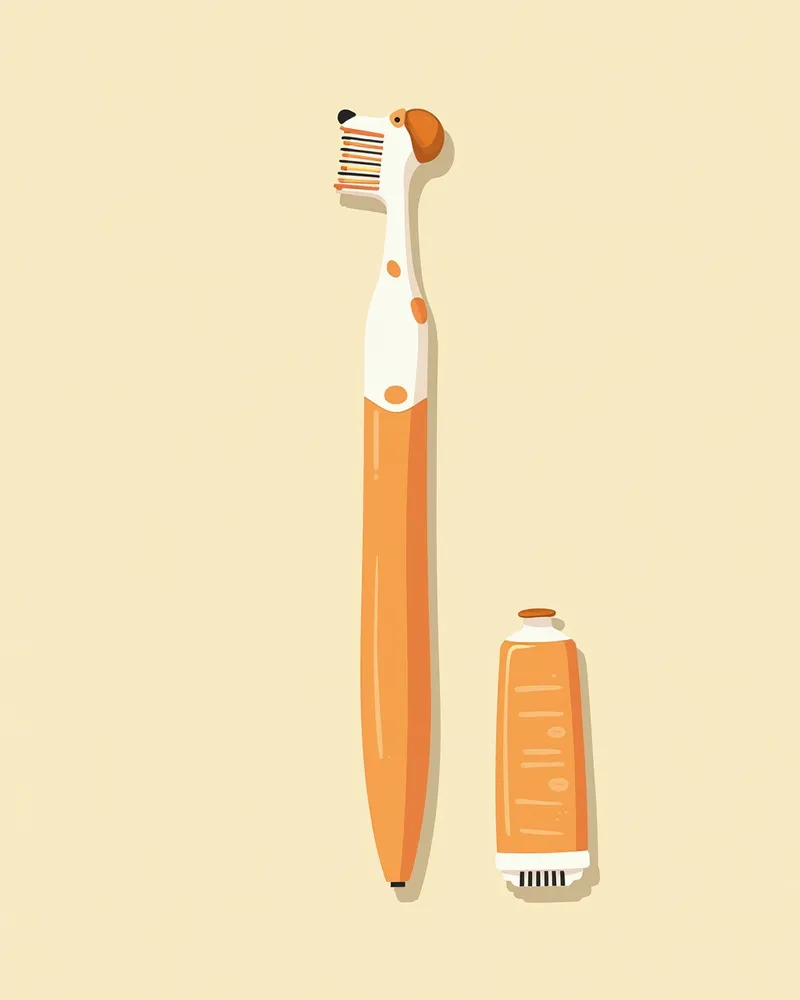
The Daily Pet toothpaste pen toothbrush features a unique design with toothpaste built into the pen, making brushing much easier. When you open the cap, the toothpaste comes out automatically, and the brush is small and soft, so dogs can easily accept it. It's especially convenient to carry when traveling or going out. The toothpaste contains ingredients that strengthen teeth.
Advantages: Excellent portability, automatic toothpaste dispensing, soft bristles
Disadvantages: Difficult to replace the brush
Recommended for: Dogs that go out frequently, dogs needing brushing while traveling
Usage Tip: Always close the cap tightly after use to prevent the toothpaste from drying out.
Product image of DailyPet toothpaste pen-type toothbrush

BEST 3: PetSmart Fur Bristle Toothbrush
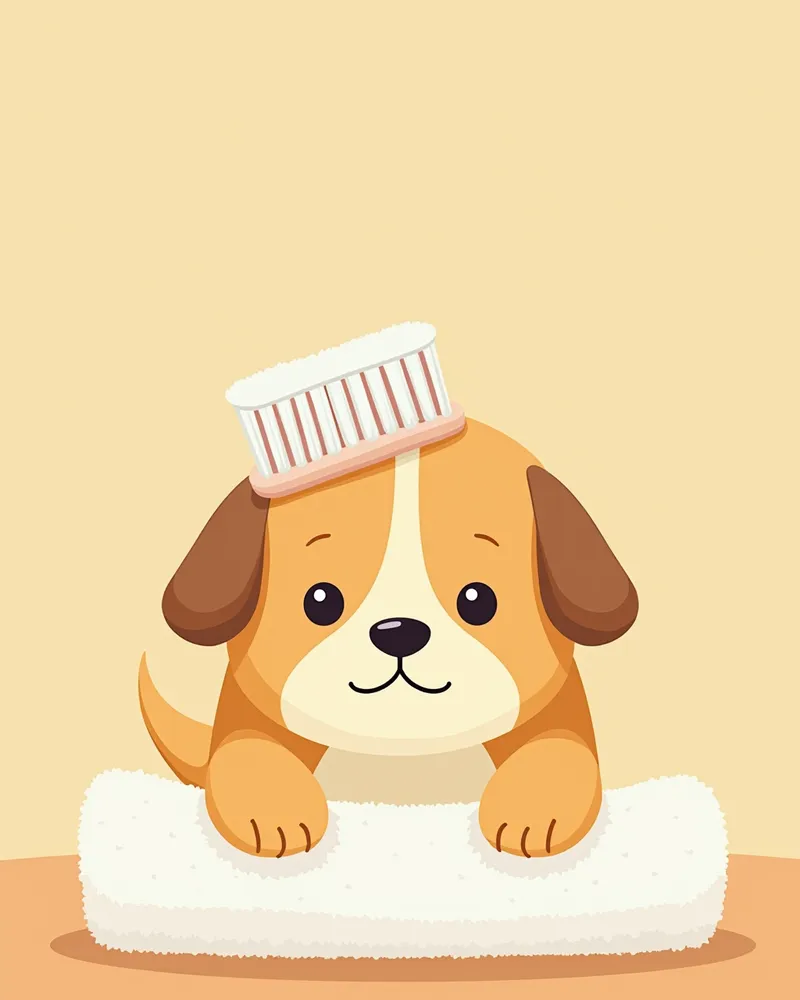
The PetSmart brush-style toothbrush features bristles designed to resemble fur, giving dogs a familiar and comfortable sensation. These fur-like bristles gently clean without irritating the gums, reaching deep between teeth to effectively remove plaque. The accompanying toothpaste is fragrance-free and formulated with ingredients that are safe if ingested by dogs. This product is especially effective for long-haired breeds.
Pros: Familiar fur-like appearance, excellent plaque removal, fragrance-free toothpaste
Cons: Short replacement cycle for the brush head
Recommended for: Long-haired breeds, dogs with significant plaque buildup between teeth
Usage tip: Replace the brush head every 2–3 times per week to maintain hygiene.
PetSmart Fur Brush Toothbrush Product Image

Comparison Table of BEST 1–3 Tooth Brushing Training Products

ItemPetPlus KitDailyPet Pen-TypePetSmart Brush-Type
Brush SizeSmallSmallMedium
Bristle TextureVery softSoftSoft
Toothpaste IngredientsNatural ingredientsEnamel-strengthening ingredientsUnscented, safe ingredients
PortabilityModerateExcellentModerate
Ease of Brush ReplacementEasyDifficultModerate

All products are made with ingredients that are safe for dogs to swallow and are veterinarian-recommended.

Caution: Improper Brushing Can Cause Gum Damage

If your dog’s gums are swollen or bleeding, it may be because you’re brushing too hard or using a brush that’s too stiff. However, swollen and bleeding gums can also be a sign that gingivitis (gum inflammation) is already developing. Gingivitis can be reversed if addressed early, so if symptoms persist, it’s best to have your dog examined by a veterinarian. If you’ve been brushing vigorously, stop immediately and switch to a softer brush. Also, never use human toothpaste, as it contains fluoride, foaming agents, and detergents that can be harmful if swallowed, and dogs cannot spit or rinse their mouths. Instead, choose a toothpaste specifically formulated for pets and safe to ingest.

5 Tips for Successful Dog Tooth Brushing Training
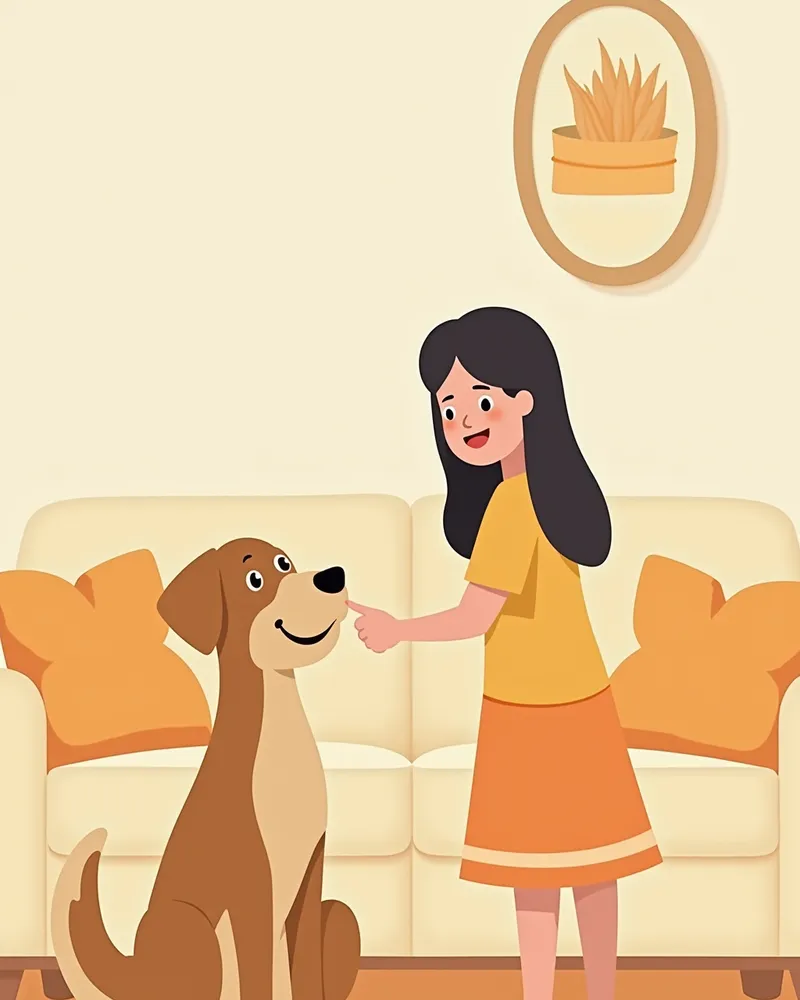
Teaching your dog to accept tooth brushing is less about quick success and more about consistency. Follow these tips:
Start by touching with your hands: Before introducing the toothbrush, gently let your dog get used to having their mouth touched by hand.
Reward with treats: Giving a treat after brushing helps create a positive association.
Start with short sessions: Begin with just 10 seconds and gradually increase the time. Brushing for too long can cause stress.
Repetition is key: Brushing once a day consistently will help it become a habit.
Adjust as needed: If your dog seems anxious, it’s okay to take a day off.
Touching a puppy's mouth

Reviewed by a veterinarian

Dr. Tony — Punnawat Phongkittirak

Dr. Tony — Punnawat Phongkittirak

Veterinarian

A veterinarian who majored in veterinary medicine at Khon Kaen University, Thailand, and completed the IVSA program at North Carolina State University in the United States. Drawing on clinical experience at animal hospitals, he works in the pet healthcare field and is dedicated to building a digital care environment that connects pet parents with veterinarians.

Frequently Asked Questions

My dog hates brushing his teeth. What should I do?
Start by letting your dog get used to being touched with just your hands. Gradually introduce the brush while rewarding them with treats. Don’t force it—go at your dog’s pace.
How many times a day should I brush my pet’s teeth?
Once a day is enough. Consistent daily brushing at home is the most effective form of care, and it’s widely recognized as the best way to maintain your pet’s oral health. Rather than increasing the frequency, it’s more important to brush gently and consistently every day without skipping.
Is toothpaste absolutely necessary for brushing?
While not strictly necessary, toothpaste can help manage plaque and should be a pet-safe formula that is non-toxic if swallowed. Unscented varieties are often better tolerated. However, the act of brushing itself remains the cornerstone of at-home oral care.
Is it a problem if my dog swallows toothpaste?
Pet-specific toothpastes are formulated to be safe even if your dog swallows them. However, human toothpastes contain fluoride, foaming agents, and detergents that can be harmful if ingested over time, so they should never be used on pets. Avoid excessive consumption and always carefully check the product label.
Which breeds are more difficult to brush?
Brushing teeth can be challenging for long-haired breeds or small dogs. Using a soft brush and a small amount of toothpaste can help make the process easier.

Share

Related Guides

References

[1] Logan, E.I. (2006) Dietary influences on periodontal health in dogs and cats. Veterinary Clinics of North America. Small Animal Practice, 36, 1385–1401.

[2] Kustritz, M.V.R., Slater, M.R., Weedon, G.R. and Bushby, P.A. (2017) Determining optimal age for gonadectomy in the dog: A critical review of the literature to guide decision making. Clinical Theriogenology, 9, 167–211.

[3] Applied Veterinary Clinical Nutrition, 2nd Ed. (2020) Chapter 12: Dental Health and Nutrition in Companion Animals.

This information is based on veterinary literature and does not replace diagnosis or treatment. Please consult a veterinarian for specific health concerns.

Metapet Co., Ltd. | CEO: Park Sung-yong | Business Reg. No. 417-88-02562 | Seoul, South Korea | Customer Center

Best Dog Toothbrushing Training Tips & How to Choose the Right Tools | Meongsiljang