Like
Share
멍실장
고양이 과도한 울음 관리 추천 BEST와 고르는 기준 총정리

Comprehensive Guide to Recommended Management for Excessive Meowing in Cats and Selection Criteria

Brain & CognitionTop PicksMeongsiljang Veterinary Advisory Board

We’ve compiled a comprehensive guide that categorizes six common causes of excessive meowing in cats, along with tailored management strategies for stress-related, demand-related, and age-related cognitive decline cases. We also provide clear criteria for selecting pheromone products, supplements, and environmental enrichment tools.

What Is Excessive Meowing in Cats?
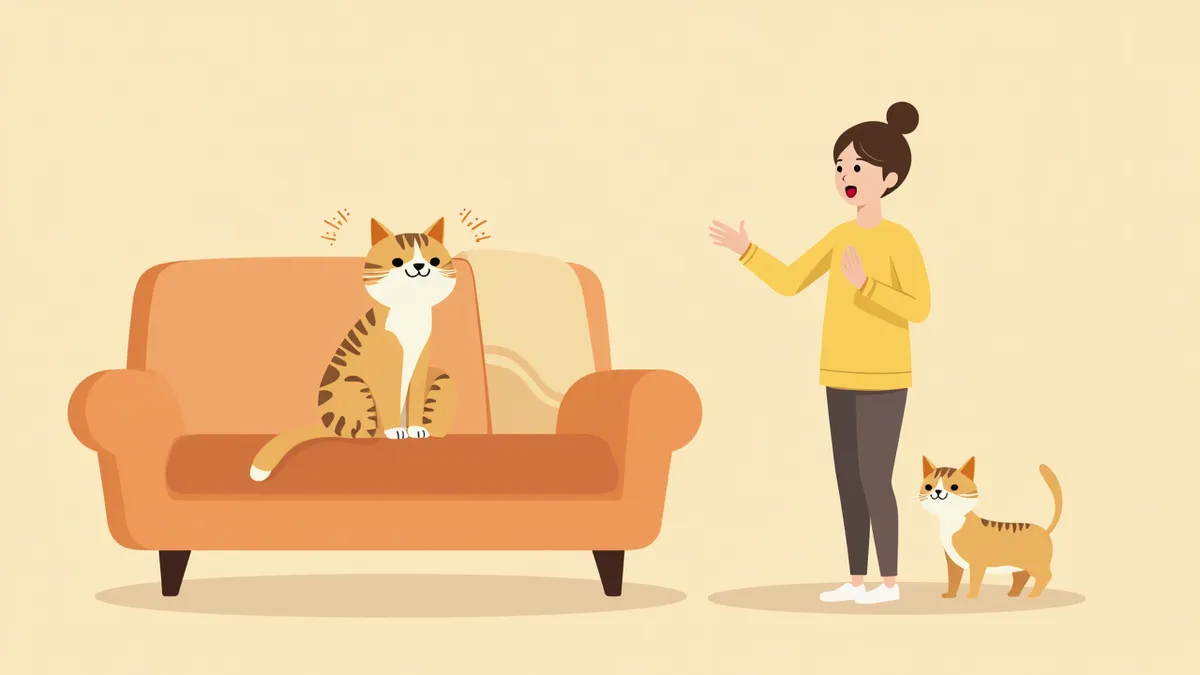
A cat crying excessively and a worried pet owner
Excessive meowing in cats can stem from various causes, including pain, stress, cognitive decline, or heat cycles, leading to more frequent or louder vocalizations than usual. The most important step is to identify the underlying cause first. Because the management approaches for stress-related, demand-related, and medical issues differ significantly, it is essential to have a veterinarian rule out any physical health conditions before selecting a product.

Six Causes of Excessive Meowing — Identify the Type First
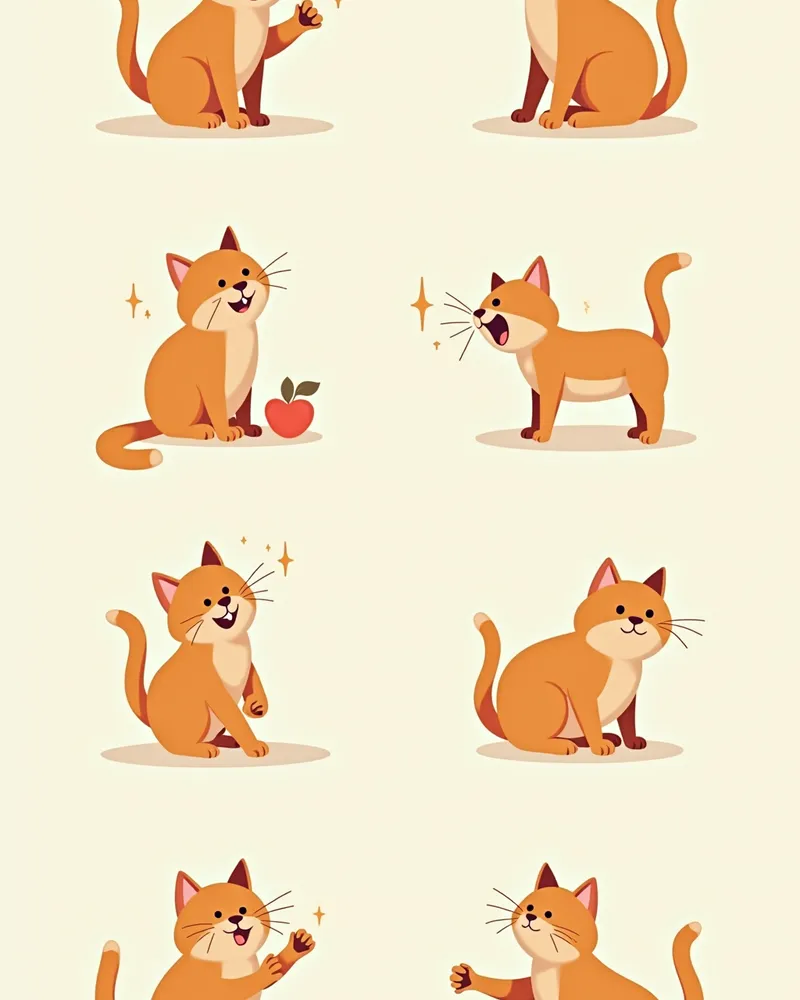
Pain or illness: Physical discomfort from urinary issues like cystitis (including feline idiopathic cystitis, FIC), pain, or underlying medical conditions can manifest as vocalization.
Stress or anxiety: Triggers may include environmental changes, the introduction of a new pet, or moving to a new home.
Cognitive decline: Common in senior cats, this condition can disrupt their circadian rhythm, often leading to excessive vocalization during the night or early morning hours.
Estrus (heat): Unspayed cats may vocalize loudly during heat, accompanied by restlessness, frequent urination, and rolling behaviors.
Hunger or thirst: Irregular feeding schedules can increase demand-based vocalization.
Learned attention-seeking: Meowing at humans is a result of domestication; cats learn through repetition that vocalizing elicits a response from their owners.
6 Causes of Excessive Meowing in Cats

Go to the Vet Immediately If These Symptoms Occur Together

If your cat suddenly starts crying out loudly and sharply while having difficulty urinating or a sudden decrease in urination frequency, accompanied by vomiting, trembling, or staggering, it could be an emergency. In particular, urinary blockage (urethral obstruction) in male cats can quickly become life-threatening, so immediate veterinary care is essential. If you suspect a medical cause, prioritize a veterinary examination over behavioral correction or product use. Treating any accompanying or underlying conditions should always come first.

Four Key Criteria for Selecting Management Products and Methods
Match the cause: If the issue is stress-related, pheromone products are key; for anxiety-based concerns, nutritional supplements are recommended; and for demand-based behaviors, behavioral modification is essential.
Ingredient and mechanism transparency: Choose products that clearly list their main ingredients and how they work.
Veterinary behavior science backing: Verify whether the product is supported by animal behavior research or recommended by veterinarians.
Form factor matching: Select the type—diffuser, spray, or treat—that best fits your cat’s daily routine and lifestyle.
How to choose a stress-relief product for cats

Recommendation 1 — Synthetic Facial Pheromone (F3) Diffusers
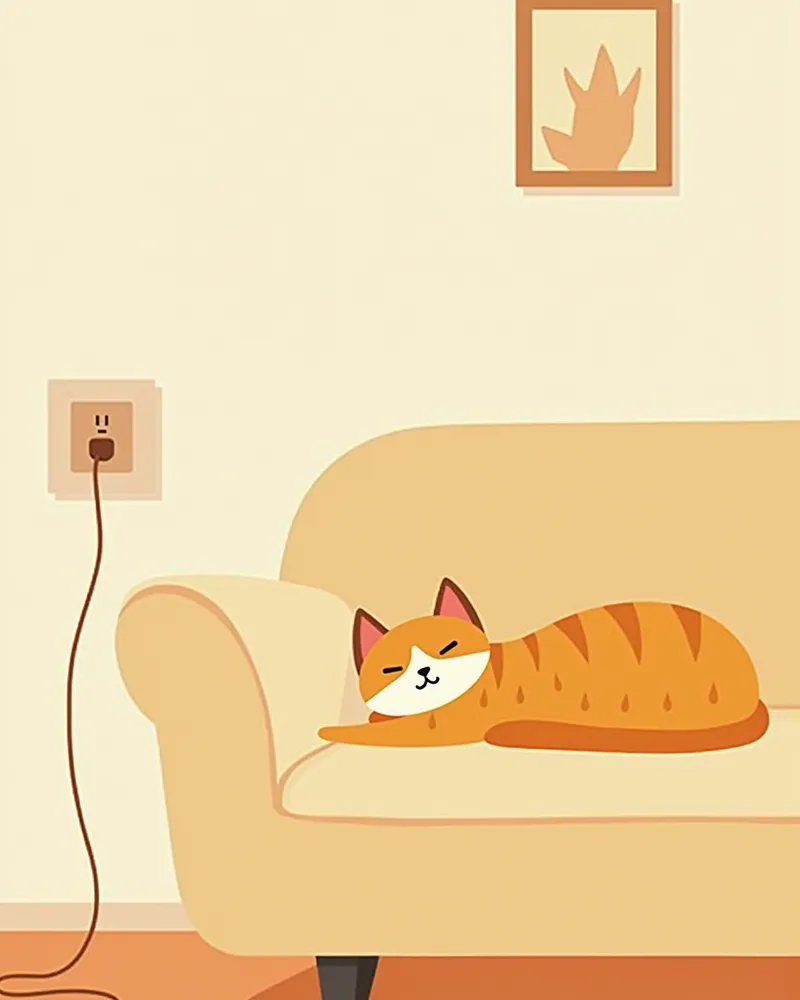
Feline synthetic facial pheromone (F3 pheromone) diffusers mimic the "safe zone" signal (F3) that cats leave by rubbing their faces on familiar places, helping to create a calming environment. While synthetic F3 products are still in the stage of requiring further research, clinical studies and various reports have indicated that they can help alleviate stress. Diffuser types provide continuous action for 24 hours, making them ideal for managing larger spaces, while spray types are suitable for localized application in specific areas such as carriers. Since effectiveness may vary among individual cats, it is recommended to use the product consistently and observe any changes over time.
A cat using a stress-relief pheromone diffuser

Recommendation 2 — Calming Ingredient Nutritional Supplements

L-tryptophan is a precursor used in serotonin synthesis, and studies have shown that diets supplemented with L-tryptophan along with alpha-casein hydrolysate (alpha-casozepine) can help alleviate anxiety and fear in cats. Alpha-casozepine is a milk protein-derived component that acts on GABA receptors in the brain to produce anxiolytic effects, with research confirming its calming effects and reduction of stress signals in situations of social stress. However, since the scientific evidence for calming supplements is still insufficient, the effectiveness may vary from individual to individual, so it is advisable to administer them consistently for a certain period and evaluate their effects. For cats with underlying conditions such as kidney disease, consult with a veterinarian before administration.

Recommendation 3 — Reducing Underlying Stress Through Environmental Enrichment
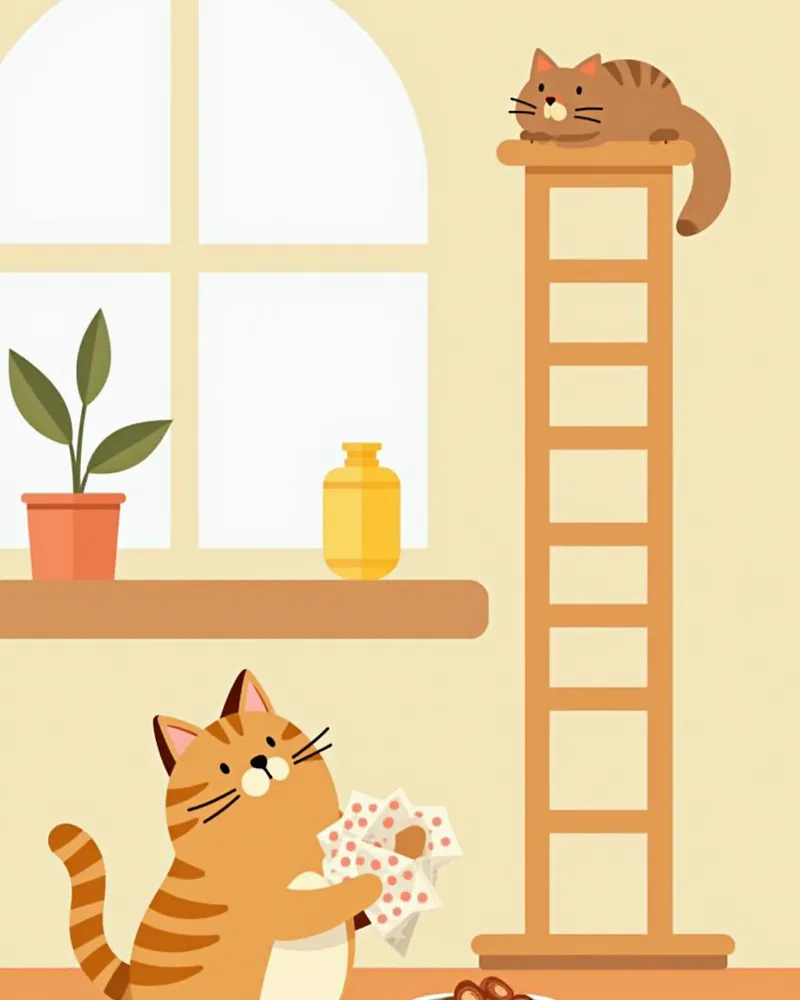
The most fundamental approach to stress-related vocalization is improving the environment. Providing enrichment such as cat trees, elevated resting spots, window perches, scratching posts, and puzzle feeders can prevent boredom and reduce anxiety. Environmental enrichment creates a space where cats feel safe, lowering environmental stress, and in senior cats, it also helps stimulate the brain and slow the progression of cognitive decline. Additionally, following the "Five Pillars of a Healthy Cat Environment" (Carney et al., 2014), ensuring adequate access to core resources like litter boxes, water stations, and resting areas, along with daily interactive play, can help reduce demand-related vocalization.
Reducing Stress in Cats Through Environmental Enrichment

Comparison of Management Methods and Product Types at a Glance

ItemPheromone diffuserCalming supplementEnvironmental enrichmentBehavior modification
Main indicationStress-relatedAnxiety/tension typeAll typesLearned demanding behavior
Onset of effectSeveral weeks (with consistent use)Several weeks to months (with consistent feeding)Immediate to several weeksSeveral weeks to months
Suitable for senior cats
Veterinary consultation neededRecommendedEssentialNot neededRecommended

Individual effects may vary depending on the type of cause and the individual cat

Nighttime Vocalization in Senior Cats: General Management May Not Be Enough

Nighttime vocalization in senior cats can be a sign of feline cognitive dysfunction, often referred to as feline dementia. If you notice an increase in meowing along with symptoms such as disorientation and changes in sleep-wake cycles, cognitive dysfunction should be suspected. In these cases, pheromones and supplements alone often have limited effectiveness. Since underlying medical issues like pain or other diseases are frequently present, it is best to have a veterinarian examine your cat to rule out and treat any physical health problems before focusing on behavioral management.

Reviewed by a veterinarian

Dr. Tony — Punnawat Phongkittirak

Dr. Tony — Punnawat Phongkittirak

Veterinarian

A veterinarian who majored in veterinary medicine at Khon Kaen University, Thailand, and completed the IVSA program at North Carolina State University in the United States. Drawing on clinical experience at animal hospitals, he works in the pet healthcare field and is dedicated to building a digital care environment that connects pet parents with veterinarians.

Frequently Asked Questions

My cat only meows at night and is fine during the day. Why is that?
Nighttime vocalization in cats is often caused by cognitive decline in older cats, heat cycles, or nighttime anxiety. As cats age, they may vocalize more, and if this is accompanied by disorientation or changes in their sleep-wake cycle, it could indicate cognitive dysfunction. If the behavior has started suddenly, there may be an underlying medical cause such as pain or another health issue, so it’s best to have a veterinarian evaluate your cat first.
Do pheromone diffusers really work?
Synthetic F3 pheromone products have been shown in clinical studies and research to help reduce stress. However, since further research is needed, they may not be 100% effective for all cats. Since the effects can vary from cat to cat, it's best to use the product consistently while monitoring and evaluating any changes.
Will ignoring a puppy’s whining make it stop?
If you don’t respond consistently, the behavior may decrease over time. However, it can initially worsen in what’s known as an extinction burst, so maintaining consistency is key. Comforting your pet or giving treats when they cry can actually reinforce the behavior.
Can spaying or neutering reduce excessive crying?
If the crying is due to being in heat, spaying or neutering is highly effective. However, it won’t help if the crying stems from stress, cognitive decline, or pain. Identifying the underlying cause is the first step.
How can you tell if your cat has separation anxiety?
If your pet’s symptoms worsen when you leave, start vocalizing just before you return, or continuously cry while alone as seen on CCTV, separation anxiety may be suspected. It’s important to consult with a veterinary behavior specialist for an accurate diagnosis.

Share

Related Guides

References

[1] Amat, M., Camps, T. and Manteca, X. (2015) 'Stress in owned cats: Behavioural changes and welfare implications', Journal of Feline Medicine and Surgery, 18(8), pp. 577–586.

[2] Bowen, J. and Heath, S. (2005) Behaviour Problems in Small Animals: Practical Advice for the Veterinary Team. Elsevier Saunders.

[3] AAFP (2024) '2024 AAFP indoor/outdoor lifestyle position statement', Journal of Feline Medicine and Surgery, 26(2).

[4] McMillan, F.D. (2013) 'Stress-induced and emotional eating in animals: A review of the experimental evidence and implications for companion animal obesity', Journal of Veterinary Behavior, 8(5), pp. 376–385.

[5] Overall, K.L. (2013) Manual of Clinical Behavioral Medicine for Dogs and Cats. Elsevier.

This information is based on veterinary literature and does not replace diagnosis or treatment. Please consult a veterinarian for specific health concerns.

Metapet Co., Ltd. | CEO: Park Sung-yong | Business Reg. No. 417-88-02562 | Seoul, South Korea | Customer Center

Excessive Meowing in Cats: Causes, Fixes & How to Choose Products | Meongsiljang