
Like
Share
멍실장
다리 짧은 강아지 품종 TOP 7

Top 7 Short-Legged Dog Breeds

ImmunityTop PicksMeongsiljang Veterinary Advisory Board

We’ve compared the personalities and health traits of seven short-legged dog breeds, including Dachshunds, Corgis, and Basset Hounds, and compiled tips for preventing joint and disc issues.

What Are the Short-Legged Dog Breeds?

A lineup of representative short-legged breeds standing side by side
Dachshunds and other short-legged dog breeds are collectively referred to as chondrodysplastic dogs, a term describing breeds with a genetic predisposition that results in short legs and an elongated body. While these breeds are highly popular for their distinctive, adorable appearance, they are at a higher risk for intervertebral disc disease and joint disorders compared to other breeds, requiring extra attention to their health care. Since each breed varies in temperament, exercise needs, and specific health concerns, it’s wise to carefully compare these health characteristics to find the breed that best fits your family.

1. Dachshund — The Representative Short-Legged Dog

The Dachshund is the first breed that comes to mind when thinking of short-legged dogs. Originally developed in Germany for badger hunting, they have short legs and elongated bodies to navigate narrow burrows.
Temperament: Curious and brave. Despite their small size, they have a loud bark and can be quite stubborn.
Weight: Miniature under 5 kg, Standard 7–15 kg
Health Concerns: Intervertebral disc disease (IVDD) is the primary health risk. Their long backs and short legs place significant strain on the spine. It is essential to restrict jumping from stairs or elevated surfaces.
A side view of a dachshund standing on the grass

2. Pembroke Welsh Corgi — The Energetic Short-Legged Dog
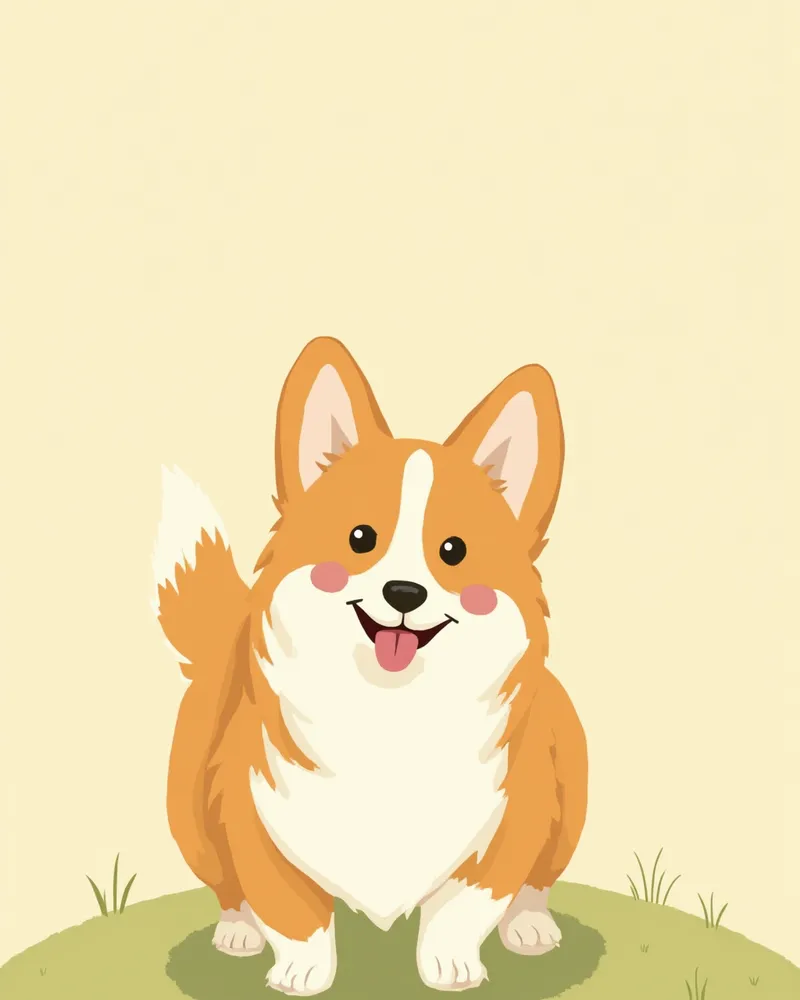
The Pembroke Welsh Corgi is a herding dog famous for its popularity in the British royal family. Because they were bred to run quickly around cattle’s ankles to herd livestock, they have significant exercise needs.
Temperament: Bright, sociable, and intelligent. They respond well to training but tend to have a strong appetite.
Weight: 10–14 kg
Health Concerns: Obesity is their biggest enemy. Excess weight puts strain on their short legs, discs, and spine. As intervertebral discs degenerate, their ability to absorb shock diminishes, increasing the risk of disc herniation toward the spinal cord. Therefore, special attention is needed to prevent intervertebral disc disease. If you notice your dog dragging its hind legs or experiencing sudden changes in gait, consult a veterinarian immediately.
A Welsh Corgi Pembroke standing on the grass

3. Basset Hound — The Laid-Back Scent Tracking Expert

The Basset Hound’s name likely derives from the French word “bas,” meaning low, reflecting its short legs and heavy, sturdy build. With the second-best sense of smell after the Bloodhound, this breed excels at scent tracking.
Temperament: Basset Hounds are generally laid-back and gentle. While they can be stubborn, they are rarely aggressive, making them a good fit for families with children.
Weight: 20–30 kg
Health Considerations: Their long, droopy ears restrict airflow, so regular cleaning of the inner ear is essential to maintain hygiene. Due to their heavy body weight, their short legs and spine bear significant stress, making careful weight management crucial to prevent obesity. To reduce joint strain, moderate exercise such as leisurely walks on flat ground is recommended over high-intensity activities.
A Basset Hound sitting and looking up

4. French Bulldog — The Short-Legged Dog Perfect for City Living
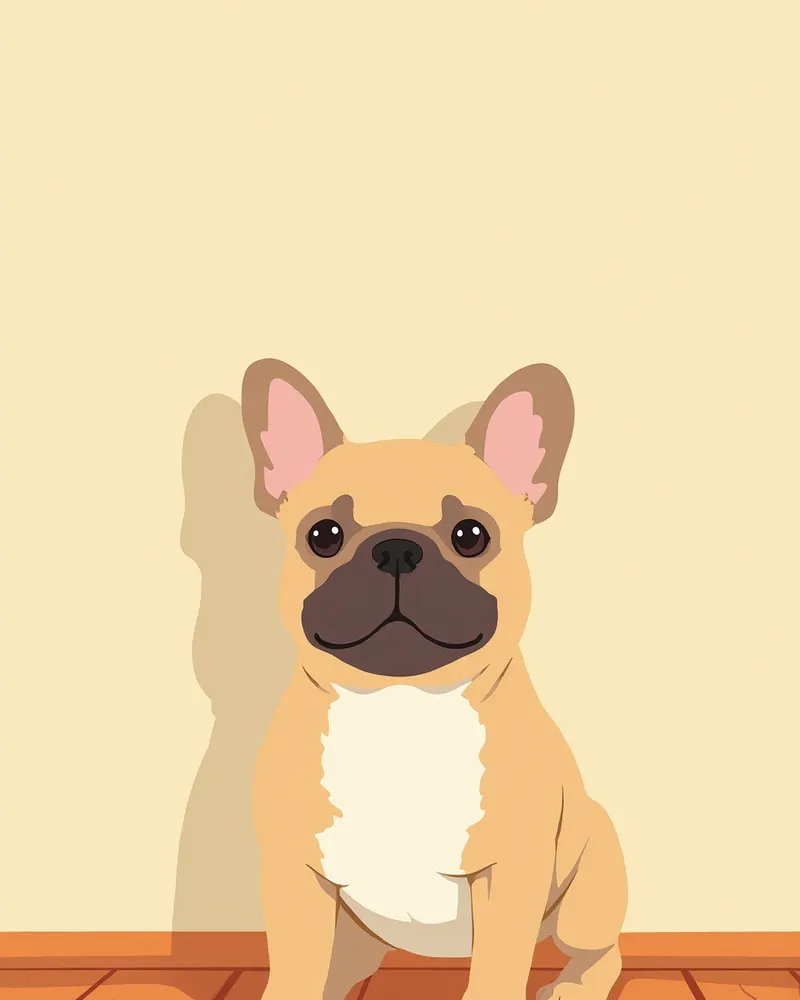
The French Bulldog is a small breed known for its short legs, flat face, and bat-like ears. They don’t require much exercise, making them well-suited for apartment living, and their quiet nature makes them popular among first-time dog owners.
Temperament: Affectionate and people-oriented. Playful but not aggressive.
Weight: 8–14 kg
Health Concerns: As a brachycephalic breed, they are prone to respiratory issues such as elongated soft palate and narrowed nostrils. During hot summer months, they are at higher risk of heatstroke, so maintaining a cool indoor environment is essential. If respiratory symptoms persist, structural changes like laryngeal saccule eversion or laryngeal collapse may develop, making regular respiratory check-ups highly recommended.
A French Bulldog standing on a wooden floor

5. Pekingese — The Little Lion from the Royal Court

The Pekingese is a breed cherished by Chinese royalty for centuries. Known for their lion-like mane and short legs, they have a confident and independent nature, earning them the nickname "the cat-like dog."
Temperament: They have a strong sense of self and can be possessive of their owners. They tend to be wary of strangers.
Weight: 3–6 kg
Health Concerns: As a brachycephalic breed, they require careful attention to their respiratory health. Their large, protruding eyes are prone to injury and dry eye (keratoconjunctivitis sicca). Additionally, their long backs and short legs put them at risk for intervertebral disc disease.
A Pekingese sitting proudly on a cushion

6. Shih Tzu & 7. Scottish Terrier

Shih Tzu: This breed was developed in China by crossing the Tibetan Lhasa Apso and the Pekingese. Known for their long, silky coats and short legs, Shih Tzus are popular family pets due to their gentle and affectionate nature. As a brachycephalic breed, they are prone to respiratory issues (brachycephalic airway syndrome), and they may also develop eye conditions such as dry eye (keratoconjunctivitis sicca), making regular ophthalmic care essential.
Scottish Terrier: This terrier breed is characterized by its short legs, sturdy build, and erect ears. While they are independent and can be stubborn, they are deeply loyal to their owners. It is important to provide consistent exercise and mental stimulation to help them expend their lively energy, and regular health check-ups are crucial for the early detection of any abnormalities.

Health Issues to Know for Short-Legged Breeds

Short-legged breeds are generally more susceptible to intervertebral disc disease (IVDD). Chondrodystrophic breeds such as Dachshunds and Pekingese, in particular, tend to experience earlier calcification of the intervertebral discs compared to other breeds. The most effective preventive measures include restricting activities such as climbing stairs, jumping on or off sofas and beds, and standing on hind legs, as well as maintaining an optimal body weight. If your dog begins dragging its hind legs or shows a sudden change in gait, seek veterinary care immediately.

Joint and Disc Care for Short-Legged Dogs

Maintaining the health of short-legged breeds hinges on consistent daily care.
Weight management: Even a 1 kg excess over the ideal body weight can place significant strain on their short legs and long backs. Please consult your veterinarian to ensure you adhere to the correct feeding amounts.
Environmental adjustments: Install dog-specific stairs or ramps for sofas and beds, and place mats on slippery floors to prevent accidents.
Appropriate exercise: Regular walks on flat ground are preferable to intense running. Since the ideal amount of exercise varies by breed and individual condition, we recommend consulting your veterinarian to determine the best routine for your pet.
Joint supplements: Nutritional supplements can be beneficial for breeds prone to joint stress. However, since the most suitable ingredients vary from dog to dog, we strongly advise consulting your veterinarian before selecting a product.
A Corgi walking on a non-slip mat and a dog ramp next to a sofa

Reviewed by a veterinarian

Dr. Tony — Punnawat Phongkittirak

Dr. Tony — Punnawat Phongkittirak

Veterinarian

A veterinarian who majored in veterinary medicine at Khon Kaen University, Thailand, and completed the IVSA program at North Carolina State University in the United States. Drawing on clinical experience at animal hospitals, he works in the pet healthcare field and is dedicated to building a digital care environment that connects pet parents with veterinarians.

Frequently Asked Questions

How much walking should I give my short-legged dog?
The appropriate amount of exercise varies depending on the breed and the individual dog’s condition. Consistent walks on flat ground are recommended, while high-energy breeds like Corgis require more physical activity. It’s best to avoid stairs and steep inclines. We recommend consulting your veterinarian to determine the ideal exercise duration tailored to your dog’s specific needs.
Why are short-legged breeds more prone to disc disease?
Chondrodystrophic breeds experience an early decrease in intervertebral disc hydration and rapid calcification. Combined with their long spine and short legs, which make shock absorption difficult, this puts them at a higher risk for disc herniation.
What are some short-legged dog breeds that are well-suited for apartment living?
French Bulldogs, Shih Tzus, and Pekingese are relatively low-energy and quiet, making them well-suited for apartment living. However, French Bulldogs require special attention to temperature control during the summer months.
Should I completely prevent my short-legged dog from using stairs?
If it’s difficult to completely prevent your dog from jumping, please install a dog-specific ramp or low steps. Jumping down from high sofas or beds is the most dangerous, so it’s best to make sure this is strictly prevented.
Should short-legged breeds also be given joint supplements?
Certain breeds are more prone to joint stress, so nutritional supplements can be beneficial. However, the most suitable ingredients vary from dog to dog, so we recommend consulting with your veterinarian to select and administer the right product for your pet.

Share

Related Guides

References

[1] Schaer M. & Gaschen F., Clinical Medicine of the Dog and Cat, 4th Ed, CRC Press

[2] Englar R.E., The Veterinary Workbook of Small Animal Clinical Cases, 5M Publishing

[3] Maggs D.J. et al., Clinical Atlas of Canine and Feline Ophthalmic Disease, 2nd Ed, Wiley

This information is based on veterinary literature and does not replace diagnosis or treatment. Please consult a veterinarian for specific health concerns.

Metapet Co., Ltd. | CEO: Park Sung-yong | Business Reg. No. 417-88-02562 | Seoul, South Korea | Customer Center

Top 7 Short-Legged Dog Breeds: Traits & Health | Meongsiljang