

Best Recommendations and Selection Criteria for Managing Fractured Teeth in Dogs
Fractured teeth in dogs can cause significant pain and carry a high risk of infection, so prompt action is essential. We’ve outlined key criteria for selecting effective care products and treatments.
Fractured Teeth in Dogs: A Significant Burden for Both Owners and Pets

Key Information: Managing Fractured Teeth in Dogs
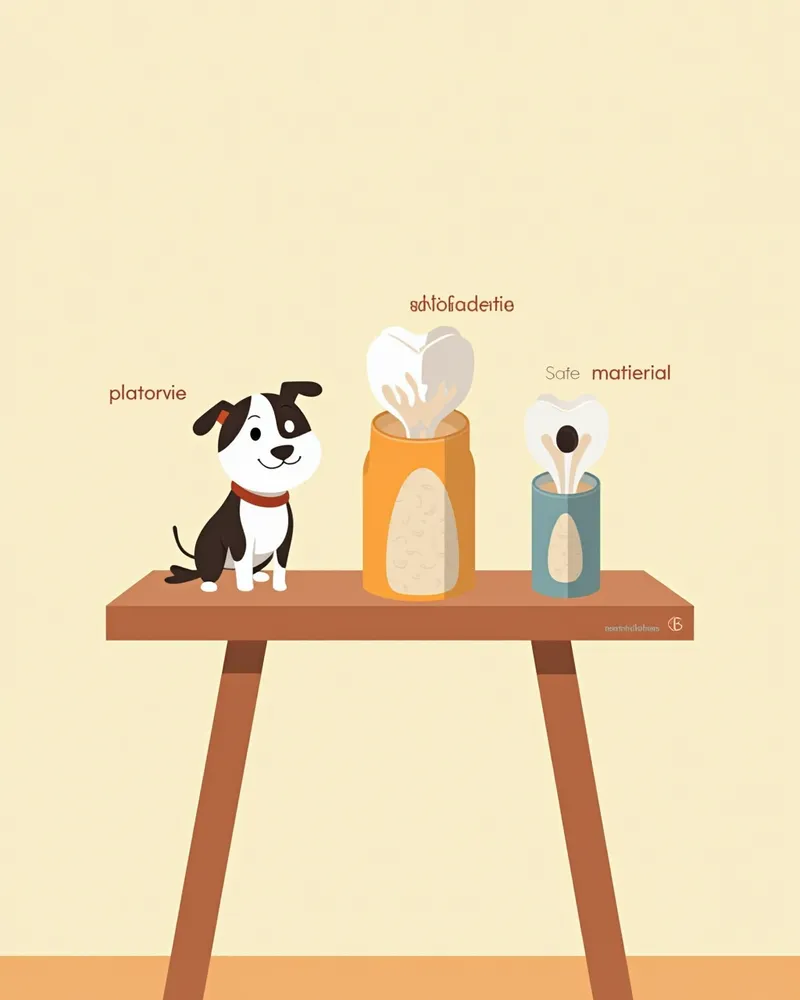
Key Information 1: What Is a Fractured Tooth?

Key Information 2: Diagnosis and Treatment Options

Key Information 3: Post-Treatment Care and Precautions

What Owners Should Know About Fractured Teeth in Dogs
| Item | Key Points |
|---|---|
| Symptoms | Chewing on only one side, bad breath, decreased appetite, drooling |
| Causes | Chewing on hard objects such as stones, bones, hard toys, or rawhide; impact trauma from car accidents, falls, etc. |
| Diagnosis | Oral examination + dental radiography to determine the extent of the fracture |
| Treatment | Extraction or root canal treatment, combined with prescribed antibiotics in case of infection |
| Management | Providing soft food, regular oral check-ups, limiting hard treats |
This is not a table recommending specific products or clinics, but a reference to consult when talking with your veterinarian. Always make treatment and testing decisions together with your veterinarian through an examination.
Caution: Immediate Veterinary Visit Is Required for Fractured Teeth
If your dog has a fractured tooth, attempting to manage it at home can lead to infection or severe pain. In particular, if the tooth root is exposed or there is bleeding from the mouth, it is an emergency. The safest course of action is to have your dog examined by a veterinarian. Do not attempt any home remedies; instead, switch to soft food and minimize irritation until you can visit the clinic.
Usage Tips: What to Do If Your Dog Refuses the Product

Reviewed by a veterinarian

Dr. Tony — Punnawat Phongkittirak
VeterinarianA veterinarian who majored in veterinary medicine at Khon Kaen University, Thailand, and completed the IVSA program at North Carolina State University in the United States. Drawing on clinical experience at animal hospitals, he works in the pet healthcare field and is dedicated to building a digital care environment that connects pet parents with veterinarians.
Reviewed 2026-06-29
Frequently Asked Questions
Should I take my pet to the vet within 24 hours of a tooth fracture?
Is it safe to use dental care products at home?
What are the characteristics of dogs that frequently experience tooth fractures?
Do dogs often vomit after taking dental care capsules?
What kind of food should I give my pet after a tooth fracture?
Share
Related Guides

7 Best Cat Dental Chews for Tartar Prevention Recommended by Veterinarians and Selection Criteria

Top 5 Recommended Dental Treats for Dogs in 2026 — VOHC Certification Criteria

7 Criteria for Choosing Dog Tartar Prevention Dental Chews Recommended by Veterinarians

7 Key Points for Dog Spironolactone Heart Management and Selection Criteria Highlighted by Veterinarians
7 Key Points and Measurement Criteria for Monitoring Your Dog’s Resting Respiratory Rate Recommended by Veterinarians

7 Key Management Points for Pulmonary Artery Stenosis in Dogs That Owners Often Overlook
7 Warning Signs of Canine Pericardial Effusion and Cardiac Tamponade Identified by Veterinarians

7 Checkpoints for Dog Pacemaker Implantation Highlighted by Veterinarians

7 Warning Signs of Canine Myocarditis and Management Guidelines Recommended by Veterinarians

7 Key Management Strategies and Criteria for Canine Mitral Valve Disease (MVD) Recommended by Veterinarians
References
[1] Clinical Medicine of the Dog and Cat, 4th Ed, 2023
[2] The Dog Care Handbook, Things I Wish My Vet Had Told Me, 2022
[3] Veterinary Dentistry: Principles and Practice, 2021