

Top Recommended Products and Selection Criteria for Managing Chronic Rhinitis and Nasal Discharge in Dogs
Chronic rhinitis and nasal discharge in dogs require accurate identification of the underlying cause and appropriate management. Here are effective products and care methods to help.
What Is Chronic Rhinitis and Nasal Discharge in Dogs?

Key Criteria for Selecting Chronic Rhinitis Management Products for Dogs

BEST 1: Probiotic-Based Nasal Rinse
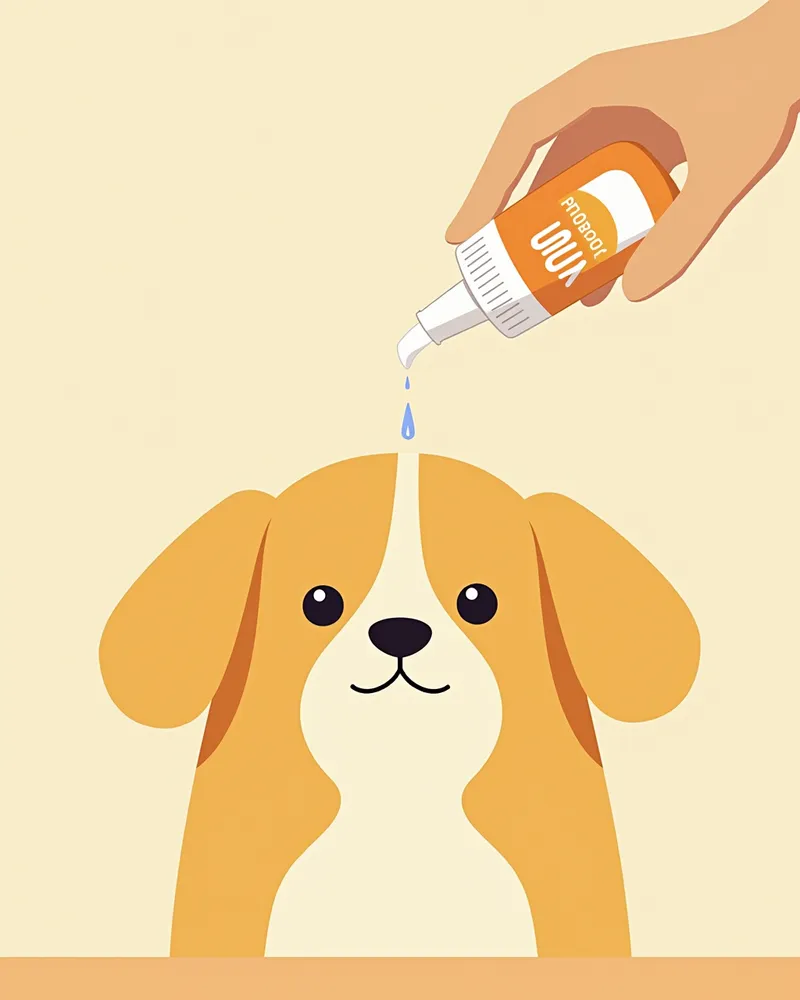
BEST 2: Nasal Spray Containing Anti-Inflammatory Agents
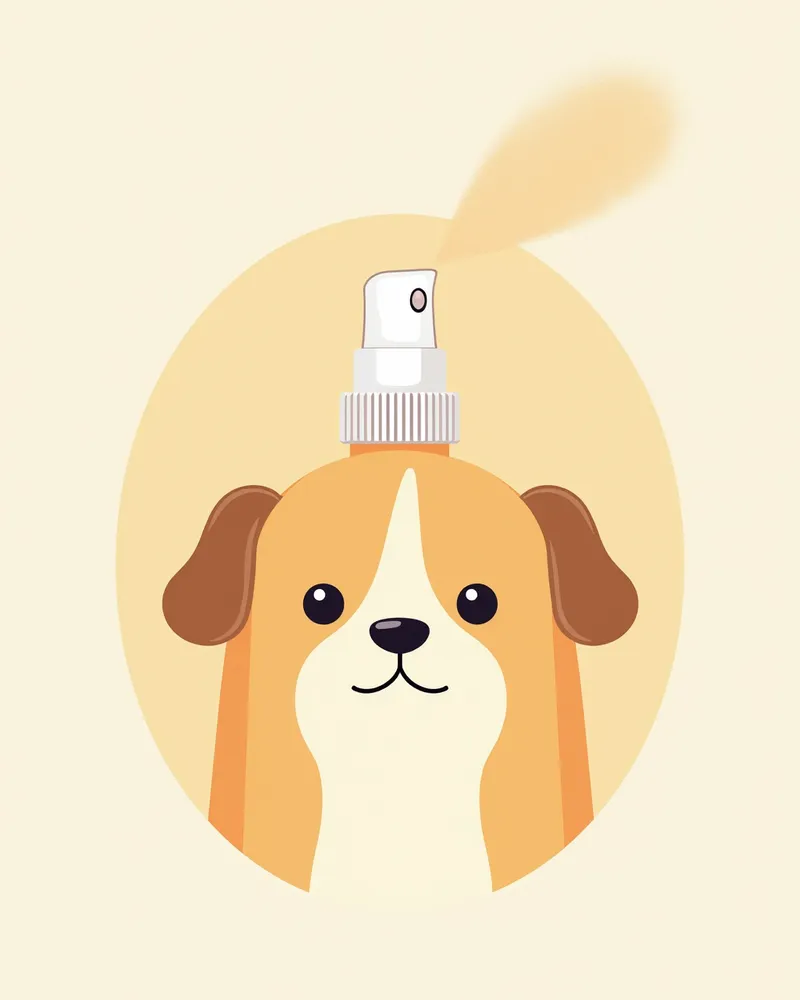
BEST 3: Moisturizing Nasal Cream with Natural Ingredients

Comparison Table of BEST 1–3 Products
| Item | Main Ingredients | Frequency of Use | Advantages | Precautions |
|---|---|---|---|---|
| Probiotic Nasal Cleanser | Lactobacillus, physiological saline | 1–2 times a day | Balances the mucosal environment, removes irritants | Do not use if infection is suspected; observe the reaction on first use |
| Anti-inflammatory Nasal Spray | Steroid ingredients | Dose prescribed by the veterinarian | Relieves inflammation, controls symptoms | Avoid use during acute viral infection; do not combine with NSAIDs; use under veterinary guidance |
| Natural Ingredient Nasal Cream | Tea tree oil, avocado oil, vitamin E | 2–3 times a day | Moisturizing effect, protects mucous membranes | Possibility of allergic reaction; test a small amount on first use |
Use in combination with your veterinarian's prescription is recommended. Visit the clinic immediately if symptoms worsen.
Caution: Always Consult a Veterinarian Before Use
Chronic rhinitis in dogs can stem from serious underlying causes, such as infections, tumors, foreign bodies, or immune-mediated inflammation. Self-diagnosis or indiscriminate use of over-the-counter products may worsen the condition. If symptoms persist for more than two weeks, are accompanied by a strong odor, or involve bloody discharge, a thorough diagnostic evaluation at a veterinary clinic is essential.
Product Usage Tips and Care Methods
Reviewed by a veterinarian

Dr. Tony — Punnawat Phongkittirak
VeterinarianA veterinarian who majored in veterinary medicine at Khon Kaen University, Thailand, and completed the IVSA program at North Carolina State University in the United States. Drawing on clinical experience at animal hospitals, he works in the pet healthcare field and is dedicated to building a digital care environment that connects pet parents with veterinarians.
Reviewed 2026-06-29
Frequently Asked Questions
My dog’s nasal discharge won’t stop. When should I take him to the vet?
Can I use a nasal rinse more than once a day?
Are natural ingredient products safe?
The nasal discharge has an odor. What could be the cause?
Is it safe to use nasal products for a long time?
Share
Related Guides

Top Recommended Feline Bronchodilators and Selection Criteria: A Complete Guide

Best Recommendations and Selection Criteria for Monitoring Your Cat’s Respiratory Rate (RR) During Sleep for Heart Care
Best Recommendations and Selection Criteria for Monitoring Your Dog’s Respiratory Rate (RR) During Sleep for Heart Care

Top Recommendations and Selection Criteria for Feline Chronic Cough Differential Diagnosis and Management
Top Recommendations and Selection Criteria for Feline Bronchoscopy Management

Top Recommended Products and Selection Criteria for Managing Feline Bronchiectasis

Recommended Products and Selection Criteria for Managing Feline Bordetella Respiratory Infection

Top Recommended Management Products for Feline Bacterial Pneumonia and Selection Criteria

Top Recommended Products and Selection Criteria for Managing Feline Aspiration Pneumonia

Recommended Products and Selection Criteria for Managing Dogs During Winter Cold Snaps and Preventing Hypothermia
References
[1] BSAVA Manual of Canine and Feline Dermatology, 4th Ed, 2013
[2] Gross TL, et al. Skin Diseases of The Dog and Cat. Clinical and Histopathological Diagnosis, 2nd edn, Blackwell, 2005
[3] Plumb's Veterinary Drug Handbook, 9th ed, 2022