
7 Tips for Managing Canine Hypertensive Heart Disease Recommended by Veterinarians — From Blood Pressure to Heart Protection
Canine hypertensive heart disease occurs when high blood pressure places strain on the heart, leading to impaired cardiac function. Proper management and careful product selection are essential.
Canine Hypertensive Heart Disease Is a Condition That Places Persistent Strain on the Heart
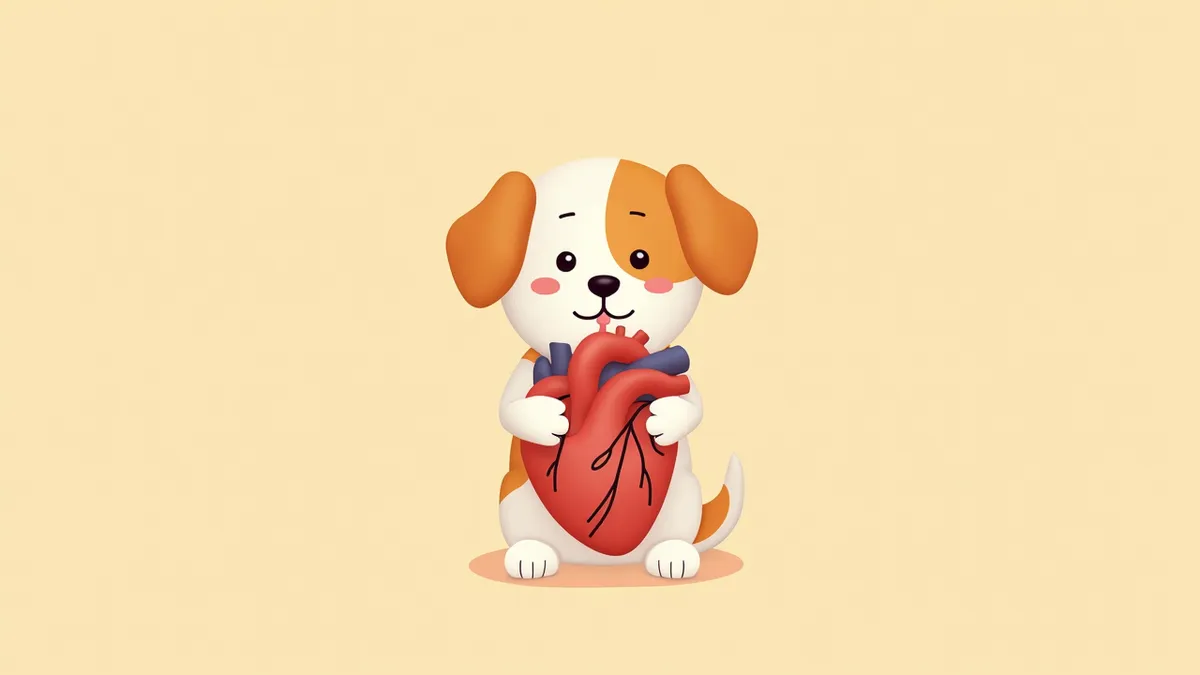
The Key to Managing Canine Hypertensive Heart Disease Is Reducing Cardiac Strain and Regulating Blood Pressure

BEST 1 Recommended Product: Heart Health Supplement A
BEST 2 Recommended Product: Blood Pressure Support Supplement B
BEST 3 Recommended Product: Supplement C for Heart Function Support
Comparison Table of BEST 1–3 Products
| Item | Product | Main ingredients | Effect | Recommended breed |
|---|---|---|---|---|
| Supplement A | Taurine, omega-3, glucosamine | Effect on blood pressure/heart disease unconfirmed by evidence | Adjunct to proven drug treatment | Decide after veterinary consultation |
| Supplement B | Potassium, magnesium, resveratrol | Blood pressure stabilization effect unconfirmed by evidence | Adjunct to proven drug treatment | Decide after veterinary consultation |
| Supplement C | Coenzyme Q10, lecithin, vitamin E | Effect on cardiac function unconfirmed by evidence | Adjunct to proven drug treatment | Decide after veterinary consultation |
The ingredient effects in this table have not been confirmed based on veterinary textbooks. Since hypertension mostly occurs secondary to conditions such as kidney disease, breed-based recommendations are not appropriate. Proven treatment consists of antihypertensive drugs prescribed by a veterinarian (amlodipine, ACE inhibitors, etc.) and management of the underlying disease; whether to administer and the dosage must always be discussed with your veterinarian.
Caution: Overdosing May Increase Cardiac Strain
Overdosing on supplements can actually place additional strain on the heart. This is especially true for products with high potassium content, which can be dangerous for dogs with compromised kidney function. A veterinarian should determine the appropriate dosage based on your dog’s weight and overall health status.
Supplement Usage Tips: Consistent Administration and Regular Check-ups Are Key

Reviewed by a veterinarian

Dr. Tony — Punnawat Phongkittirak
VeterinarianA veterinarian who majored in veterinary medicine at Khon Kaen University, Thailand, and completed the IVSA program at North Carolina State University in the United States. Drawing on clinical experience at animal hospitals, he works in the pet healthcare field and is dedicated to building a digital care environment that connects pet parents with veterinarians.
Reviewed 2026-06-03
Frequently Asked Questions
When should I start giving my pet the supplement?
Can supplements be taken together with medications?
Do supplements have any side effects?
Are supplements more effective when taken raw?
Will the symptoms return if I stop the supplement?
Share
Related Guides

Coenzyme Q10 Benefits and Administration Guide
Dog Pulmonary Edema Warning — 7 Best Diuretics (Furosemide) for Heart Management
7 Best Prescription Diets for Feline Heart Disease Recommended by Veterinarians — Criteria for Choosing Low-Sodium Food
7 Kidney-Damaging Drugs and Substances in Cats, According to Veterinarians

Top 7 CKD Management Strategies for Cats by IRIS Stage — Selection Criteria by Stage
7 Best Cat Hypokalemia and Kidney Care Products Recommended by Veterinarians and Selection Criteria

Before Hypertension Damages Your Cat’s Kidneys: The Best 7 Blood Pressure and Kidney Management Tips
The Ultimate Guide to Managing Feline Hyperphosphatemia: Top Phosphate Binder Recommendations and Selection Criteria

Veterinarian-Recommended Top 7 Kidney Care Products for Cats with Hydronephrosis and Selection Criteria

7 Best Proteinuria Management Products for Feline Glomerulonephritis Recommended by Veterinarians and Selection Criteria
References
[1] Freid KJ, Freeman LM, Rush JE et al. Retrospective study of dilated cardiomyopathy in dogs. J Vet Intern Med. 2020 Dec 21;35(1):58–67.
[2] ADIN D, DEFRANCESCO TC, KEENE B et al. Echocardiographic phenotype of canine dilated cardiomyopathy differs based on diet type. J Vet Cardiol. 2019;21:1–9.
[3] Textbook of Cardiovascular Medicine in Dogs and Cats. 2020. Elsevier Health Sciences.