Like
Share
멍실장
고양이 아밀로이드성 신증 관리 추천 BEST와 고르는 기준 총정리

Top Recommended Products and Selection Criteria for Managing Feline Amyloid Nephropathy

UrinaryTop PicksMeongsiljang Veterinary Advisory Board

Feline amyloid nephropathy is a rare kidney disease caused by genetic predisposition, and early detection along with proper management are key to extending life expectancy. It’s important to choose the right therapeutic diet and supplements.

What is Feline Amyloid Nephropathy?
An anatomical illustration showing the accumulation of amyloid material in the glomeruli of the kidneys.
Feline amyloid nephropathy is a condition in which abnormal amyloid fibers accumulate in the kidneys of genetically predisposed cats, leading to impaired renal function. Because amyloid deposits in the glomeruli and interstitium cause progressive kidney damage, early detection and management are essential. - Genetic predisposition: Familial renal amyloidosis has been reported in Abyssinian cats, so cats with a family history require particular attention. - Declining kidney function: When amyloid fibers deposit in the glomeruli and interstitium, proteinuria develops, and as kidney function declines, dehydration and electrolyte imbalances may occur. - Subtle early signs: Early indicators such as decreased appetite, weight loss, and increased thirst and urination are often easily overlooked. - Need for diagnosis: Blood and urine tests are used to evaluate proteinuria and kidney values, and a kidney biopsy may be performed if necessary to confirm amyloid deposition. Early management helps slow the progression of the disease.

Selection Criteria: 5 Key Factors for Choosing Products to Manage Amyloid Nephropathy
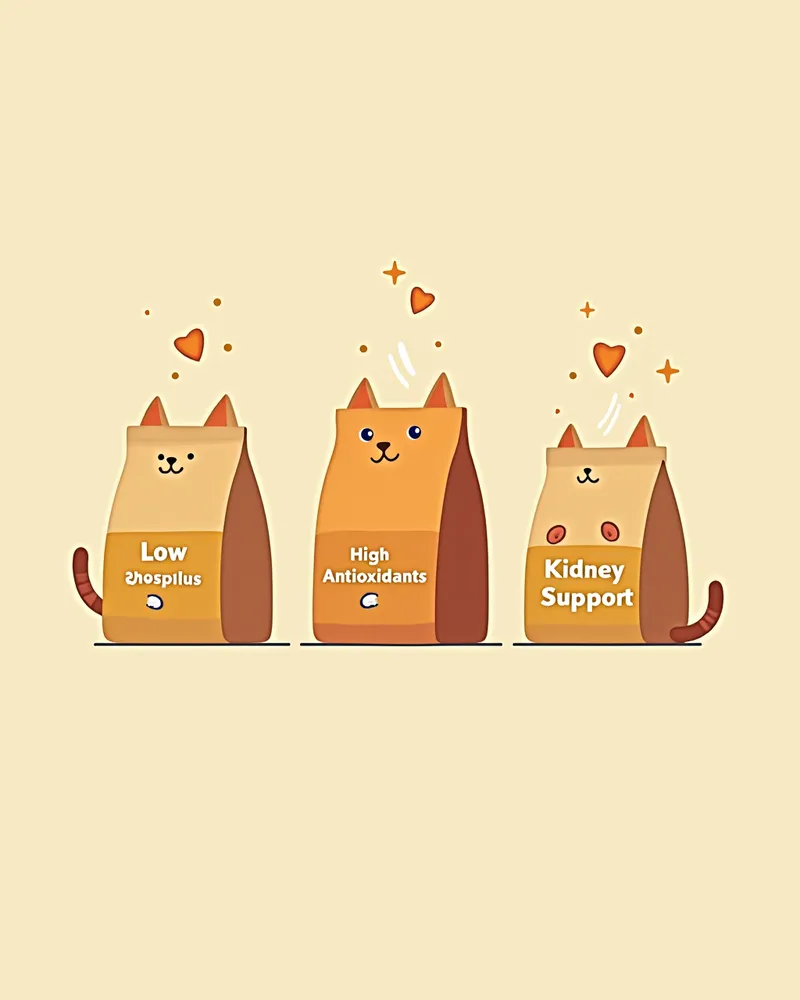
When managing feline amyloid nephropathy, diet and supplement selection are crucial. Consider these five key criteria:
Low-phosphorus diet: A diet restricted in phosphorus can help reduce the burden on the kidneys and slow disease progression.
Controlled high-quality protein: It is important to appropriately limit the amount of protein while providing high-quality sources to help reduce proteinuria and slow disease progression.
Antioxidant inclusion: Antioxidants such as vitamin E may help alleviate inflammation and oxidative stress.
Omega-3 fatty acids: Long-chain omega-3 fatty acids like EPA and DHA are used as supportive care for kidney disease.
Cat-friendly taste and texture: To improve palatability and ensure adequate intake, choose foods your cat enjoys, and consider canned diets to help increase water consumption.
A comparative illustration highlighting the key ingredients of a dietary product for managing feline amyloid nephropathy.

BEST 1: AminoCare Premium Diet (for Cats)

AminoCare Premium Diet is a low-phosphorus therapeutic diet formulated for cats with amyloid nephropathy. By limiting phosphorus content, it helps reduce the burden on the kidneys, while its inclusion of omega-3 fatty acids and vitamin E aids in mitigating oxidative stress and inflammation. The appealing fish flavor encourages high palatability and acceptance among cats.
Low-phosphorus formulation: Restricted phosphorus levels help alleviate kidney stress.
Enhanced antioxidants: Includes antioxidants such as vitamin E.
Controlled protein: Provides high-quality protein in appropriate amounts to help maintain muscle mass.
Cat-friendly flavoring: A fish-based aroma encourages natural eating behavior.
Veterinary consultation recommended: Always consult your veterinarian before transitioning to this diet.
A cat happily enjoying AminoCare Premium diet food

BEST 2: Renal Care Omega-3 Capsules (for Cats)
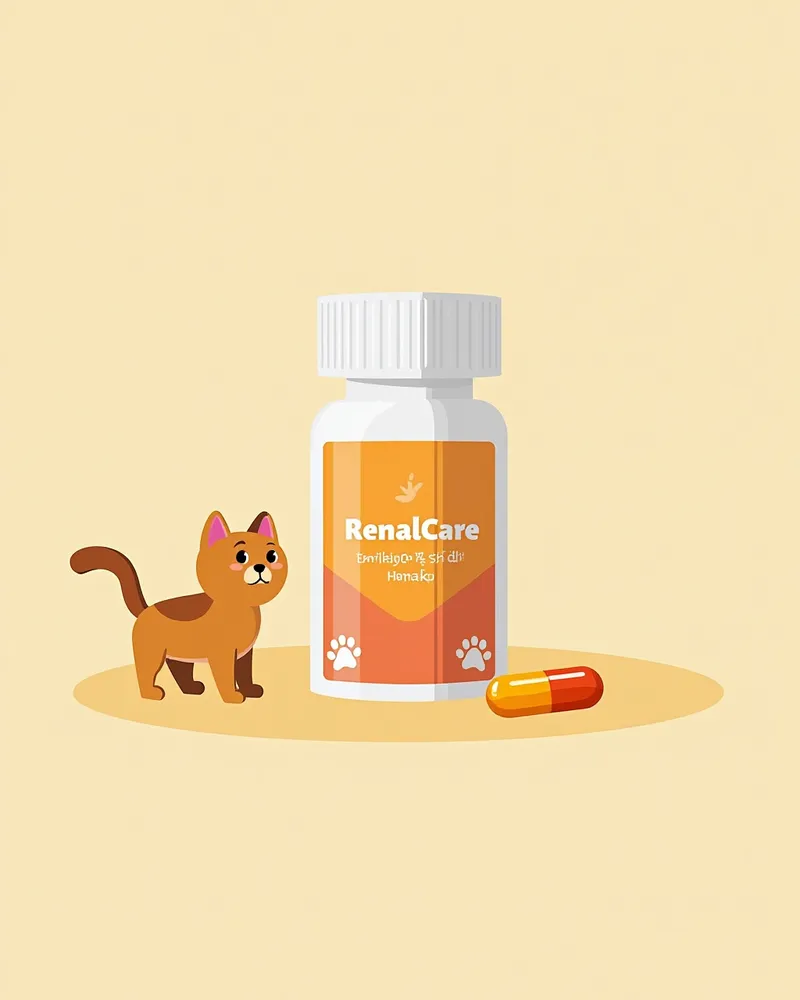
Renal Care Omega-3 Capsules are a supplement designed to support kidney health in cats. They contain long-chain omega-3 fatty acids, such as EPA and DHA, which can help reduce inflammatory responses in the kidneys. The capsule form makes administration easy, and the mild odor helps minimize rejection by cats.
Long-chain Omega-3s: EPA and DHA are used as supportive measures in managing kidney disease.
Capsule Design: Small and soft for easy swallowing by cats.
Minimized Odor: Reduced fishy smell helps decrease meal refusal.
Anti-inflammatory Effect: Direct anti-inflammatory action on the kidneys may help slow disease progression.
Appropriate Dosage: Adjust the dose based on the amount of omega-3 already present in your cat's diet.
An image featuring a kidney care omega-3 capsule product for cats alongside a cat paw print.

BEST 3: Amyloid Recovery Fabrication (Liquid)
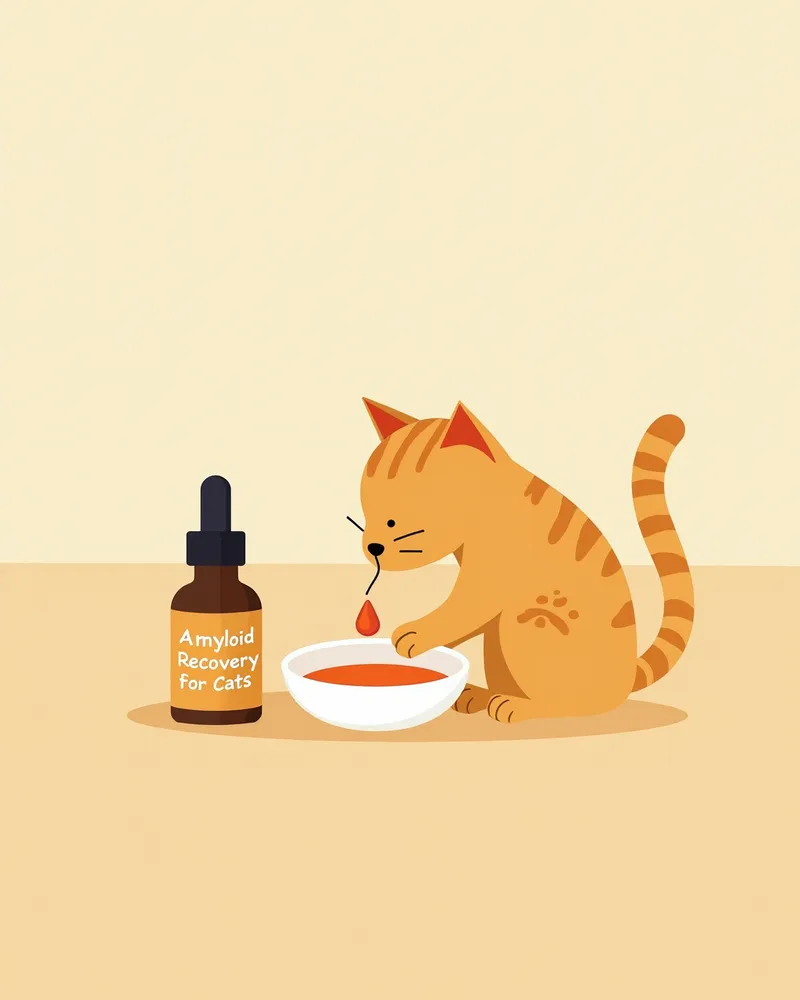
Amyloid Recovery Fabrication is a liquid supplement formulated with a taste and texture that cats find easy to consume. Its liquid form makes it convenient to mix with water or food, and it can be used to support dietary management in cats with insufficient voluntary water intake. It contains antioxidants that may help alleviate oxidative stress.
Convenient liquid form: Easily mixed with food or water for simple administration.
Contains antioxidants: Includes antioxidant ingredients such as vitamin E, which may help reduce inflammation.
Cat-friendly flavor: Contains a chicken scent to minimize rejection.
Supports hydration: Liquid administration may help increase water intake.
Veterinary consultation recommended: It is safest to consult your veterinarian before administering any supplement.
A natural image of a cat drinking liquid supplements

Comparison of BEST 1–3 Products: Recommended Products for Managing Feline Amyloid Nephropathy

ItemAminoCare Premium DietRenal Care Omega-3 CapsulesAmyloid Recovery Liquid
Main ingredientsLow-phosphorus diet, omega-3, vitamin ELong-chain omega-3 (EPA/DHA)Antioxidant ingredients
FormulationDry foodCapsuleLiquid
Phosphorus contentRestricted (low-phosphorus)Not applicableNot applicable
Cat acceptance rateHighVery highVery high
Additional benefitsMuscle maintenance, relief of oxidative stressRenal anti-inflammatory effectSupports water intake

We compared products that can be used to manage amyloid nephropathy in consultation with a veterinarian. Choose together with your veterinarian according to your cat's condition and eating habits.

Caution: Overdose and Drug Interactions

Excessive intake of omega-3 fatty acids or antioxidants can lead to digestive upset or an increased risk of bleeding. Cats taking blood-thinning medications should always consult their veterinarian before starting any supplements.

Usage Tips: The Key to Successful Management of Feline Amyloid Nephropathy

Managing feline amyloid nephropathy requires more than just a dietary change; it calls for consistent care and monitoring. Here are some tips to keep in mind:
Regular check-ups: Monitor kidney function with blood and urine tests every three months.
Track intake: Keep a daily log of food and supplement consumption to quickly spot any changes.
Stable environment: Provide a dedicated space for your cat to help minimize stress.
Communication with your vet: Consult your veterinarian immediately if you notice any changes in symptoms or side effects.
Varied diet: Avoid relying on a single diet; work with your vet to adjust the combination of foods as needed.
Preparing a diary and schedule to manage feline amyloid nephropathy.

Reviewed by a veterinarian

Dr. Tony — Punnawat Phongkittirak

Dr. Tony — Punnawat Phongkittirak

Veterinarian

A veterinarian who majored in veterinary medicine at Khon Kaen University, Thailand, and completed the IVSA program at North Carolina State University in the United States. Drawing on clinical experience at animal hospitals, he works in the pet healthcare field and is dedicated to building a digital care environment that connects pet parents with veterinarians.

Frequently Asked Questions

Can feline amyloid nephropathy be treated?
While a complete cure is difficult, early detection and proper management can help maintain kidney function for the long term. Dietary adjustments and supplements are key.
Is amyloid nephropathy hereditary?
Yes, Abyssinian cats and certain other breeds have a higher genetic predisposition. Regular check-ups are especially important for cats with a family history of the condition.
How many times a day should I give my pet the supplement?
The recommended dosage varies by product. In general, administer once or twice daily, following the dosage prescribed by your veterinarian. Do not exceed the recommended dose.
Can changing a cat’s diet cause them to reject the new food?
Sudden changes can cause stress, so it's best to gradually transition by mixing the new food with the current diet over a period of 7 days.
What are the symptoms of amyloid nephropathy?
In the early stages, you may notice a slight decrease in appetite or increased urination, while later stages can involve dehydration, lethargy, and vomiting. Early detection is crucial.

Share

Related Guides

References

[1] Boyce, J.T., DiBartola, S.P., Chew, D.J. et al. (1984). Familial renal amyloidosis in Abyssinian cats. Vet. Pathol. 21: 33–38.

[2] Mason, N.J. and Day, M.J. (1996). Renal amyloidosis in related English foxhounds. J. Small Anim. Pract. 37: 255–260.

[3] de Morais, H.S., DiBartola, S.P., and Chew, D.J. (1996). Juvenile renal disease in golden retrievers: 12 cases (1984–1994). J. Am. Vet. Med. Assoc. 209: 792–797.

This information is based on veterinary literature and does not replace diagnosis or treatment. Please consult a veterinarian for specific health concerns.

Metapet Co., Ltd. | CEO: Park Sung-yong | Business Reg. No. 417-88-02562 | Seoul, South Korea | Customer Center

Best Products for Feline Amyloid Nephropathy: How to Choose | Meongsiljang