
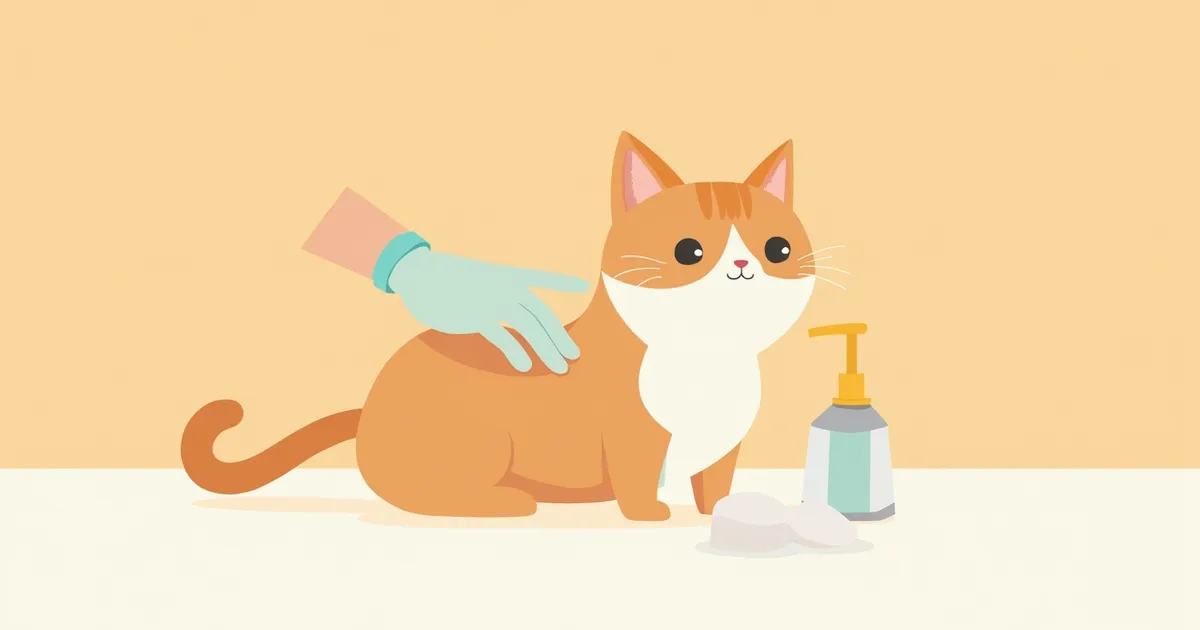
Top 5 Recommended Cat Ear Cleaners — Complete Guide to Preventing and Managing Ear Mites
Cat ear cleaners are specially formulated to remove earwax and discharge while maintaining a healthy environment in the outer ear canal. Here’s a roundup of five products that help prevent and manage ear mites, along with instructions for proper use.
What Are Cat Ear Cleaners?
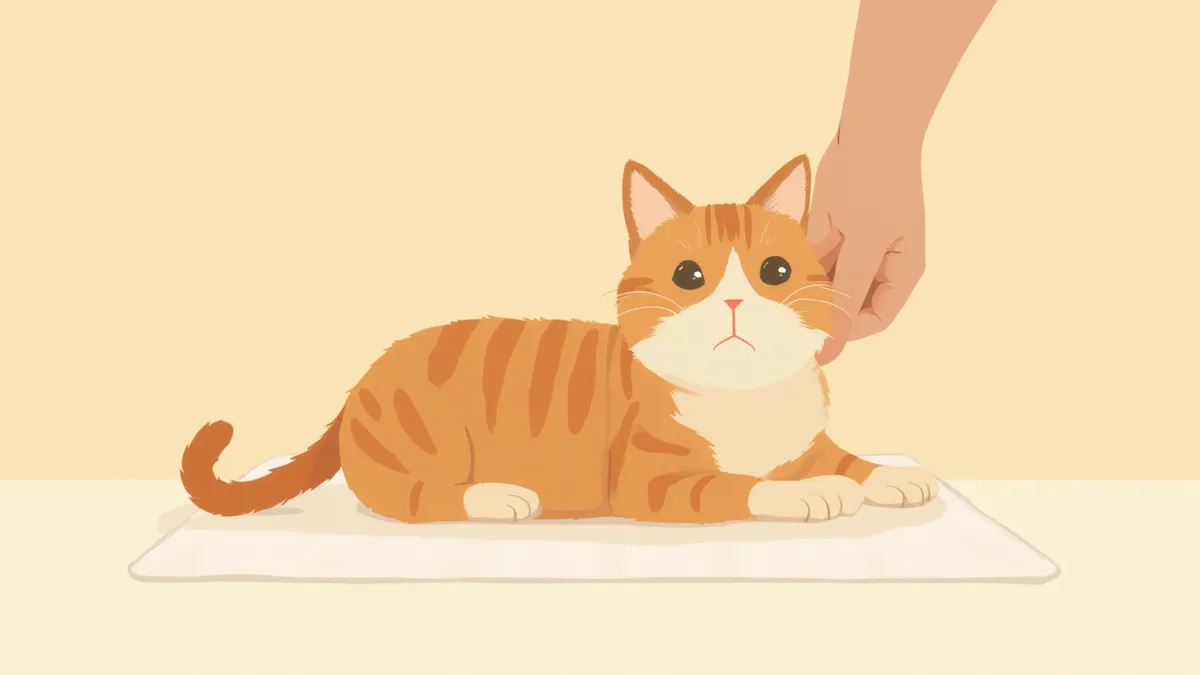
Why Is Ear Care Especially Important for Cats?
Criteria for a Good Cat Ear Cleaner

Ingredients That Must Never Be Used on Cats
Some dog ear cleaners and topical parasite treatments contain pyrethroid ingredients such as permethrin and deltamethrin, which are toxic to cats and must never be used on them. Additionally, cats are far more sensitive to topical medications than dogs and are prone to contact reactions, so extra caution is required with any product applied to the skin or ears. Using irritating or corrosive solutions like human-grade hydrogen peroxide, alcohol-soaked cotton, or diluted vinegar for ear cleaning can damage the external ear canal and is strictly prohibited. Always check the ingredient list and contraindications on the product label, and be sure to select products explicitly labeled as safe for cats.
Comparison Table of Top 5 Recommended Cat Ear Cleaners
| Item | Product A (Low-irritation basic) | Product B (Ear mite support) | Product C (Chronic otitis externa care) | Product D (Fragrance-free daily) | Product E (Veterinary prescription type) |
|---|---|---|---|---|---|
| Main ingredients | Salicylic acid·Purified water | Boric acid·Salicylic acid·Propylene glycol | Lactic acid·Ceramide·Allantoin | Purified water·Mildly acidic buffer | PCMX·EDTA·Tris buffer |
| Feline use | True | True | True | True | True |
| Alcohol content | None | Low | None | None | None |
| Purpose | Daily cleansing | Ear mite environmental management | Recurrent otitis externa support | Daily use for sensitive skin | Clinical prescription·Bacterial/yeast co-infection |
| Price range (per 60ml) | ~$10 range | High $10 range | Low $10 range | ~$10 range | Inquire at clinic |
Prices are general reference figures as of May 2026; actual use should be decided based on veterinary recommendation after diagnosis. Product names are shown in generalized form.
Summary of Roles by Key Ingredient
살리실산(Salicylic Acid)
각질·귀지 용해
Dosage: 제품 라벨 기준
수의피부과 교과서 권장
붕산(Boric Acid)
약산성 환경 유지·효모 억제 보조
Dosage: 제품 라벨 기준
락트산(Lactic Acid)
pH 조절·항균 보조
Dosage: 제품 라벨 기준
세라마이드·알란토인
외이도 진정·장벽 회복
Dosage: 보조 성분
페르메트린(Permethrin)
강아지용 살충 성분
Dosage: 고양이 사용 금지
고양이에게 신경독성 — BSAVA Dermatology 4th Ed
Proper Cat Ear Cleaning Steps

When to Stop Home Cleaning and Visit the Vet
If both ears are packed with dark, coffee-ground-like debris, ear mites are highly likely. In such cases, cleaning alone won’t resolve the issue; prescription topical parasiticides like selamectin or moxidectin are necessary. Additionally, if the ear canal is red and swollen, or if there’s yellow pus, a foul odor, or pain that makes your pet resist being touched, it could indicate otitis externa or media. Aggressive cleaning in these situations can damage the eardrum. If your pet consistently tilts their head to one side or struggles to maintain balance, seek veterinary care immediately.
Key Points for Preventing and Managing Ear Mites
Reviewed by a veterinarian

Dr. Tony — Punnawat Phongkittirak
VeterinarianA veterinarian who majored in veterinary medicine at Khon Kaen University, Thailand, and completed the IVSA program at North Carolina State University in the United States. Drawing on clinical experience at animal hospitals, he works in the pet healthcare field and is dedicated to building a digital care environment that connects pet parents with veterinarians.
Reviewed 2026-05-05
Frequently Asked Questions
How often should I use ear cleaner for my cat?
Can I use a dog ear cleaner on my cat?
I see black earwax. Is it okay to just wipe it away?
Is it safe to clean deep inside the ear with a cotton swab?
My cat keeps shaking its head after bathing. Is this normal?
Share
Related Guides
Top 5 Medicated Dog Shampoos — For Pyoderma and Bacterial Infections

Veterinarian-Recommended Top 5 Medicated Shampoos for Canine Yeast Dermatitis — Relieves Itching and Greasiness

Top 5 Medicated Cat Shampoos Recommended by Veterinarians — Fungal Dermatitis and Fungal Care
Top 3 Recommended Tick Prevention and Removal Products for Dogs and Selection Criteria

Comprehensive Guide to Tick-Borne Disease Management in Dogs: Top Recommendations and Selection Criteria

Top Recommendations and Selection Criteria for Puppy Tapeworm Management
Top Recommended Spot-On Preventatives for Dogs and How to Choose the Right One
Top Recommended Products for Dog Scabies (Mange) Management and Selection Criteria
The Ultimate Guide to Puppy Deworming Schedules, Management, and Selection Criteria
Top 3 Parasite Control Recommendations and Selection Criteria for Pregnant and Nursing Dogs
References
[1] BSAVA Manual of Canine and Feline Dermatology, 4th Edition — Chapter on Otitis Externa & Ectoparasites
[2] Principles and Practices of Canine and Feline Clinical Parasitic Diseases — Chapter on Otodectes cynotis
[3] Nuttall T., Cole L.K., Evidence-based veterinary dermatology: a systematic review of interventions for treatment of Otitis externa, 2007