

Top Recommended Products and Selection Criteria for Managing Feline Proteinuria
Protein in a cat’s urine can be an early sign of kidney dysfunction, making early intervention crucial. Choosing the right diet and supplements can help alleviate symptoms.
Feline Proteinuria Is an Early Sign of Kidney Dysfunction
Selection Criteria: How to Choose Diets and Supplements for Managing Proteinuria

BEST 1: Protenless Q Kidney Care Diet

BEST 2: Omega 3 Plus Kidney Protection Supplement
BEST 3: Kid Care Protein Reduce Diet
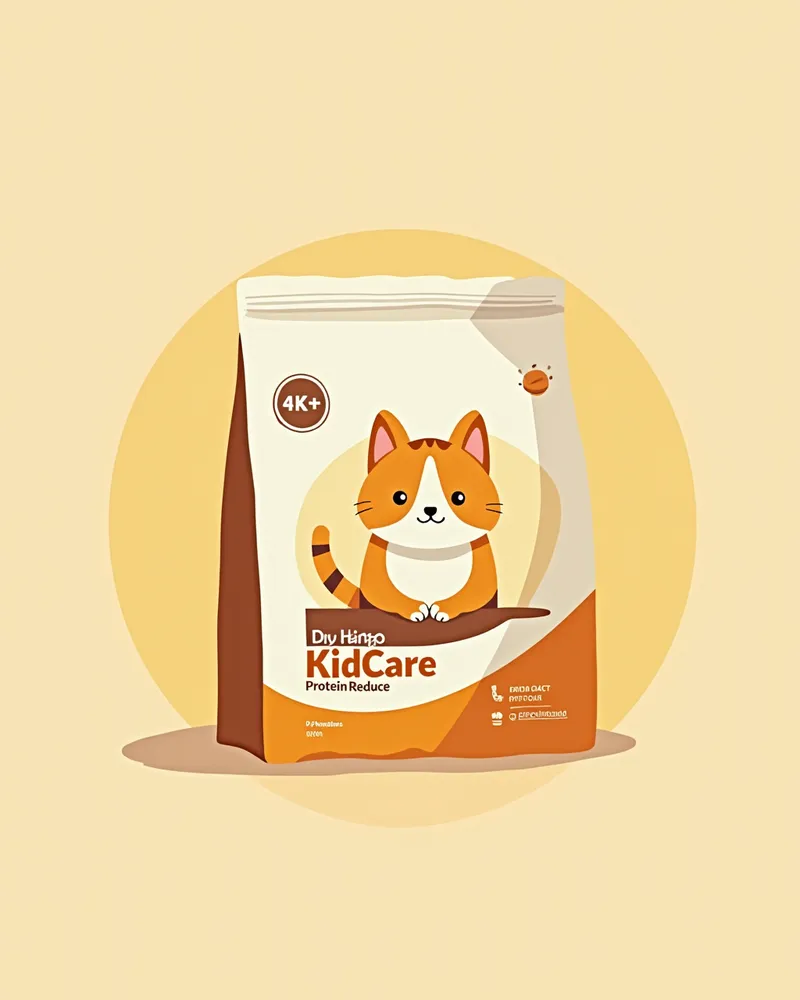
Comparison Table of BEST 1–3 Products
| Item | Proteinrescue Food | Omega3 Plus Supplement | KidCare Protein Reduce Food |
|---|---|---|---|
| Protein Content | Moderate (appropriate level) | None (supplement) | Low (appropriate level) |
| Phosphorus Content | Low | Low | Very low |
| Omega-3 Inclusion | Yes | Rich | Yes |
| Form | Dry | Liquid | Dry |
| Recommended Timing | Early stage of declining kidney function or management stage | Supplementary use as proteinuria progresses | Long-term management stage |
A personalized choice is needed through veterinary consultation.
Caution: Excessive Protein Restriction Can Be Harmful to the Body
When managing proteinuria, reducing protein intake too drastically can lead to muscle loss or nutritional deficiencies. It is essential that your veterinarian determines the appropriate amount based on your pet’s weight and overall health. If any adverse reactions occur while taking supplements, stop them immediately and visit the clinic.
Usage Tips: Closely Monitor Your Cat’s Response
Reviewed by a veterinarian

Dr. Tony — Punnawat Phongkittirak
VeterinarianA veterinarian who majored in veterinary medicine at Khon Kaen University, Thailand, and completed the IVSA program at North Carolina State University in the United States. Drawing on clinical experience at animal hospitals, he works in the pet healthcare field and is dedicated to building a digital care environment that connects pet parents with veterinarians.
Reviewed 2026-06-29
Frequently Asked Questions
Is proteinuria common in cats?
Can switching to a different diet alone improve proteinuria?
When should I start giving my pet the supplement?
How much water should my pet drink?
Can proteinuria recur?
Share
Related Guides

Top 5 Prescription Diets for Feline FLUTD — Comparison by Struvite and Calcium Oxalate Stones

Top 7 Prescription Diets for Feline Bladder and Urinary Tract Health Recommended by Veterinarians — Including Selection Criteria

Top 5 Cranberry Urinary Supplements for Dogs — Preventing Cystitis

The Best Anal Gland Care Recommendations for Dogs and Selection Criteria: A Complete Guide

The Ultimate Guide to Choosing the Best Adult Dog Booster Vaccination Schedule Management Tools and Selection Criteria

The Ultimate Guide to Preventing Hypothermia in Cats During Winter Cold Snaps: Recommended Products and Selection Criteria

The Ultimate Guide to Cat Summer Heat Management, Heatstroke Prevention, and Product Selection Criteria

The Ultimate Guide to Cat Spaying and Neutering: Pros, Cons, Care Tips, and Selection Criteria

The Ultimate Guide to Recommended Health Screening Items for Senior Cats and How to Choose Them
The Best Recommended Cat Regular Blood Test Items and Selection Criteria: A Complete Guide
References
[1] Polzin, D.J. and Churchill, J.A. (2016). Controversies in veterinary nephrology: renal diets are indicated for cats with international renal interest society chronic kidney disease stages 2 to 4: the pro view. Vet. Clin. North Am. Small Anim. Pract. 46 (3): 477-490.
[2] Applied Veterinary Clinical Nutrition, 2nd Ed. (2020). Chapter on Renal Support Diets in Cats. Elsevier Health Sciences.
[3] The Cat, Clinical Medicine and Management, 2nd Edition. (2019). Section on Proteinuria and Chronic Kidney Disease. Wiley-Blackwell.