
Like
Share
멍실장
강아지 당뇨 식이 관리 관리 추천 BEST와 고르는 기준 총정리

7 Key Dietary Management Tips for Dogs with Diabetes Recommended by Veterinarians — Blood Sugar Stability Guide

EndocrineTop PicksMeongsiljang Veterinary Advisory Board

The key to managing diabetes in dogs is dietary control. By choosing the right diet and feeding on a consistent schedule, you can help maintain stable blood sugar levels.

Dietary Management for Dogs with Diabetes is Key to Stabilizing Blood Sugar
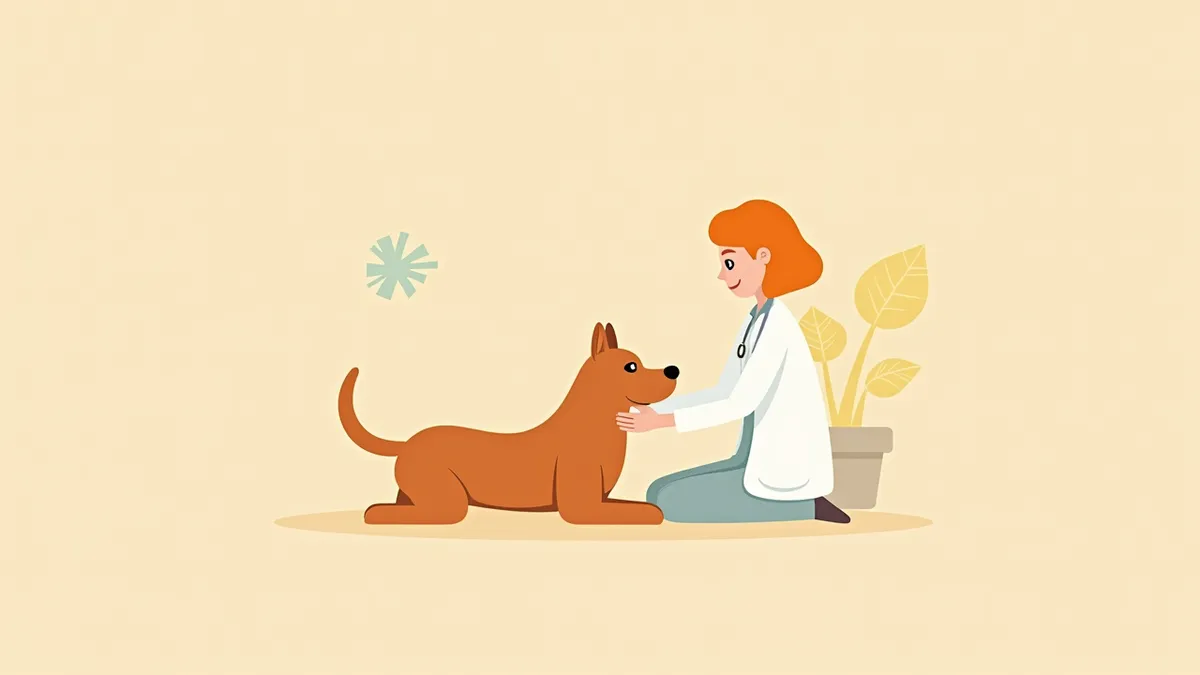
A scene of a veterinarian and a dog owner discussing dietary management for diabetes.
Dietary management is a cornerstone of stabilizing blood sugar in dogs with diabetes. Veterinary textbooks emphasize the importance of consistent feeding times and a uniform diet. To align with insulin activity, provide two meals of equal size each day, and avoid treats or scavenged foods to help maintain stable blood glucose levels. Limiting total carbohydrate intake, avoiding sugars, and incorporating slowly absorbed complex carbohydrates and fiber can help prevent sharp post-meal blood sugar spikes (a low-glycemic-index diet). A low-carbohydrate diet rich in protein and fat further minimizes postprandial blood glucose fluctuations. However, dietary management must always be combined with insulin therapy, and maintaining an ideal body weight can also improve insulin sensitivity. For safety, all diets should be formulated under the guidance of a veterinarian.

Best Criteria for Choosing a Diabetic Diet for Dogs

When choosing a diabetic diet for your dog, several factors should be considered, particularly ingredients and formulations that help regulate blood sugar.
Low glycemic index and low carbohydrate: Products with a low total carbohydrate content, minimal sugars, and a focus on complex carbohydrates that digest slowly help prevent sharp post-meal blood sugar spikes.
High protein and appropriate fat: A low-carbohydrate diet with adequate protein and fat helps minimize fluctuations in blood sugar after meals.
High in dietary fiber: Most dogs with diabetes benefit from a high-fiber diet, which helps reduce blood sugar variability.
Maintaining an appropriate weight: Managing obesity improves insulin sensitivity (however, underweight dogs are recommended to stay on a standard maintenance diet).
Consistent feeding: Consistency is key to stabilizing blood sugar, so feed the same food in the same amount every time.
Veterinarian-recommended products: Choose products under veterinary guidance and use the diet in conjunction with insulin therapy.
A Comparison of Three Recommended Diets for Managing Canine Diabetes

BEST 1: Premium Diabetes

Premium Diabetes is a low-carbohydrate, high-protein diet formulated to support diabetic pets. The product contains 18% or less carbohydrates and at least 35% protein. Its rich dietary fiber content helps slow carbohydrate absorption, which can help prevent post-meal blood sugar spikes. This veterinarian-recommended therapeutic diet is ideal for consistent, measured feeding. It can help maintain an appropriate body weight and stabilize blood glucose levels, and should be fed regularly in sync with insulin activity. However, since diet alone cannot cure diabetes, this food must be used under veterinary guidance alongside insulin therapy.
A Golden Retriever enjoying a meal of Premium Diabetes Care food.

BEST 2: Canon Diabet Capsules

Canon Diabet Capsules are a dietary supplement that can be mixed into your pet’s food. They contain low-glycemic-index ingredients that provide slowly absorbed carbohydrates, helping to reduce post-meal blood sugar spikes. The formula combines high protein, low fat, and low carbohydrates to support diabetic dietary management. It is especially useful as a supplement for dogs with reduced appetites or food refusal. This product should be used under veterinary guidance, and it is important to administer the same amount consistently. However, blood sugar cannot be controlled by dietary supplements alone; insulin therapy must be used concurrently. For safety, always follow your veterinarian’s instructions regarding dosage and administration.
A dog taking Canon Diabet capsules mixed with its food

BEST 3: Herb Plus Diabet Can

Herb Plus Diabet Can is a wet food. With a carbohydrate content of less than 15% as stated on the label, it may help reduce post-meal blood sugar spikes. Its high fiber content is beneficial for minimizing blood sugar fluctuations in diabetic dogs. The wet formula offers good palatability, making it a suitable alternative for dogs that struggle to eat dry food. However, since additional vascular and gut health benefits from omega-3 or herbal ingredients are not supported by standard medical evidence, do not rely solely on the listed ingredients; instead, prioritize evaluating its blood sugar control effects. When changing diets, transition gradually rather than abruptly, and for safety, feed consistently under veterinary guidance alongside insulin therapy.
A view of the opened Herb Plus Diabet Can

Comparison Table of BEST 1–3 Diabetic Diet Products for Dogs

ItemPremium Diabet DietCanon Diabet CapsuleHerbPlus Diabet Can
Carbohydrate content18% or less18% or lessUnder 15%
Protein ratio35% or more30% or more28% or more
Fat content12% or less10% or less11% or less
Dietary fiberHighMediumHigh
FormulationDrySupplement (capsule)Wet
Additional ingredientsNatural herbsOmega-3Probiotics

These are veterinarian-recommended products, effective for blood sugar control and weight management.

Caution: Always Consult Your Veterinarian Before Choosing a Dietary Product

Managing your dog’s diabetes through diet should always be done under the guidance of a veterinarian. Suddenly changing their food can cause significant fluctuations in blood sugar levels. Your vet will recommend a customized diet plan based on your dog’s weight and blood glucose levels.

Tips for Dietary Management of Dogs with Diabetes

Consistency is key to successful dietary management. Feed your dog the same food, in the same amount, at regular times. Veterinary guidelines typically recommend two equal meals timed to coincide with insulin activity, though some dogs may benefit from three to four smaller meals if stability is difficult to achieve. Avoid treats or scavenged foods, as they can destabilize blood sugar levels. When changing food, transition gradually over several days rather than making an abrupt switch. Tracking blood sugar changes after meals can provide valuable insights for your veterinarian. Sudden changes can cause blood sugar fluctuations, so monitoring your dog’s response and collaborating with your vet is essential for stable management.
A dog owner recording their pet’s meals and blood sugar changes.

Reviewed by a veterinarian

Dr. Tony — Punnawat Phongkittirak

Dr. Tony — Punnawat Phongkittirak

Veterinarian

A veterinarian who majored in veterinary medicine at Khon Kaen University, Thailand, and completed the IVSA program at North Carolina State University in the United States. Drawing on clinical experience at animal hospitals, he works in the pet healthcare field and is dedicated to building a digital care environment that connects pet parents with veterinarians.

Frequently Asked Questions

Which dog food is best for managing diabetes in dogs?
Diets that are low in total carbohydrates and have a low glycemic index, meaning they are absorbed slowly, can be helpful. Products rich in dietary fiber are also beneficial. A low-carbohydrate diet with adequate protein and fat can help reduce blood sugar fluctuations. Please choose under the guidance of a veterinarian.
Can I switch my pet’s diet suddenly?
It's not advisable. Maintaining a consistent diet is important, and when making changes, you should transition slowly over several days to minimize gastrointestinal discomfort and blood sugar fluctuations.
Can diabetes be cured through dietary management alone?
No. Dogs with diabetes require insulin injections, and dietary management is part of that treatment. Unlike cats, dogs rarely achieve remission (a cure).
Shouldn’t artificial additives be avoided in pet food?
Veterinary textbooks don’t explicitly address the inherent risks of artificial additives. Instead, consistency in feeding the same food in the same amount, along with a low-glycemic index and high-fiber composition, is more important for stabilizing blood sugar levels.
My dog has no appetite during dietary management. What should I do?
Loss of appetite can be a sign that your pet’s diabetes is not well controlled, and a reduced food intake may require an adjustment in insulin dosage. Please consult your veterinarian right away.

Share

Related Guides

References

[1] The Dog Care Handbook, Things I Wish My Vet Had Told Me, 2023

[2] Notes on Canine Internal Medicine, 4th Ed, 2022

[3] Clinical Medicine of the Dog and Cat, 4th Ed, 2021

This information is based on veterinary literature and does not replace diagnosis or treatment. Please consult a veterinarian for specific health concerns.

Metapet Co., Ltd. | CEO: Park Sung-yong | Business Reg. No. 417-88-02562 | Seoul, South Korea | Customer Center

7 Vet Diet Tips for Diabetic Dogs: Blood Sugar Stability | Meongsiljang