Like
Share
멍실장
강아지 베타차단제 심장 관리 추천 BEST와 고르는 기준 총정리

7 Key Points for Managing Your Dog’s Beta-Blocker Heart Medication, as Recommended by Veterinarians

HeartTop PicksMeongsiljang Veterinary Advisory Board

When managing your dog’s heart condition with beta-blockers, choosing the right supplements and care routine is essential. Here’s a clear guide to selecting effective products, along with our top three recommendations.

Start Your Dog’s Beta-Blocker Heart Management with Supplements

Image of a heart-support supplement for dogs
If your dog is taking beta-blockers, the most important thing is to stay under the care of the veterinarian who prescribed the medication. Beta-blockers are drugs with a narrow safety margin, used for conditions like arrhythmias and hypertension. There is no evidence in veterinary textbooks to support the claim that supplements can reduce side effects or replace the burden of medication [E2]. Rather than assuming that over-the-counter supplements protect the heart, it is safer to focus on regular check-ups and proper medication management.
Prioritize medication management: It is essential to adhere strictly to the prescribed dosage and timing for beta-blockers [E10].
Beware of unproven efficacy: Claims that supplements offer "heart protection, antioxidant effects, or improved blood flow" lack textbook-based evidence.
Check for interactions: Some supplement ingredients can interact dangerously with medications [E5].
Veterinary consultation is essential: Always consult your veterinarian before giving your dog any supplements.

5 Criteria for Choosing Supplements for Dogs on Beta-Blockers
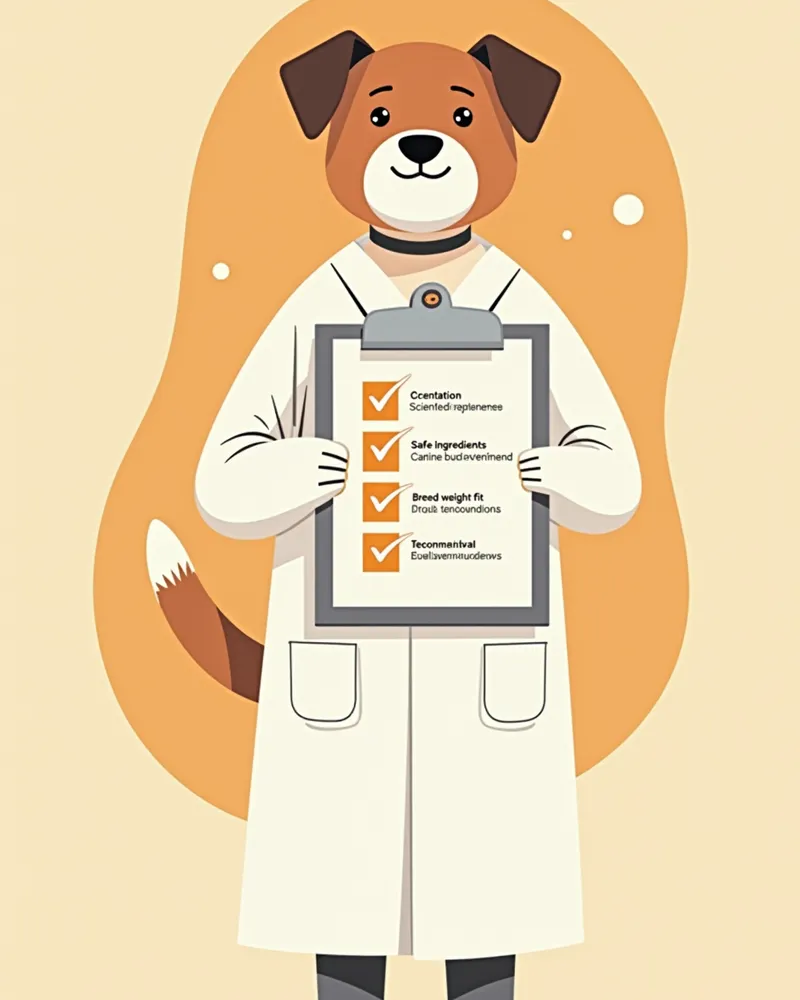
If you’re considering a supplement for your dog while they’re on beta-blockers, prioritize evidence and safety over marketing claims. The wrong choice could interact with the medication and add unnecessary strain [E5].
Check for scientific evidence: Verify whether the ingredients have proven efficacy in veterinary textbooks. Many supplements lack sufficient validation.
Review drug interactions: Ingredients like calcium channel blockers or herbs such as hawthorn can be dangerous when combined with beta-blockers [E5].
Consider breed and weight: Dosages vary by weight even for the same medication [E10], so avoid over-supplementing.
Prioritize veterinary recommendations: Products endorsed by your vet are more reliable.
Beware of exaggerated claims: Don’t judge safety based solely on owner testimonials.
Criteria for choosing a heart supplement for dogs

BEST 1: Heart Energy Pro 1000 (for Large-Breed Dogs)

Heart Energy Pro 1000 is a supplement labeled for large-breed dogs. Although it is described as containing ingredients such as coenzyme Q10 and lutein, veterinary textbooks do not provide evidence that these ingredients enhance cardiac function or reduce fatigue in dogs taking beta-blockers [E2]. Therefore, its efficacy cannot be definitively established, and it is safest to consult your veterinarian before administration.
Ingredient Labeling: The product states that it contains coenzyme Q10, lutein, and other ingredients.
Unverified Efficacy: There is no textbook evidence supporting claims of enhanced cardiac energy or antioxidant effects.
Medication-First Management: This supplement does not replace beta-blockers [E2].
Interaction Caution: Depending on the ingredients, interactions with medications may occur [E5].
Weight Indication: It is labeled for large-breed dogs weighing 20 kg or more.
Image of Heart Energy Pro 1000 supplement for large breed dogs

BEST 2: Small Dog Heart Comfort Capsules

Small Dog Heart Comfort Capsules are a supplement presented in a small capsule form. Although they are stated to contain L-tyrosine, magnesium, and omega-3 fatty acids, there is no textbook evidence supporting the claim that these ingredients prevent hypotension or stabilize heart rhythm in dogs taking beta-blockers [E2]. Rather than assuming efficacy, please consult your veterinarian before deciding to use this product.
Ingredient Labeling: The product is labeled as containing L-tyrosine, magnesium, and omega-3 fatty acids.
Unverified Efficacy: There is no textbook evidence for effects such as blood pressure stabilization or heart rhythm regulation.
Prioritize Medication Management: Beta-blockers have a narrow safety margin and should never be adjusted without veterinary guidance [E2].
Caution Regarding Interactions: Depending on the ingredients, there may be interactions with medications [E5].
Form: The product is described as small capsules that are easy to swallow.
Image of HeartEase Capsules for Small Dogs

BEST 3: Beta Heart Care Petri

Beta Heart Care Petri is a liquid supplement designed for easy administration with meals. Although it contains B vitamins, magnesium, and coenzyme Q10, veterinary textbooks do not support the claim that these ingredients provide sustained support for canine cardiac function [E2]. Since its efficacy is unproven, please consult your veterinarian.
Administration: Marketed as a liquid that can be easily mixed with water or food.
Unverified Efficacy: There is no textbook evidence supporting claims of enhanced cardiac energy supply or vascular protection.
Prioritize Medication: Supplements cannot replace beta-blockers [E2].
Drug Interactions: Ingredients may interact with medications [E5].
Consult Before Long-Term Use: Discuss with your veterinarian whether long-term administration is appropriate.
Image of Beta Heart Care Petrid Liquid Supplement

Comparison Table of Products BEST 1–3

ItemHeart Energy Pro 1000Small-Breed Heart Comfort CapsuleBeta Heart Care Petride
FormTabletCapsuleLiquid
Main ingredientsCoenzyme Q10, LuteinL-tyrosine, Omega-3Vitamin B complex, Magnesium
Suitable weight20kg and above10kg and underAll weights
Administration method1 tablet per day1 capsule per day1 spoon per day
Additional benefitsHighly concentrated, tailored for large breedsSmall-breed exclusive, small capsuleAppetite stimulation, convenience

The listed ingredients and forms are based on product guidance, and there is no veterinary textbook evidence confirming that these supplements protect heart function when taking beta-blockers. Always consult your attending veterinarian before feeding.

Caution: Ingredients Prohibited for Use with Beta-Blockers

Some ingredients can be dangerous when used together with beta-blockers. In particular, calcium channel blockers should not be used in combination with beta-blockers, as they can jointly suppress atrioventricular (AV) conduction and potentially cause complete heart block [E5]. Additionally, certain herbal supplements, such as hawthorn, may actually worsen cardiotoxicity and should be avoided [E5]. Always consult your veterinarian before adding any supplement to your pet’s regimen.

Tips for Use When Your Dog Is Taking Beta-Blockers

To protect the heart health of dogs taking beta-blockers, proper medication management and regular monitoring are essential. Consistent care is key.
Regular Monitoring: It is recommended to regularly check the electrocardiogram (ECG), blood pressure, and serum potassium levels [E10]. Determine the testing frequency in consultation with your veterinarian.
Consistent Medication Schedule: It is important to administer the prescribed dose at the same time every day [E10].
No Unauthorized Adjustments: Beta-blockers have a narrow safety margin, so owners must never adjust the dosage on their own [E2].
Avoid Dangerous Interactions: Do not combine beta-blockers with calcium channel blockers or hawthorn [E5].
Monitor for Changes: Contact your veterinarian immediately if you notice any abnormal signs, such as lethargy or fainting.
Tips for administering beta-blockers to dogs

Reviewed by a veterinarian

Dr. Tony — Punnawat Phongkittirak

Dr. Tony — Punnawat Phongkittirak

Veterinarian

A veterinarian who majored in veterinary medicine at Khon Kaen University, Thailand, and completed the IVSA program at North Carolina State University in the United States. Drawing on clinical experience at animal hospitals, he works in the pet healthcare field and is dedicated to building a digital care environment that connects pet parents with veterinarians.

Frequently Asked Questions

Is it safe to give supplements while my pet is taking a beta-blocker?
Not all supplements are safe. For example, herbs like hawthorn or ingredients that block calcium channels can be dangerous when used together with beta-blockers [E5]. Always consult your veterinarian before giving your pet any supplement.
When should I start giving the supplement?
There is no evidence in veterinary textbooks to support the claim that supplements protect heart function at an early stage. It is best to consult your veterinarian before using any supplements, including when to start them.
Can giving supplements reduce the amount of medication needed?
No. Supplements do not provide a basis for replacing medications or reducing dosages. Beta-blockers have a narrow safety margin, so arbitrarily reducing or stopping them can be dangerous [E2].
My pet had an adverse reaction after taking the supplement. What should I do?
Stop giving the medication immediately and contact your veterinarian. Symptoms such as vomiting, shock, or difficulty breathing may indicate an emergency.
Do small and large breed dogs require different supplements?
Just as medication dosages vary by body weight, supplements shouldn’t be increased uniformly either. Since there’s no textbook evidence that specific supplements benefit the heart, prioritize consulting your veterinarian over choosing a product on your own.

Share

Related Guides

References

[1] Adin D, DeFrancesco TC, Keene B et al. Echocardiographic phenotype of canine dilated cardiomyopathy differs based on diet type. J Vet Cardiol, 2019, 21:1–9.

[2] Clinical Medicine of the Dog and Cat, 4th Ed. Elsevier, 2021.

[3] Blackwell's Five-Minute Veterinary Consult Clinical Companion, Small Animal Toxicology, 3rd Edition. Wiley-Blackwell, 2020.

This information is based on veterinary literature and does not replace diagnosis or treatment. Please consult a veterinarian for specific health concerns.

Metapet Co., Ltd. | CEO: Park Sung-yong | Business Reg. No. 417-88-02562 | Seoul, South Korea | Customer Center

7 Vet Tips for Managing Your Dog's Beta-Blocker Heart Medication | Meongsiljang