Like
Share
멍실장
고양이 알도스테론증 고양이 관리 추천 BEST와 고르는 기준 총정리

7 Key Management Tips for Feline Hyperaldosteronism Recommended by Veterinarians — Symptoms, Tests, and Care Summary

EndocrineTop PicksMeongsiljang Veterinary Advisory Board

Feline hyperaldosteronism is an endocrine disorder caused by excessive production of adrenal cortex hormones, leading to high blood pressure and low potassium levels. We’ve compiled a guide to effective management products and the criteria for choosing them.

What is Feline Hyperaldosteronism?
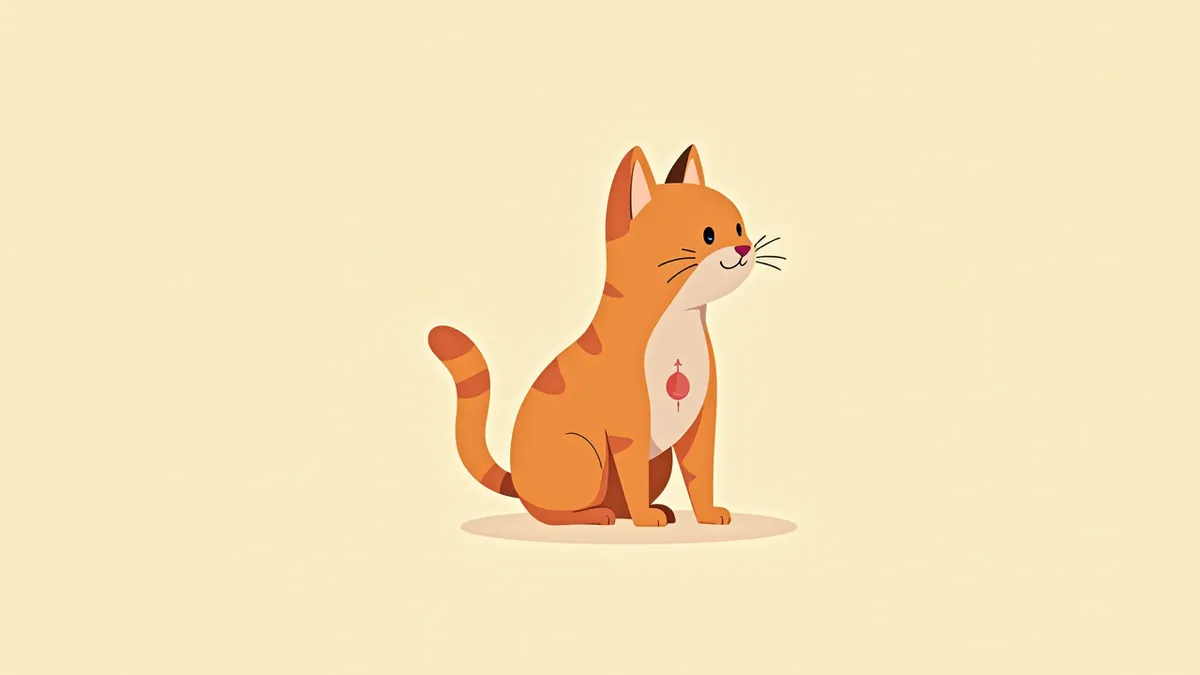
Anatomy of the adrenal cortex, the cause of feline hyperaldosteronism
Feline hyperaldosteronism (primary hyperaldosteronism) is an endocrine disorder in which the zona glomerulosa of the adrenal cortex autonomously overproduces the hormone aldosterone, leading to hypertension and hypokalemia. It primarily affects middle-aged to senior cats (average age approximately 12 years), with no distinct differences by breed or sex. - Aldosterone excess: Excessive retention of sodium and water in the distal renal tubules, along with increased potassium excretion, causes elevated blood pressure and hypokalemia. - Main causes: Most cases are caused by adrenal tumors (adenomas or carcinomas) or bilateral adrenal hyperplasia. - Key symptoms: Muscle weakness and lethargy may occur due to hypokalemia. - Diagnostic essentials: Diagnosis is confirmed through blood tests (showing hypokalemia), plasma aldosterone and renin activity measurements, and abdominal ultrasound. - Treatment goals: Medication or tumor surgery aims to control hormonal effects and hypertension, preventing organ damage.

5 Selection Criteria

The primary treatment for feline hyperaldosteronism involves veterinary diagnosis and prescribed medications (such as aldosterone antagonists and antihypertensives) or tumor surgery. When selecting a supplement, consider the following criteria, but always consult your veterinarian before making any decisions.
Potassium supplementation: Ensure the product contains an appropriate amount of potassium to help address hypokalemia.
Check for hyperkalemia: If potassium levels are elevated, avoid products containing potassium, so review test results first.
Compatibility with current treatment: Confirm that the supplement does not interfere with prescribed medications or dietary plans.
Safety: Choose products with clear ingredient labeling and minimal burden for long-term use.
Ease of use: Select a form—liquid, capsule, or powder—that your cat readily accepts.
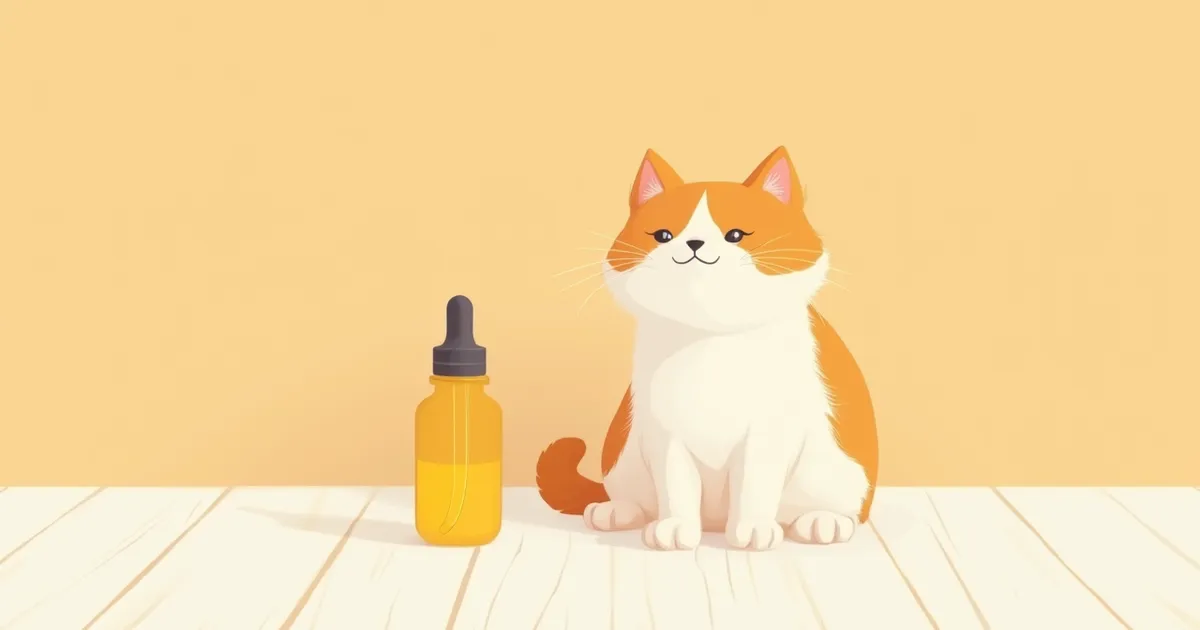
A cat taking a nutritional supplement

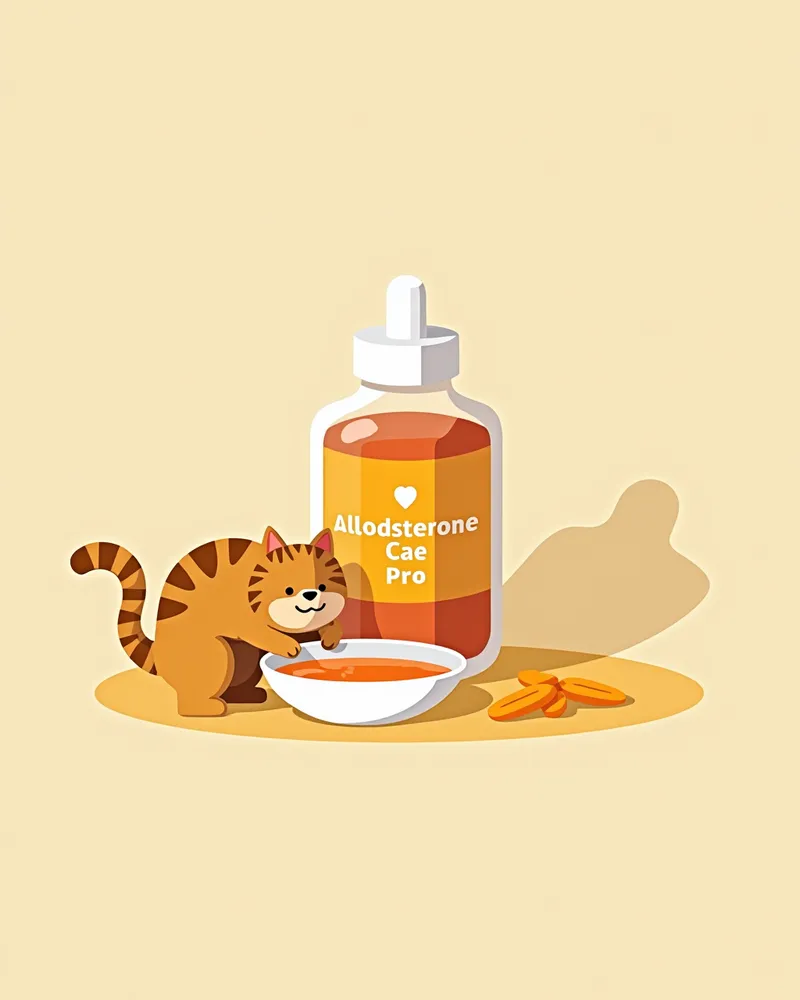
BEST 1: Aldosterone Care Pro

Aldosterone Care Pro is a supplementary nutritional aid for cats that helps replenish potassium. Since it does not suppress aldosterone secretion or alter adrenal function, it should be used as a supportive measure alongside veterinary diagnosis and prescribed treatment. - Potassium Content: May assist in potassium supplementation for cats with hypokalemia. - Magnesium Included: Added to support electrolyte replenishment. - Natural Extracts: Contains corn-based ingredients, but there is no evidence that it directly normalizes adrenal cortex function. - Liquid Formulation: An easy-to-administer liquid given once daily at 2 mL. - Pre-Use Check: Contraindicated in cases of hyperkalemia; consult your veterinarian before use. - Supportive Management: Designed to be used as an adjunct to prescribed therapy and regular check-ups.
Product image of Aldosterone Care Pro

BEST 2: Cat Heart Balance Capsules
Cat Heart Balance capsules are a supplementary capsule product for cats that helps replenish potassium and electrolytes. Since it is not a treatment for the disease itself, it should be used as an adjunct to veterinary-prescribed therapy. - Potassium content: May help supplement potassium in cases of hypokalemia. - Magnesium included: Added to support electrolyte balance. - Vitamin B6 included: Included for general nutritional supplementation. - Appetite support: Can be considered to help with nutrient intake in cats with reduced appetite. - Administration method: Administered in capsule form; avoid potassium-containing products if hyperkalemia is present. - Consult before use: Inform your veterinarian before use due to potential interactions with prescribed medications.
Product image of Cat Heart Balance capsules

BEST 3: Pet Balance Aldosterone Powder
Pet Balance Aldosterone Powder is a feline supplement designed to help replenish potassium. Since it does not inhibit aldosterone, it should be used as a supportive aid alongside veterinary-prescribed treatments. - Potassium Replenishment: It can help restore potassium levels in cats suffering from hypokalemia. - Magnesium Content: Magnesium is included to support overall electrolyte balance. - Lemon Balm Extract: While included in the formula, there is no evidence that it affects adrenal function or aldosterone levels. - Easy to Mix: The powder form allows for easy mixing into food, making administration stress-free. - Pre-Use Check: Products containing potassium are contraindicated for cats with hyperkalemia. - Supportive Care: This product is best used as a complementary aid alongside prescribed treatments and regular veterinary check-ups.
Product image of Pet Balance Aldosterone Powder

Comparison Table of BEST 1–3 Products

ItemAldosterone Care ProCatHeart Balance CapsulePet Balance Aldosterone Powder
Main IngredientsPotassium, magnesium, natural extractsPotassium, magnesium, vitamin B6Potassium, magnesium, lemon balm extract
FormLiquidCapsulePowder
Daily Dose2ml1 capsule1 spoon
Ease of UseTrueTrueTrue
Price (per 30 days)$10$10$10

Prices are as of 2025; selection is recommended after consulting a veterinarian

Precautions and Contraindications

Products for managing hyperaldosteronism should only be used after a veterinary diagnosis and prescription. They are contraindicated in cases of hyperkalemia, so avoid any products containing potassium. Additionally, potential drug interactions may occur when used with other medications, so be sure to inform your veterinarian before starting treatment.

Usage Tips
When using a supplement to support the management of feline hyperaldosteronism, keep the following tips in mind:
Maintain a consistent schedule: Administer the product at the same time each day to ensure more consistent management.
Give with meals: Provide the supplement alongside food to minimize stomach irritation.
Monitor for reactions: If you notice any adverse signs such as loss of appetite, vomiting, or lethargy, stop use immediately and consult your veterinarian.
Electrolyte and kidney function tests: After starting medications such as antihypertensives, have your veterinarian check electrolyte levels (including potassium) and kidney function at the intervals they recommend.
Maintain a calm environment: Keep the surroundings quiet to reduce stress and minimize errors in blood pressure readings.
Tips for Managing Feline Hyperaldosteronism

Reviewed by a veterinarian

Dr. Tony — Punnawat Phongkittirak

Dr. Tony — Punnawat Phongkittirak

Veterinarian

A veterinarian who majored in veterinary medicine at Khon Kaen University, Thailand, and completed the IVSA program at North Carolina State University in the United States. Drawing on clinical experience at animal hospitals, he works in the pet healthcare field and is dedicated to building a digital care environment that connects pet parents with veterinarians.

Frequently Asked Questions

Is hyperaldosteronism treatable?
Hyperaldosteronism can be managed with medication and ongoing care to control symptoms. In some cases, such as unilateral adrenal tumors, surgery (adrenalectomy) may remove the underlying cause and offer a potential cure. However, most cases require long-term management.
When should I start giving my pet the supplement?
After a veterinary diagnosis, it is important to begin prescribed medication or surgical treatment first. The use of supplementary nutrients should be discussed with your veterinarian to determine whether they can be used alongside primary treatment. Early management helps prevent long-term organ damage.
Will symptoms return if I stop giving the supplement?
Hyperaldosteronism is often caused by persistent issues such as adrenal tumors or hyperplasia, so symptoms may recur if management is stopped before the underlying cause is resolved. It’s important to work with your veterinarian to adjust treatment gradually.
Is it safe for my cat to eat this alongside other cats?
Since each cat's health status and potassium levels can vary, always consult your veterinarian before giving the same product to another cat.
Can supplements upset my pet’s stomach?
Depending on the ingredients, it may cause stomach irritation. Start with a small amount, and if vomiting or loss of appetite occurs, stop immediately and consult your veterinarian.

Share

Related Guides

References

[1] Flood SM, Randolph JF, Gelzer AR, Refsal K. Primary hyperaldosteronism in two cats. J Am Anim Hosp Assoc 1999;35(5):411–6.

[2] Brown SA, Henik RA. Diagnosis and treatment of systemic hypertension. Vet Clin North Am Small Anim Pract 1998;28(6):1481–94.

[3] Cracknell K, et al. Feline hyperaldosteronism: clinical features and management. Vet Rec 2005;156(17):545–548.

This information is based on veterinary literature and does not replace diagnosis or treatment. Please consult a veterinarian for specific health concerns.

Metapet Co., Ltd. | CEO: Park Sung-yong | Business Reg. No. 417-88-02562 | Seoul, South Korea | Customer Center

7 Vet Tips for Managing Feline Hyperaldosteronism | Meongsiljang