Like
Share
멍실장
강아지 수신증 관리 추천 BEST와 고르는 기준 총정리

7 Key Tips for Protecting Kidneys in Dogs with Hydronephrosis, Recommended by Veterinarians

KidneyTop PicksMeongsiljang Veterinary Advisory Board

Canine hydronephrosis is a condition in which pus accumulates in the kidney, making early detection and proper management crucial. The key is to work with your veterinarian to develop a tailored care plan.

Hydronephrosis in Dogs Is a Condition Where Pus Accumulates in the Kidney

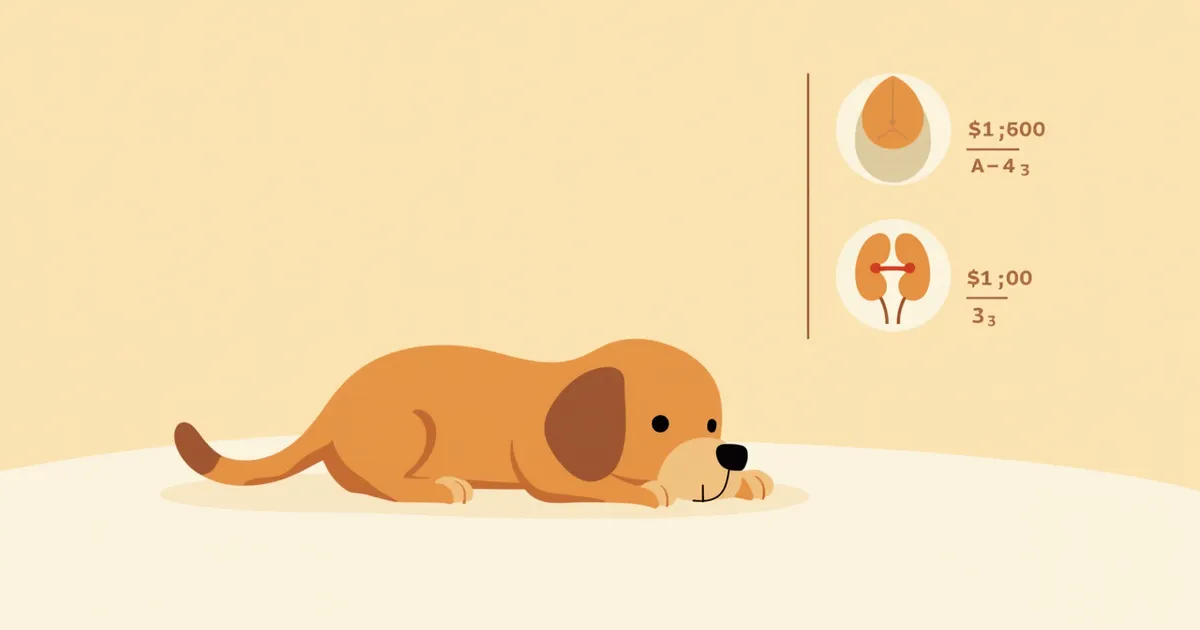
Anatomical image of a dog’s kidney with hydronephrosis
Hydronephrosis in dogs occurs when the urinary tract becomes obstructed, causing urine to back up and accumulate in the kidney (renal pelvis), leading to swelling. If the obstruction persists, the pressure can gradually damage kidney tissue and impair function. The condition becomes even more dangerous if a bacterial infection develops, potentially progressing to pyonephrosis (pus-filled kidney) or pyelonephritis. Rather than relying on uncertain self-assessment, it is crucial to have a veterinarian detect abnormalities early through regular check-ups and create a management plan tailored to your dog’s specific condition. Early diagnosis and treatment of the underlying cause play a decisive role in preserving kidney function and maintaining your pet’s quality of life.

What Are the Key Criteria for Choosing Hydronephrosis Management Products?

- Phosphorus restriction: Since limiting phosphorus is a cornerstone of kidney disease diets, it’s important to verify that the product has controlled phosphorus levels. - Omega-3 fatty acid content: Fish-derived omega-3s are known to help regulate inflammation in the body and support blood flow within the kidneys. - Appropriate protein levels: Look for diets that limit high-biological-value protein to an appropriate level, which helps reduce the waste burden on the kidneys. - Hydration and electrolyte management: Formulations that help prevent dehydration and maintain sodium and potassium balance are beneficial for long-term care. - Veterinarian-prescribed: Kidney disease management varies by individual and requires adjustments based on the patient’s progress, so choosing a diet based on your veterinarian’s diagnosis and prescription is the safest approach.
A scene of choosing a product to manage hydronephrosis with a veterinarian

BEST 1: Kidney Protection Capsule Premium
The fish-derived omega-3 fatty acids in this product are well-documented in veterinary textbooks to help regulate blood flow and inflammation in the kidneys. However, there is no clear evidence that the included glucosamine and probiotics directly protect kidney function, so it’s best to avoid placing excessive expectations on them. The cornerstone of kidney disease management is a diet restricted in phosphorus and with appropriate protein levels, while supplements should only be viewed as supportive aids. Whether to use this product and the appropriate dosage depend on your dog’s individual condition, so always consult your veterinarian before making a decision. Regular monitoring of kidney values and overall health during use is essential for safety. Rather than expecting a single product to provide complete benefits, consider it as part of a comprehensive management plan.
Best Product Image for Managing Canine Hydronephrosis

BEST 2: Hydration Supplement Liquid Nutrient
For dogs with hydronephrosis or kidney disease, managing hydration and dehydration is crucial. Because the kidneys can no longer concentrate urine, these dogs can become dehydrated even if they drink plenty of water. Proper fluid supplementation helps flush out waste products. However, please remember that in cases of severe dehydration or progressive renal failure, oral products alone may be insufficient, and intravenous fluid therapy administered by a veterinarian may be necessary. - Supports Hydration: Assists with fluid intake in situations where drinking water is difficult. - Electrolyte Management: Electrolytes such as potassium are critical in managing kidney disease, so formulations that help maintain balance can be beneficial. - Addresses Reduced Appetite: Provides supplemental nutrition alongside hydration when food intake decreases. - Easy Administration: Can be mixed with water or food, making it convenient for daily care. Please consult your veterinarian to determine the appropriate dosage and suitability for your dog.
Image of the top two liquid products for managing canine hydronephrosis

BEST 3: Natural Ingredient Kidney Care Powder

While some powdered products claim to contain "natural herbs" or "kidney-cleansing" ingredients, there is no veterinary textbook evidence that herbs like lavender or chamomile cleanse the kidneys, promote urine excretion, or improve kidney disease. Labels stating "natural" or "free from chemical additives" do not guarantee safety or efficacy, and certain plant components may actually place additional stress on the kidneys. The only scientifically validated management strategies for kidney disease include phosphorus restriction, appropriate protein diets, omega-3 supplementation, and careful fluid and electrolyte management. Before using such products, always consult your veterinarian to verify their safety and necessity, and be careful not to replace your pet’s established treatment plan.
Top 3 Natural Powder Products for Managing Canine Hydronephrosis

Comparison Table of BEST 1–3 Products

ItemBEST 1: CapsuleBEST 2: LiquidBEST 3: Powder
Main IngredientsGlucosamine, omega-3, probioticsPotassium, magnesium, hydration supplementLavender, chamomile, camomile
FormulationCapsuleLiquidPowder
Daily Dosage1 capsule10ml1 teaspoon
Evidence-Based Expected EffectsAssists omega-3's regulation of inflammation and renal blood flowAssists hydration and electrolyte (potassium) supplementationInsufficient evidence for kidney effect — caution needed

Supplements are only a supportive measure. The core of kidney disease management is a phosphorus-restricted, appropriate-protein diet along with omega-3 and hydration/electrolyte management, and whether to use products and the dosage must be determined in consultation with a veterinarian.

Caution: Risk of Side Effects with Overdose

All products and medications must be administered at the dosage prescribed by a veterinarian. When kidney function declines, drugs and their active ingredients can accumulate in the body, increasing the risk of adverse effects such as diarrhea, vomiting, loss of appetite, and even nephrotoxicity. Therefore, dogs with compromised kidney function require careful dosage adjustments and regular monitoring.

Usage Tip: Success in Management Starts with Consistency

Managing hydronephrosis is not a short-term treatment but a long-term commitment. Try administering the product at the same time every day and keeping a record of your dog’s water intake. It is important to have regular check-ins with your veterinarian to monitor your dog’s condition. With consistent use, you will gradually see the benefits. Avoid sudden changes and instead, slowly establish a routine. It is also necessary to observe your dog’s response and adjust accordingly. Consistent management is key to maintaining your dog’s quality of life.
Daily checklist image for managing puppy hydronephrosis

Reviewed by a veterinarian

Dr. Tony — Punnawat Phongkittirak

Dr. Tony — Punnawat Phongkittirak

Veterinarian

A veterinarian who majored in veterinary medicine at Khon Kaen University, Thailand, and completed the IVSA program at North Carolina State University in the United States. Drawing on clinical experience at animal hospitals, he works in the pet healthcare field and is dedicated to building a digital care environment that connects pet parents with veterinarians.

Frequently Asked Questions

Is hyperthyroidism a curable condition?
The outlook depends on the underlying cause. If urinary obstruction is resolved early, recovery can be expected. However, if kidney function is already impaired or if chronic kidney disease is present, the goal shifts from a cure to slowing disease progression. Proper dietary management and adequate hydration are known to help extend lifespan and improve quality of life.
Can I buy and give this product to my pet without consulting a veterinarian?
I don't recommend it. Kidney disease management requires tailoring the diet, ingredients, and dosage to each individual pet's condition, while also considering potential interactions with other medications. Administering supplements without a proper diagnosis can actually place additional stress on the kidneys.
How much water should my pet drink?
It’s difficult to give a single fixed number, as the appropriate amount depends on your dog’s overall condition and kidney function. When the kidneys can’t properly concentrate urine, dogs are prone to dehydration, so always ensure fresh water is readily available. In cases of severe dehydration, oral fluids alone may not be enough, and intravenous fluid therapy administered by a veterinarian may be necessary. Please consult your veterinarian to determine the right intake amount for your dog.
Can these products be taken together with other medications?
When kidney function declines, drug excretion decreases, raising the risk of accumulation and drug interactions. Always consult your veterinarian before combining medications, and adjust the dosage if necessary.
My pet had a side effect after starting the product.
If vomiting, diarrhea, or decreased appetite occur, stop administering the product immediately and consult your veterinarian.

Share

Related Guides

References

[1] Plumb's Veterinary Drug Handbook, 9th Edition. Wiley-Blackwell, 2022.

[2] Ettinger, S.J. & Feldman, E.C. (2021). Textbook of Veterinary Internal Medicine, 9th Edition. Elsevier.

[3] BSAVA Manual of Canine and Feline Nephrology and Urology, 2nd Edition. BSAVA Publications, 2020.

This information is based on veterinary literature and does not replace diagnosis or treatment. Please consult a veterinarian for specific health concerns.

Metapet Co., Ltd. | CEO: Park Sung-yong | Business Reg. No. 417-88-02562 | Seoul, South Korea | Customer Center

7 Vet Tips to Protect Kidneys in Dogs with Hydronephrosis | Meongsiljang