

7 Early Screening Tests for Canine Heart Disease When Asymptomatic
Canine heart disease can progress rapidly due to the absence of early symptoms, making early screening crucial. Protect your dog’s heart health with regular check-ups and proper care.
Early Screening for Canine Heart Disease Is the First Step to Saving Lives
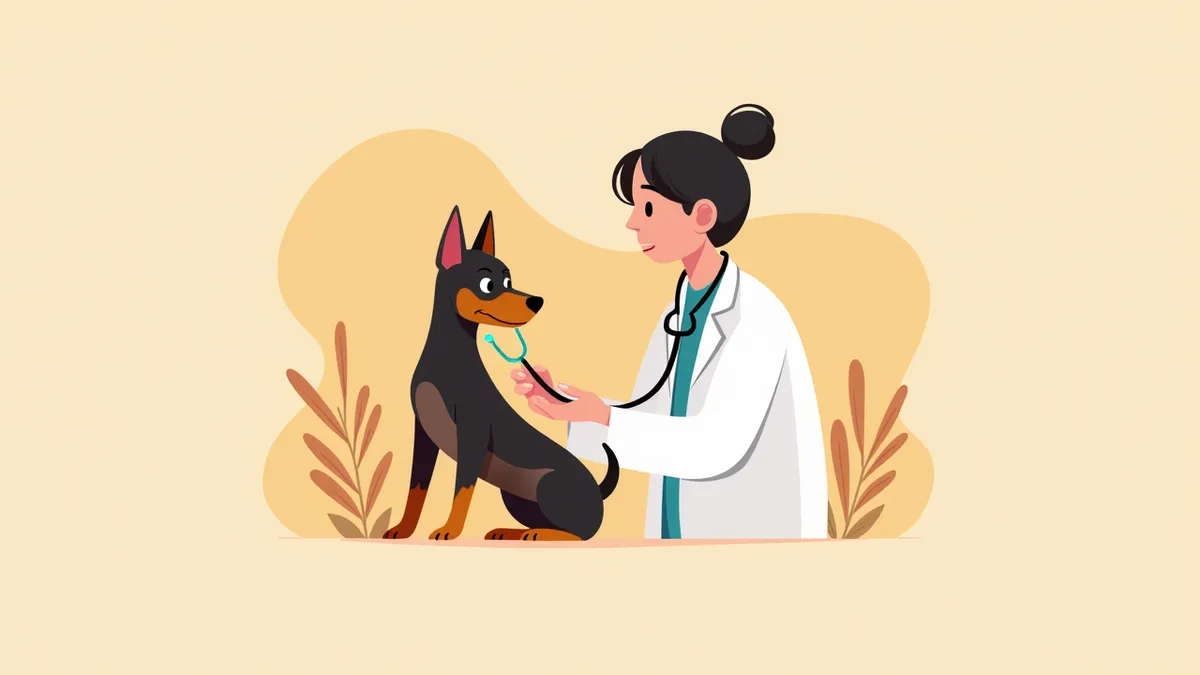
Selection Criteria: Tips for Choosing a Clinic for Early Screening of Canine Heart Disease

Check 1: Echocardiography and Auscultation Equipment and Examination Techniques

Check 2: Experience with Canine Screening and Understanding of Indications

Check 3: Veterinarian Interpretation Skills, Result Explanation, and Specialist Referral

Checklist for Choosing a Clinic for Early Screening of Canine Heart Disease
| Item | Recommended criteria |
|---|---|
| Equipment | Check whether echocardiography equipment with Doppler function is available |
| Test operation | Operation of breed-specific screening protocols such as DCM in large breeds, and stress-minimizing restraint |
| Interpretation capability | Veterinarian's direct ultrasound interpretation and ability to link with biomarker testing |
| Result interpretation | Clear guidance on follow-up intervals and treatment initiation criteria when abnormal findings are present |
| Cost information | Transparent advance information on the cost of each ultrasound and blood test item |
This is not a table recommending specific products or hospitals, but a reference for when consulting a veterinarian. Always make treatment and testing decisions together with a veterinarian through an examination.
Caution: Always Consult a Veterinarian for Early Screening of Canine Heart Disease
Early screening for heart disease in dogs should not be decided solely by the owner’s judgment. The appropriate timing and frequency of each test vary depending on the dog’s age, breed, and genetic risk factors. A veterinarian should assess the dog’s overall health and then create a customized testing plan. Incorrect timing or frequency of tests can cause unnecessary stress and may even lead to missing important signs. To minimize stress before testing, it is important to conduct the procedures in a quiet environment.
Usage Tips: How to Maximize the Effectiveness of Early Screening Tests

Reviewed by a veterinarian

Dr. Tony — Punnawat Phongkittirak
VeterinarianA veterinarian who majored in veterinary medicine at Khon Kaen University, Thailand, and completed the IVSA program at North Carolina State University in the United States. Drawing on clinical experience at animal hospitals, he works in the pet healthcare field and is dedicated to building a digital care environment that connects pet parents with veterinarians.
Reviewed 2026-06-03
Frequently Asked Questions
When should early screening for heart disease in dogs begin?
Does an echocardiogram cause pain in dogs?
Does a high proBNP test result always mean there’s a disease?
Aren't regular checkups expensive?
What should I do if my dog is afraid of exams?
Share
Related Guides

Coenzyme Q10 Benefits and Administration Guide

Dog Pulmonary Edema Warning — 7 Best Diuretics (Furosemide) for Heart Management

7 Best Prescription Diets for Feline Heart Disease Recommended by Veterinarians — Criteria for Choosing Low-Sodium Food

7 Best Feline Bile Acid Testing and Management Items Recommended by Veterinarians

7 Key Signs for Managing Feline Autoimmune Hepatitis, as Selected by Veterinarians

7 Best Management Tips for Feline Ascites and Liver Disease Recommended by Veterinarians

7 Key Points for Assessing Canine Kidney Function via Urine Specific Gravity from a Veterinarian
7 Emergency Signs and Management Tips for Canine Ureteral Stones and Obstruction Recommended by Veterinarians
5 Checkpoints for Dog Kidney Ultrasound Recommended by Veterinarians — Findings, Cost, and Timing

Top Recommendations and Selection Criteria for Managing Canine Kidney Tumors
References
[1] Freid KJ, Freeman LM, Rush JE, et al. (2020) Retrospective study of dilated cardiomyopathy in dogs. Journal of Veterinary Internal Medicine, 35(1), 58–67.
[2] Mattin MJ, Boswood A, Church DB, et al. (2015) Prevalence of and risk factors for degenerative mitral valve disease in dogs. Journal of Veterinary Internal Medicine, 29(3), 847–854.
[3] MEURS KM. (2010) Genetics of Cardiac Disease in the Small Animal Patient. Veterinary Clinics of North America: Small Animal Practice, 40(4), 701–715.