Like
Share
멍실장
강아지 배뇨 곤란(스트레인거리아) 관리 추천 BEST와 고르는 기준 총정리

Top Recommended Products and Selection Criteria for Managing Difficulty Urinating (Stranguria) in Dogs

UrinaryTop PicksMeongsiljang Veterinary Advisory Board

Difficulty urinating in dogs can be painful and even dangerous. Choosing the right management products and methods is essential.

Difficulty Urinating (Stranguria) in Dogs Is an Important Signal of Urinary Tract Health
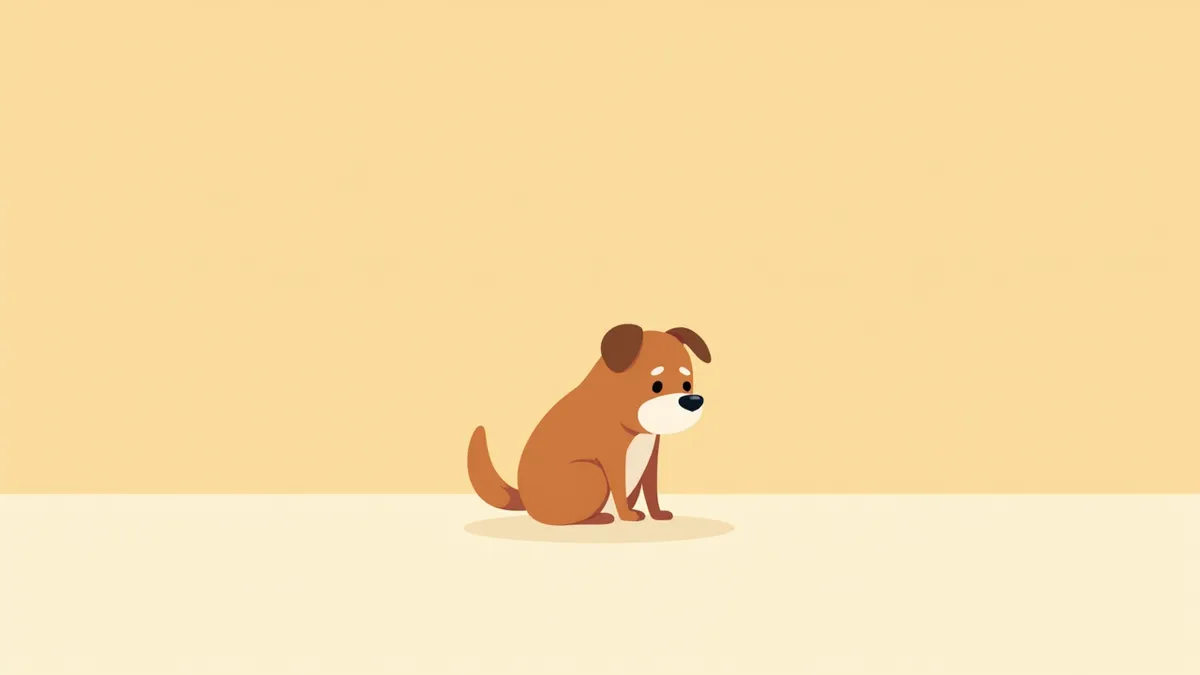
A puppy showing discomfort by assuming an awkward posture due to difficulty urinating.
Difficulty urinating in dogs is a condition where they struggle to pass urine due to lower urinary tract diseases or abnormalities in the nerves controlling the urinary system. This can manifest as frequent urination, pain or straining during urination, and blood in the urine. Male dogs, in particular, are at risk of urinary tract (urethral) obstruction caused by urethral stones, making early detection crucial. To support urinary tract health, ensuring adequate water intake and providing appropriate food can be helpful. Since stones can form anywhere in the urinary tract, from the kidneys to the urethra, regular observation is necessary. If symptoms of difficulty urinating appear, a veterinarian’s diagnosis through urine tests and cultures is required, and supplements should only be considered if recommended by a clinic. Early intervention is key to preventing severe complications such as urinary tract obstruction.

Key Criteria for Choosing Products to Manage Difficulty Urinating in Dogs

When choosing a product to help manage difficulty urinating, it’s important to verify both the safety of its ingredients and the scientific evidence supporting its benefits for urinary tract health. It’s best to prioritize products recommended by veterinarians. Since the effectiveness of supplements can vary greatly from pet to pet and is often not clearly proven in standard veterinary literature, you should consult with your vet before deciding whether to use them. While some commercial products include ingredients like probiotics, anti-inflammatory agents, or diuretics, their effects should be backed by solid scientific evidence, and you should avoid having unrealistic expectations. Additionally, over-the-counter products may vary significantly in quality and ingredient concentrations, so it’s wise to also consider the manufacturer’s reputation and how clearly the ingredients are listed. Taking all these factors into account is key to making an informed decision.
A bowl filled with urinary tract health supplements for dogs, set against a natural background.

BEST 1: Probiotics Urinary Health Capsules
This product is primarily formulated with probiotics. Probiotics are live microorganisms known to help regulate intestinal immune function, support epithelial cell homeostasis, and block the activity of pathogenic bacteria. However, these benefits have mainly been documented in relation to the gastrointestinal tract, and there is currently insufficient evidence to support a direct effect on urinary tract health. Additionally, over-the-counter products can vary widely in their specific bacterial strains and colony-forming unit (CFU) counts, which may affect their reliability; therefore, it is advisable to choose products from reputable manufacturers. For dogs with chronic urinary tract discomfort, please consult your veterinarian before use, and any long-term application should be evaluated by a vet to ensure both efficacy and safety.
Probiotic capsules for canine urinary tract health

BEST 2: Glucosamine + Magnesium Urinary Protector

This product contains glucosamine and magnesium. However, veterinary textbooks do not clearly support the claim that these ingredients help maintain the structure of the urinary tract mucosa, regulate calcium metabolism, or prevent stone formation. Stones can form anywhere along the urinary tract, from the kidneys to the urethra, and bladder stones in particular can cause lower urinary tract inflammation symptoms such as hematuria, frequent urination, and straining during urination. Therefore, it is important to confirm whether stones are present and how to manage them through veterinary diagnostics, including imaging and urinalysis. Rather than making definitive claims about this product’s efficacy, it should be viewed only as a supplementary aid, and you must consult your veterinarian to determine the safety and necessity of long-term use.
A glucosamine and magnesium-containing product for canine urinary tract support

BEST 3: Natural Herb Urinary Clearing Tea
This product is a blend of natural herbs, including burdock, chamomile, and lemongrass. However, there is insufficient evidence in veterinary textbooks to support claims that these herbs promote urination, cleanse the urinary tract, or provide anti-inflammatory and calming effects. Even natural ingredients can cause digestive issues, such as diarrhea, if overdosed, so caution is advised. Most importantly, difficulty urinating can stem from various causes, including cystitis, uroliths, tumors, or prostate disease. Therefore, accurate diagnosis should take precedence over masking symptoms with herbal products. If your pet is experiencing acute symptoms or you are considering long-term use, do not administer the product without first consulting your veterinarian.
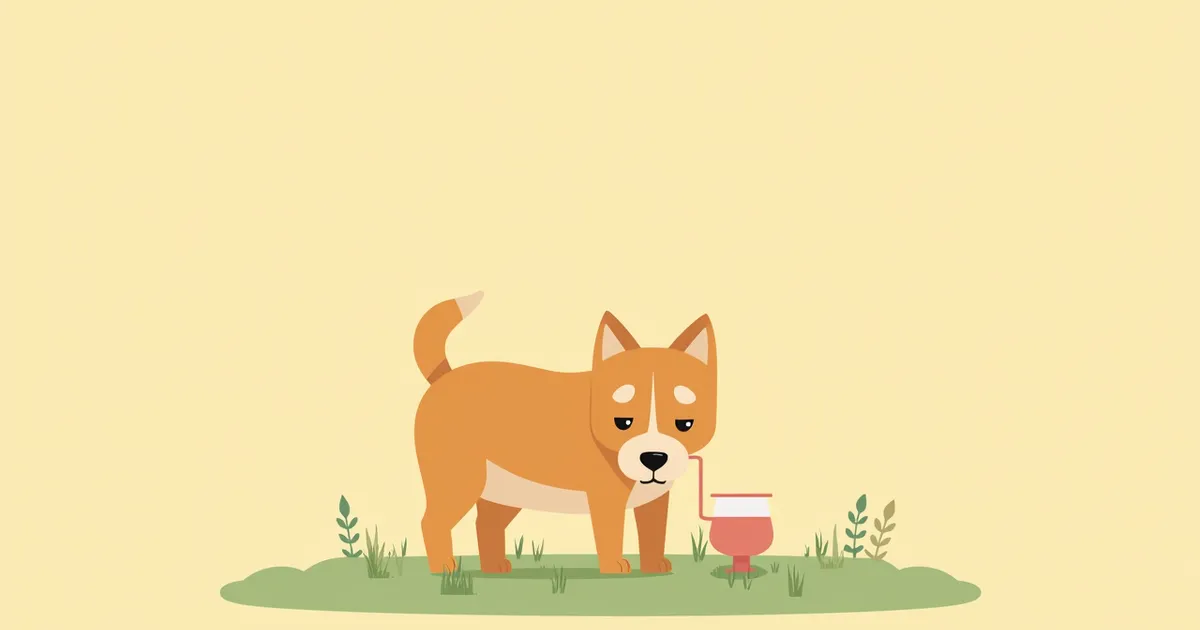
A puppy trying to drink natural herbal urinary clearing tea.

Comparison Table of BEST 1–3 Products

ItemBEST 1 (Probiotics)BEST 2 (Glucosamine + magnesium)BEST 3 (Herbal tea)
Main ingredientsLactic acid bacteria, probioticsGlucosamine, magnesiumBurdock, chamomile, lemongrass
Main effectsPossible help with intestinal immune regulation; evidence for urinary tract effects is lackingEvidence for urinary tract mucosa and calcium-related effects is lackingEvidence for urine excretion and anti-inflammatory effects is lacking
Administration method1 capsule/day1 capsule/dayDissolved in water, once/day
Recommended timingChronic urinary discomfort, use after veterinary consultationSenior dogs, post-stone cases, use after veterinary consultationRelief of acute symptoms, use after veterinary consultation
Possibility of side effectsVery low (individual reactions vary)Low (observation needed with long-term use)Low (diarrhea possible with overdose)

Because scientific evidence for the efficacy is limited, it is recommended to decide on administration after consulting a veterinarian.

Caution: Immediate Veterinary Visit Required If Difficulty Urinating Worsens

If your dog is unable to urinate for more than 30 minutes, appears to be in distress while sitting, or produces no urine at all, seek veterinary care immediately. These symptoms may indicate a urinary tract (urethral) obstruction, which is a medical emergency requiring prompt intervention. Because urinary obstructions must be ruled out and treated quickly, timely diagnosis and treatment by a veterinarian can be life-saving.

Tips for Managing Difficulty Urinating in Dogs
To help prevent urinary difficulties in daily life, it’s important to establish the following habits. Place water bowls in multiple locations and vary the taste of the water to encourage drinking. Take your pet for walks every two to three hours to stimulate elimination. Regularly monitor the color, odor, and frequency of urination. Reduce stress by providing a quiet environment, and keep track of urinary tract health through routine veterinary checkups. All these efforts can contribute to the early detection and prevention of urinary tract diseases.
A puppy drinking water from a fountain.

Reviewed by a veterinarian

Dr. Tony — Punnawat Phongkittirak

Dr. Tony — Punnawat Phongkittirak

Veterinarian

A veterinarian who majored in veterinary medicine at Khon Kaen University, Thailand, and completed the IVSA program at North Carolina State University in the United States. Drawing on clinical experience at animal hospitals, he works in the pet healthcare field and is dedicated to building a digital care environment that connects pet parents with veterinarians.

Frequently Asked Questions

When should you take your dog to the vet for difficulty urinating?
If your pet is unable to urinate, appears to be in pain while sitting, or shows persistent signs of discomfort, seek veterinary care immediately. These symptoms could indicate a urinary tract obstruction, making prompt diagnosis essential.
How many times a day should the supplement be given?
Administer according to the product instructions and your veterinarian’s directions. While the typical dosage is once daily, individual variations exist, so avoid overdosing.
Are natural herbal products safe?
Generally safe, but an overdose may cause diarrhea or gastrointestinal discomfort. Start with a small dose the first time and monitor your pet closely.
Can difficulty urinating be prevented?
Increasing water intake, regular walks, and routine check-ups can help maintain urinary tract health, and early detection is key. However, complete prevention may be challenging.
Will giving supplements make my pet urinate more frequently?
It depends on the ingredients. While some may have a mild diuretic effect, most are designed to support urinary tract health and do not guarantee an increase in urination frequency.

Share

Related Guides

References

[1] Warman, S. (2023). The dog with signs of cystitis or haematuria. In 100 Top Consultations in Small Animal General Practice, 4th ed.

[2] Braun, U., & Schmied, H. (2022). Clinical Medicine of the Dog and Cat, 4th ed. Elsevier.

[3] Hill, P. (2021). The Dog Care Handbook, Things I Wish My Vet Had Told Me. Penguin Books.

This information is based on veterinary literature and does not replace diagnosis or treatment. Please consult a veterinarian for specific health concerns.

Metapet Co., Ltd. | CEO: Park Sung-yong | Business Reg. No. 417-88-02562 | Seoul, South Korea | Customer Center

Dog Straining to Urinate (Stranguria): Best Treatments & How to Choose | Meongsiljang