Like
Share
멍실장
고양이 임신·수유 관련 호르몬 이상 관리 추천 BEST와 고르는 기준 총정리

7 Key Strategies for Managing Hormonal Imbalances in Pregnant and Lactating Cats, as Recommended by Veterinarians

EndocrineTop PicksMeongsiljang Veterinary Advisory Board

Hormonal imbalances during pregnancy and lactation in cats can significantly impact fetal development and milk production. Proper care and product selection are essential.

Hormonal Imbalances During Pregnancy and Lactation in Cats Can Cause These Problems

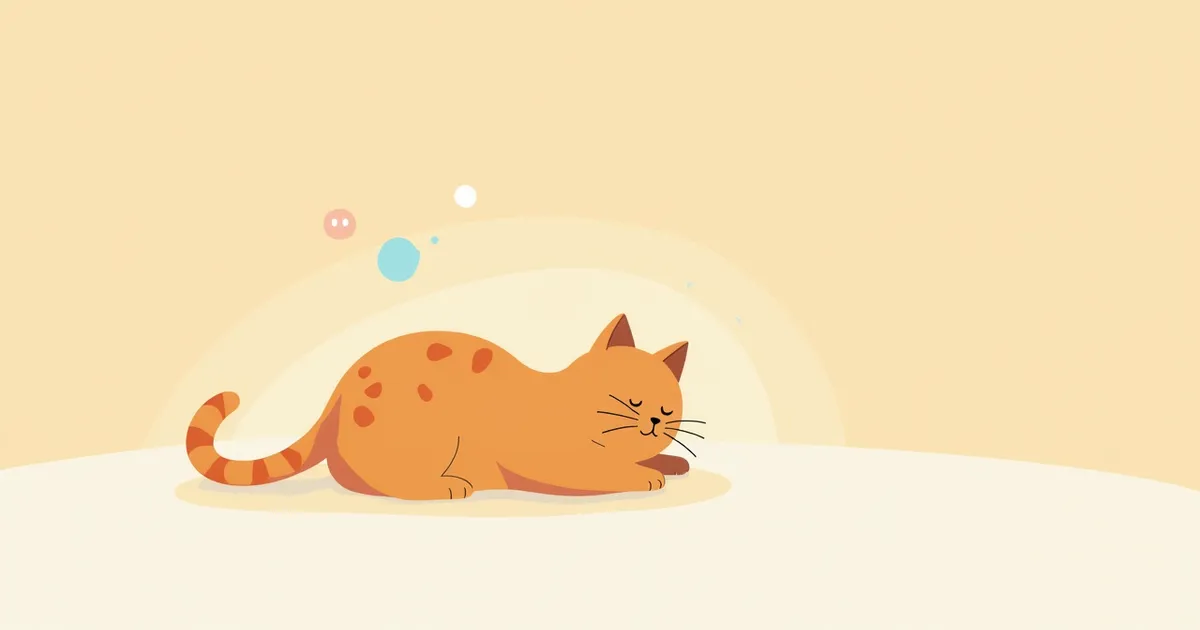
A pregnant cat is lying on a warm bed, with a soft glow surrounding her belly.
During pregnancy and lactation, cats experience significant hormonal changes. If this balance is disrupted, it can affect the maintenance of pregnancy and nursing. - Progesterone Deficiency: Progesterone is a hormone essential for maintaining pregnancy, remaining elevated throughout gestation and only dropping right before delivery. If levels drop abnormally early, the risk of pregnancy loss (miscarriage) increases. - Postpartum and Lactation Issues: During lactation, postpartum problems such as mastitis (inflammation of the mammary glands) or eclampsia (hypocalcemic tetany) may occur, potentially altering milk production or nursing behavior. - Weight and Appetite Changes: The mother may experience weight loss or decreased appetite. Since the causes can vary, accurate diagnosis is necessary rather than relying on speculation. - Stress Management: Environmental stress can impact recovery and nursing, so providing a quiet and stable environment is recommended. The most important thing is to detect these changes early and manage them together with your veterinarian.

4 Key Criteria to Check When Choosing a Product
When choosing a product to manage hormonal imbalances in pregnant and nursing cats, be sure to check four key criteria. Each factor should be backed by veterinary evidence, with proven safety and efficacy. Since ingredient purity and bioavailability are especially important, prioritize products recommended by professionals.
Ingredient Purity: Products refined from natural ingredients are safer.
Bioavailability: Ingredients in forms that are well-absorbed by the body are more effective.
Veterinarian Recommendation: Products developed based on clinical research are preferable.
Side Effects: Choose products that do not cause allergic reactions or digestive upset.
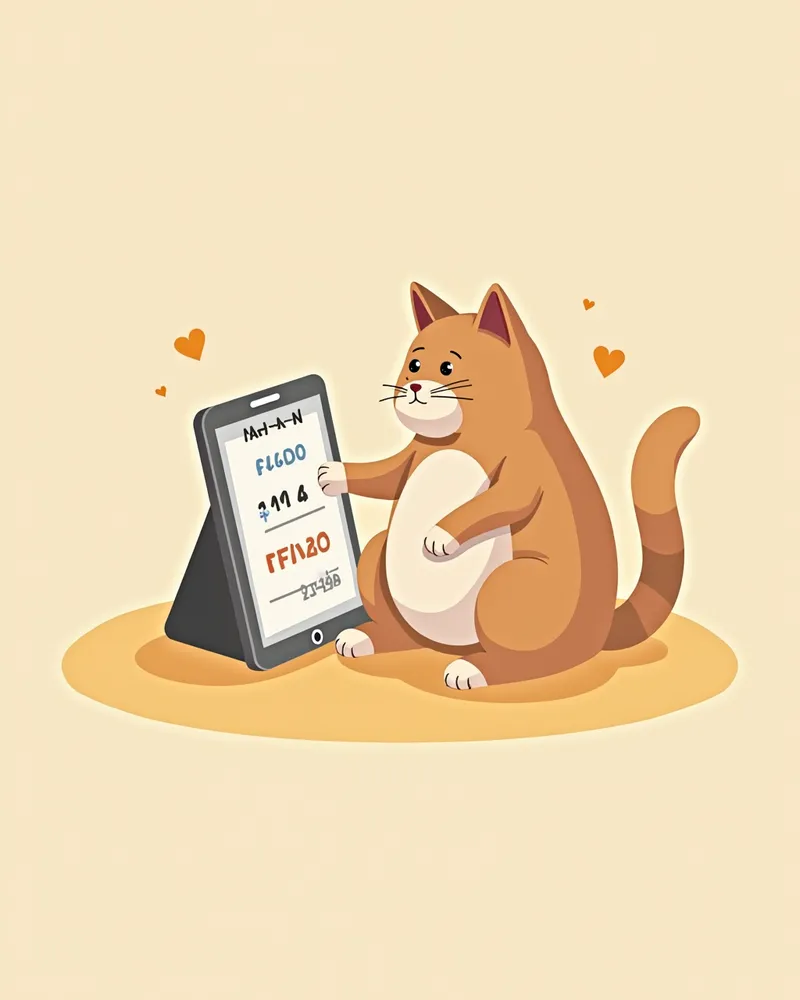
A veterinarian examines a pregnant cat while checking hormone levels on a tablet.

BEST 1: Progesterone Balance Care Pet Food
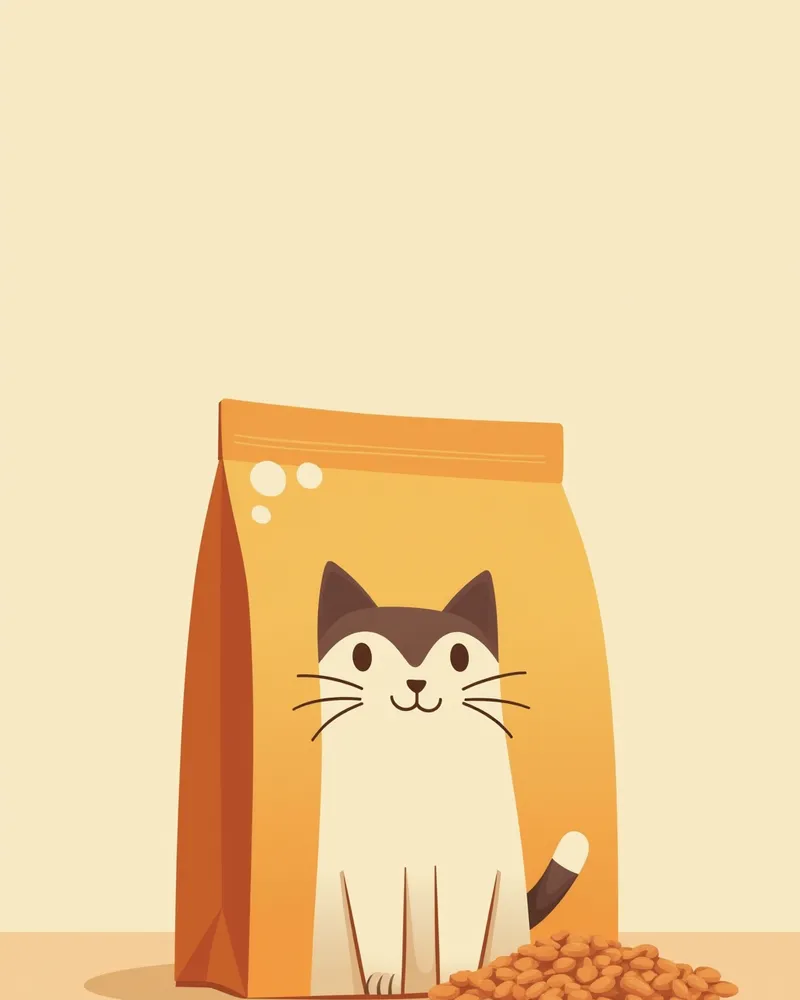
This product is a pet food designed to supplement the nutrition of pregnant cats. However, veterinary textbooks do not support the claim that foods or natural extracts (such as red berries or lutein) “regulate” progesterone during pregnancy or promote milk production. Progesterone is a hormone that naturally remains elevated throughout pregnancy, and when medical regulation is necessary, a veterinarian’s diagnosis and prescription medication—not food—are used. Therefore, use this pet food only as a supplement for balanced nutrition, and always consult your veterinarian to determine whether it is appropriate for your cat’s specific stage of pregnancy.
Nutritional supplementation: May help provide the balanced nutrition needed during pregnancy.
Progesterone is a prescription matter: If hormone regulation is needed, veterinary care—not food—is required.
Weight management: Excessive weight gain should be managed through diet under veterinary guidance.
Digestive comfort: Dietary fiber may help reduce gastrointestinal burden.
A bag of cat food with natural ingredients, showing red berries and flaxseeds.

BEST 2: Lactation Hormone Balance Capsule
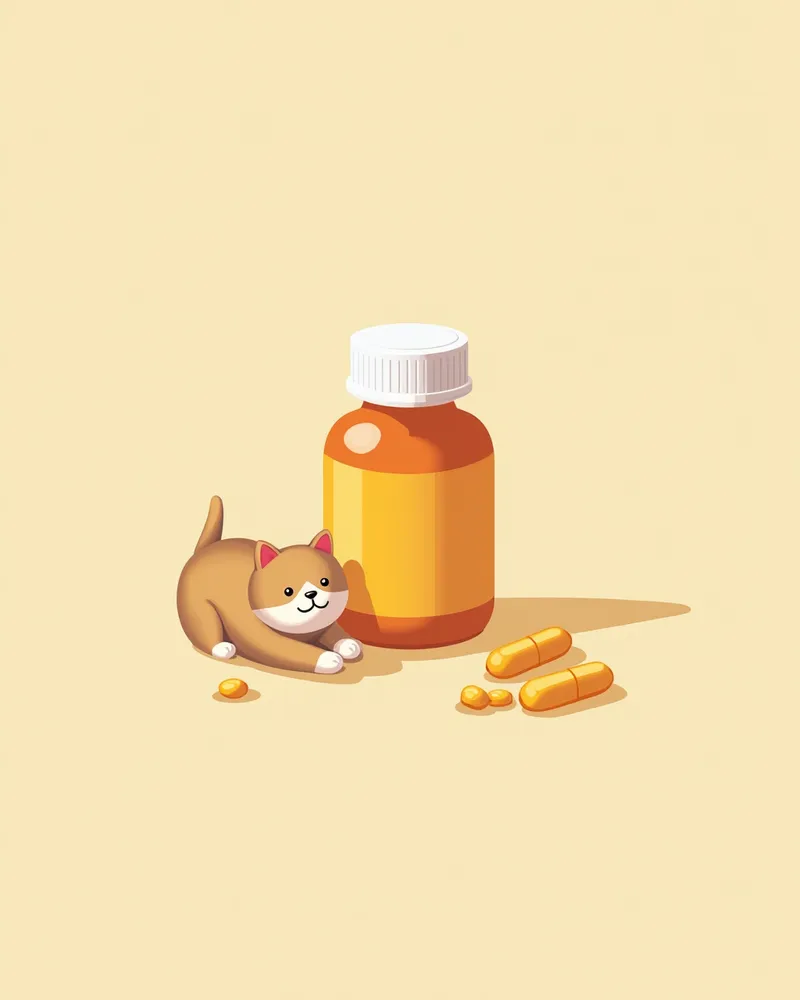
This capsule is marketed as a supplement to support lactation. However, veterinary textbooks do not support the claim that estrogen and progesterone “ratios” can be arbitrarily adjusted with supplements. In reality, ingredients that act on hormones (such as cabergoline, which lowers prolactin, synthetic progestins, and aglepristone) are all prescription-only veterinary drugs. Moreover, it is difficult to definitively claim they have “almost no side effects,” and hormone-affecting ingredients can be dangerous during pregnancy and lactation. Therefore, regardless of the lactation stage, always consult a veterinarian before use to determine whether it is necessary.
Hormone regulation requires a prescription: Adjusting hormone ratios is not a matter of supplementation, but of veterinary diagnosis and prescription.
Identify the cause of lactation issues first: Nursing refusal or insufficient milk production requires diagnosing underlying causes, such as mastitis.
Do not assume safety: Side effects cannot be ruled out.
Consult before use: Always discuss with your veterinarian before starting any treatment.
A small capsule bottle with a cat sitting beside it, bathed in natural light.

BEST 3: Natural Hormone Balance Tea Bag
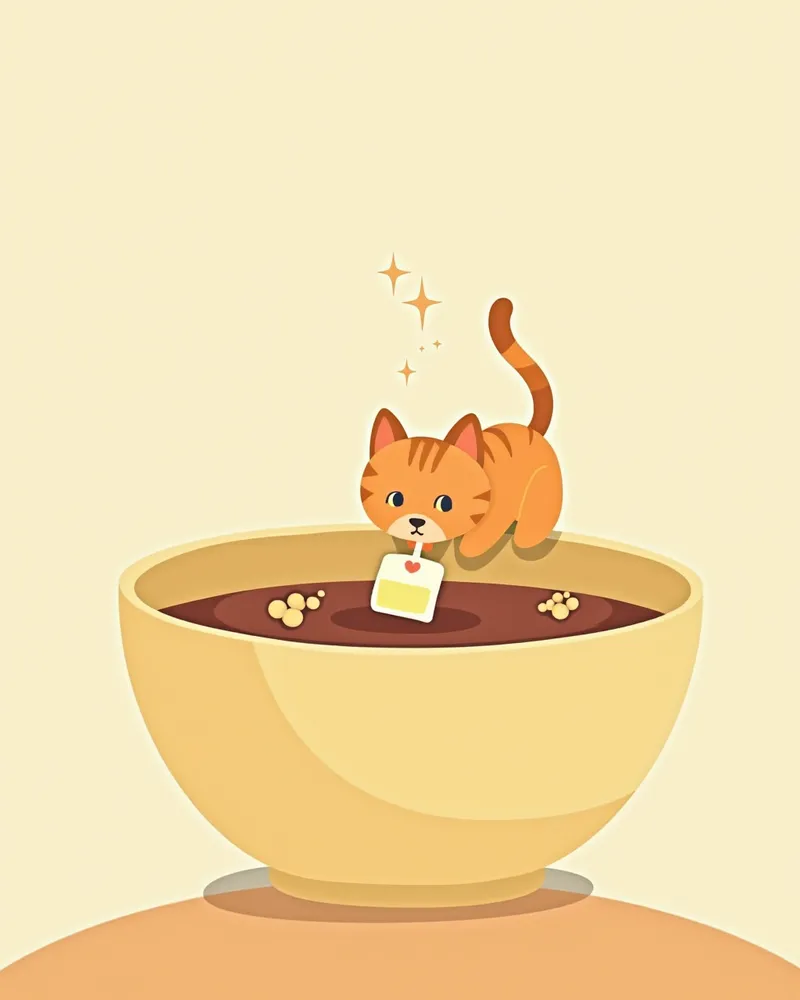
This tea bag is made with natural herbs. Complementary therapies—such as herbs, aromatherapy, and calming supplements—are generally known to provide supportive benefits for reducing stress and promoting emotional stability in cats. However, veterinary textbooks do not support claims that herbs like lavender, peppermint, or lemon balm “regulate hormones” or restore appetite in cats. Additionally, since some plant ingredients may be unsuitable for cats, it is safest to use complementary therapies under the guidance of a veterinarian. If your cat’s appetite has decreased, please have a veterinarian examine them first to identify the underlying cause.
Stress Relief: Complementary therapies may provide supportive benefits for emotional stability.
Hormone Regulation Unproven: The hormone-regulating effects of herbs are not supported by veterinary textbooks.
Loss of Appetite Requires Veterinary Care: Identifying the underlying cause is the priority.
Professional Guidance Needed: Consult your veterinarian before using complementary therapies.
A cat drinking water with a soaked herbal tea bag nearby, bathed in warm sunlight.

Comparison Table of Products BEST 1–3

ItemBEST 1 Progesterone Care Pet FoodBEST 2 Hormone Balance CapsuleBEST 3 Natural Herbal Tea Bag
Main IngredientsRed berry extract, lutein, natural dietary fiberIngredients claiming estrogen regulation, progesterone balancerLavender, mint, lemon balm
EffectBalanced nutritional supplementation (hormone regulation/lactation effects unproven)Nutritional support during lactation (hormone ratio regulation is the domain of prescription medication)Supplementary stress relief (hormone regulation unproven)
Administration MethodMix into daily mealsTake one tablet a daySteep in water and drink
Recommended TimingDecide after consulting a veterinarianDecide after consulting a veterinarianDecide after consulting a veterinarian
Side EffectsVeterinarian confirmation neededVeterinarian confirmation neededVeterinarian confirmation needed

Choose under the guidance of a veterinarian. Hormone regulation is the domain of prescription medication, and during early pregnancy it must only be used after an examination.

Caution: Hormonal Products Require a Veterinarian’s Prescription

Always consult your veterinarian before giving a pregnant or nursing cat any hormonal supplements. Incorrect ingredients or overdoses can cause developmental problems in the kittens or reduce milk production. Hormonal balance is especially delicate during early pregnancy, so professional guidance is essential.

Usage Tips: How to Maximize Effectiveness
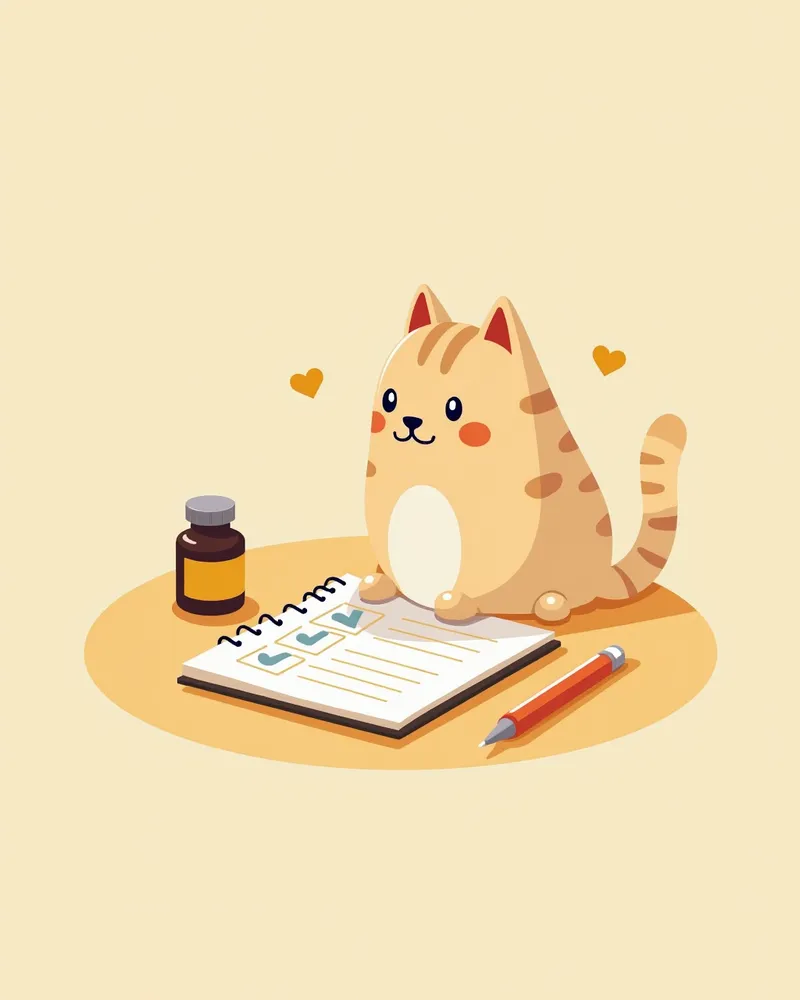
To get the most out of products designed to manage hormonal imbalances during pregnancy and lactation in cats, follow these tips. It’s most important to accurately assess your cat’s condition before starting any product and to consult with your veterinarian. Additionally, closely monitor your cat’s response while using the product.
Veterinary consultation required before use: Choose a product recommended by your veterinarian after they’ve evaluated your cat’s condition.
Maintain a consistent dosing schedule: Administering the product at the same time each day helps ensure more stable results.
Monitor for reactions: Keep track of any changes in appetite, behavior, or abnormalities in urination or defecation.
Be cautious when switching products: When transitioning to a different product, do so gradually.
A cat health record book, a pen, and a supplement bottle are shown, bathed in warm light.

Reviewed by a veterinarian

Dr. Tony — Punnawat Phongkittirak

Dr. Tony — Punnawat Phongkittirak

Veterinarian

A veterinarian who majored in veterinary medicine at Khon Kaen University, Thailand, and completed the IVSA program at North Carolina State University in the United States. Drawing on clinical experience at animal hospitals, he works in the pet healthcare field and is dedicated to building a digital care environment that connects pet parents with veterinarians.

Frequently Asked Questions

Can I give my pet a hormone supplement during early pregnancy?
The early stages of pregnancy are a highly sensitive time due to hormonal changes. Do not use supplements or ingredients that may affect hormones without veterinary guidance; always consult your veterinarian to determine whether they are necessary and when to administer them. It is difficult to generalize a specific week from which such products become safe.
My nursing cat has lost her appetite. Could a supplement help?
A decreased appetite can occur in nursing cats, but the underlying causes vary widely. It’s difficult to determine whether a supplement will be effective, and other issues such as mastitis may be present. Therefore, the first step should be a veterinary examination to identify the cause.
My puppy isn’t getting enough milk from its mother. What products do you recommend?
There are many possible causes of insufficient milk production. Since no specific ingredient has been proven in veterinary textbooks to stimulate lactation, it’s best to consult a veterinarian to identify the underlying cause rather than relying on supplements. Weigh your kittens twice daily, and discuss with your vet whether supplemental feeding with a commercial kitten milk replacer is necessary.
What should I do if my pet accidentally ingests the product?
In case of an overdose, symptoms such as vomiting, diarrhea, and restlessness may occur. Contact your veterinarian immediately and provide them with the product label and dosage information.
Can I use the same product for all cats?
Not every product is suitable for all cats. Because the right choice depends on your cat’s weight, overall health, and stage of pregnancy, it’s important to consult with your veterinarian.

Share

Related Guides

References

[1] The Cat, Clinical Medicine and Management, 2nd Edition, 2023

[2] Feline Emergency and Critical Care Medicine, 2nd Ed, 2022

[3] A Professional’s Guide to Feline Behaviour, 2021

This information is based on veterinary literature and does not replace diagnosis or treatment. Please consult a veterinarian for specific health concerns.

Metapet Co., Ltd. | CEO: Park Sung-yong | Business Reg. No. 417-88-02562 | Seoul, South Korea | Customer Center

7 Vet Strategies to Manage Hormones in Pregnant & Nursing Cats | Meongsiljang