Like
Share
멍실장
강아지 기관지경 검사 관리 추천 BEST와 고르는 기준 총정리

Top Recommendations and Selection Criteria for Managing Bronchoscopy in Dogs

RespiratoryTop PicksMeongsiljang Veterinary Advisory Board

A bronchoscopy is a key diagnostic tool for accurately identifying the cause of chronic coughing or difficulty breathing in dogs. We’ve compiled our top product recommendations and selection criteria to help you manage your dog’s condition effectively.

What Is a Bronchoscopy in Dogs?
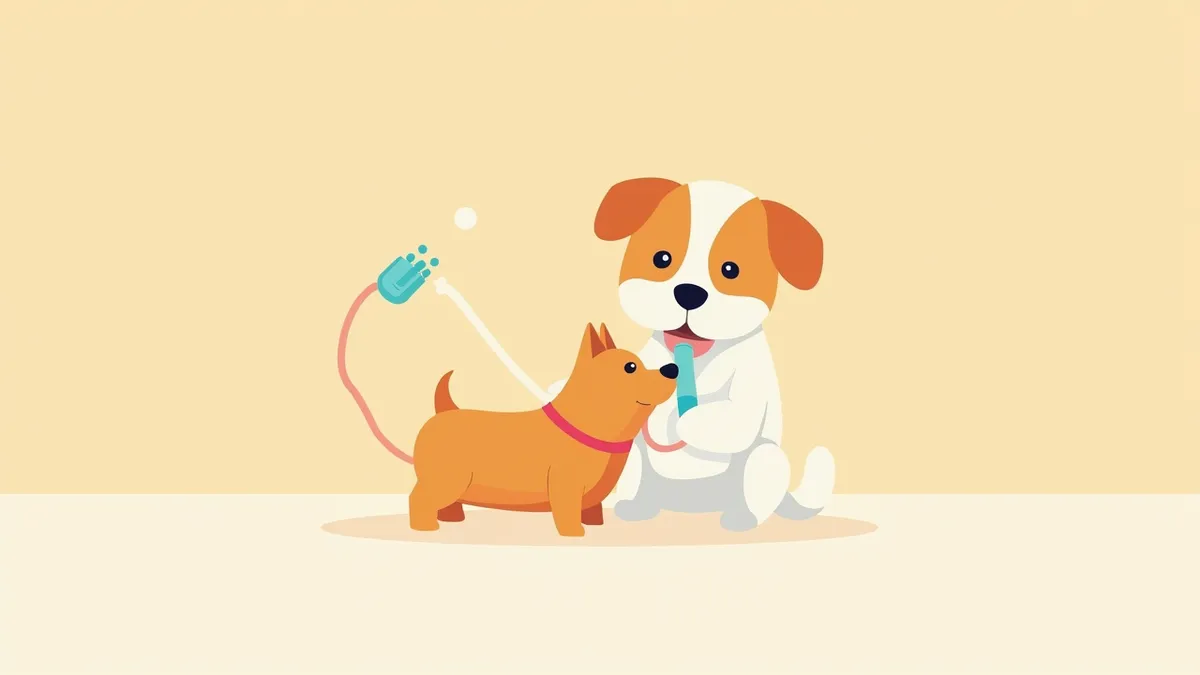
A veterinarian performing a bronchoscopy on a small dog
A bronchoscopy in dogs is a diagnostic procedure that involves inserting a thin endoscope into the airway and bronchi to directly visualize the airway interior. It is considered the gold standard for evaluating airway structure and is typically performed alongside bronchoalveolar lavage (BAL) to collect samples for identifying the underlying cause. This procedure is particularly helpful when your dog has chronic coughing or unexplained difficulty breathing, or when aspiration pneumonia or bronchiectasis is suspected. The examination is conducted under general anesthesia, and it is recommended to perform a laryngeal exam at the start of anesthesia to rule out laryngeal dysfunction as a potential cause. The major advantage of bronchoscopy is that it allows direct visualization of lesions within the airways and enables simultaneous sample collection.

Selection Criteria: Tips for Choosing a Clinic for Bronchoscopy

Proper care after a bronchoscopy significantly impacts both the accuracy of the test results and the speed of recovery. There are key factors to consider for effective management. Carefully reviewing each item will help you make better choices.
Use of antibiotics: If there is a risk of infection during the procedure, your veterinarian may prescribe antibiotics as a preventive measure. Always administer prescribed medications exactly as directed by your veterinarian.
Cough suppressants: If excessive coughing persists due to airway irritation, your veterinarian may consider appropriate medication. Always follow your veterinarian’s instructions when administering these drugs.
Airway-supporting ingredients: Products containing ingredients that aid in the recovery of the bronchial mucosa can be used in appropriate cases after consulting with your veterinarian.
Dietary adjustments: Appetite may temporarily decrease after the procedure. Switching to soft, easily digestible food can be helpful; please consult your veterinarian for appropriate dietary management.
Three types of dog health supplements: capsules, powders, and liquids

Check 1: Availability of Pediatric Flexible Bronchoscope and Anesthesia Monitoring

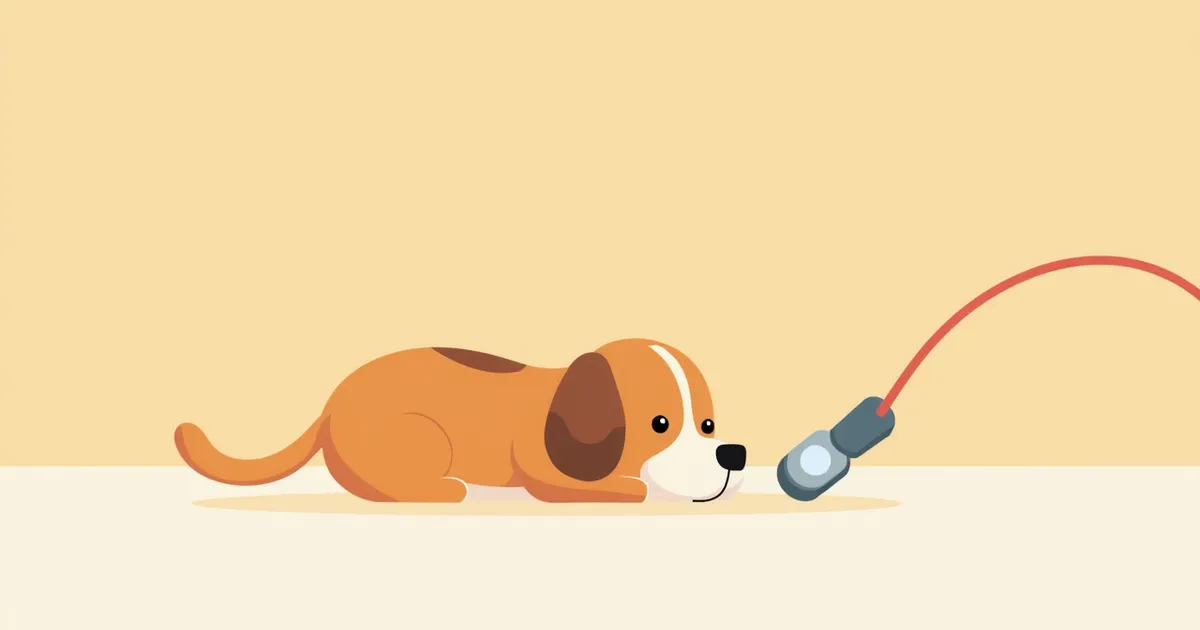
Bronchoscopy involves inserting a thin endoscope into the airway to directly visualize the interior and collect samples. Because dogs have small airways, this procedure requires a pediatric flexible bronchoscope and skilled anesthesia. General anesthesia is necessary throughout the exam, so choose a clinic equipped with monitoring devices to track respiration and oxygen saturation (SpO2) during anesthesia, as well as an emergency response system. It is also recommended to perform a laryngeal examination at the start of anesthesia to rule out laryngeal dysfunction as a cause, so opt for a facility with an experienced team.
Premium Bronchial Health Capsule Product Bottle

Check 2: Concurrent Lavage, Cell Analysis, and Culture Based on Indications

Bronchoscopy is helpful when your pet has chronic coughing, suspected asthma, inhaled foreign objects, or unexplained breathing difficulties. It’s not just about looking inside; by performing bronchoalveolar lavage (BAL) to collect samples for cell analysis and bacterial culture, we can pinpoint the cause more accurately. Choose a clinic that offers these tests and integrates them with imaging like chest X-rays or CT scans for a comprehensive diagnosis. Also, make sure the clinic evaluates anesthesia risks before the procedure.
Natural ingredient bronchial protection powder product and spoon

Check 3: Respiratory Experience and Comprehensive Interpretation
Bronchoscopy images and lavage results should be interpreted by a veterinarian with extensive respiratory care experience to ensure accuracy. It’s best to choose a clinic that can differentiate between asthma, infection, or foreign body aspiration by integrating visual findings and test results, and then guide you on appropriate treatment and environmental management. If the clinic also clearly explains post-procedure recovery care and outlines the next steps so you fully understand them, you can confidently entrust your pet’s care to them.
Liquid bronchial health supplement bottle and dropper

Checklist for Choosing a Clinic for Bronchoscopy

ItemRecommended Criteria
EquipmentA facility equipped with a flexible bronchoscope for small animals and anesthesia monitoring·emergency systems
Test OperationA facility that combines bronchoalveolar lavage (BAL)·cytology·culture with imaging tests
Interpretation CapabilityA veterinarian with extensive respiratory care experience who accurately interprets findings
Result InterpretationA facility that provides treatment·environmental management and a recovery plan suited to the cause
Cost GuidanceA facility that informs you in advance of expected costs before testing and the possibility of anesthesia·additional tests

This is not a table recommending specific products or hospitals, but a reference standard for when you consult a veterinarian. Treatment and testing decisions must be made together with a veterinarian through examination.

Precautions: Prohibited Items After Bronchoscopy

After a bronchoscopy, it is important to let your dog rest until they have fully recovered from anesthesia and to minimize any irritation to the airways. During recovery, reduce stimuli that could cause excitement or coughing, such as strenuous outdoor activity or exposure to loud noises. Whether and when to offer food and water after the procedure should be determined by your veterinarian based on your dog’s recovery from anesthesia. Medications must be administered exactly as prescribed by your veterinarian; do not adjust the dosage on your own, as this can lead to adverse effects.

Usage Tips: Post-Bronchoscopy Care Checklist
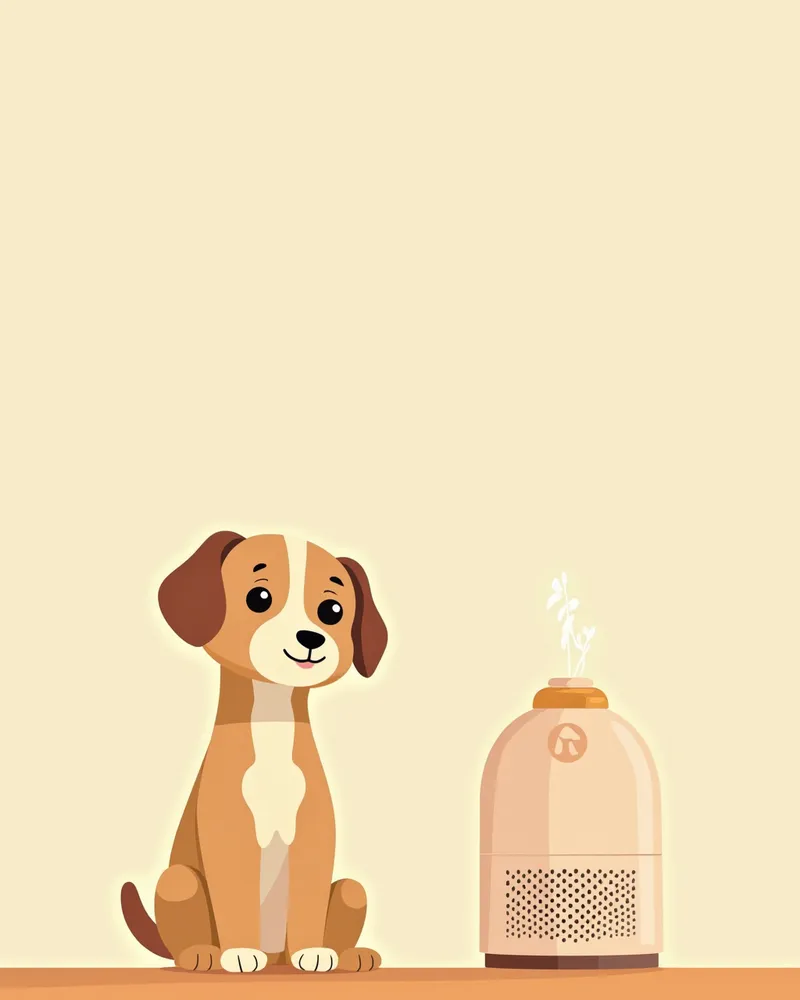
Care after a bronchoscopy goes beyond simply administering medication; daily management is equally important. You can use the following checklist as a guide.
Indoor air quality management: Maintain humidity levels between 50% and 60%. Instead of opening windows for ventilation, use an air purifier.
Dietary adjustments: If your pet’s appetite decreases after the procedure, switch to a softer food. Consult your veterinarian before offering any treats.
Noise reduction: Minimize loud sounds from TVs, music, or people.
Adequate rest time: Ensure your pet rests in a quiet environment for at least 18 hours a day.
Cough monitoring: If coughing persists or recurs, consult your veterinarian. Rather than focusing on specific frequency thresholds, prioritize closely observing any changes in your pet’s condition.
A puppy sitting next to a humidifier and an air purifier

Reviewed by a veterinarian

Dr. Tony — Punnawat Phongkittirak

Dr. Tony — Punnawat Phongkittirak

Veterinarian

A veterinarian who majored in veterinary medicine at Khon Kaen University, Thailand, and completed the IVSA program at North Carolina State University in the United States. Drawing on clinical experience at animal hospitals, he works in the pet healthcare field and is dedicated to building a digital care environment that connects pet parents with veterinarians.

Frequently Asked Questions

What should I do if my pet’s cough worsens after a bronchoscopy?
After the examination, your pet’s cough may temporarily worsen. If the cough persists or becomes more severe, please consult your veterinarian. Your careful observation and record-keeping can help guide treatment decisions.
Can I skip giving my pet medication after the check-up?
It’s important to give your pet any medication prescribed by your veterinarian. Skipping doses can delay recovery or increase the risk of complications, so please follow the instructions carefully.
Can I stop the medication once the coughing goes away?
Always consult your veterinarian before stopping any medication. Stopping treatment too early can increase the risk of symptoms returning, so it’s safest to confirm whether your pet should continue taking the medication until the full course of treatment is complete.
Can it be taken together with other supplements?
Because this supplement may interact with other products, please consult your veterinarian before use to ensure it’s safe to combine.
When can my pet return to its normal routine after the examination?
You can gradually resume normal activities once your dog has fully recovered from anesthesia and their airway function has returned to normal. Since recovery times vary depending on your dog's condition, please follow your veterinarian's guidance.

Share

Related Guides

References

[1] Lynelle R. Johnson, DVM, MS, PhD, Dipl ACVIM (SAIM). Small Animal Critical Care Medicine, 3rd Ed. 2023.

[2] Canine and Feline Respiratory Medicine, 3rd Edition. Elsevier, 2022.

[3] Textbook of Respiratory Disease in Dogs and Cats. Wiley-Blackwell, 2021.

This information is based on veterinary literature and does not replace diagnosis or treatment. Please consult a veterinarian for specific health concerns.

Metapet Co., Ltd. | CEO: Park Sung-yong | Business Reg. No. 417-88-02562 | Seoul, South Korea | Customer Center

Best Dog Bronchoscopy: Top Recommendations and Selection Criteria | Meongsiljang