Like
Share
멍실장
고양이 수신증 관리 추천 BEST와 고르는 기준 총정리

Best Recommendations and Selection Criteria for Managing Feline Hydronephrosis

UrinaryTop PicksMeongsiljang Veterinary Advisory Board

Feline hydronephrosis is a condition in which fluid accumulates in the kidneys, making early detection and proper management crucial. With tailored care products and methods, you can improve your cat’s quality of life.

Feline hydronephrosis is a condition in which fluid accumulates in the kidneys
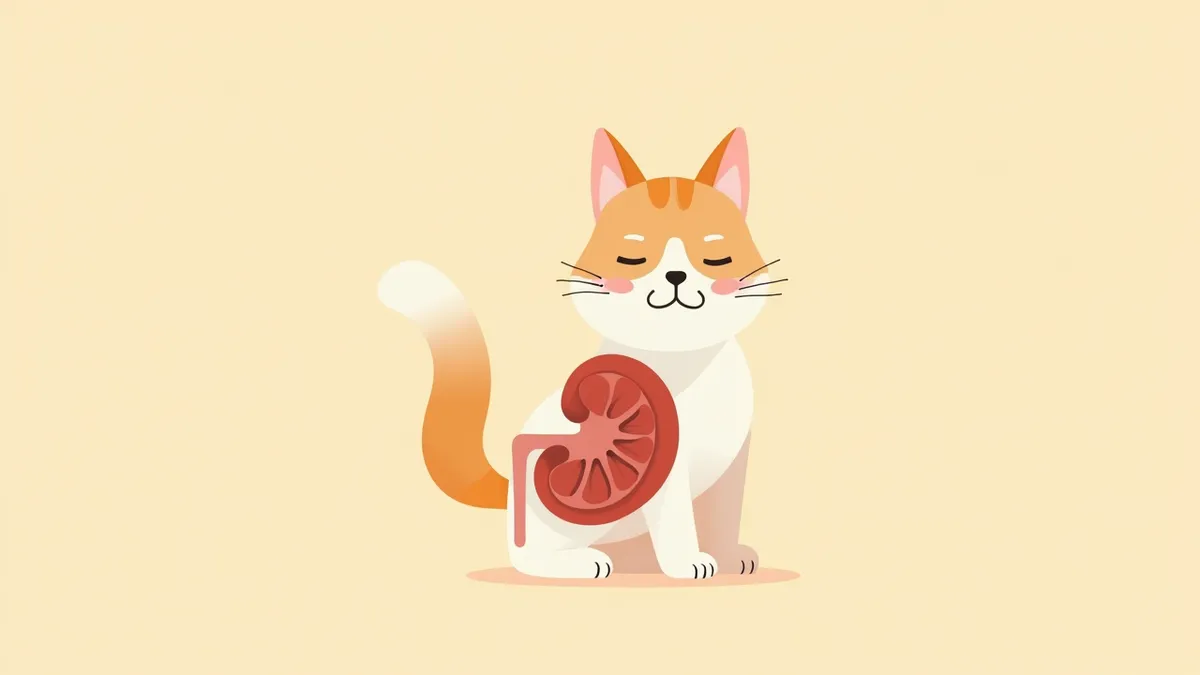
An anatomical illustration showing hydronephrosis, a condition in which fluid accumulates in the kidneys of cats.
Feline hydronephrosis occurs when the urinary tract becomes blocked, preventing urine from draining and causing it to back up into the kidneys, which can lead to pain and a decline in kidney function. Early detection is crucial, making regular veterinary check-ups and consistent care essential. Increasing water intake is a key component of management. For cats that eat little or don’t drink enough water, you might consider using supplements like subcutaneous fluids or tools such as water fountains. However, any increase in fluid intake should be done under veterinary guidance to ensure the right amount and method, as cats are particularly sensitive to fluid overload, and excessive intake can cause adverse effects. Working with your veterinarian to create a personalized care plan is the safest and most effective approach.

There are four key factors to consider when choosing a product
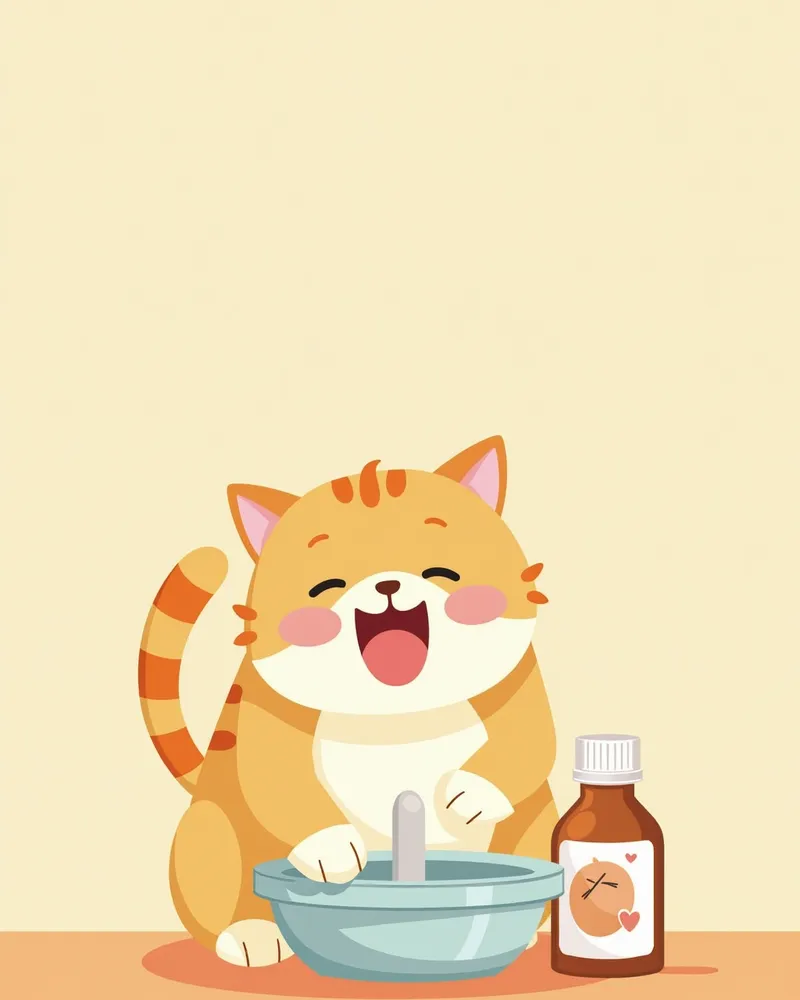
When choosing a product to manage feline hydronephrosis, be sure to check these four key factors: - Hydration support: The product should have high moisture content and be in a form that cats can consume naturally. - Kidney-supporting ingredients: It should contain components that aid kidney function, such as omega-3 fatty acids and antioxidants. - Palatability and form: The taste and texture are crucial, as they determine whether the cat will accept the product and continue eating it long-term. - Veterinary recommendation: For safety, choose products recommended by veterinarians or backed by clinical research. Selecting a product that fits your cat’s specific condition based on these criteria is the key to effective management.
A cat drinking from a water fountain, with a hydronephrosis management supplement placed beside it.

BEST 1: Oral rehydration solution for cats to supplement fluid intake
This product is an oral rehydration solution designed to help supplement your cat’s fluid intake. It can be used to support hydration when your cat isn’t drinking enough water or eating less than usual, but it should be administered at the appropriate dose and frequency as recommended by your veterinarian. While some formulations may contain ingredients like omega-3 fatty acids and antioxidants that could potentially stress the kidneys, you must always consult your vet before use. Excessive fluid intake can lead to heart strain or electrolyte imbalances. Although this solution can serve as a supplementary source of hydration for cats with reduced food intake, veterinary monitoring is essential even with long-term use.
A photo of a cat drinking a hydration supplement

BEST 2: Cat food with kidney-supporting ingredients
This food features a nutritional profile designed to support kidney health, including reduced protein and phosphorus levels, omega-3 fatty acids, and antioxidants. It meets the nutritional guidelines set by IRIS for cats with chronic kidney disease in stages 1 and 2, making it suitable for long-term management. Omega-3 fatty acids can help reduce kidney inflammation and protect kidney function, while the food’s texture and flavor have been carefully crafted to encourage consistent, long-term consumption. However, it is important to monitor your cat’s appetite and weight changes closely and consult with your veterinarian to determine whether this diet is appropriate for your pet.
A cat eating kidney-supportive food.

BEST 3: Water fountain to encourage hydration in cats
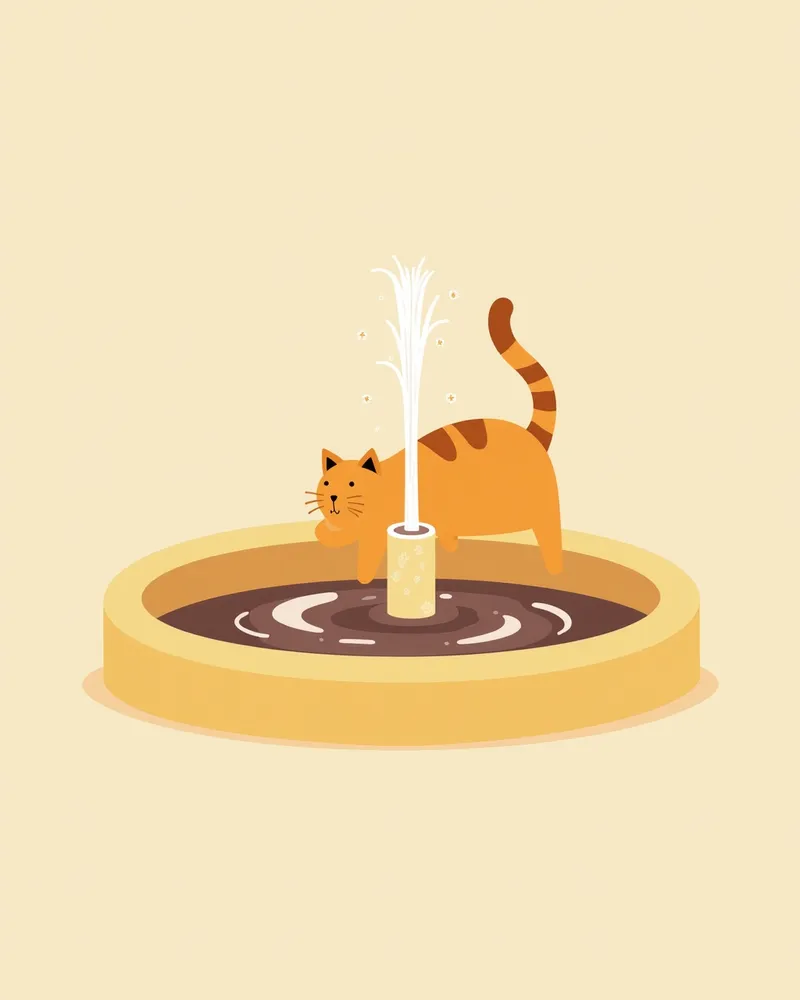
This water fountain is designed to naturally encourage your cat to drink more water. The flowing water stimulates their instincts, helping them consume more than they usually would. Increasing water intake can support kidney health, making this product a helpful option for cats that don’t drink enough water. However, it’s difficult to assume that a water fountain alone will always meet their hydration needs, so please monitor their actual water consumption. With its quiet operation and easy-to-clean design, daily maintenance is convenient. The stylish design not only appeals to cats but also complements your home decor. This product is especially beneficial for cats that tend to drink less water.
A modern cat water fountain that provides flowing water for drinking

Comparison table of BEST 1–3 products

ItemMain IngredientsAdvantagesRecommended For
Hydration-Replenishing FluidWater, omega-3, antioxidantsHelps supplement water intake when used appropriately according to veterinary instructionsCats with insufficient water intake or low food intake
Kidney-Protective FoodOmega-3, antioxidants, low protein, low phosphorusLong-term kidney function protection and anti-inflammatory effectCats with chronic kidney disease stage 1–2
Hydration-Enhancing Water FountainWater flow, low-noise designPromotes drinking by inducing the cat's instinctive response to flowing waterCats that have difficulty drinking water or have no water-drinking habit

A customized choice is needed through veterinary diagnosis and consultation.

Excessive fluid intake is dangerous

Hydration supplements should be used under a veterinarian’s guidance. Excessive fluid intake can strain the heart or cause electrolyte imbalances. This is especially important for cats with heart disease or kidney failure. Always consult your vet before use.

Usage tip: Closely monitor your cat’s response

Once you start using a care product, it’s important to closely monitor your cat’s response. Keep track of changes in water intake, bathroom habits, and activity levels. If you notice any unusual signs, consult your veterinarian right away. It’s also safest to get your vet’s advice before switching products. Consistent care and monitoring are key to success. Since your cat’s condition can change over time, regular check-ins are essential. Stay in touch with your vet so you can adjust the care plan as needed.
A diary to record your cat's water intake and behavior.

Reviewed by a veterinarian

Dr. Tony — Punnawat Phongkittirak

Dr. Tony — Punnawat Phongkittirak

Veterinarian

A veterinarian who majored in veterinary medicine at Khon Kaen University, Thailand, and completed the IVSA program at North Carolina State University in the United States. Drawing on clinical experience at animal hospitals, he works in the pet healthcare field and is dedicated to building a digital care environment that connects pet parents with veterinarians.

Frequently Asked Questions

Is hydronephrosis a common condition in cats?
While hydronephrosis is not a common condition in cats, it can develop as a result of urinary tract obstruction or urinary stones. Early detection and proper management are crucial.
Is it safe to give my pet a hydration supplement every day?
When used at the appropriate dosage and frequency as directed by your veterinarian, it is safe. However, excessive water intake can strain the heart or cause electrolyte imbalances, so ongoing monitoring is necessary.
Do cats dislike water fountains?
Not all cats are fond of it, but many are instinctively drawn to running water. It’s best to introduce it gradually and observe your cat’s reaction.
How long does it take to manage hydronephrosis?
The approach depends on the underlying cause and the pet’s condition. In some cases, surgery can resolve the issue, but most cases require long-term management and monitoring. It’s important to work with your veterinarian to develop a tailored care plan.
Can ascites be cured with diet alone?
If the cause is a urinary obstruction or another physical blockage, dietary management alone is not sufficient for treatment. Veterinary diagnosis and medical intervention are essential, while diet can serve as a supportive management tool.

Share

Related Guides

References

[1] Gao X, Buffington CA, Au JL. Effect of interstitial cystitis on drug absorption from urinary bladder. J Pharmacol Exp Ther. 1994;271(2):818–823.

[2] Robbins MT, Cline MG, Bartges JW, et al. Quantified water intake in laboratory cats from still, free-falling and circulating water bowls, and its effects on selected urinary parameters. J Feline Med Surg. 2019;21(8):682–690.

[3] The Cat, Clinical Medicine and Management, 2nd Edition. Elsevier, 2020.

This information is based on veterinary literature and does not replace diagnosis or treatment. Please consult a veterinarian for specific health concerns.

Metapet Co., Ltd. | CEO: Park Sung-yong | Business Reg. No. 417-88-02562 | Seoul, South Korea | Customer Center

Best Products for Feline Hydronephrosis: How to Choose | Meongsiljang