
7 Essential Liver Fibrosis Prevention Tips for Dogs, as Recommended by Veterinarians
Activation of fat-storing cells in dogs can significantly impact liver health. It’s important to understand the right management products and standards when making a choice.
Activation of Fat-Storage Cells in Dogs is an Important Signal for Liver Health
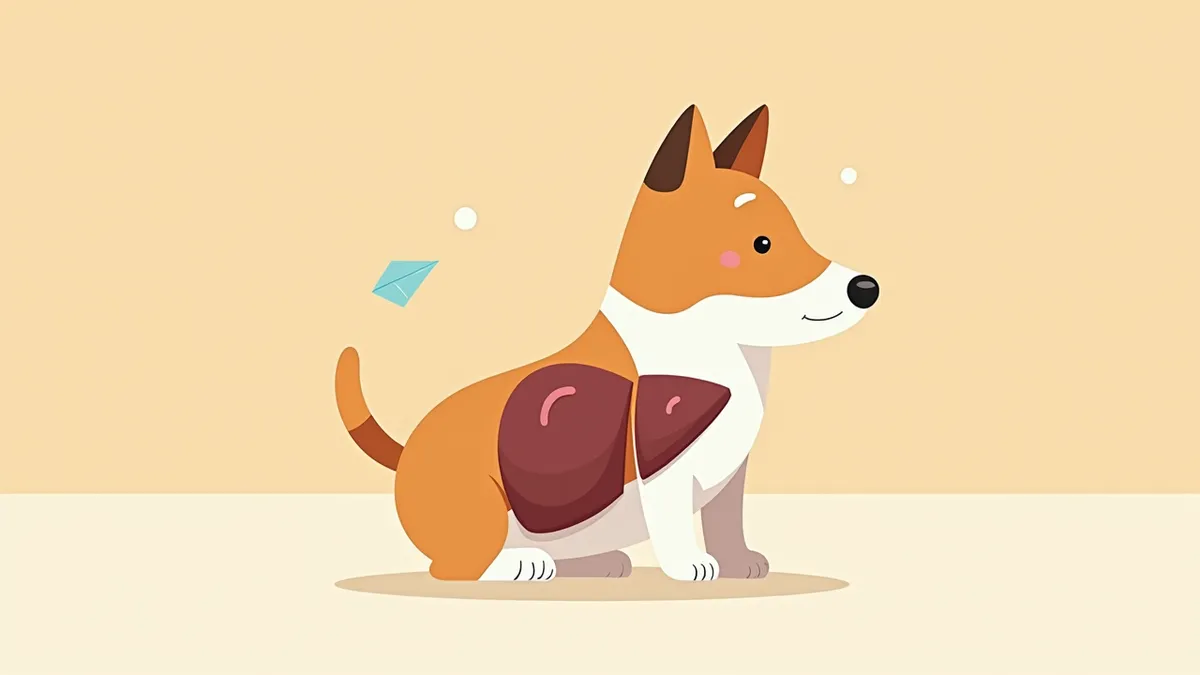
Key Criteria for Choosing Management Products for Activated Fat-Storage Cells in Dogs
BEST 1: Omega-3 Plus Liver Protection Capsules

BEST 2: Powdered Supplement for Liver Health
BEST 3: Natural-Derived Liver Protection Liquid Supplement
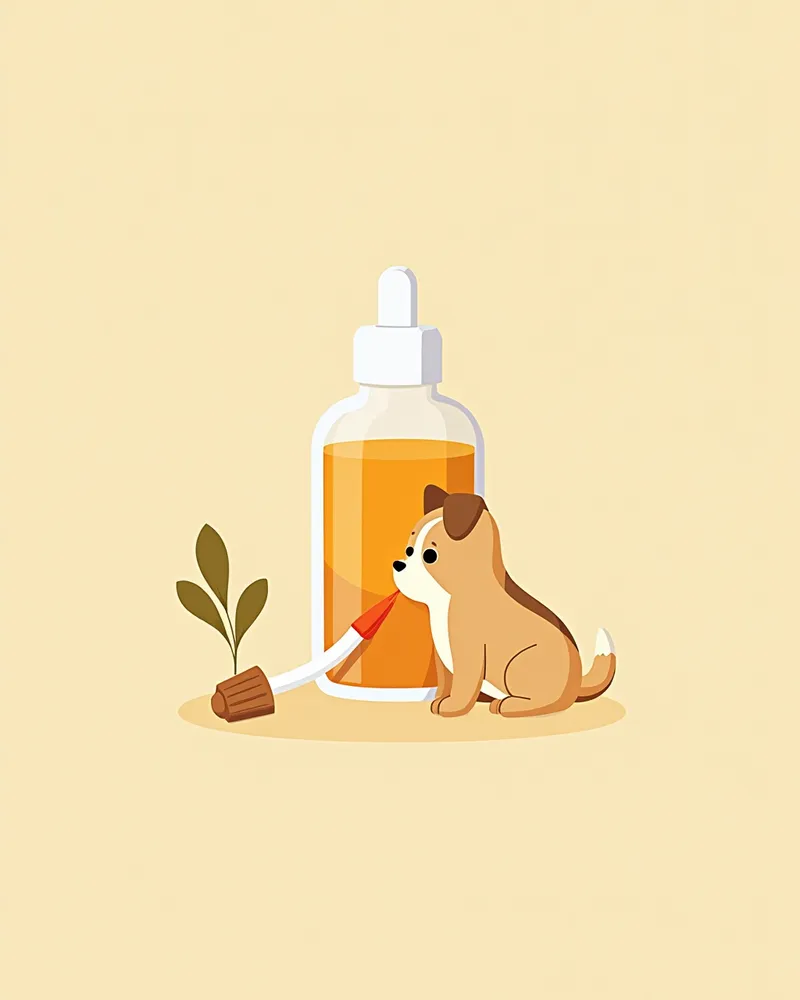
Comparison Table of Products BEST 1–3
| Item | BEST 1 Omega-3 Capsule | BEST 2 Powder Supplement | BEST 3 Liquid Formula |
|---|---|---|---|
| Main Ingredients | Omega-3, vitamin E | Omega-3, glucosamine, Q10 | Omega-3, lutein, vitamin C |
| Dosage Form | Capsule (1 tablet/day) | Powder (1 teaspoon/day) | Liquid (1ml/day) |
| Advantages | Easy to administer, antioxidant support | Good palatability, easy to consume | Easy to administer, preferred by dogs |
| Precautions | Recommended to take after meals | Keep away from moisture, consume quickly | Avoid direct sunlight |
The efficacy expressions in the table are from a supportive management perspective, and supplements do not replace treatment. Discuss ingredients and dosage with a veterinarian and adjust to body weight.
Excessive Fat Intake Worsens Activation of Fat-Storage Cells
Feeding your dog foods high in fat and calories on a regular basis can lead to obesity and increase the risk of fat accumulation in the liver. This is especially true for human foods and treats that are greasy or fatty. The most fundamental way to prevent this is to avoid overfeeding and maintain a healthy weight through a balanced diet.
Product Usage Tips and Management Checkpoints

Reviewed by a veterinarian

Dr. Tony — Punnawat Phongkittirak
VeterinarianA veterinarian who majored in veterinary medicine at Khon Kaen University, Thailand, and completed the IVSA program at North Carolina State University in the United States. Drawing on clinical experience at animal hospitals, he works in the pet healthcare field and is dedicated to building a digital care environment that connects pet parents with veterinarians.
Reviewed 2026-06-07
Frequently Asked Questions
Can the activation of fat-storing cells be treated?
How many times a day should it be administered?
Is it safe to use on puppies?
Will giving supplements improve liver function?
Is it safe to take too much?
Share
Related Guides

7 Key Symptoms and Management Essentials for Canine Cholecystitis Recommended by Veterinarians
Top 5 Milk Thistle (Silymarin) Liver Supplements for Dogs — A Comparison Guide Based on Silybin Content and Absorption Rates
Top Prescription Diets for Dogs with Liver Disease and Selection Criteria

Top Recommended Cat Giardia Management Products and Selection Criteria
Best Recommended Products and Selection Criteria for Managing Feline Flea Allergy Dermatitis
Top Recommended Indoor Flea Removal Management for Cats and Selection Criteria

Top Recommended Products for Feline Echinococcosis Management and Selection Criteria

Top 3 Recommended Products for Feline Ear Mite Management and Selection Criteria

Top 3 Recommended Strategies and Selection Criteria for Differentiating and Managing Feline Ringworm and Parasitic Infections

Top 3 Recommended Products for Feline Cryptosporidiosis Management and Selection Criteria
References
[1] Ishioka, K. et al. (2007). Plasma leptin concentration in dogs: effects of body condition score, age, gender and breeds. Res. Vet. Sci. 82: 11–15.
[2] Gogos, C.A. et al. (1998). Dietary omega-3 polyunsaturated fatty acids plus vitamin E restore immunodeficiency and prolong survival for in household dogs. J. Toxicol. Environ. Health 28: 407–414.
[3] Applied Veterinary Clinical Nutrition, 2nd Ed. (2007). Chapter on hepatic support and lipid metabolism in dogs.