
7 Best Products for Managing Feline Psychogenic Alopecia, as Recommended by Veterinarians — A Complete Guide to Choosing the Right Ones
We’ve outlined three evidence-based veterinary approaches to managing psychogenic alopecia in cats—excessive licking due to stress—along with tips for choosing the right products.
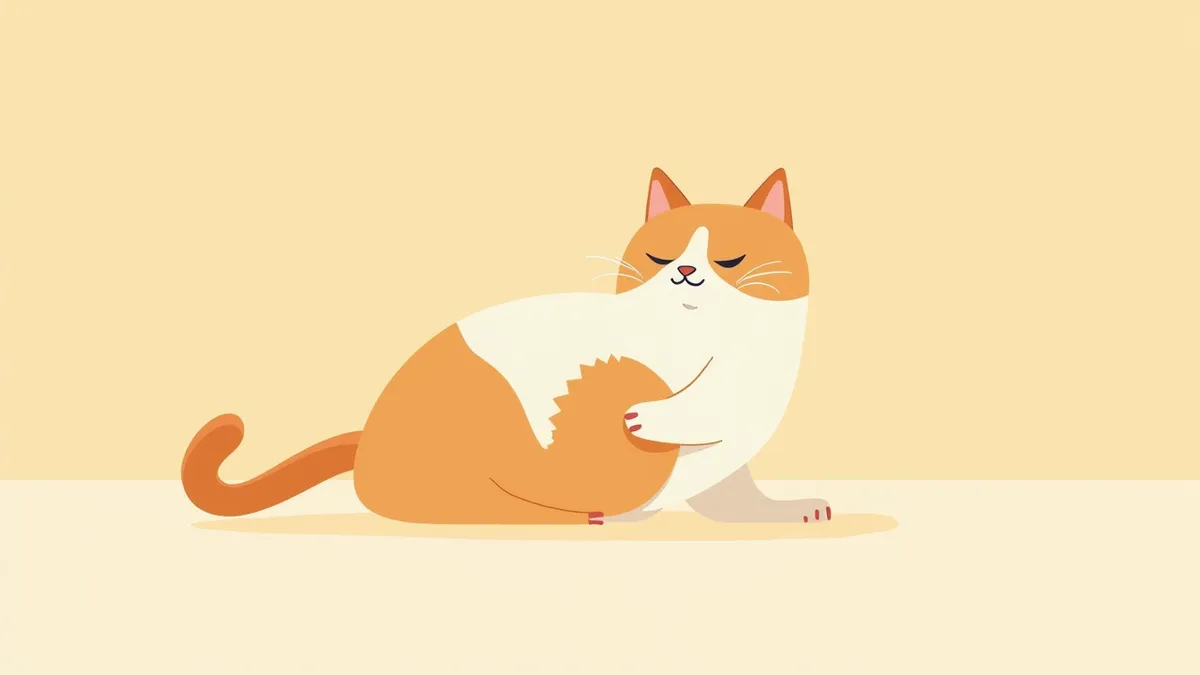
What Is Psychogenic Alopecia in Cats? How Stress Manifests on the Skin
How to Distinguish It From Other Causes of Hair Loss
When to Visit the Vet Immediately
If the skin in the groomed area is red, scabbed, or oozing, it may indicate another skin condition such as an allergy or infection, or a secondary infection complicating psychogenic alopecia. In either case, it’s important not to self-diagnose but to have a veterinarian determine the exact cause. Please visit the clinic immediately if the hair loss is spreading rapidly or if your pet’s appetite has decreased.
Criteria for Choosing a Management Approach — Identifying the Cause Comes First
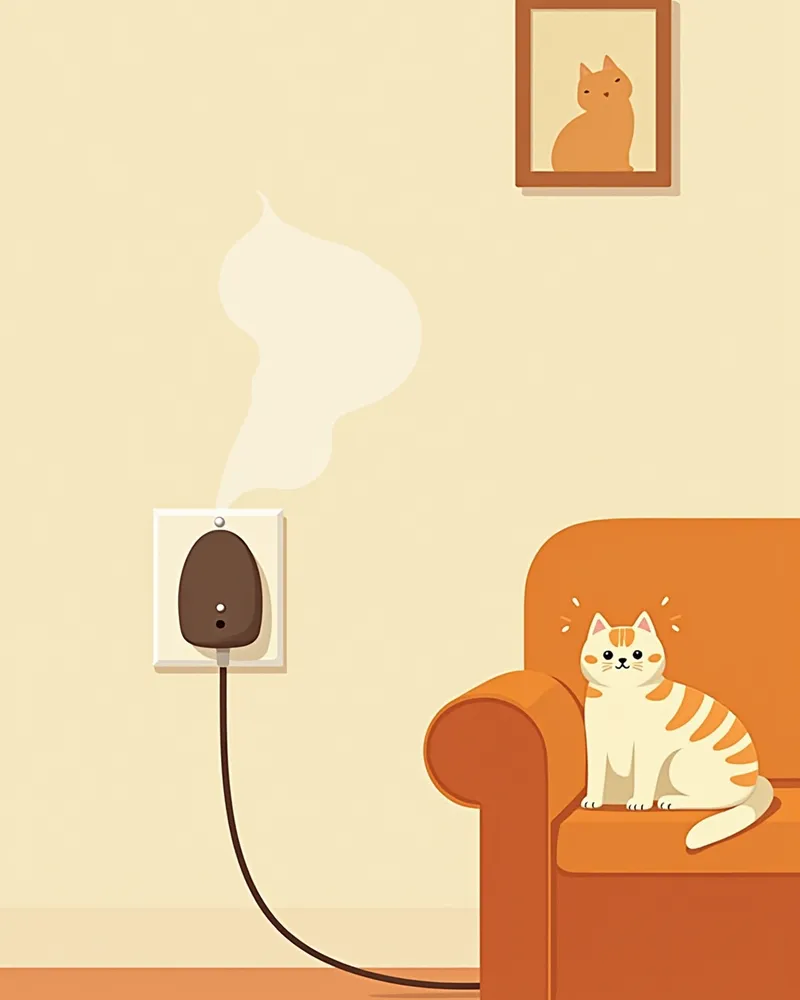
BEST 1 — Cat Pheromone Diffusers and Sprays
BEST 2 — Environmental Enrichment
BEST 3 — Calming Supplements (L-Tryptophan, Casozepine)
Comparison of the Three Management Approaches at a Glance
| Item | Pheromone products | Environmental enrichment | Calming supplements |
|---|---|---|---|
| Time to onset of effect | Several weeks (large individual variation) | Several weeks (large individual variation) | Several weeks (large individual variation) |
| Monthly cost | KRW 20,000–50,000 range | Initial cost involved | KRW 10,000–30,000 range |
| Suitable symptom severity | Mild to moderate | Mild to moderate | Moderate (adjunctive) |
| Requires veterinary prescription | Not required | Not required | Recommended |
The time to see effects and the cost may vary depending on the individual cat, product, and brand.
When Veterinary-Prescribed Medication Is Necessary
If excessive grooming persists or becomes severe enough to cause skin lesions despite thorough basic management—such as environmental enrichment, pheromone therapy, and nutritional supplements—consultation with a veterinary behaviorist is necessary. In such cases, the veterinarian may consider prescribing medications like anxiolytics. However, since behavioral and medical issues are not mutually exclusive, medication must always be used in conjunction with environmental modifications and behavior modification techniques.
Reviewed by a veterinarian

Dr. Tony — Punnawat Phongkittirak
VeterinarianA veterinarian who majored in veterinary medicine at Khon Kaen University, Thailand, and completed the IVSA program at North Carolina State University in the United States. Drawing on clinical experience at animal hospitals, he works in the pet healthcare field and is dedicated to building a digital care environment that connects pet parents with veterinarians.
Reviewed 2026-06-01
Frequently Asked Questions
Is there a way to distinguish between psychogenic alopecia and allergies at home?
What should I do if I don’t see any improvement after using a pheromone product for four weeks?
Can psychogenic alopecia be fully reversed?
After adopting a new cat, my existing cat developed psychogenic alopecia. What should I do?
How can I manage psychogenic alopecia caused by prolonged periods of being alone?
Share
Related Guides
7 Behavioral Enrichment Strategies for Mental Stimulation Recommended by Veterinarians
Top 5 Recommended Cognitive Supplements for Cats in 2026
Top 5 Calming Supplements for Dogs and Cats in 2026
Top Recommended Nebulizer Therapy Management for Dogs and Selection Criteria
Top Recommendations and Selection Criteria for Canine Nasal Tumor Management
Top Recommended Products and Selection Criteria for Managing Canine Influenza in Dogs
Top Recommended Bronchodilators for Dogs and Key Selection Criteria
The Best BOAS Management Products for Brachycephalic Dogs and How to Choose Them
Top Recommended Products for Managing Feline Pulmonary Edema and Selection Criteria
Top Recommended Products for Feline Pleural Effusion Management and Selection Criteria
References
[1] Beaver BV. Feline Behavior: A Guide for Veterinarians, 2nd Ed. Elsevier, 2003.
[2] Overall KL. Clinical Behavioral Medicine for Small Animals. Mosby, 1997.
[3] Landsberg G, Hunthausen W, Ackerman L. Handbook of Behavior Problems of the Dog and Cat, 3rd Ed. Elsevier, 2013.
[4] Harvey RG, McKeever PJ. BSAVA Manual of Canine and Feline Dermatology, 4th Ed. BSAVA, 2012.