
Comprehensive Guide to Top Recommendations for Managing Feline Territorial Stress and How to Choose
We’ve compiled a comprehensive guide to the causes and key signs of territorial stress in cats, along with the best veterinary-backed management strategies—such as pheromone diffusers, environmental enrichment, and nutritional supplements—and how to choose the right approach for each situation.
What Is Feline Territorial Stress?
Signs of Territorial Stress
See a Vet First If You Notice These Symptoms
If your cat has suddenly started spraying urine, it’s important to rule out bladder issues before assuming it’s stress-related. This is especially urgent if you notice blood in the urine or if your cat repeatedly assumes a urination posture but produces little to no urine—this could be a medical emergency. Additionally, if your cat has lost its appetite for more than three days or has developed skin lesions from excessive self-grooming, seek veterinary care immediately.
How to Choose a Management Approach — Identify the Cause First
BEST 1 — Synthetic Pheromone Diffuser
BEST 2 — Environmental Enrichment and Resource Separation
BEST 3 — Nutritional Supplements (Alpha-casozepine and L-theanine)
Comparison of Management Methods by Situation
| Item | First-line method | Second-line adjunct |
|---|---|---|
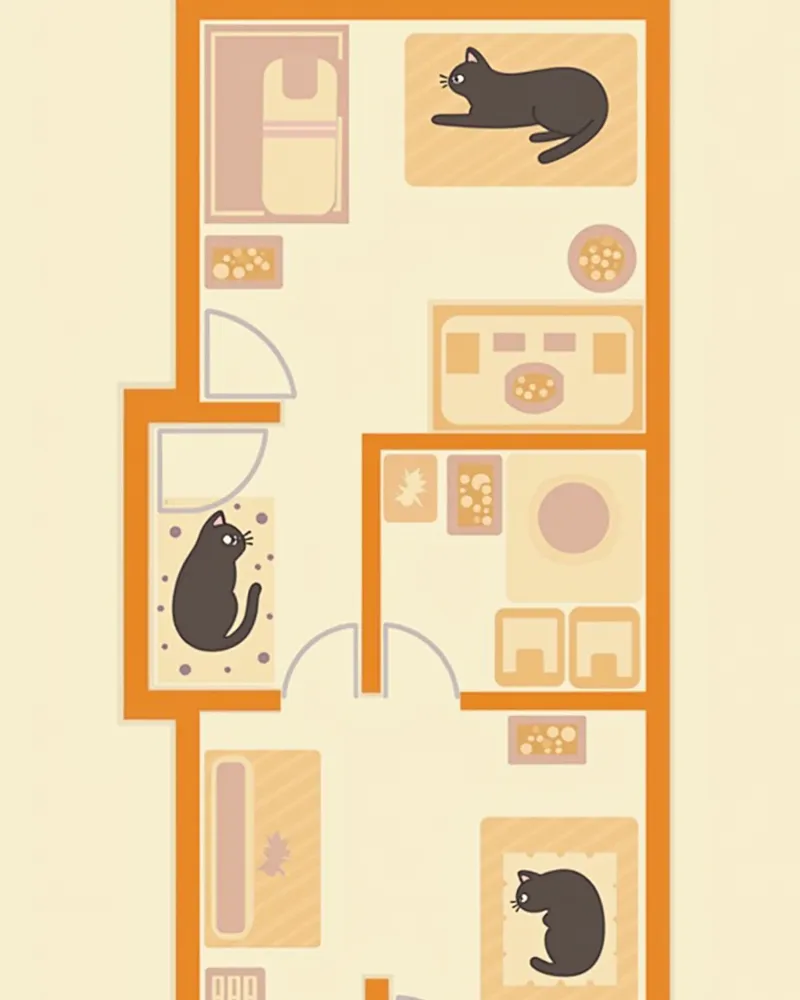
| Conflict in multi-cat households | Separate resources (litter boxes and food bowls in each zone) | Pheromone diffuser |
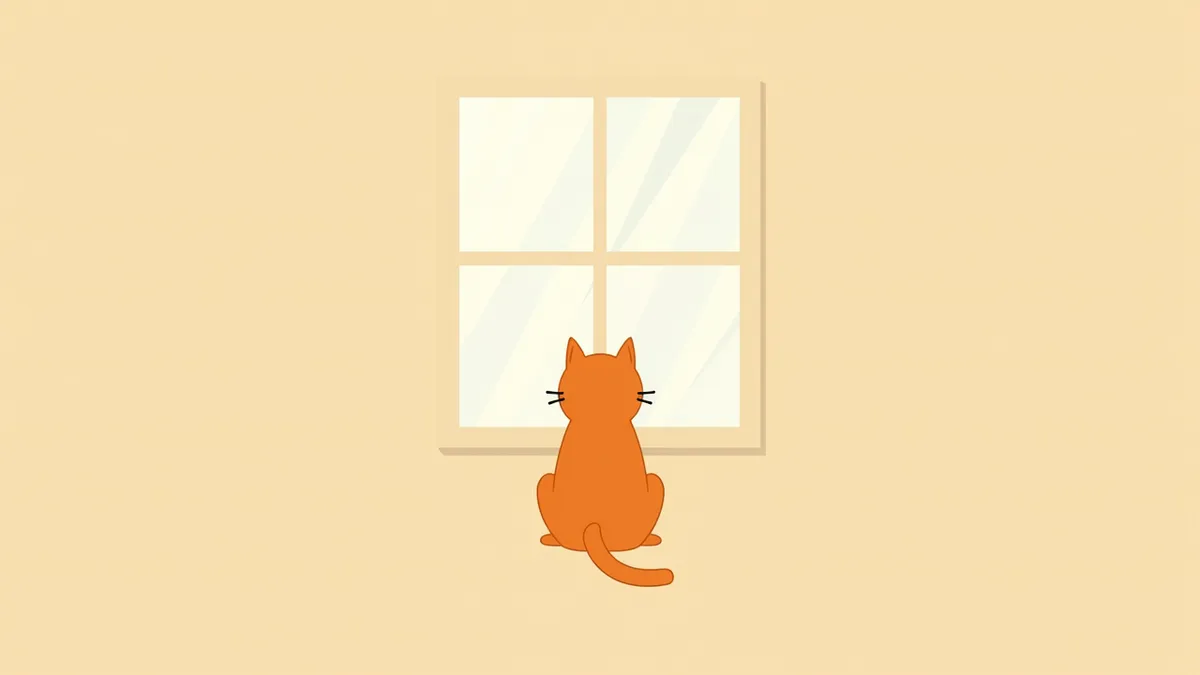
| Outdoor cats beyond the window | Block window view (opaque film) | Pheromone spray |
| Moving or environmental change | Start nutritional supplement 2 weeks in advance | Pheromone diffuser |
| Persistent urine spraying | Visit the clinic (rule out bladder disease) | Pheromone + environmental improvement |
| Single cat, unknown cause | Review routine + provide hiding spots | Nutritional supplement |
| Behavioral correction needed | Veterinary behavioral consultation | Pheromone + supplement combination |
If symptoms persist for more than 2 weeks or are accompanied by physical symptoms, consult a veterinarian first.
What to Absolutely Avoid
Punishing your cat with loud noises or spraying water when they use the spray area can actually increase their stress. Introducing a new cat all at once can severely worsen the existing cat’s territorial stress. Instead, follow a gradual introduction process over at least two to four weeks, starting with scent swapping, then face-to-face meetings through a door crack, and finally full cohabitation.
Reviewed by a veterinarian

Dr. Tony — Punnawat Phongkittirak
VeterinarianA veterinarian who majored in veterinary medicine at Khon Kaen University, Thailand, and completed the IVSA program at North Carolina State University in the United States. Drawing on clinical experience at animal hospitals, he works in the pet healthcare field and is dedicated to building a digital care environment that connects pet parents with veterinarians.
Reviewed 2026-06-01
Frequently Asked Questions
My cat is suddenly spraying urine on the walls. Could this be due to territorial stress?
I have a single cat, and I’m seeing signs of stress. What could be causing it?
Should I use a pheromone diffuser or a nutritional supplement first?
Are medications sometimes necessary for cats experiencing severe stress?
I’m thinking of bringing home a new cat, but I’m worried about how my current cat will react. How should I prepare?
Share
Related Guides
7 Behavioral Enrichment Strategies for Mental Stimulation Recommended by Veterinarians
Top 5 Recommended Cognitive Supplements for Cats in 2026
Top 5 Calming Supplements for Dogs and Cats in 2026
7 Best Products for Managing Canine Endocrine Hypertension Recommended by Veterinarians — Including Selection Criteria
7 Key Tips for Managing Canine Ectopic ACTH Syndrome Recommended by Veterinarians

The Best Products and Selection Criteria for Managing Canine Diabetes Complications (Neuropathy and Cataracts)

7 Key Points for Cushing’s Disease Diagnosis in Dogs: From LDDS/HDDS Preparation to Interpretation
7 Best Practices for Managing Feline Thyroid Cancer and Selection Criteria According to Veterinarians
Vet-Recommended Top 7 for Managing Feline Sex Hormone-Related Skin Conditions — Hair Loss and Itching Care
7 Key Management Tips for Feline Primary Hyperparathyroidism Recommended by Veterinarians — Including Hypercalcemia
References
[1] Beata C, Beaumont-Graff E, Coll V, et al. Effect of alpha-casozepine (Zylkene) on anxiety in cats. J Vet Behav. 2007;2:40–46.
[2] Amat M, Camps T, Manteca X. Stress in owned cats: Behavioural changes and welfare implications. Journal of Feline Medicine and Surgery. 2015;18(8):577–586.
[3] Griffin B, Hume KR. Recognition and management of stress in housed cats. In: August J, ed. Consultations in Feline Internal Medicine, 5th ed. St. Louis: Saunders; 2006:717–734.
[4] Behnke AC, Vitale KR, Udell MAR. The effect of owner presence and scent on stress resilience in cats. Applied Animal Behaviour Science. 2021;243:105444.
[5] McCobb EC, et al. Assessment of stress levels among cats in four animal shelters. Journal of the American Veterinary Medical Association. 2005;226(4):548–555.