

Top Recommended Flea Control Products for Dogs and Selection Criteria
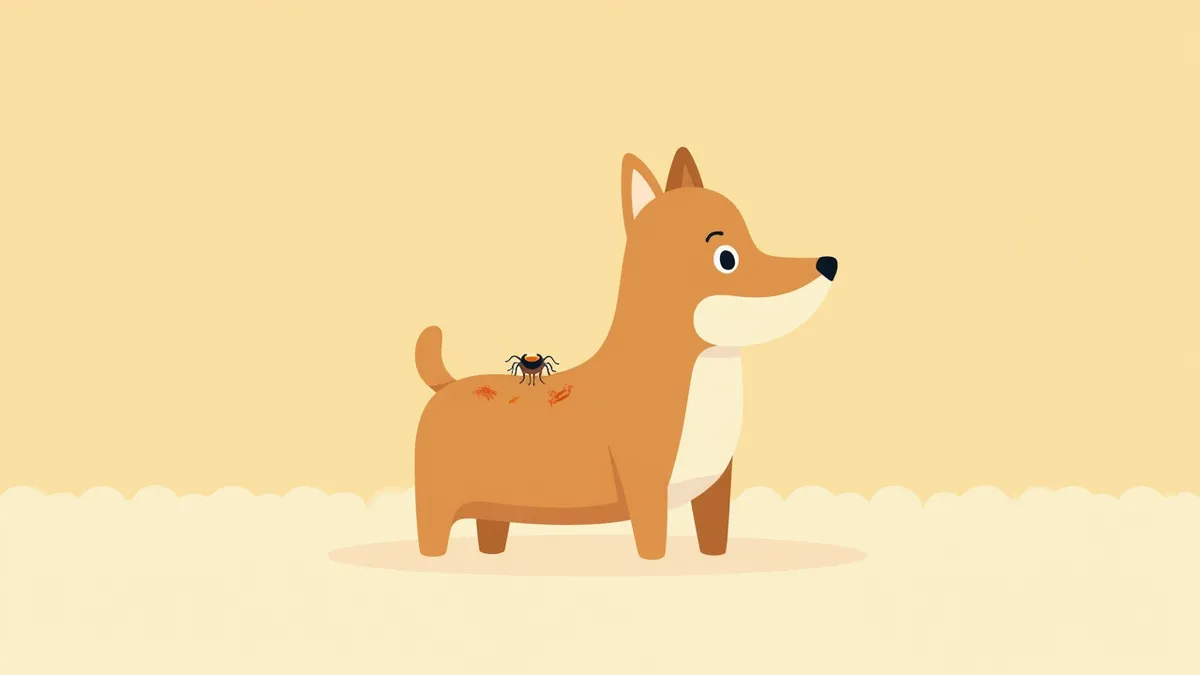
Flea infestations in dogs can cause dermatitis and other health issues, so prompt management is essential. Here are the top three effective flea control products and methods.
Prompt Response Is Key for Dog Flea Infestations
5 Key Criteria for Choosing Dog Flea Control Products
BEST 1: Bravecto Capsules

BEST 2: Capstar Tablets

BEST 3: Flea Collars (Natural Ingredient Type)

Comparison Table of BEST 1–3 Flea Control Products
| Item | Duration of Effect | How to Use | Recommended Situation |
|---|---|---|---|
| Bravecto Capsule | About 12 weeks | Oral administration | Long-term management, when you want dosing at 12-week intervals |
| Capstar Tablet | Almost no residual effect (very short) | Oral administration | Acute infestation, when immediate elimination is needed |
| Natural-Ingredient Collar | Varies by product (check the label) | Worn as a collar | When you want a sensitive-skin or eco-friendly approach |
Choose after consulting your veterinarian. The dose of all products must be adjusted according to body weight.
Caution: Side Effects May Occur with Overdosing
All flea medications must be administered at the precise dosage based on your dog’s body weight. Overdosing or use in sensitive individuals can cause side effects such as vomiting, lethargy, loss of appetite, tremors, and, rarely, seizures. In particular, isoxazoline-class drugs have been associated with rare neurological adverse reactions, so extra caution is needed for dogs with sensitive nervous systems or underlying health conditions. It is essential to follow your veterinarian’s instructions when starting or continuing any flea medication.
5 Tips for Dog Flea Management
Reviewed by a veterinarian

Dr. Tony — Punnawat Phongkittirak
VeterinarianA veterinarian who majored in veterinary medicine at Khon Kaen University, Thailand, and completed the IVSA program at North Carolina State University in the United States. Drawing on clinical experience at animal hospitals, he works in the pet healthcare field and is dedicated to building a digital care environment that connects pet parents with veterinarians.
Reviewed 2026-06-29
Frequently Asked Questions
Can dog fleas be transmitted to humans?
Your pet keeps scratching even though the fleas are gone?
Can I use Bulceto and Capstar together?
Are natural-ingredient products completely safe?
How should I clean my home after a flea infestation?
Share
Related Guides

5 Flea and Tick Preventives for Cats Recommended by Veterinarians — Ingredient Safety Comparison

The Ultimate Guide to Differentiating Symptoms, Managing Internal Parasites in Dogs, and Choosing the Best Products

Best Practices and Selection Criteria for Dog Heartworm Antigen Testing
7 Warning Signs and Management Points for Canine Brain Tumors Not to Miss, According to Veterinarians

7 Checkpoints for Dog Adrenal Tumors Compiled by Veterinarians — From Diagnosis to Treatment

7 Key Points for Differential Diagnosis of Abdominal Tumors in Dogs, Explained by Veterinarians

7 Key Facts About Feline Tumor Prognosis and Survival Time Explained by Veterinarians

6 Feline Tumor Immunotherapies Veterinarians Are Watching and Selection Criteria

Best Practices and Selection Criteria for Cat Tumor CT and MRI Staging Management

Top Recommendations and Selection Criteria for Managing Surgical Margin Assessment in Cats
References
[1] BSAVA Manual of Canine and Feline Dermatology, 4th Ed, 2003
[2] Thiemann T, Fielden LJ, Kelrick MI. Water uptake in the cat flea Ctenocephalides felis. Journal of Insect Physiology, 2003
[3] Shaw SE, Kenny MJ, Tasker S et al. Pathogen carriage by the cat flea Ctenocephalides felis in the United Kingdom. Veterinary Microbiology, 2004